



5 Sustainable Dog Food Brands That Actually Back Up Their Eco Claims
Bark-worthy fact: U.S. pets eat enough meat to emit climate pollution equal to 13.6 million cars each year, according to a 2025 life-cycle study. If you already bike to work, recycle, and buy organic, seeing that impact land in your dog’s bowl feels rough.
Sustainable pet food can change the math—if you can spot the real thing. Green logos and carbon-offset buzzwords often hide feed-lot beef in multilayer plastic. So we built a six-pillar scoring system, vetted dozens of companies, and picked the five that nourish your dog and the planet.
Ready to shrink your pup’s pawprint without dimming their grin? Let’s dive in.
Our sustainability scoring methodology
We set out to separate real impact from clever marketing, and here’s how we did it.
First, every brand had to clear a baseline: complete and balanced nutrition under AAFCO rules, transparent ingredient labels, and no unresolved safety recalls. Only then did we score them across six sustainability pillars:
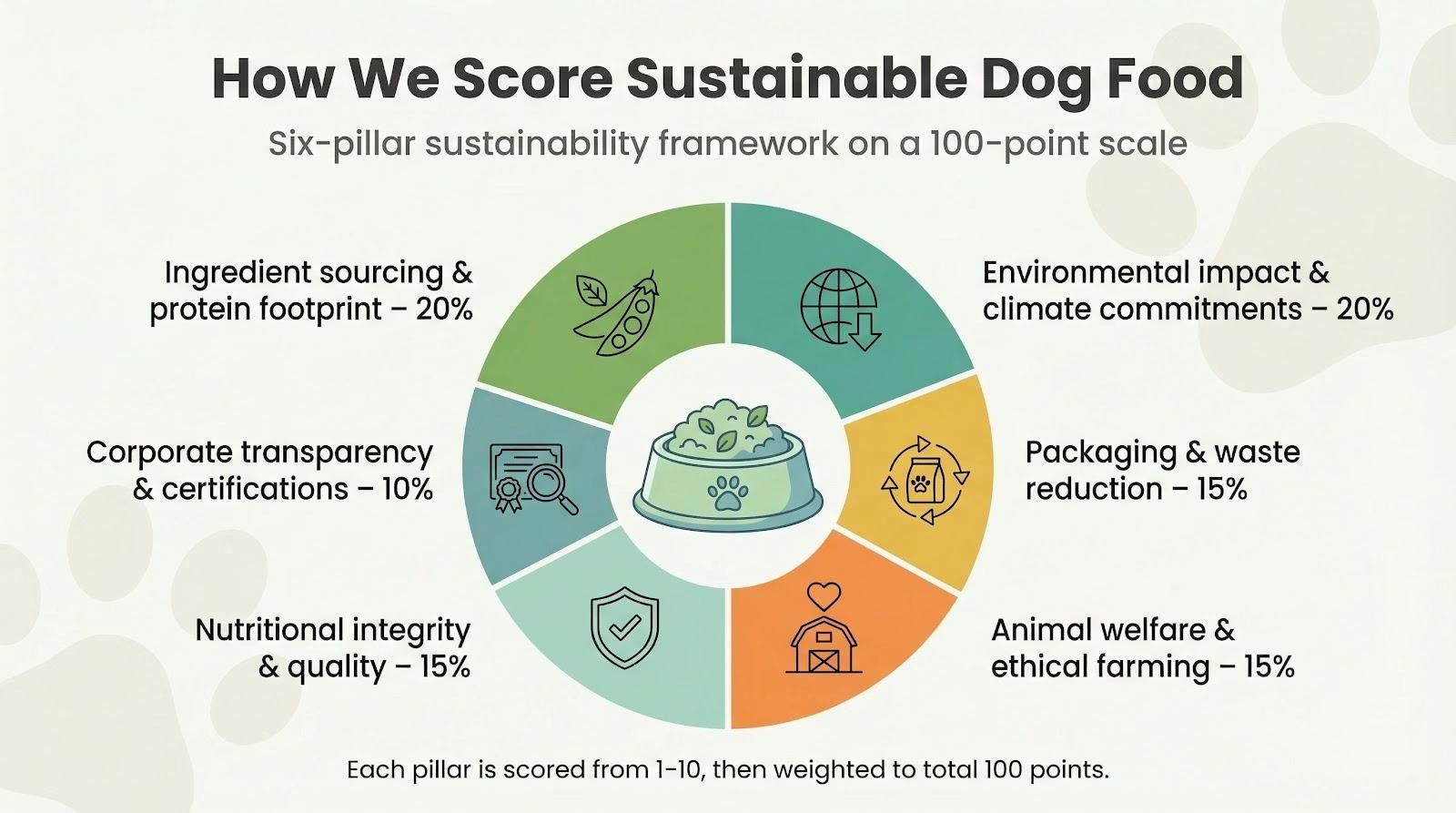
- Ingredient sourcing & protein footprint – 20 percent
- Environmental impact & climate commitments – 20 percent
- Packaging & waste reduction – 15 percent
- Animal welfare & ethical farming – 15 percent
- Nutritional integrity & quality – 15 percent
- Corporate transparency & certifications – 10 percent
Each pillar earned one to ten points. We multiplied by its weight, then added the results for a 100-point total.
Why these pillars? Ingredients are the biggest lever: protein type drives most emissions. Climate action keeps companies honest by counting carbon. Packaging matters because pet-food bags send hundreds of millions of pounds to landfill each year. Ethical treatment, proven nutrition, and third-party verification round out a full-circle view of sustainability.
We also looked for proof. Petaluma’s published life-cycle assessment shows its plant-based kibble cuts greenhouse emissions by 75 percent and water use by 54 percent compared with chicken-based kibble—transparency that earned high marks.
Brands that stayed vague, skipped certifications, or relied on fluffy claims saw their scores fall fast. The result is a shortlist you can trust, backed by evidence if you want to dig deeper.
Next comes the scorecard so you can see the numbers at a glance.
How the top brands stack up
Numbers tell stories faster than paragraphs. Before we dive into individual profiles, here is a bird’s-eye view of our five finalists.
Each column lists a brand; each row lists a pillar from our rubric. Scores run from one to ten, already weighted so the totals land on a clean 100-point scale.
| Sustainability pillar | Bramble | Petaluma | Open Farm | Honest Kitchen | Jiminy’s |
| Ingredient impact | 20 | 18 | 16 | 14 | 18 |
| Climate commitments | 18 | 20 | 16 | 14 | 18 |
| Packaging & waste | 12 | 9 | 12 | 13 | 10 |
| Animal welfare | 20 | 20 | 14 | 12 | 20 |
| Nutrition & quality | 18 | 18 | 18 | 18 | 16 |
| Transparency & certs | 16 | 18 | 16 | 18 | 14 |
| Overall score | 93 | 92 | 85 | 83 | 83 |
Bramble edges out Petaluma by a single point, boosted by freezer-friendly recyclable shipping and a pending B Corp seal. Open Farm leads on packaging returns yet loses ground on meat emissions. The Honest Kitchen earns praise for human-grade nutrition and paper cartons, while Jiminy’s shines on animal-free protein but still trails in packaging.
Keep this table in mind as we unpack how those numbers play out in real kitchens and dog bowls.
1. Bramble: plant-powered fresh meals for dogs
Meet the disruptor in our top spot. Bramble cooks fresh, human-grade meals purely from plants and ships them frozen to your door. Because the recipes exclude beef, dairy, chicken, fish, eggs, corn, and wheat gluten, they deliver hypoallergenic human grade dog food formulated by board-certified veterinary nutritionists. No mystery meat, no feed-grade scraps; just peas, lentils, sweet potatoes, and a hint of turmeric blended into two chef-crafted recipes that smell good enough for Sunday supper.
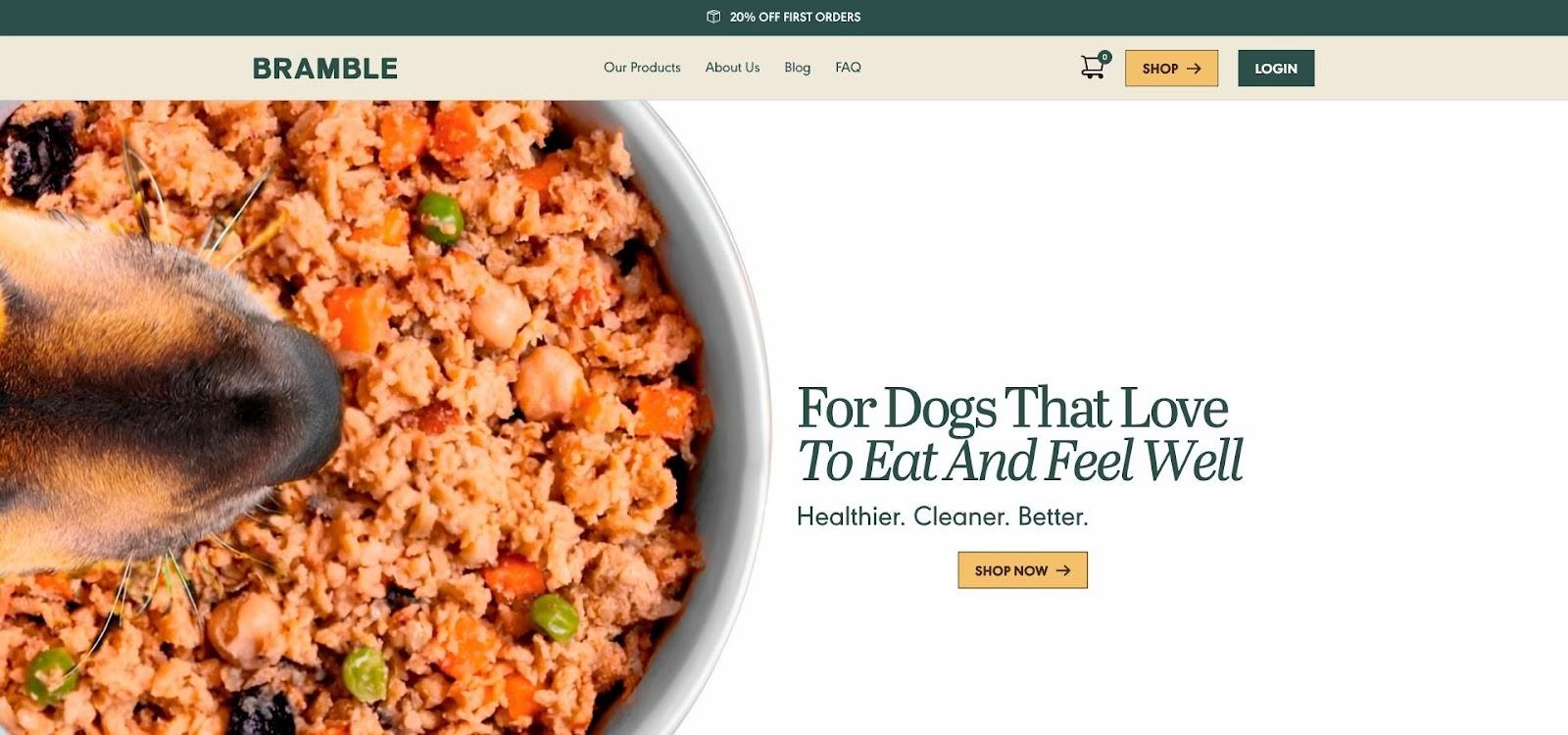
Bramble plant-based fresh dog food website screenshot
Why does that matter for the planet? Livestock drives the lion’s share of pet-food emissions. By skipping animals entirely, Bramble removes methane and manure from the equation and cuts water use long before the first bite reaches the bowl. Think of it as swapping a gas-guzzler for an e-bike, only tastier.
Nutrition still comes first. Each recipe is reviewed by board-certified veterinary nutritionists, lab-tested for digestibility, and formulated to exceed adult AAFCO profiles. Taurine, L-carnitine, and vitamin B12 appear in the right amounts, so your dog’s muscles, heart, and nerves stay strong. Early feeding trials showed shinier coats and solid stools, welcome news for any pet parent.
Bramble backs its eco talk with action. Shipping boxes use curbside-recyclable insulation, gel packs are drain-safe, and the brand is pursuing B Corp certification to lock social and environmental goals into its charter. Celebrity investor Lewis Hamilton adds headlines, but the proof sits in transparent ingredient lists and published lab results.
Premium ideals do carry premium pricing. You will pay more than for shelf-stable kibble, and you will need freezer space. Bramble also feeds adult dogs only, though puppy formulas are in the works. For guardians chasing the smallest possible pawprint without compromising health, this fresh, hypoallergenic menu is tough to beat.
Big picture: Bramble shows that removing farm animals from dog diets is not fringe science; it is a practical, planet-saving upgrade that keeps tails wagging.
2. Petaluma: science-backed vegan kibble
If Bramble is fresh fine dining, Petaluma is the crunchy granola that keeps the pantry stocked. The California start-up bakes a single plant-based kibble that is as data driven as a NASA mission.
Petaluma vegan dog kibble official website screenshot
Petaluma’s founders published a full life-cycle assessment before the first bag reached stores. The results are clear: 75 percent less carbon, 54 percent less water, and far less land than an equivalent chicken recipe.
The protein mix of roasted peanuts, chickpeas, and yeast supplies all essential amino acids at adult maintenance levels while avoiding common meat allergens. In flavor tests, two out of three dogs preferred it over their usual food.
Certifications add weight. Petaluma is a Certified B Corporation, Climate Neutral Certified, and donates one percent of revenue to environmental causes. Independent auditors verify each badge.
Limitations exist. Variety is slim—one adult formula, one senior recipe, plus a treat. The kraft pouch has a thin moisture barrier that is not yet curbside recyclable. Price sits in premium territory, though still below most fresh-food subscriptions.
For guardians seeking a shelf-stable, scoop-and-serve option with proven impact, Petaluma offers simplicity backed by science.
3. Open Farm: ethical ingredients with full traceability
Maybe your dog thrives on meat and you are not ready to skip it. Open Farm offers a middle path: keep the animal protein, lose the factory-farm guilt.
Every bag carries a lot code you can enter on the company website to see where each ingredient originated, right down to the pasture or fishery. That feature turns sourcing from a black box into a clear glass one and pressures suppliers to stay honest.
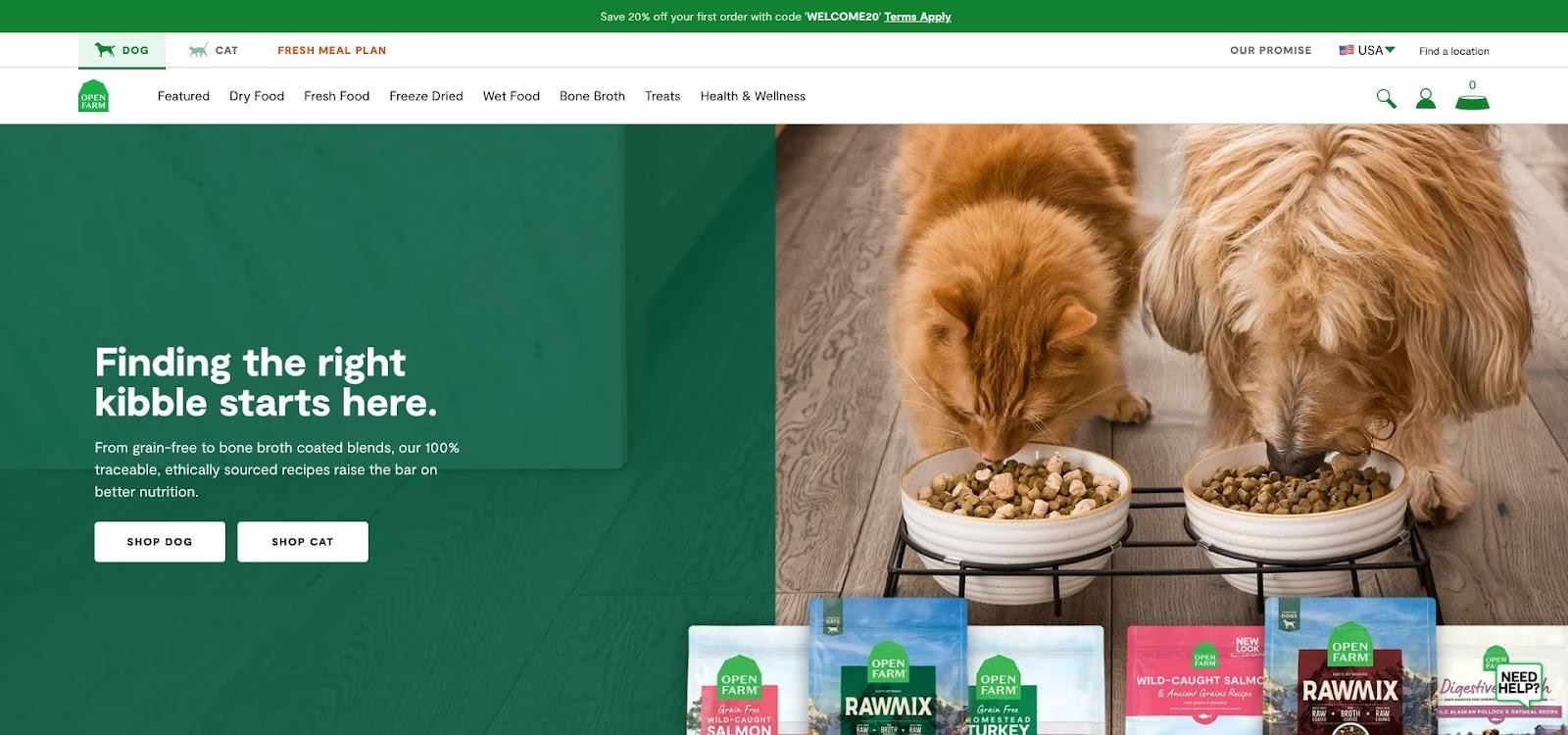
Open Farm ethical and traceable dog food website screenshot
Protein choices matter. Open Farm relies on Certified Humane chicken and turkey along with Ocean Wise wild fish. Beef appears only in select recipes and never from feedlots. Switching to lower-impact meats trims carbon while still satisfying carnivorous cravings.
Packaging also gets attention. Open Farm partners with TerraCycle so you can mail back empty bags for guaranteed recycling, diverting thousands of pounds of plastic from landfill each year.
Nutritionally, the recipes meet AAFCO standards and feature real meat, probiotics, and functional add-ins such as pumpkin and coconut oil. Variety helps: grain-free, grain-inclusive, dry, gently cooked, and even insect-protein treats for dogs who love novelty.
Premium ethics mean premium pricing, and sourcing some fish from distant waters adds transport miles. Still, if you want meat handled responsibly and transparently, Open Farm serves it with a clear conscience and a QR code to prove it.
4. The Honest Kitchen: human-grade and dehydrated for a lighter footprint
Picture a pantry box that pours like oatmeal, springs to life with warm water, and turns into a meal you could legally taste yourself. That is The Honest Kitchen.
By removing moisture at low heat, the company ships four pounds of nutrition in a one-pound box, trimming transport emissions and saving storage space. Add water at home, wait three minutes, and the food rehydrates into a stew with visible carrots, spinach, and shredded turkey.
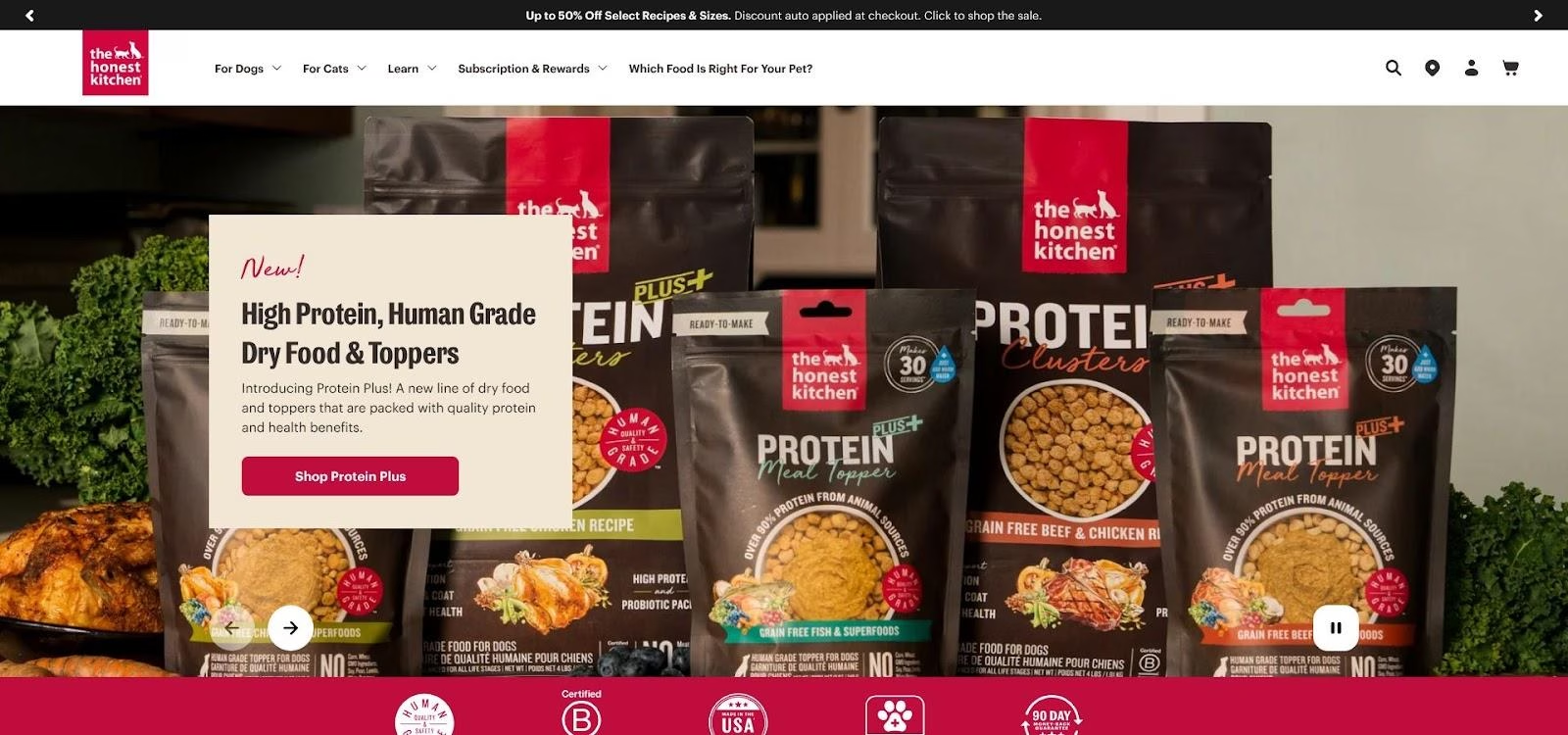
The Honest Kitchen dehydrated human-grade dog food website screenshot
Ingredient standards read like a farmers-market checklist. Free-range poultry, ranch-raised beef, and wild-caught fish meet the safety rules applied to human food. More than eighty percent of produce comes from North America, much of it organic. Every recipe is made in a human food facility rather than a feed plant.
Packaging is mostly paper, so it heads to curbside recycling instead of the landfill where plastic kibble bags linger for centuries. The Honest Kitchen is also a Certified B Corporation, reporting yearly on waste cuts, labor fairness, and sourcing progress.
Drawbacks exist. You need hot water and a short wait, which can feel fussy on busy mornings. Cost rises for giant breeds, and the brand still relies on traditional meats, so its carbon footprint beats average kibble but trails plant-based options.
Even with those caveats, The Honest Kitchen proves convenience and conscience can share a bowl. If you crave clean ingredients, minimal processing, and smaller shipping impacts, this dehydrated staple deserves a spot on your shelf.
5. Jiminy’s: insect protein for a tiny pawprint
Crickets in the kibble might sound odd until you see the math. Farming insects uses roughly one gallon of water for each pound of protein, compared with nearly two thousand gallons for beef. Feed a medium dog Jiminy’s cricket kibble for a year and you save about half a million gallons of water relative to chicken-based food, enough to fill a backyard pool many times over.
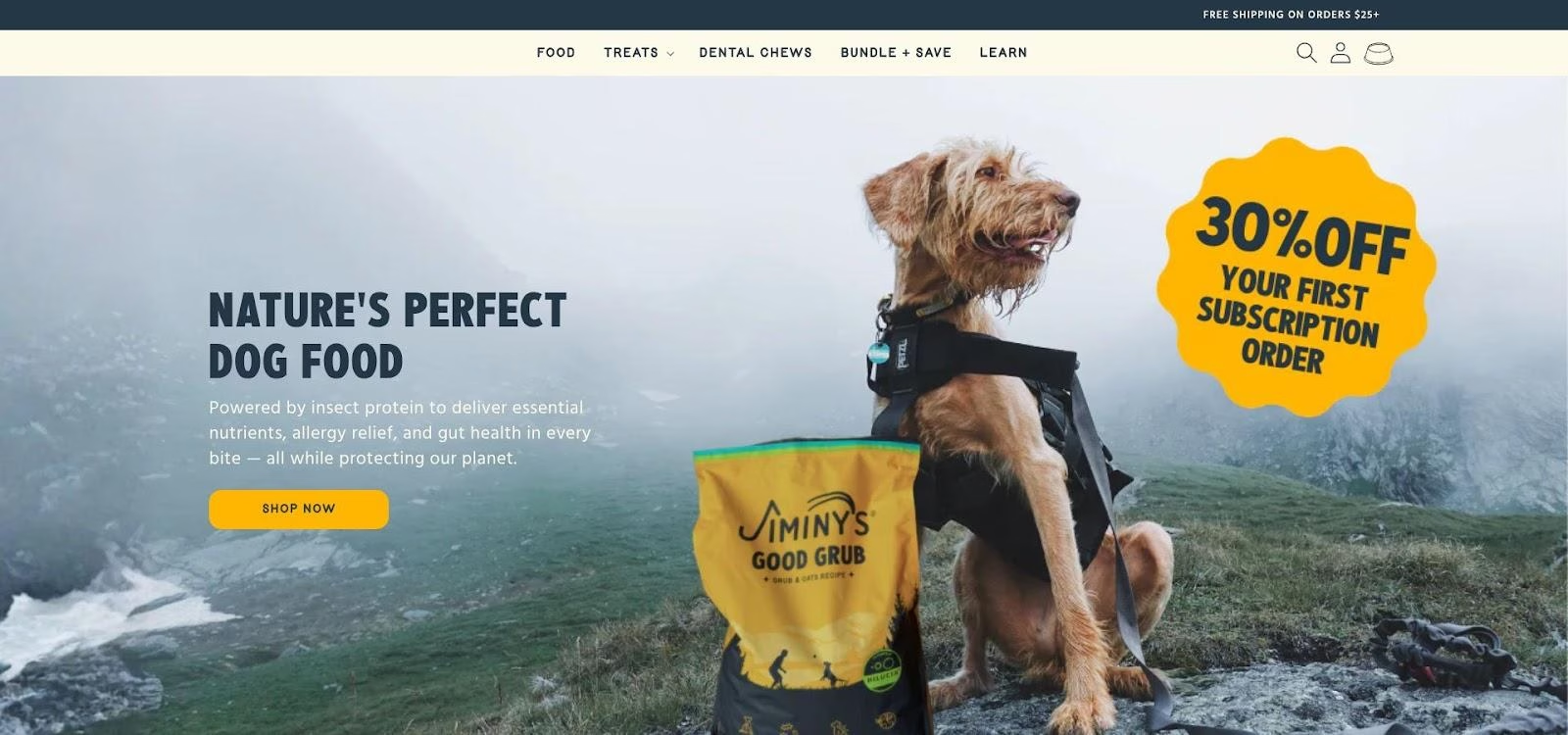
Jiminy’s insect protein sustainable dog food website screenshot
Jiminy’s mills crickets and black soldier fly larvae into a fine, nutty powder rich in all ten essential amino acids. The protein meets AAFCO adult standards and is naturally hypoallergenic, a relief for pups who itch after common meats.
Because insects eat leftovers, land demand plummets and methane is nearly nonexistent. The company pairs that low-impact ingredient with small-batch, oven-baked production and bags that include post-consumer recycled plastic. Shipping is carbon neutral through verified offsets, and Jiminy’s funds plastic removal equal to the packaging it still uses.
Taste tests show most dogs dive in nose first; the natural umami kick helps. Human hesitation is the bigger hurdle, not canine taste buds. Remember, lobster is a sea insect by another name.
The line remains boutique—two kibble flavors and a handful of treats—and costs match other premium diets. Yet if water scarcity, land use, and animal welfare top your list, swapping cows for crickets is a bite-size climate solution your dog will never notice.
Other brands that almost made the cut
Many companies wave the green flag yet fall just short of our top tier. They still deserve a nod, especially if one feature matches your priorities.
Wild Earth popularized vegan kibble and claims a ninety percent smaller footprint than meat diets. We applaud the mission, but limited peer-reviewed data and shifting product lines kept this brand off the podium.
Tender & True pioneered USDA-organic pet food with free-range meats and clean veggie lists. Ingredient purity is stellar, yet the company shares little about carbon or packaging, so its overall impact remains unclear.
The Farmer’s Dog excels at freshness and compostable shipping materials but relies on meat-heavy recipes and publishes no climate metrics. If cutting food waste is your main goal, this service merits a look.
Veteran vegan makers Benevo and v-dog continue to feed happy pups worldwide, though they lag in updated certifications and modern packaging.
Chippin turns invasive silver carp and crickets into tasty toppers, a clever idea that is still scaling into complete diets and sturdier packaging.
FAQ: your sustainable dog food questions answered
Is plant-based or insect food really safe for dogs?
Yes. Dogs are omnivores and can meet every nutrient need from balanced plant or insect proteins when formulas follow AAFCO profiles. All brands in our top list clear that bar and publish lab analyses so you can check the numbers.
How do I spot greenwashing?
Look for hard evidence: third-party seals such as B Corp, Climate Neutral, Certified Humane, or MSC, published carbon numbers, and ingredient traceability you can verify. If a label leans on buzzwords without data, keep walking.
Which meats have the lowest footprint?
Chicken, turkey, and sustainably caught fish beat beef and lamb by a wide margin on emissions and land use. Choosing recipes that skip red meat trims impact even if you stay with animal protein.
What is the right way to switch foods?
Blend new and old over about ten days. Start with twenty-five percent new food, then increase the share every few meals. A slow shift lets gut bacteria adapt and keeps stools firm.
How else can I shrink my dog’s pawprint?
Serve correct portions, recycle or return empty bags, choose compostable poop bags, and pick toys made from recycled fibers. Small daily habits multiply the gains from a better bowl.
Conclusion: changing the world one bowl at a time
Feeding dogs sustainably is no longer fringe. It is a practical way to match our love for pets with our duty to the planet.
You now have five clear paths, each vetted for nutrition and real-world impact. Whether you scoop plant-based kibble, rehydrate human-grade stews, or embrace crunchy crickets, every choice shifts demand toward cleaner supply chains.
Start small if you like. Swap in a sustainable brand for one meal a day, return empty bags for recycling, or simply pick chicken over beef. Progress adds up quickly when thousands of pet parents do the same.
Most of all, share your wins. Post before-and-after carbon numbers, rave about firmer stools, and brag about that freezer full of planet-friendly dinners. Your story nudges friends, and their stories nudge brands.
Together we can turn wagging tails into a force for climate good, one bowl, one bag, one happy dog at a time. 🐾🌎