



Caw of the Wild
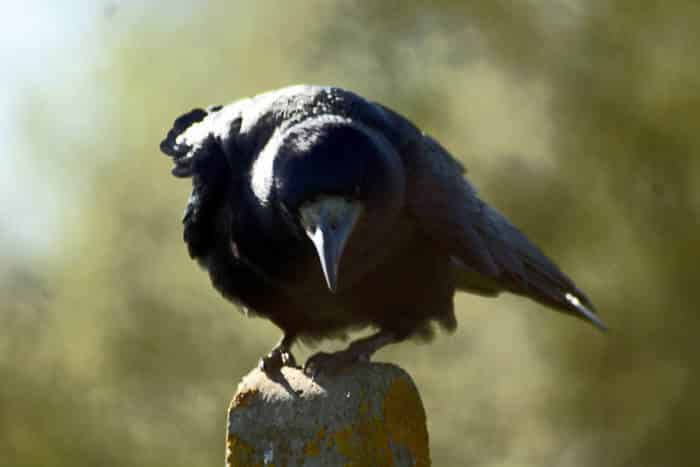

While much of the book reads like a crow guidebook with a literary bent, one that educates on almost all aspects and behaviors of the “exceedingly clever bird,” the author also traces her personal connections to the dominant bird. “Crows living in the urban landscape reap the benefits of easy food and shelter, and their populations are barely checked by cars, cats, and other urban and suburban hazards,” she writes. “Urban crow life is dangerous and scrappy, but it all works out, and the crows, as a group, seem to come out on top.”
Haupt insightfully draws from philosophical and naturalist teachings to convey that the “more humans comprehend the earthly life around us, the better chance we have for living intelligently in its midst.” And each morning as she wakes to their incessant cawing she is “reminded daily, by this smart, endlessly wonderful, shining bird I have come to know, but not quite love, to do all I possibly can to keep the earth from degenerating into a planet full of nothing but crows.”