



Building for the Future: Steel’s Role in Durable and Sustainable Structure
The Earth’s population continuously increases while fossil fuel resources are steadily dwindling. These are issues suggesting that the environment still faces an uphill battle that it can only win with humanity’s sincere cooperation. Unfortunately, these are just the tips of the severely melting iceberg.
Substantial evidence points to a drastic shift in the world’s overall health. While governments in different countries know about these issues, the world’s most polluted cities still need to become sustainable and stable.
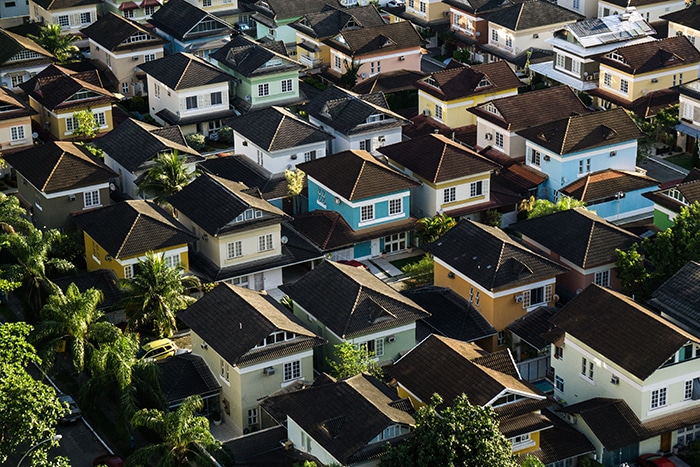
As the real estate industry tries to address sustainability problems, homeowners clamor for more durable and sustainable houses. The good news is that there are ways for people in the real estate sector to ensure a long future for the infrastructure they’re building.
What is sustainability in the real estate industry?
Sustainability means supporting or maintaining a process for a long time. This support means focusing on energy efficiency while developing land and constructing buildings and infrastructure.
It also means addressing demographics, construction, finance, and policy issues like land use, green policies, energy performance, public welfare, and other sustainability matters in the real estate industry.
At the homeowner level, sustainability means building a home that can last for a long time. It should be a home that’s durable, comfortable, and built around the family’s lifestyle.
Sustainability and Durability Concerns of Modern Structures
Modern-day houses and commercial buildings face environmental dangers like deadly heatwaves, record-breaking wildfires, extended droughts, rising seas, and flooding. Since climate and weather conditions vary from place to place, sustainable resiliency strategies largely depend on your location.
For example, if you’re building a house in Colorado, keep it warm during the frigid winters. You should also consider how to keep your home powered up when electricity is out. Consider a home that’s not 100 percent electric, with fireplace or gas stove provisions.
You will surely deal with earthquakes in Texas and other southern areas. If you’re on the Gulf Coast, you’ll deal with floods. Can you live in your home after the hurricane wipes it out? Most people can’t since their homes weren’t designed to self-ventilate. This issue is a significant concern for homes in Austin or Houston.
Resilient homes in areas with hot weather mean making the building livable without air conditioning. If you design the structure right, you can make your home no warmer than 82 degrees. It may not be wonderfully comfortable, but your home will be livable.
Population Explosion and Its Effects
Nature’s fury knows no boundaries. Fire can destroy properties and cause fatalities. Wildfires can also destroy structures and displace people and animals. On top of that, earthquakes can drive people from their homes while also causing economic damage.
Natural disasters have long occurred. However, increased human dwelling concentrations and population explosions have magnified their effects multiple times. Even worse, the conventional building industry must evolve faster to cope with nature’s fury.
A common factor among these disasters and their aftermaths is the prevalence of wood in construction. Wood’s working, aesthetic, electrical, acoustic, thermal, and tensile properties make it a top residential construction material choice. However, it has numerous disadvantages.
Despite treatment and coating, you can’t make non-combustible wood. There may have been a gradual shift from wood to metals and engineered products, but this needs more push. There are more sustainable and disaster-resistant materials you can use instead of wood.
Steel: Sustainable and Durable Wood Replacement
Timber and steel are the leading building materials. However, steel is better for sustainable and durable homes and buildings. You can use steel for reinforced concrete, foundations, studs, and building frames.
Durability
High-grade steel with a high carbon content has increased durability due to its higher strength-to-weight ratio than wood. You need fewer steel components to build the same framework with similar strength. You can also process steel to withstand harsh environmental conditions better.
Steel is also more durable than timber. Structures made of steel can last for decades. While wood can also go on for years, it becomes less stable after post-processing. On the other hand, if you coat steel with zinc, you make its material oxidation and corrosion-resistant.
You only have to galvanize steel once. However, with wood, you must restain it once every two to three years. They may last decades if undisturbed, but you reduce their lifespan significantly once you process them into decks and preserve them with pressure treatment.
Resistance to Fire
Steel is the better choice when you want fire-resistant buildings. Wood’s cellulose decomposes quickly under extreme heat. After which, it will start emitting gaseous substances. Oxygen in fire will speed up burning and combustion rates as soon as it reacts with different gases.
On the other hand, steel is non-combustible and highly fire-resistant. Mixing it with concrete, steel, and other non-combustible materials creates a safer and more fire-resistant structure.
Moisture Protection
Without protection, wood and steel are susceptible to moisture damage. However, since steel is non-porous, it’s excellent for outdoor and indoor applications. Unfortunately, since timber is highly porous, it will most likely expand with high humidity.
How else can the real estate industry promote sustainability?
Aside from shifting to steel as a raw material for houses and commercial buildings, here are other things the real estate industry can consider to help promote sustainability.
Study and improve energy efficiency
A massive chunk of the real estate sector’s emissions emanates from energy efficiency improvements. Aside from that, a substantial part of the budget goes to heating, cooling, and powering up buildings. These facts suggest that energy efficiency improvement should be on every business’s “to tackle” list.
You must explore strategies to help you lessen the need for energy in cooling and heating buildings. These energy-saving techniques may include renewable energy technologies (RETs) and energy conservation measures (ECMs). Exploring these options can help the environment and reduce construction-related costs.
You should take these energy-saving actions during real estate design and planning. Furthermore, you can address energy efficiency while developing buildings and infrastructure.
When your energy efficiency improves, you’ll be closer to your carbon goals. These acts can also help you reduce operating costs and eliminate business interruptions. In the end, you earn your stakeholders’ approval and trust.
Promote sustainability within the value chain
With countless activities, parties, and stakeholders involved across the value chain, sustainable practices must be embedded throughout. You can do this by observing due diligence, adopting stringent vendor selection standards, and following sustainability codes of conduct.
Designer, contractor, and developer activities during the building phase may incur unexpected environmental costs. Adopting a sustainability guide among stakeholders and partners may help establish ground rules for best practices.
Vetting suppliers based on their sustainability initiatives and setting solid merchant selection requirements can positively influence the value chain. These steps will ensure the application of sound sourcing principles. It will also pave the way for easier supplier collaboration in sourcing low-carbon and sustainable raw materials.
You can also conduct due diligence when searching for potential partners. This practice is especially useful in real estate’s post-building sectors. By observing due diligence, you can set shared goals to promote sustainable real estate practices.
When executed correctly, these practices can drive more business success. You can also complement your sustainability efforts with co-creation. Instead of demanding sustainability requirements, think of sustainability as something you can co-create with your partners. Capitalize on the expertise and strengths of people within the value chain.
Together, you can innovate new solutions that will promote sustainable development. When you refrain from imposing your values on your partners, you encourage them to understand your goals. When they understand your motivations, you don’t have to force them to participate.
Never stop researching
Always aim to learn new sustainable methods. Researching more sustainable development practices is necessary to meet your carbon emission goals. However, when dealing with real estate sustainability, carbon emission impact is not the sole metric to consider. It would help if you also dealt with environmental and social impacts like air quality and quality of life.
You must invest effort and resources in researching and developing green spaces. Several cities have already launched projects promoting urban greenery. These projects aim to improve the citizenry’s quality of life through sustainability efforts.
This project aims to develop clean energy infrastructure, lessen carbon emissions, use sustainable raw materials, and install weatherization in buildings. These projects may upgrade existing cities, reduce noise, improve overall air quality, and benefit residents and tenants.
Build Resilient Homes With Durable Materials and Sustainable Practices
The real estate industry may have contributed to the burgeoning environmental problems, but it has also played a massive role in their solution. Aside from encouraging a shift to steel and making homes more durable and sustainable, the industry also advances sustainable practices across the value chain.
By knowing the extent of their participation in the different sustainability issues and helping address pressing issues, they’re an inch closer to the solution.
Key players in the real estate industry can leverage technology to help them identify the real issues and find the right solutions. They can also use their influence and reach to launch a united effort to combat sustainability-related problems. As an industry, they can do more than what an ordinary citizen can do.