



Residential Solar Installation Guide for Homeowners: DIY & Pro Tips
Embarking on the journey of residential solar installation can be an exciting venture into sustainable living. This beginner’s guide aims to demystify the process, from understanding the basics of solar technology to the actual installation of solar panels on your rooftop. With an emphasis on safety, cost-effectiveness, and efficiency, we’ll explore how to harness the power of the sun to reduce your energy bills and make a positive environmental impact. Whether you’re considering a DIY approach or hiring a professional, this guide will provide you with the essential information you need to transition to solar energy.

Basics of Solar Panels
Solar panels are the cornerstone of any residential solar power system, converting sunlight into electricity through the photovoltaic effect. Most commonly made from silicon, these panels consist of cells that get excited by sunlight, creating an electric current. This current is then converted from DC to AC by a solar inverter, making it usable for household appliances and devices.
- The photovoltaic effect is the fundamental process by which solar panels generate electricity.
- Silicon solar cells are the most prevalent type in residential installations.
- The electric current produced is converted to usable energy through an inverter.
When planning your solar array, understanding the connection of panels is crucial. Panels can be connected in series to increase voltage, or in parallel to increase current. This configuration will affect the overall system performance and is an essential consideration in the design of your solar setup.

The simplicity of solar technology belies its sophistication. With no moving parts, solar panels are a durable and reliable source of clean energy for your home. Explore solar equipment today.
Choosing the Right Solar Panel
Selecting the appropriate solar panel for your home is crucial for maximizing efficiency and cost-effectiveness. Consider the panel’s efficiency, durability, and warranty when making your decision. Here are some steps to guide you:
- Evaluate your energy needs based on past electricity bills.
- Research different solar panel types, such as monocrystalline, polycrystalline, or thin-film.
- Compare the wattage, efficiency, and price of various panels.
- Check for certifications and standards, like those from the National Renewable Energy Laboratory (NREL).
It’s essential to balance the initial investment with the long-term benefits. High-efficiency panels may cost more upfront but can provide greater savings over time.
Lastly, consider the aesthetics of the panels and how they will look on your roof. The right choice will blend energy efficiency with a design that complements your home.
Assessing Your Home’s Solar Potential
Before investing in solar panels, it’s crucial to evaluate your home’s suitability for solar energy. The amount of sunlight your roof receives is a primary factor in determining the potential for solar power generation. Obstructions like tall trees or nearby buildings can significantly reduce the effectiveness of your solar panels.
- Energy Consumption: Assess your monthly energy usage; homes with electricity bills over $75 may benefit more from solar panels.
- Roof Orientation and Angle: South-facing roofs with a slope between 15 to 40 degrees are ideal for maximum solar exposure.
- Shading: Check for any elements that might cast shadows on your panels throughout the day.
- Roof Condition: Ensure your roof is in good condition and can support the weight of solar panels.
Evaluating these factors will help you understand the size and type of solar system that would best suit your home. It’s also a good starting point for discussions with solar installers who can provide more detailed assessments and recommendations.
Understanding System Size and Configuration
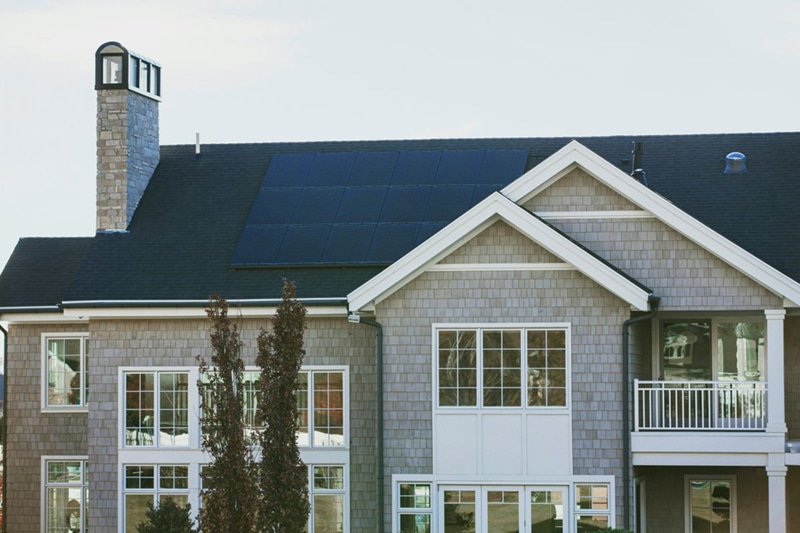
Determining the correct size and configuration of your solar system is crucial for maximizing efficiency and cost-effectiveness. Oversizing your system, if possible, is often recommended to accommodate future increases in energy consumption, such as purchasing an electric vehicle or upgrading to energy-intensive appliances. However, it’s important to note that utility companies may have restrictions on system oversizing, so this should be discussed with your installer.
When planning your solar system, consider the following steps:
- Evaluate your current and projected energy usage.
- Consult with a professional to design a system tailored to your needs.
- Factor in potential changes in energy consumption patterns.
- Understand the limitations set by local utilities on system size.
While starting with a single module and expanding later is an option, it’s more efficient to plan your full needs from the outset to avoid the need for a complete system overhaul in the future.
Remember, a well-sized solar system not only meets your current energy needs but also anticipates future changes, ensuring a sustainable and cost-effective energy solution for years to come.
Key Takeaways and Next Steps for Installing Solar Panels
Embarking on the journey of residential solar installation is a significant step towards energy independence and environmental stewardship. Throughout this guide, we’ve explored the essentials of solar technology, the importance of assessing your home’s solar potential, and the intricacies of system sizing.
As we’ve seen, the path from roof to socket involves careful planning and decision-making, but the rewards—a sustainable energy source and long-term savings—are well worth the effort. Remember, while DIY installations may seem cost-effective, they require expertise and a commitment to safety. If in doubt, always consult with a licensed solar installer.
With the right knowledge, planning, and professional support, you can confidently transition to solar energy and enjoy the benefits of a greener, more sustainable lifestyle.