



MrBeast, Mark Robers Team Up To Cleanup Ocean Pollution

Dear EarthTalk: What does the non-profit Team Seas hope to accomplish and what makes it different from other advocacy groups?
—Hannah Milton, Gresham, OR
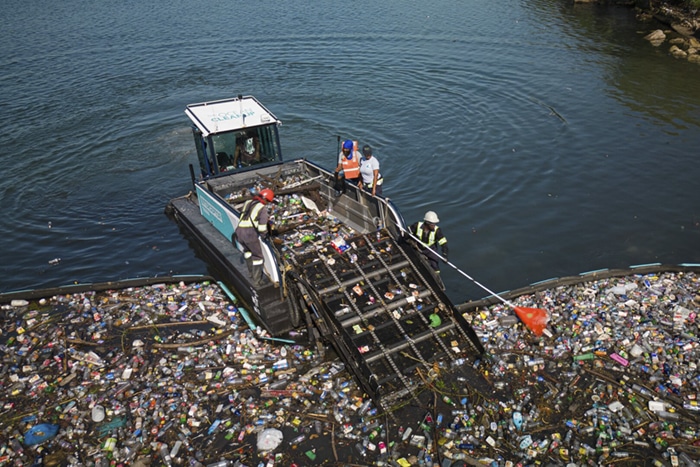
According to the Environmental Alliance, a non-profit coalition of environmental organizations and businesses, 20 billion pounds of plastic end up in the ocean each year, threatening both marine and human life. Luckily, there are individuals willing to take action. Mark Robers, a YouTuber with 71 million subscribers, and Jimmy Donaldson, known as MrBeast to his 448 million YouTube subscribers, launched Team Seas, a program dedicated to removing plastic from the ocean.
Robers and Donaldson set a goal to remove 30 million pounds of plastic from the ocean by raising $30 million. Working with the Ocean Conservancy, a leading non-profit advocacy group based in the United States, Team Seas removed 34,080,191 pounds of trash from the ocean, worked with 40,000 content creators, and received over 1.3 billion views on campaign videos. “The reach has been phenomenal, and it’s a testament both to the power of creators, as well as how much this issue resonates with people. No matter where you live in the world, you can be sure that plastic pollution is impacting you, and the ocean is ground zero for this crisis,” says Nicholas Mallos, the vice president of Ocean Conservancy’s plastic program. The money Team Seas collects goes directly towards the ocean clean ups and supports the Ocean Conservancy’s mission of preventing plastic buildup.
The rapid and widespread participation in Team Seas is closely linked to its presence across social media platforms and its distinct #TeamSeas hashtag. “#TeamSeas shows the ever-growing power of digital creators to create change,” says Matt Fitzgerald, co-founder and campaign director. “The campaign has engaged millions of young people around the world to shift culture and take action.” Team Sea’s unique twist on activism has brought environmental advocacy to adolescents’ attention and has committed them to finding a solution for such a life-long problem. “Before, to do something like this, you would need… a telethon,” says co-founder founder Mark Robers.“And ABC would have to host it.”
“You had to be really connected to make something like this happen,” Robers adds. “But with the infrastructure of [social meda], it’s a very interesting and different dynamic when … a group of people who feel passionate about a thing can get that message out and to amplify it, and then things can happen.”
The team recognizes that despite it not being a permanent solution to plastic build-up, Team Seas certainly brings a sense of awareness to a young demographic and has laid the groundwork for future social media-based activism. If you are interested in taking action, you can support Team Seas directly by going to their website or supporting the Ocean Conservancy.
CONTACTS