



Environmental Sustainability: What It Means and Why It Matters for Our Future

Environmental Sustainability: Understanding Its Meaning and Importance for Our Future
Environmental sustainability is a critical concept that refers to the responsible management of resources to ensure that ecological balance is maintained for future generations. It encompasses practices that protect the environment while promoting social equity and economic vitality. As the world faces increasing environmental challenges, understanding the principles of sustainability becomes essential for fostering a just and sustainable future. This article will explore the definition of environmental sustainability, its key principles, the major challenges it faces, and practical steps individuals and communities can take to promote sustainable practices.
What Is Environmental Sustainability and Why Does It Matter?
Environmental sustainability is defined as the ability to meet the needs of the present without compromising the ability of future generations to meet their own needs. This concept is crucial because it emphasizes the importance of maintaining ecological balance, which is vital for the health of our planet and its inhabitants. By adopting sustainable practices, we can ensure that natural resources are preserved, ecosystems are protected, and social equity is promoted. The significance of environmental sustainability lies in its potential to mitigate climate change, conserve biodiversity, and foster a healthier planet for all.
Indeed, the intricate relationship between humanity and its environment presents a significant global challenge that demands careful consideration and sustainable solutions.
Human-Environment Interactions: A Global Sustainability Challenge
It acknowledged that human–environment interactions were indeed a global challenge. It the natural environment and to study and document the scale and rate of environmental
Sustainability principles: A review and directions, P Shrivastava, 2010
How Do We Define Environmental Sustainability?
To define environmental sustainability, we must consider its core components, which include ecological health, social equity, and economic vitality. Ecological health refers to the preservation of ecosystems and biodiversity, ensuring that natural resources are used responsibly. Social equity emphasizes the fair distribution of resources and opportunities, allowing all individuals to thrive. Economic vitality focuses on creating sustainable economic systems that support both people and the planet. Together, these components form the foundation of a sustainable future.
What Are the Key Principles of Sustainable Practices?
Sustainable practices are guided by several key principles that help individuals and organizations make environmentally responsible decisions. These principles include:
- Environmental Health: Prioritizing the protection of ecosystems and natural resources to maintain ecological balance.
- Social Equity: Ensuring that all individuals have access to resources and opportunities, promoting fairness and justice.
- Economic Vitality: Supporting economic systems that are sustainable and beneficial for both people and the environment.
By adhering to these principles, we can create a more sustainable world that benefits current and future generations.
What Are the Major Environmental Challenges Impacting Sustainability?
Numerous environmental challenges hinder sustainability efforts, including habitat destruction, pollution, and climate change. These issues pose significant threats to ecosystems and human health, making it imperative to address them through sustainable practices.
Addressing these challenges requires collective action and a commitment to sustainable practices.
How Does Climate Change Affect Environmental Sustainability?
Climate change significantly impacts environmental sustainability by altering ecosystems and threatening biodiversity. Long-term climate shifts can lead to habitat loss, changes in species distribution, and increased frequency of extreme weather events. These changes not only affect natural systems but also have economic costs, as communities must adapt to new environmental realities. Understanding the relationship between climate change and sustainability is crucial for developing effective strategies to mitigate its effects.
What Is the Role of Biodiversity Loss and Pollution?
Biodiversity loss and pollution are two critical factors that undermine environmental sustainability. The decline in biodiversity reduces ecosystem resilience, making it harder for natural systems to recover from disturbances. Pollution, on the other hand, contaminates air, water, and soil, posing risks to human health and the environment. Addressing these issues is essential for maintaining ecological balance and ensuring a sustainable future.
Which Climate Change Solutions Promote Sustainable Development?
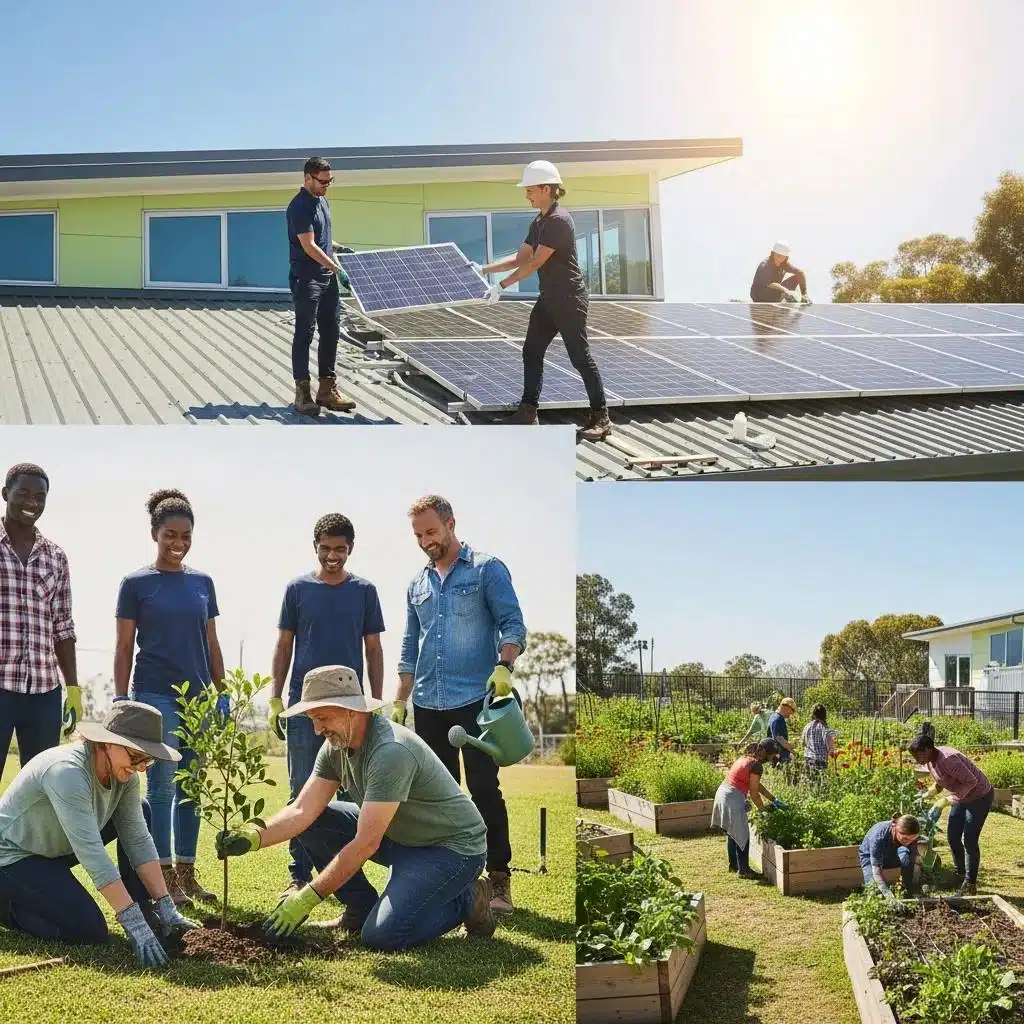
Several climate change solutions can promote sustainable development, including:
- Nature-Based Solutions: Utilizing natural processes to address environmental challenges, such as restoring wetlands to improve water quality.
- Renewable Energy Transition: Shifting from fossil fuels to renewable energy sources like solar and wind power to reduce greenhouse gas emissions.
- Community Engagement: Involving local communities in sustainability initiatives to foster ownership and commitment to environmental stewardship.
These solutions not only mitigate climate change but also support sustainable development goals.
The effectiveness of nature-based solutions in addressing environmental challenges is widely recognized, highlighting their crucial role in sustainable development.
Nature-Based Solutions for Ecosystem Protection & Sustainable Management
Nature-based solutions (NbS) involve the protection, restoration or management of natural and semi-natural ecosystems; the sustainable management of aquatic systems and working
Getting the message right on nature‐based solutions to climate change, N Seddon, 2021
How Do Renewable Energy Sources Contribute to Climate Change Mitigation?
Renewable energy sources play a vital role in mitigating climate change by reducing greenhouse gas emissions. By transitioning to clean energy, we can decrease our reliance on fossil fuels and lower our carbon footprint. The benefits of renewable energy extend beyond emissions reduction; they also promote energy security, create jobs, and stimulate economic growth. As we invest in renewable technologies, we pave the way for a more sustainable energy future.
The transition to renewable energy is indeed a cornerstone of sustainable development, offering a powerful means to combat climate change and foster a greener future.
Renewable Energy: Key to Sustainable Transitions & Climate Mitigation
Renewable energy has emerged as a linchpin in sustainable energy transitions. Its potential to reduce our reliance on fossil fuels and mitigate the impacts of climate change has
The challenges of sustainable energy transition: A focus on renewable energy, HM Saleh, 2024
What Are Examples of Green Technology Innovations?

Green technology innovations are essential for advancing sustainability efforts. Some notable examples include:
- Solar Panels: Harnessing sunlight to generate electricity, reducing reliance on fossil fuels.
- Electric Vehicles: Offering a cleaner alternative to traditional gasoline-powered cars, decreasing air pollution.
- Smart Grids: Enhancing energy efficiency by optimizing electricity distribution and consumption.
These innovations demonstrate the potential of technology to drive sustainable practices and reduce environmental impact.
How Can Environmental Impact Assessments Support Sustainable Practices?
Environmental impact assessments (EIAs) are critical tools for evaluating the potential effects of proposed projects on the environment. By identifying adverse effects and suggesting mitigation strategies, EIAs help ensure that development projects align with sustainability goals. This process promotes informed decision-making and encourages responsible resource management.
What Is the Process of Conducting an Environmental Impact Assessment?
Conducting an environmental impact assessment involves several key steps:
- Screening: Determining whether a project requires an EIA based on its potential environmental impact.
- Scoping: Identifying the key issues and concerns to be addressed in the assessment.
- Impact Analysis: Evaluating the potential environmental effects of the project and proposing mitigation measures.
- Reporting: Documenting the findings and recommendations in an EIA report.
- Review and Decision-Making: Submitting the report for public review and making informed decisions based on the assessment.
This structured approach ensures that environmental considerations are integrated into project planning and development.
How Do Assessments Influence Policy and Project Decisions?
Environmental impact assessments play a crucial role in shaping policy and project decisions by providing valuable information about potential environmental consequences. They encourage public participation and transparency, allowing stakeholders to voice their concerns and contribute to the decision-making process. By prioritizing environmental considerations, assessments help create policies that promote sustainability and protect natural resources.
What Practical Steps Can Individuals and Communities Take for Sustainability?
Individuals and communities can take several practical steps to promote sustainability, including:
- Voting for Climate-Conscious Leaders: Supporting policies that prioritize environmental protection and sustainability.
- Reducing Carbon Footprint: Adopting energy-efficient practices, such as using public transportation and reducing waste.
- Supporting Environmental Initiatives: Engaging in local conservation efforts and advocating for sustainable practices in the community.
These actions empower individuals and communities to contribute to a more sustainable future.
Which Individual Actions Reduce Ecological Footprints?
To reduce ecological footprints, individuals can implement various strategies, such as:
- Assessing Carbon Footprint: Understanding personal contributions to greenhouse gas emissions and identifying areas for improvement.
- Switching to Renewable Energy: Opting for green energy providers or installing solar panels to decrease reliance on fossil fuels.
- Practicing Reduce, Reuse, Recycle: Minimizing waste by adopting sustainable consumption habits and supporting circular economy principles.
By making conscious choices, individuals can significantly impact environmental sustainability.
How Can Communities Implement Circular Economy Principles?
Communities can implement circular economy principles by promoting recycling and reuse, engaging residents in sustainability initiatives, and designing products with sustainability in mind. Strategies include:
- Promoting Recycling Programs: Encouraging residents to participate in local recycling efforts to reduce waste.
- Community Engagement: Involving citizens in sustainability projects, such as community gardens and clean-up events.
- Sustainable Product Design: Supporting businesses that prioritize eco-friendly materials and production processes.
These efforts foster a culture of sustainability and contribute to a healthier environment for all.