



Beginner’s Guide to Zero Waste Living
Beginner’s Guide to Zero Waste Living
Zero waste living is a lifestyle choice aimed at minimizing waste and reducing environmental impact. It encourages individuals to rethink their consumption habits and adopt sustainable practices that contribute to a healthier planet. In this guide, you will learn practical tips and strategies for embracing a zero waste lifestyle, including easy swaps, composting techniques, and eco-friendly daily habits. Many people struggle with excessive waste and the overwhelming amount of plastic in their lives. By implementing zero waste principles, you can significantly reduce your ecological footprint and promote sustainability. This article will cover the fundamentals of zero waste living, easy swaps for beginners, composting basics, and daily habits that support a sustainable lifestyle.
What is zero waste living?
Zero waste living is a philosophy that encourages individuals to reduce their waste to the absolute minimum. This approach involves rethinking how we consume and dispose of products, aiming to keep materials in use for as long as possible. The primary benefit of adopting a zero waste lifestyle is the significant reduction in landfill waste, which in turn helps combat climate change and pollution. By focusing on waste prevention, individuals can contribute to a more sustainable future while also saving money and resources.
Further research delves into the core principles and societal impact of this transformative approach.
Understanding the Zero Waste Lifestyle
A zero waste strategy provides benefits to the community, changes the people’s zero waste lifestyle, to identify its dimensions, and to explore the determinants of a zero waste lifestyle
Determinants of adopting a zero waste consumer lifestyle, Z Săplăcan, 2019
Easy Zero Waste Swaps for Beginners
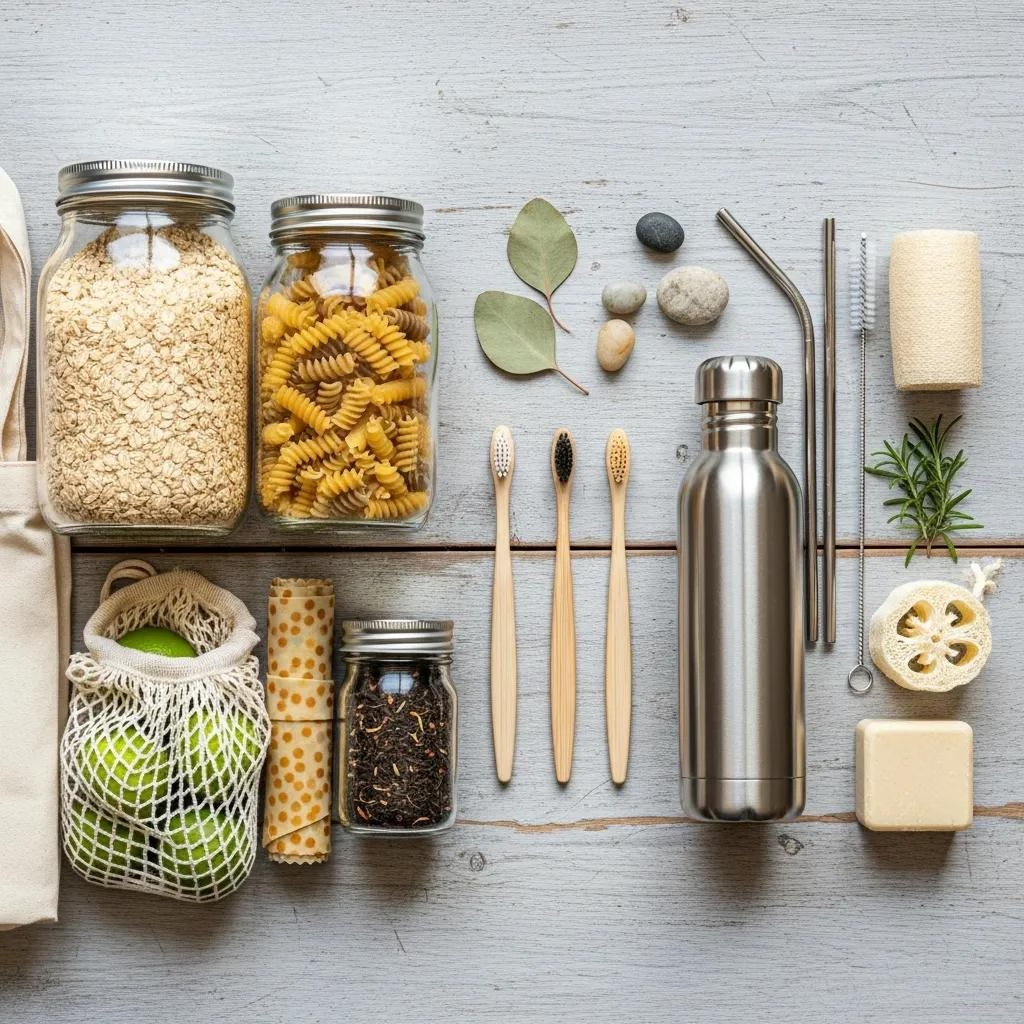
Making the transition to a zero waste lifestyle can be daunting, but small changes can lead to significant impacts. Here are some easy swaps to get you started:
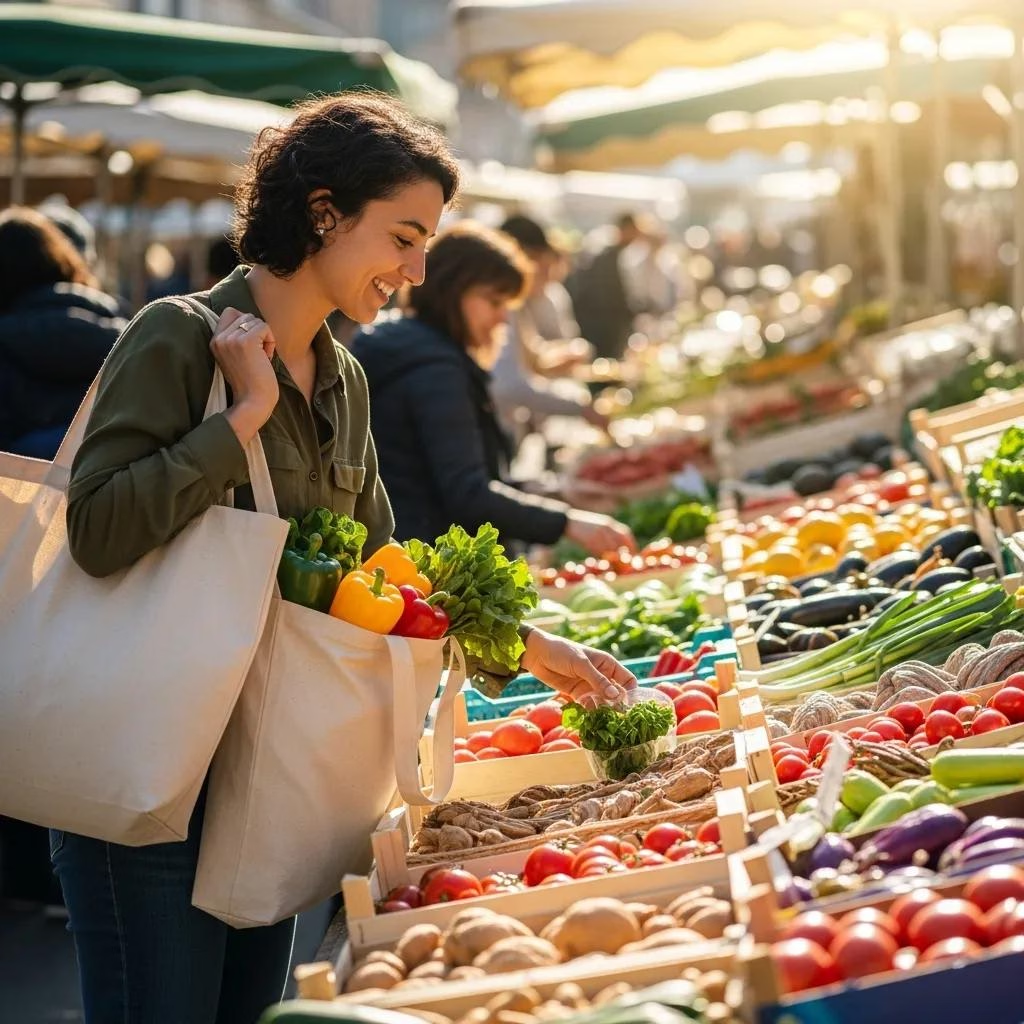
- Reusable Bags: Instead of single-use plastic bags, opt for reusable shopping bags made from cloth or other sustainable materials. This simple change can drastically reduce plastic waste.
- Bamboo Toothbrushes: Replace plastic toothbrushes with bamboo alternatives, which are biodegradable and environmentally friendly.
- Glass Containers: Use glass containers for food storage instead of plastic. They are durable, reusable, and do not leach harmful chemicals into your food.
These swaps not only help reduce waste but also promote a more sustainable lifestyle. As you become more comfortable with these changes, you can explore additional options to further minimize your waste.
Indeed, the emphasis on reusable products and mindful consumption is a cornerstone of effective waste management strategies.
Practical Steps for Plastic Waste Reduction
To reduce the burden of littered/discarded plastics, there is to buy reusable products, repair broken items, recycle, reuse
Integrated plastic waste management: environmental and improved health approaches, P Singh, 2016
Comparing Zero Waste Products
To help you make informed choices, here’s a comparison of different zero waste products and their benefits:
This table illustrates how choosing sustainable materials can lead to a significant reduction in waste and promote a healthier environment.
Composting for Beginners
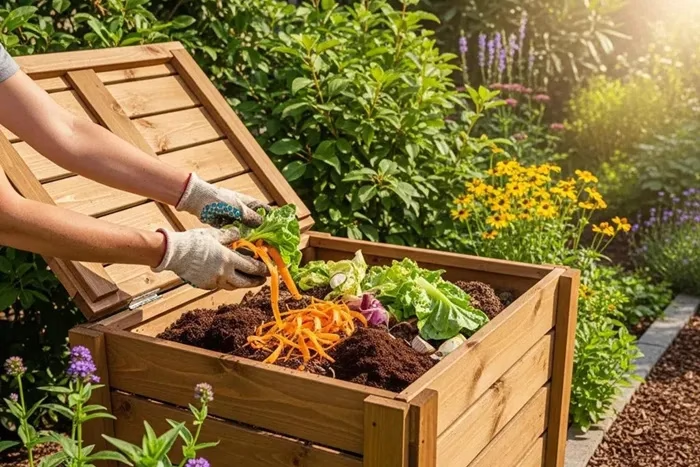
Composting is an essential practice in zero waste living, as it allows you to recycle organic waste and create nutrient-rich soil for gardening. The process involves collecting kitchen scraps, yard waste, and other biodegradable materials, which decompose over time. Here are some key benefits of composting:
- Waste Reduction: Composting diverts organic waste from landfills, significantly reducing methane emissions and overall waste.
- Soil Enrichment: Compost adds valuable nutrients to the soil, improving plant health and growth.
- Water Conservation: Healthy soil retains moisture better, reducing the need for frequent watering.
How to Start Composting
Starting a compost bin is simple and can be done in a few easy steps:
- Choose a Bin: Select a compost bin that suits your space, whether it’s a simple pile, a tumbler, or a worm bin.
- Add Materials: Include a mix of green materials (fruit and vegetable scraps, grass clippings) and brown materials (dry leaves, cardboard) for a balanced compost.
- Maintain Your Compost: Turn the compost regularly to aerate it and speed up the decomposition process.
By composting, you can significantly reduce your waste while contributing to a healthier ecosystem.
Eco-Friendly Daily Habits
Incorporating eco-friendly habits into your daily routine is crucial for maintaining a zero waste lifestyle. Here are some practical tips to help you get started:
These daily practices are part of a broader strategy for implementing zero-waste principles across various aspects of life.
Implementing Zero Waste in Everyday Life
zerowaste practices derived from family, community, business, and city levels. In addition, zero-waste implementation strategies to implement zerowaste practice in everyday life need
Zero-waste: a new sustainability paradigm for addressing the global waste problem, A Zaman, 2022
- Meal Planning: Plan your meals to minimize food waste and make efficient use of ingredients.
- Bulk Shopping: Buy in bulk to reduce packaging waste and save money. Bring your own containers to fill with grains, nuts, and other staples.
- Mindful Consumption: Before making a purchase, consider whether you truly need the item and how it will impact the environment.
These habits not only support a zero waste lifestyle but also encourage mindfulness in your consumption choices.
Summary of Eco-Friendly Habits
Adopting eco-friendly daily habits can lead to a more sustainable lifestyle. Here’s a quick summary of the habits discussed:
- Meal Planning: Reduces food waste and saves money.
- Bulk Shopping: Minimizes packaging waste and promotes sustainable choices.
- Mindful Consumption: Encourages thoughtful purchasing decisions.
By integrating these habits into your life, you can contribute to a more sustainable future and inspire others to do the same.
Conclusion
Embracing a zero waste lifestyle is a rewarding journey that benefits both you and the planet. By making simple swaps, composting, and adopting eco-friendly habits, you can significantly reduce your waste and promote sustainability. Remember, every small change counts, and together, we can create a cleaner, healthier world for future generations.