



How to Build a DIY Compost Bin at Home
How to Build a DIY Compost Bin at Home
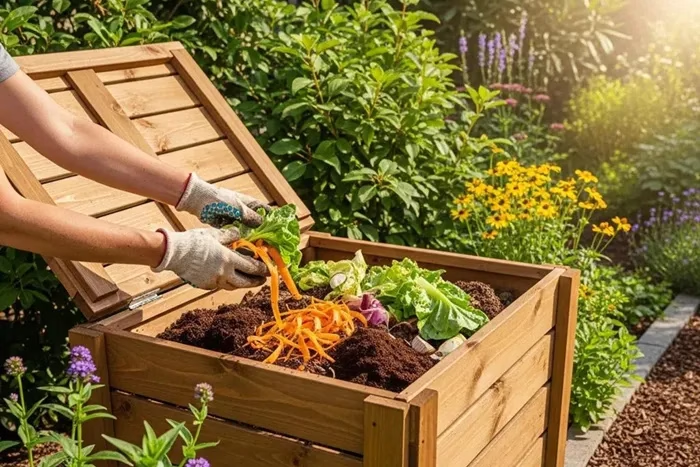
Creating a DIY compost bin at home is an excellent way to recycle organic waste while contributing to a more sustainable lifestyle. Composting not only reduces the amount of waste sent to landfills but also enriches your garden soil, promoting healthier plant growth. In this guide, you will learn how to build a compost bin, the materials and tools required, and essential maintenance tips to ensure your composting system operates efficiently. By following these steps, you can transform kitchen scraps and yard waste into nutrient-rich compost, benefiting both your garden and the environment.
This article will cover the necessary materials and tools, provide a step-by-step construction guide, discuss maintenance practices, troubleshoot common issues, and highlight the environmental benefits of composting. Whether you’re a seasoned gardener or a beginner, this guide will equip you with the knowledge to create an effective composting system at home.
Materials and Tools
To build a compost bin, you will need specific materials and tools that ensure durability and functionality. The right selection of materials can significantly impact the efficiency of your composting process.
Research further emphasizes the importance of well-designed systems for managing household organic waste effectively.
Home Compost Bin Design for Household Waste Management
Authors have developed the machine for management of waste through compost for households. The design details of compost machine are presented in this paper. Surging populations, coupled with the ever-increasing demand for sustenance, have led to the generation of behemoth proportions of wastes throughout the globe. The processing of such a considerable amount of waste has raised concerns for environmental planners, policymakers, and researchers in regard to maintaining sustainability. Biodegradable waste is a part of the total waste stream. Consideration should be given to the importance of making better use of biodegradable waste.
Design and development of compost bin for Indian kitchen, HS Lohit, 2018
- Wooden Pallets: These are often used for constructing the frame of the compost bin due to their sturdiness and availability.
- Wire Mesh: This can be used to create aeration holes, allowing for proper ventilation within the compost bin.
- Nails and Screws: Essential for assembling the bin securely.
- Hinges: If you want a lid for easy access, hinges will be necessary.
- Tools: A hammer, saw, and drill will be required for construction.
Using these materials, you can create a compost bin that is both functional and environmentally friendly. The next step is to follow a detailed construction guide to assemble your compost bin effectively.
Step-by-Step Construction
Building your compost bin involves several straightforward steps that can be completed with basic tools and materials. Here’s how to construct your DIY compost bin:
- Select a Location: Choose a dry, shady spot in your yard that is easily accessible for adding materials and turning the compost.
- Prepare the Base: Lay down wooden pallets or a similar structure to form the base of your compost bin. Ensure it is level to facilitate drainage.
- Construct the Walls: Attach wooden pallets vertically to create the walls of the bin. Use nails or screws to secure them firmly.
- Add Ventilation: Incorporate wire mesh or leave gaps between pallets to allow air circulation, which is crucial for the decomposition process.
- Create a Lid: If desired, attach a lid using hinges to keep pests out and retain moisture.
Following these steps will result in a sturdy compost bin that can handle a variety of organic materials. Once your bin is constructed, it’s essential to maintain it properly to ensure effective composting.
Studies confirm that combining different types of organic materials, such as kitchen and garden waste, significantly enhances the composting process.
Small-Scale Composting: Mixing Kitchen & Garden Waste
Kitchen waste was mixed with garden waste (bulking agent) in a ratio of 1:1 (by weight) and composted in two systems: in a pit dug in the ground and in a container. Fresh waste was supplied to the compost once a week. The composting process was monitored by measuring temperature, pH, moisture content, and C/N ratio. The results showed that the addition of green waste significantly improved the composting process of organic household waste, especially in terms of temperature and decomposition rate.
The use of green waste to overcome the difficulty in small-scale composting of organic household waste, M Neugebauer, 2017
Compost Bin Maintenance
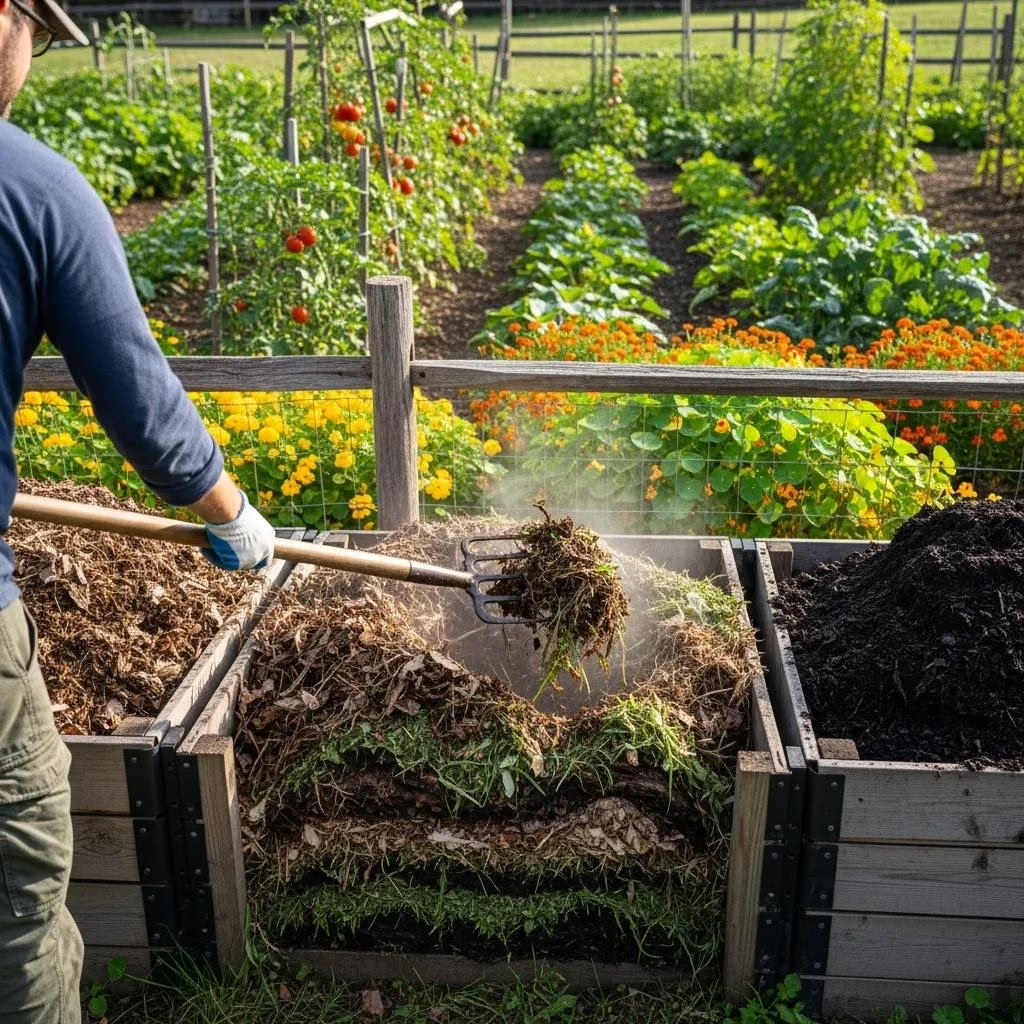
Maintaining your compost bin is vital for optimal performance and to prevent issues such as odors or pests. Regular maintenance tasks will help keep your compost healthy and productive.
- Turning the Compost: Regularly turn the compost every few weeks to aerate it, which speeds up the decomposition process.
- Moisture Control: Ensure the compost remains moist but not soggy. If it’s too dry, add water; if too wet, add dry materials like leaves or straw.
- Monitoring Temperature: A well-functioning compost bin should generate heat. If it cools down, it may need more nitrogen-rich materials like kitchen scraps.
By following these maintenance practices, you can ensure that your compost bin remains effective and odor-free. If you encounter any issues, troubleshooting common problems can help restore balance to your composting system.
The effectiveness of these maintenance strategies, particularly regarding aeration, is supported by research demonstrating improved composting performance.
Optimizing Home Compost Bins with Passive Aeration
This study investigated the performance of three types of home composting bins, each with a different design for passive aeration of household organic waste composting, in terms of temperature, moisture content, pH, and C/N ratio. The results showed that the composted materials in all bins were found to have become stable by day 56 to day 91. The composted materials in the bins with passive aeration had higher temperatures and lower moisture content than those in the bin without passive aeration.
Household organic waste composting using bins with different types of passive aeration, 2011
Troubleshooting Common Issues
Even with proper maintenance, you may face some common issues with your compost bin. Here are solutions to help you manage these problems effectively:
- Odors: If your compost bin emits a foul smell, it may be too wet or contain too many nitrogen-rich materials. Add dry materials and turn the compost to aerate it.
- Pests: If pests are attracted to your compost, ensure that you are not adding meat, dairy, or oily foods. Cover the bin and use a lid if necessary.
- Slow Decomposition: If the compost is not breaking down, it may lack aeration or moisture. Turn the compost more frequently and check moisture levels.
By addressing these common issues, you can maintain a healthy composting environment that effectively recycles organic waste. Understanding the environmental benefits of composting can further motivate you to keep your compost bin in top shape.
Environmental Benefits of Composting
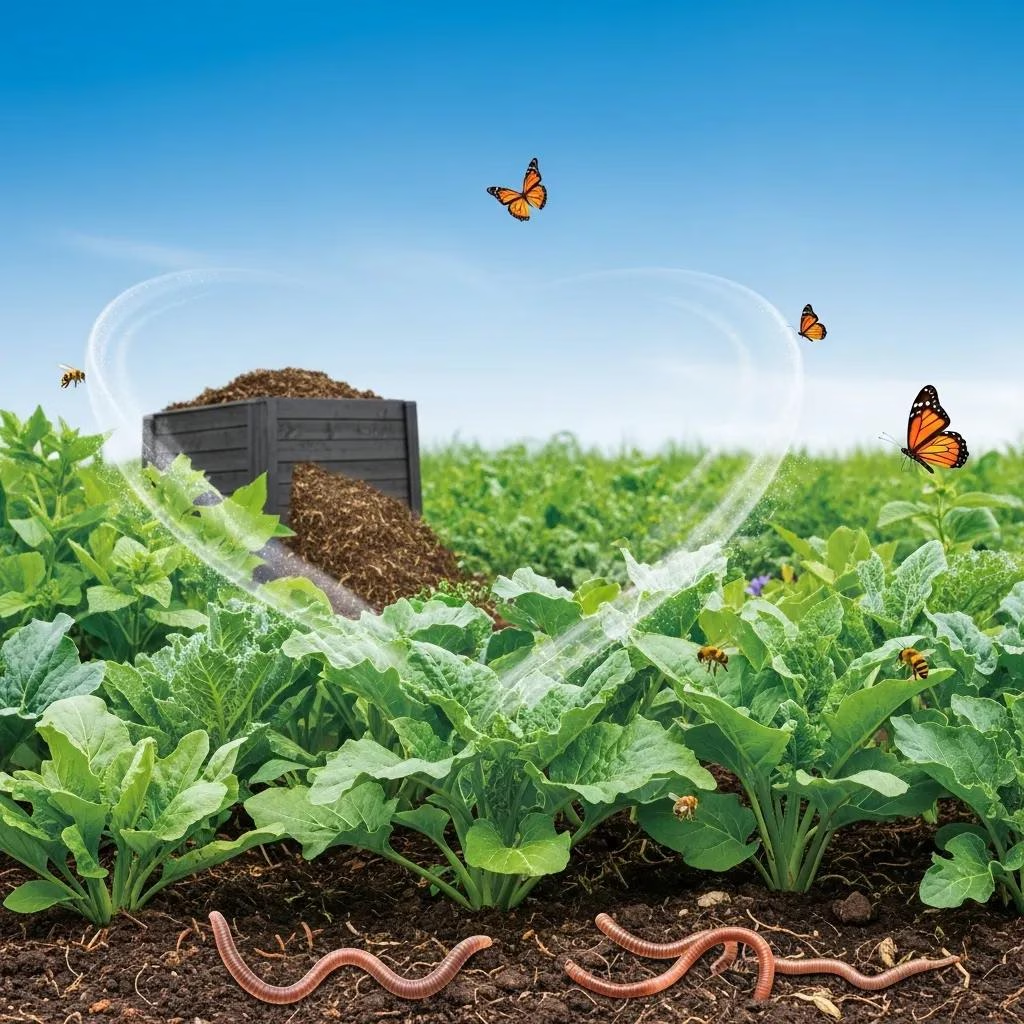
Composting offers numerous environmental benefits that contribute to sustainability and climate change mitigation. Here are some key advantages:
- Reduction of Organic Waste: Composting diverts organic materials from landfills, reducing methane emissions, a potent greenhouse gas.
- Improvement of Soil Health: The nutrient-rich compost enhances soil structure, fertility, and moisture retention, promoting healthier plant growth.
- Contribution to Climate Change Mitigation: By recycling organic waste, composting helps lower carbon footprints and supports sustainable gardening practices.
These benefits highlight the importance of composting not only for individual gardens but also for the broader environment. By building and maintaining a DIY compost bin, you play a crucial role in promoting sustainability and reducing waste.