



Renewable Energy Solutions for a Greener Future
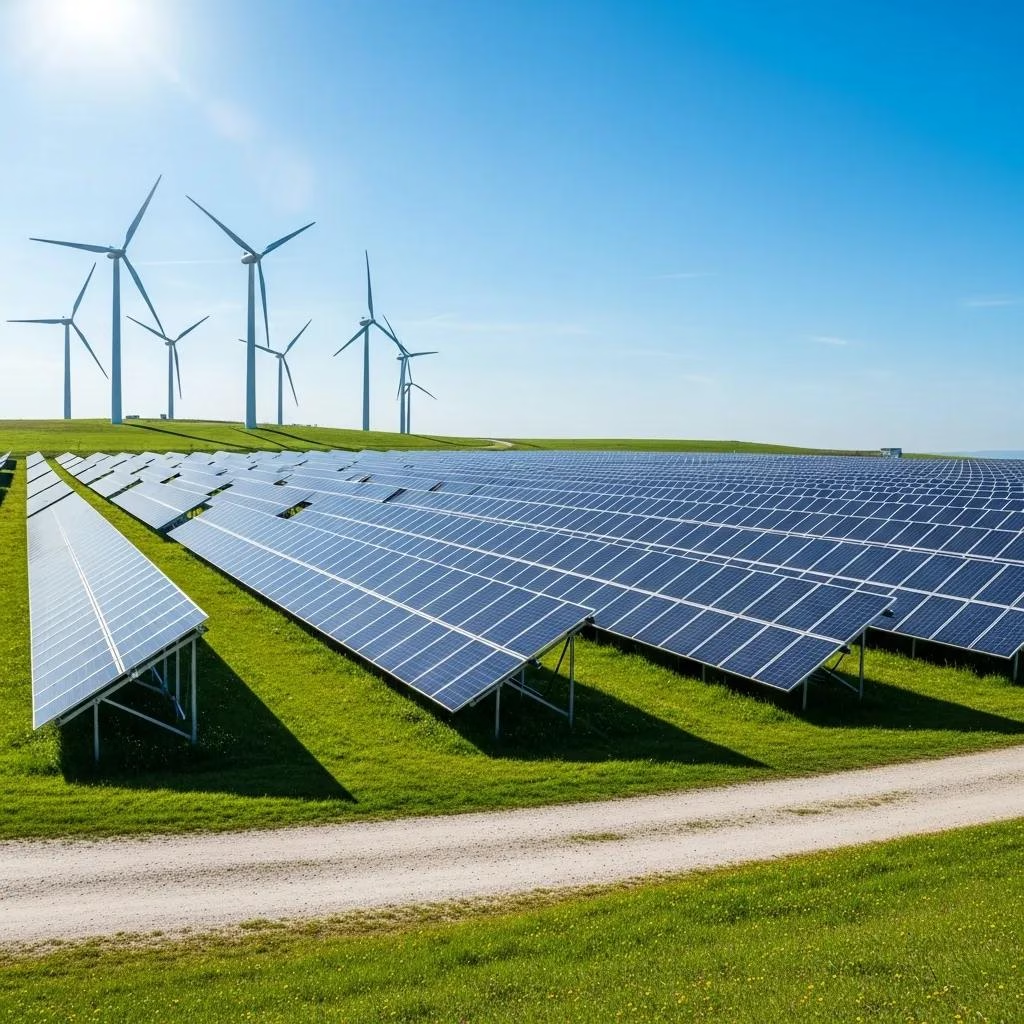
Renewable Energy Solutions for a Greener Future: A Practical Guide to Solar, Wind, and Clean Innovations
The shift toward renewable energy solutions is one of the clearest steps we can take to secure a sustainable future. As communities and policymakers respond to climate change and environmental decline, solar, wind, and other clean technologies are proving to be practical, scalable alternatives to fossil fuels. This guide explains how these solutions work and highlights innovations in energy storage and smart systems. Read on to understand how these technologies cut emissions, strengthen energy resilience, and what they mean for individuals and neighborhoods deciding whether to go renewable.
Key Takeaways
- Renewable energy solutions are essential to lowering greenhouse gas emissions and fighting climate change.
- Solar innovations — from bifacial panels to building-integrated photovoltaics — make urban energy generation more practical.
- Wind technology is evolving with larger, more efficient turbines and expanding offshore capacity to boost output and cut costs.
- Energy storage, especially advanced battery systems, is key to managing the intermittency of solar and wind.
- Wider adoption of renewables reduces carbon footprints, strengthens energy security, and supports new economic activity.
- Public policy, incentives, and international agreements remain central to accelerating the energy transition.
- Electric vehicles pair naturally with renewable systems, reducing transport emissions and enabling grid services.
- Stay informed by following industry newsletters, research updates, and relevant events to track innovation.
Comprehensive Guide on Renewable Energy Solutions for a Greener Future
Renewable energy solutions cover a range of technologies that use natural forces to produce power with lower environmental impact. They are critical for cutting greenhouse gas emissions and limiting global warming. Core sources include solar, wind, hydroelectric, geothermal, and bioenergy — each with distinct advantages and applications that together move us toward a cleaner energy system.
Innovations in Solar Energy
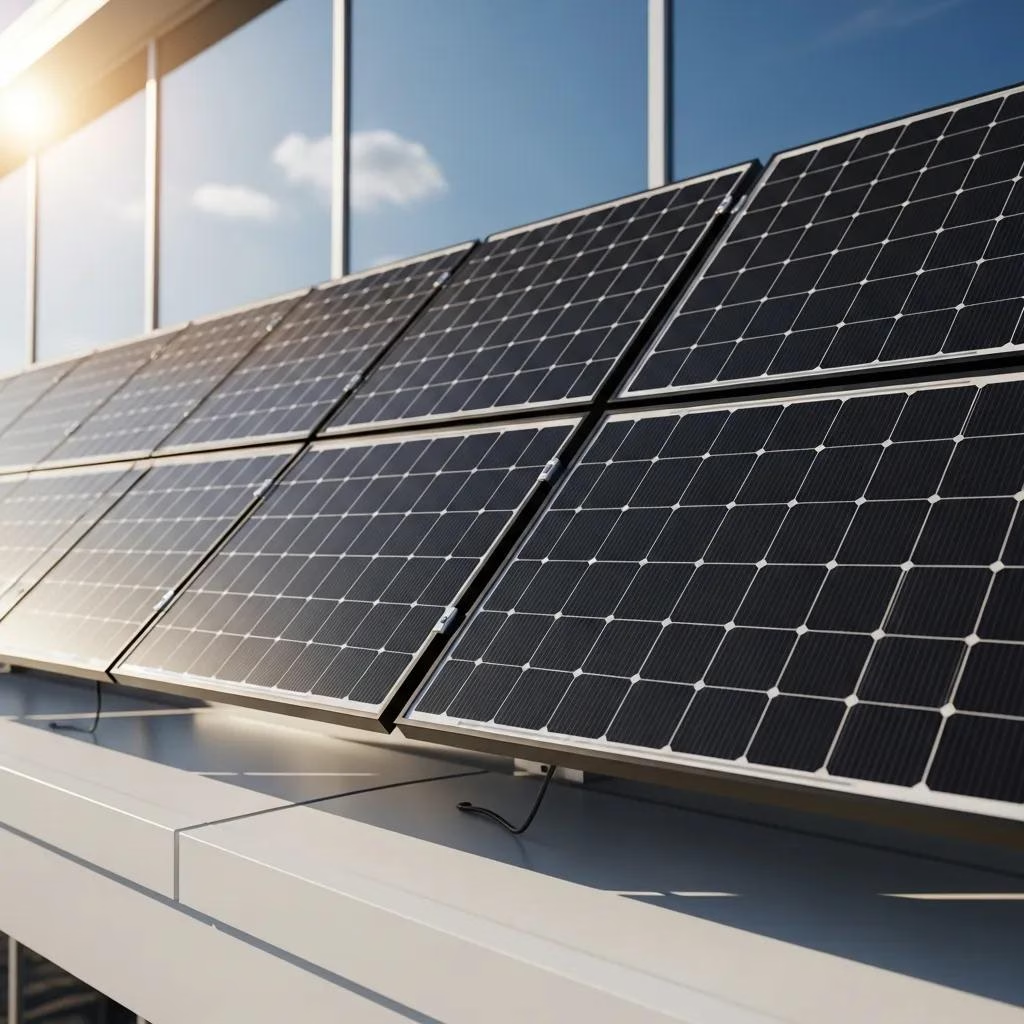
Recent progress in solar technology has pushed efficiency and lowered costs. Bifacial panels capture light from both sides, tracking systems follow the sun to boost yield, and building-integrated photovoltaics (BIPV) fold generation into urban design. These advances improve output, reduce lifecycle costs, and open new installation possibilities in dense environments.
Current research also shows promise for using artificial intelligence to optimize solar performance in tight, complex urban sites.
AI Optimization for Bifacial Solar Panels in Urban Settings
Abstract: This study examines how artificial intelligence techniques can be applied to tune bifacial solar panel arrays for better performance across complex urban landscapes.
Artificial Intelligence-Driven Optimization of Bifacial Solar Panel Performance in Complex Urban Environments, 2024
Innovations in Wind Energy
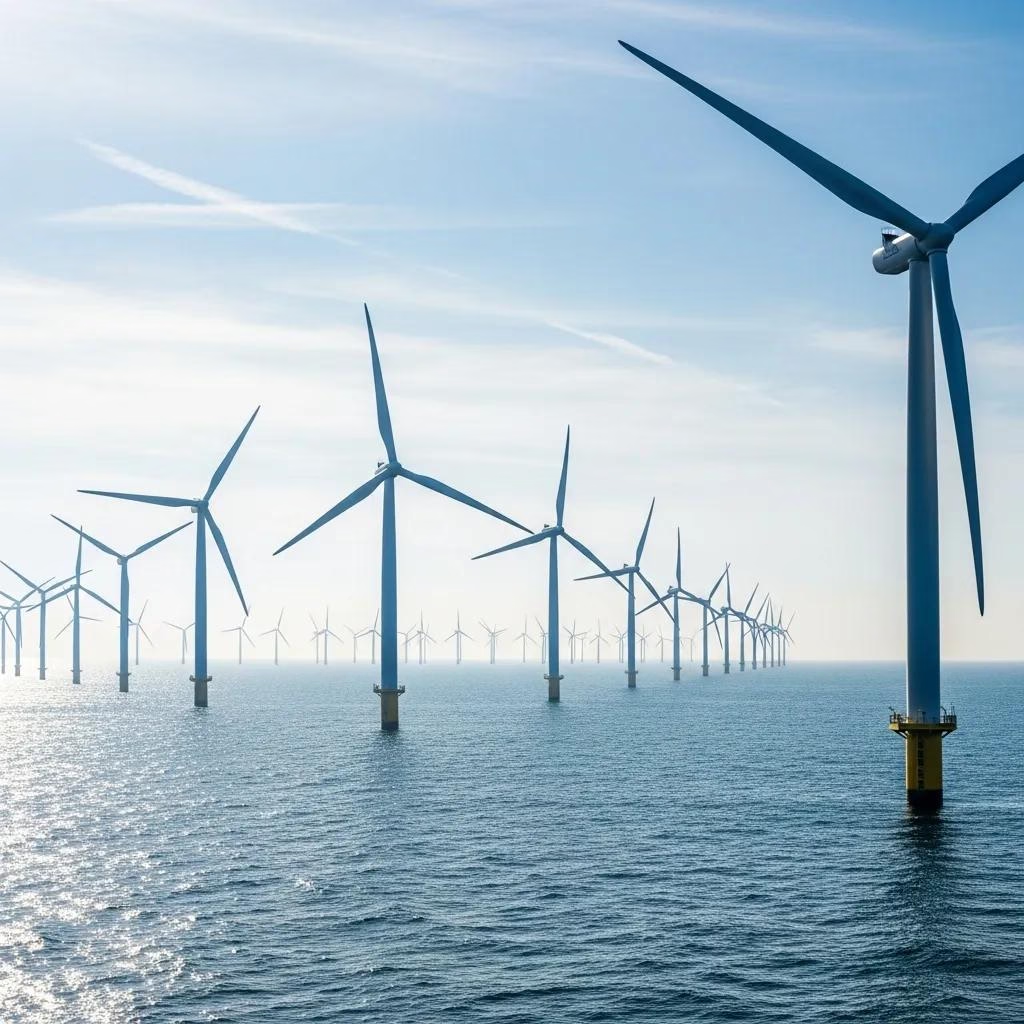
Wind power has advanced through larger rotor designs, improved materials, and smarter controls that capture energy at lower wind speeds. Offshore deployments take advantage of steadier marine winds, increasing capacity and driving down levelized costs. Together, these improvements expand where wind can be competitive and reliable.
Clean Energy Technologies
Clean energy depends on more than generation — storage and grid intelligence are equally important. Advanced battery systems store surplus power for later use, while smart grids optimize distribution and balance supply and demand. Bioenergy solutions that turn organic waste into fuel also contribute to a diversified, lower-carbon energy mix.
Potential Impact on Sustainability
Scaling renewable energy reduces dependence on fossil fuels, lowers emissions, and improves air quality. Diversifying energy sources strengthens resilience and national energy security, and the transition drives job creation across manufacturing, construction, and maintenance. Together these effects support long-term environmental and economic sustainability.
What Are the Key Types of Sustainable Energy Sources?
Sustainable energy sources are the backbone of a low-carbon future. The primary options include:
- Solar Energy : Power from sunlight using photovoltaic cells or solar thermal systems.
- Wind Energy : Electricity generated by converting wind flow into mechanical and then electrical energy via turbines.
- Hydroelectric Energy : Energy produced from moving water, often through dams or river turbines.
- Geothermal Energy : Heat drawn from the Earth’s interior for power generation and direct heating.
- Bioenergy : Fuel and electricity derived from organic materials like agricultural residues and municipal waste.
Each source offers different strengths for building a resilient, low-emission energy system.
How Does Solar Power Technology Generate Clean Energy?
Solar power converts sunlight into electricity with photovoltaic (PV) cells. When photons strike PV material, they free electrons and create an electric current without producing emissions during operation. Panel efficiency has climbed steadily — many commercial panels now exceed 20% conversion — while solar thermal setups use concentrated sunlight for heating and industrial processes.
What Are the Benefits and Applications of Wind Energy Systems?
Wind energy offers clear benefits and flexible applications:
- Environmental Impact : Wind turbines produce essentially no operational greenhouse gas emissions, cutting overall carbon output.
- Cost-Effectiveness : Falling technology and installation costs have made wind one of the most competitive sources for new generation.
- Job Creation : Wind projects create local employment in manufacturing, installation, and long-term servicing.
Wind installations range from large offshore arrays to small-scale turbines for rural or distributed applications, offering adaptability for different energy needs.
How Do Energy Storage and Battery Solutions Enhance Renewable Integration?
Energy storage smooths out the variability of solar and wind by saving surplus power during peak production and releasing it when generation dips. This stabilizes the grid and improves reliability. Modern storage — including lithium-ion and emerging chemistries — is becoming more affordable and effective, making high-renewable systems practical.
What Are the Latest Innovations in Energy Storage Technologies?
Recent storage innovations include:
- Solid-State Batteries : Higher energy density and enhanced safety compared with conventional lithium-ion cells.
- Flow Batteries : Scalable solutions ideal for long-duration, grid-scale storage.
- Compressed Air Energy Storage (CAES) : Stores energy by compressing air in geological caverns, releasing it to generate power when required.
These technologies are improving the flexibility and long-duration capability that modern grids need.
How Do Battery Systems Improve Energy Efficiency and Reliability?
Battery systems provide backup power during outages, shave peak demand, and let users shift consumption to lower-cost hours. By storing excess renewable generation, batteries reduce curtailment and help maintain a consistent supply when wind and solar output fluctuate — lowering overall system costs and improving reliability.
What Are the Environmental and Economic Benefits of Green Energy?
Green energy delivers both environmental and economic advantages, such as:
- Reduced Emissions : Switching to renewables cuts greenhouse gases and improves air quality.
- Economic Growth : The renewable sector generates jobs and stimulates local and national economies.
- Energy Independence : Domestic renewable resources reduce reliance on imported fuels and boost energy security.
Investing in green energy creates lasting benefits for communities and the climate.
How Does Renewable Energy Reduce Carbon Footprint and Pollution?
Renewables replace fossil-fuel combustion with low- or zero-emission generation. Unlike coal, oil, or natural gas plants, wind, solar, and hydro produce little to no onsite emissions, cutting pollution and delivering public health benefits. A full lifecycle view — from manufacture to disposal — helps maximize environmental gains.
What Are the Cost-Benefit Considerations for Adopting Clean Energy?
When evaluating clean energy, consider:
- Initial Investment : Upfront costs can be significant, but financing options and falling equipment prices reduce barriers.
- Incentives and Rebates : Tax credits, rebates, and other programs often offset installation expenses.
- Long-Term Savings : Lower operating costs and potential revenue from selling excess power can recoup initial spending over time.
Balancing these factors helps households and businesses make cost-effective, climate-smart choices.
How Can Sustainable Living Practices Support Renewable Energy Adoption?
Everyday habits matter: energy-efficient appliances, better insulation, and smart-home controls reduce demand and make renewables more impactful. Community efforts — like solar co-ops or local energy-efficiency programs — spread costs and benefits, building momentum for broader adoption.
What Practical Steps Can Individuals Take to Conserve Energy at Home?
Homeowners can take practical, high-impact steps to save energy:
- Upgrading to Energy-Efficient Appliances : Switching to ENERGY STAR-rated models lowers consumption and bills.
- Implementing Smart Home Technologies : Smart thermostats and lighting optimize usage and reduce waste.
- Conducting Energy Audits : Audits reveal where improvements deliver the biggest returns.
These measures complement renewable installations and reduce total energy demand.
How Do Electric Vehicles Integrate with Renewable Energy Systems?
Electric vehicles (EVs) pair naturally with renewable generation: charging from solar or wind cuts transport emissions. EVs can also support the grid through vehicle-to-grid (V2G) systems, returning stored energy during peak demand and enhancing overall system flexibility.
What Are the Current Climate Change Policies and Incentives Promoting Renewable Energy?
Policy frameworks — including renewable targets, carbon pricing, and financial incentives — accelerate renewable deployment. Governments and regulators create pathways for investment and scale-up by setting clear goals and offering support for clean-energy projects.
Which Government Rebates and Tax Credits Support Solar and Wind Installations?
A number of programs help lower installation costs:
- Federal Investment Tax Credit (ITC) : Allows eligible taxpayers to deduct a portion of solar system costs on federal tax returns.
- State-Specific Incentives : Many states add rebates, grants, or other programs to reduce out-of-pocket expenses.
- Net Metering Programs : These give system owners credit for surplus energy exported to the grid, offsetting bills.
Combining federal and local incentives often makes clean energy investments far more affordable.
How Do International Agreements Influence Renewable Energy Growth?
Global agreements shape national ambition and investment flows. Treaties like the Paris Agreement set targets that drive policy, funding, and technology sharing — encouraging countries to scale renewable deployment and adopt best practices.
How Can You Implement Renewable Energy Solutions at Home?
Implementing renewables at home typically follows a few clear steps:
- Assessing Energy Needs : Measure household consumption to size the right system.
- Researching Available Options : Compare solar, small wind, storage, and financing models to find the best fit.
- Consulting with Professionals : A qualified installer will evaluate site conditions and guide permitting and installation.
Following these steps helps homeowners design a dependable, cost-effective solution.
What Are the Step-by-Step Guides for Installing Solar Panels?
Typical steps for a solar installation include:
- Site Assessment : Identify optimal panel placement by checking sun exposure, shading, and roof condition.
- Choosing the Right System : Match panel efficiency, inverter type, and warranty to your energy goals and budget.
- Professional Installation : Certified installers ensure safe setup, code compliance, and reliable performance.
Careful planning and a trusted installer produce the best long-term results.
How Can Homeowners Choose the Right Wind Energy System?
To evaluate residential wind options, consider:
- Wind Resource Assessment : Average wind speed and turbulence determine feasibility and yield.
- System Size and Type : Choose turbines designed for your energy needs and property constraints.
- Local Regulations : Check zoning rules, permits, and noise restrictions before investing.
These assessments ensure the system you select is practical and compliant with local rules.
What Are the Latest Trends and Statistics in Renewable Energy for 2024-2026?
The renewable sector is evolving quickly. Key trends for 2024–2026 include rising installed capacity, increasing private and public investment — especially in solar and wind — and strengthening policy support that helps markets scale faster.
- Increased Capacity : Global renewable installations are set to grow driven by cost declines and technological improvements.
- Investment Growth : Capital flows into renewable projects are expected to rise, with renewed focus on storage and grid upgrades.
- Policy Support : Continued incentives and regulatory clarity will be critical to sustaining momentum.
These trends point toward a more renewable-heavy energy mix over the next few years.
How Is Solar Capacity Growing and Costs Declining Globally?
Solar capacity has expanded rapidly as module prices, manufacturing efficiency, and economies of scale drive down costs. Better supply chains and increased competition are making solar installations more affordable across residential, commercial, and utility scales.
What Are Recent Case Studies Demonstrating Successful Renewable Adoption?
Recent examples show a variety of successful approaches:
- Community Solar Projects : Local solar farms that let subscribers benefit from shared generation without installing panels on every home.
- Corporate Sustainability Initiatives : Companies buying or building renewable capacity to power operations and meet climate commitments.
- Government-Led Initiatives : Public programs that accelerate deployment through incentives, procurement, and infrastructure investment.
These cases illustrate practical pathways to scale renewables across sectors.
Where Can You Find Authoritative Resources and Updates on Renewable Energy?
Reliable sources for news and research include:
- Government Agencies : Agency websites (for example, national energy departments) publish policy updates and technical guidance.
- Industry Associations : Groups like trade associations provide market reports, standards, and industry news.
- Research Institutions : Universities and think tanks publish peer-reviewed studies and practical analyses.
Regularly consulting these sources helps individuals and organizations stay informed and make sound decisions.
Which Organizations Provide Reliable Data and Reports on Clean Energy?
Trusted organizations for clean-energy data and analysis include:
- International Energy Agency (IEA) : Comprehensive analysis of global energy markets and policy.
- National Renewable Energy Laboratory (NREL) : Research and technology assessments focused on renewable systems.
- Bloomberg New Energy Finance (BNEF) : Market forecasts and investment-focused reporting on clean energy trends.
These groups provide the datasets and reports many professionals rely on for planning and investment decisions.
How to Monitor Renewable Energy Innovations and Policy Changes?
To keep up with innovation and policy:
- Subscribing to Newsletters : Industry newsletters deliver curated updates and analysis to your inbox.
- Following Industry Leaders on Social Media : Experts and organizations share timely insights and research on platforms like LinkedIn and Twitter.
- Attending Conferences and Webinars : Events provide networking opportunities and direct access to the latest technologies and policy discussions.
A mix of these tactics gives a well-rounded view of the rapidly changing landscape.
Frequently Asked Questions
What are the main challenges in transitioning to renewable energy?
The transition faces several hurdles: technical limits in storage and grid integration, high upfront costs, and the need for substantial infrastructure upgrades. Policy and regulatory frameworks must evolve to support large-scale integration, and public education is important to overcome misinformation. Overcoming these challenges will require coordinated action from governments, industry, and communities.
How can businesses benefit from adopting renewable energy solutions?
Businesses can reduce operating costs, improve brand reputation, and meet regulatory expectations by adopting renewables. Investments in clean energy often qualify for incentives and can provide long-term price stability. In many cases, sustainability commitments also attract customers and investors focused on environmental performance.
What role do smart grids play in renewable energy integration?
Smart grids enable better integration of variable renewables through advanced monitoring, automation, and demand-response capabilities. They allow utilities to balance supply and demand in real time, improve resilience, and accommodate distributed generation from rooftop solar and local storage.
How do renewable energy solutions impact job creation?
The renewable sector creates jobs across manufacturing, construction, installation, maintenance, and R&D. As projects scale, they spur local employment and support supply chains, contributing to regional economic development.
What are the environmental impacts of renewable energy compared to fossil fuels?
Renewables generally have much lower operational emissions and a smaller environmental footprint than fossil fuels. While manufacturing and end-of-life impacts matter, the lifecycle emissions of wind, solar, and hydro are substantially lower than coal or natural gas, leading to significant climate and health benefits.
What are the future trends in renewable energy technology?
Expect continued progress in storage (including solid-state and flow batteries), more AI-driven optimization for systems, wider use of bifacial and integrated solar, growth in offshore wind, and expanded interest in hydrogen as a long-duration clean energy carrier.
How can individuals advocate for renewable energy in their communities?
Individuals can raise awareness, join local sustainability groups, support policies that enable renewables, and organize educational events. Working with neighbors on community solar projects or engaging local officials about clean-energy incentives are effective ways to build local momentum.
Conclusion
Renewable energy is central to creating a low-carbon, resilient future. By investing in solar, wind, storage, and smarter grids, communities and individuals can reduce emissions, strengthen energy security, and capture economic opportunities. Start by exploring credible resources, assessing local options, and reaching out to trusted professionals — each step moves us closer to a cleaner energy system.