



Best Sustainable Practices to Reduce Carbon Emissions
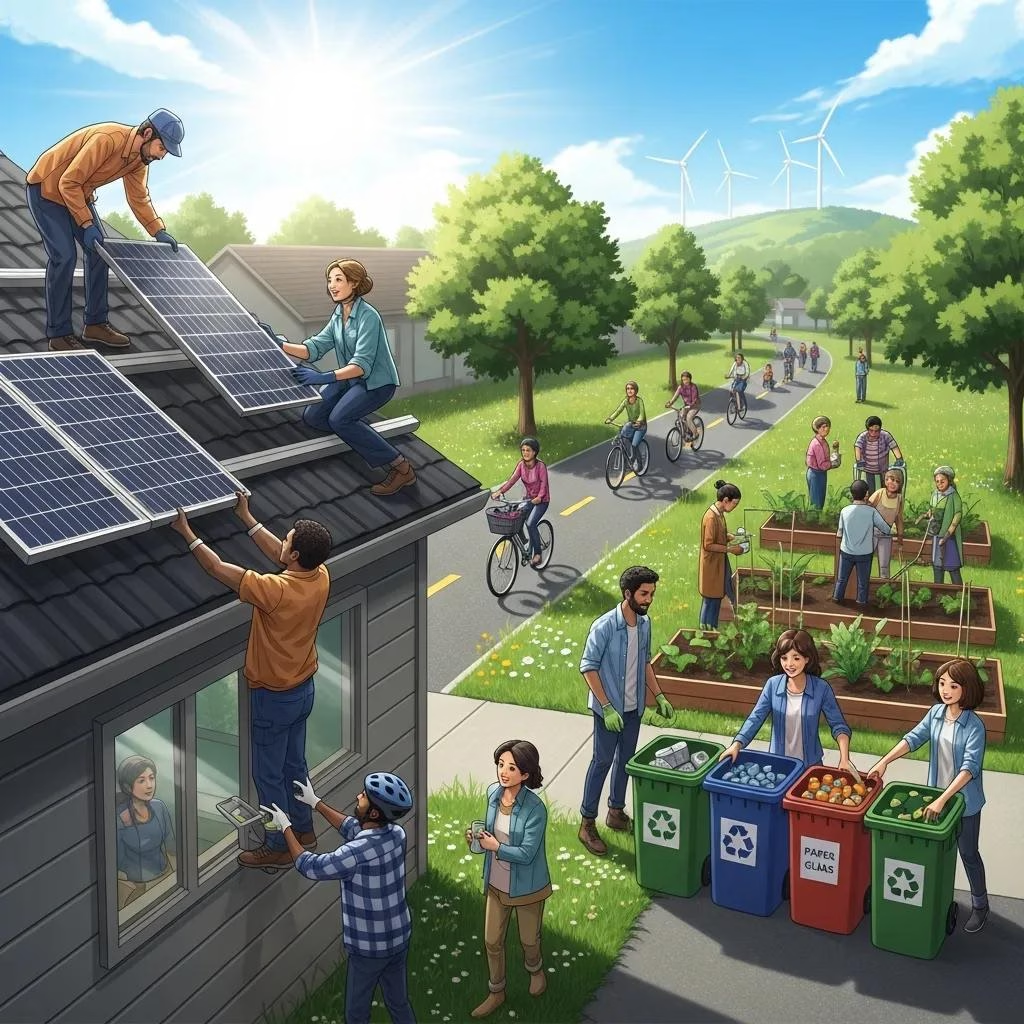
Best Sustainable Practices to Reduce Carbon Emissions
As the urgency to combat climate change intensifies, adopting sustainable practices has become essential for individuals and communities alike. This article explores effective strategies to reduce carbon emissions, focusing on actionable steps that can be implemented in daily life. Readers will learn about various sustainable practices, including renewable energy adoption, energy efficiency improvements, sustainable transportation options, waste reduction techniques, and carbon offset programs. By understanding these practices, individuals can contribute to a healthier planet while also enjoying the benefits of reduced energy costs and improved quality of life. The following sections will delve into each of these areas, providing insights and practical tips for making a positive impact.
Renewable Energy – types, benefits, adoption
Renewable energy refers to energy derived from natural sources that are replenished at a faster rate than they are consumed. This includes solar, wind, hydroelectric, and geothermal energy. The adoption of renewable energy sources significantly reduces carbon emissions by replacing fossil fuels, which are the primary contributors to greenhouse gas emissions. Transitioning to renewable energy not only mitigates climate change but also enhances energy security and creates job opportunities in the green energy sector.
Types of Renewable Energy Sources

- Solar Energy: Harnessed through solar panels, this energy source converts sunlight into electricity, providing a clean and abundant power supply.
- Wind Energy: Generated by wind turbines, wind energy is one of the fastest-growing renewable energy sources, capable of producing large amounts of electricity without emissions.
- Hydroelectric Energy: This form of energy utilizes flowing water to generate electricity, making it a reliable and efficient renewable source.
- Geothermal Energy: Tapping into the Earth’s internal heat, geothermal energy provides a consistent energy supply with minimal environmental impact.
Benefits of Adopting Renewable Energy
- Reduced Carbon Emissions: Transitioning to renewable energy sources can significantly lower greenhouse gas emissions, helping to combat climate change.
- Energy Independence: Utilizing local renewable resources reduces reliance on imported fossil fuels, enhancing national energy security.
- Job Creation: The renewable energy sector is labor-intensive, creating numerous jobs in manufacturing, installation, and maintenance.
How to Adopt Renewable Energy Solutions
- Install Solar Panels: Homeowners can invest in solar panel systems to generate their own electricity and reduce reliance on the grid.
- Support Wind Energy Projects: Communities can advocate for local wind farms or participate in community solar programs.
- Utilize Government Incentives: Many governments offer tax credits and rebates for renewable energy installations, making it more affordable for individuals to adopt these technologies.
Energy Efficiency – home improvements, appliances
Improving energy efficiency in homes is a crucial step toward reducing carbon emissions. Energy-efficient homes consume less energy for heating, cooling, and powering appliances, leading to lower utility bills and a smaller carbon footprint. By making strategic upgrades and using energy-efficient appliances, homeowners can significantly reduce their energy consumption.
Energy-efficient Appliances

- LED Lighting: Replacing incandescent bulbs with LED lights can reduce energy consumption by up to 75% to 80%.
- Energy Star Appliances: These appliances meet strict energy efficiency guidelines set by the U.S. Environmental Protection Agency, providing significant savings on energy bills.
The impact of the ENERGY STAR program extends beyond household appliances, with the U.S. Environmental Protection Agency also applying its principles to industrial sectors like water and wastewater treatment to further reduce energy consumption and greenhouse gas production.
Expanding Energy Star for Industrial Efficiency
The United States Environmental Protection Agency (EPA) has estimated that three percent of the power generated in the U.S. is used by the water and wastewater treatment industry — equating to 56 billion kilowatt hours, 4 billion dollars and 45 million tons of greenhouse gas production (U.S. Environmental Protection Agency). A nationwide decrease of energy by 10 percent in water and wastewater treatment alone would equate to over a five billion kWh savings in electrical delivery needs annually. Adding power generation, power line transmission and substation transformer losses, the savings increase significantly. To help manage energy consumption, the EPA added the ENERGY STAR® program for municipal wastewater treatment plants. This voluntary program will help a plant track its energy usage and associated costs while monitoring its carbon footprint.
Energy Star® Is Not Just for Appliances Anymore, 2009
- Smart Thermostats: These devices optimize heating and cooling schedules, ensuring energy is used only when needed.
Home Improvement Tips
- Insulation Upgrades: Proper insulation in walls, attics, and basements can prevent heat loss, reducing the need for heating and cooling.
- Energy-efficient Windows: Installing double or triple-pane windows can minimize heat transfer, improving energy efficiency.
- Seal Air Leaks: Identifying and sealing gaps around doors and windows can prevent drafts and improve overall energy efficiency.
Long-term Savings from Energy Efficiency
Investing in energy-efficient upgrades can lead to substantial long-term savings. Homeowners can expect to see a return on investment through reduced energy bills, often recouping the initial costs within a few years.
Sustainable Transportation – options and impact
Sustainable transportation encompasses various methods of travel that minimize environmental impact. By choosing sustainable transportation options, individuals can significantly reduce their carbon emissions while promoting healthier lifestyles.
Types of Sustainable Transportation
- Public Transportation: Buses, trains, and subways offer efficient alternatives to personal vehicles, reducing the number of cars on the road.
- Biking and Walking: These zero-emission modes of transport not only reduce carbon footprints but also promote physical health.
- Carpooling and Ridesharing: Sharing rides with others decreases the number of vehicles on the road, leading to lower emissions per person.
Impact on Carbon Emissions
Utilizing sustainable transportation options can lead to a significant reduction in carbon emissions. For instance, public transportation can reduce individual carbon footprints by up to 45% compared to driving alone. Additionally, biking and walking contribute to cleaner air and healthier communities.
Further emphasizing the critical role of sustainable transportation, research highlights the sector’s growing contribution to global greenhouse gas emissions and the importance of decarbonization efforts.
Decarbonizing Transportation for GHG Reduction
Transportation as an end-use energy sector serving passengers and goods has become the fastest-growing contributor to global greenhouse gas (GHG) emissions over the past decade1. The upswing in GHG emissions undoubtedly exacerbates climate change and relevant air pollution2and thus has drawn tremendous attention to decarbonizing the transportation sector3,4. The issue presents major threats and opportunities, as promoted by influential organizations, including the United Nations’ Intergovernmental Panel on Climate Change (IPCC)1, International Energy Agency (IEA)5, and the European Union6. Sustainable strategies utilized to reduce transport GHG emissions have accelerated improvements in energy efficiency and fuel economy and decelerated growth in transport activity, including reducing vehicle travel, imposing lower-emitting modes, and decreasing per-kilometer emis
Unraveling the relation between carbon emission and carbon footprint: A literature review and framework for sustainable transportation, C Ling, 2024
Waste Reduction – strategies and benefits
Waste reduction is a vital component of sustainable living, as it directly impacts carbon emissions associated with waste disposal and resource extraction. By adopting waste reduction strategies, individuals can contribute to a more sustainable future.
Recycling Tips
- Know What to Recycle: Familiarize yourself with local recycling guidelines to ensure proper disposal of materials.
- Reduce Contamination: Rinse containers before recycling to prevent contamination, which can lead to entire batches being sent to landfills.
- Compost Organic Waste: Composting food scraps and yard waste reduces landfill waste and creates nutrient-rich soil for gardening.
Composting Benefits
Composting not only diverts organic waste from landfills but also reduces methane emissions, a potent greenhouse gas. Additionally, compost enriches soil, promoting healthy plant growth and reducing the need for chemical fertilizers.
Reducing Single-use Plastics
- Use Reusable Bags: Opt for cloth or other reusable bags instead of single-use plastic bags.
- Choose Bulk Items: Purchasing items in bulk reduces packaging waste and often saves money.
- Avoid Disposable Products: Whenever possible, choose reusable alternatives to disposable items, such as water bottles and utensils.
Carbon Offsetting – programs and effectiveness
Carbon offsetting involves compensating for carbon emissions by investing in projects that reduce or remove greenhouse gases from the atmosphere. This practice can play a significant role in achieving carbon neutrality.
What is Carbon Offsetting?
Carbon offsetting allows individuals and businesses to balance their carbon emissions by funding projects that reduce emissions elsewhere. These projects can include reforestation, renewable energy development, and energy efficiency initiatives.
Types of Carbon Offset Programs
- Reforestation Projects: Planting trees to absorb CO2 from the atmosphere.
- Renewable Energy Projects: Supporting the development of wind, solar, and other renewable energy sources.
- Energy Efficiency Projects: Funding initiatives that improve energy efficiency in buildings and industries.
Effectiveness of Carbon Offsetting
While carbon offsetting is a valuable tool for mitigating climate change, it should not be seen as a substitute for reducing emissions at the source. Effective carbon offset programs can lead to significant environmental benefits, but they work best when combined with direct emission reduction strategies.
Call to action for lifestyle changes and community involvement
Individual actions can collectively lead to significant changes in carbon emissions. By adopting sustainable practices and encouraging community involvement, everyone can contribute to a healthier planet.
How Individuals Can Contribute
- Educate Yourself and Others: Stay informed about sustainability issues and share knowledge with friends and family.
- Participate in Local Initiatives: Join community clean-up events, tree planting days, or local sustainability groups.
- Advocate for Policy Changes: Support policies that promote renewable energy, energy efficiency, and waste reduction at local and national levels.
Community Initiatives
Communities can implement programs that promote sustainability, such as community gardens, recycling drives, and public transportation improvements. By working together, communities can create a more sustainable future.
Importance of Collective Action
Collective action amplifies individual efforts, leading to more significant impacts on carbon emissions. When communities unite to adopt sustainable practices, they can drive systemic change and influence broader societal shifts toward sustainability.