



Is Your Dog’s Food Bad for the Planet? The Truth About Pet Food’s Carbon Footprint

Is Your Dog’s Food Bad for the Planet? The Truth About Pet Food’s Carbon Footprint
The environmental impact of pet food is a growing concern among pet owners and environmentalists alike. As the pet industry expands, so does its carbon footprint, raising questions about sustainability and eco-friendliness. This article delves into the carbon footprint of dog food, exploring how traditional pet food production contributes to greenhouse gas emissions and what alternatives exist. Readers will learn about the environmental implications of their pet food choices and discover sustainable options that can help reduce their pets’ ecological impact. We will also examine brands leading in sustainability, the benefits of eco-friendly dog food, and practical steps for making greener choices for your furry friends.
Understanding the Carbon Footprint of Pet Food
The carbon footprint of pet food refers to the total greenhouse gas emissions produced during its production, packaging, and transportation. This footprint is significant due to the reliance on animal agriculture, which is a major contributor to greenhouse gas emissions. The production of meat and dairy for pet food generates substantial methane and carbon dioxide, exacerbating climate change. By understanding the carbon footprint associated with pet food, pet owners can make informed decisions that align with their values of sustainability and environmental stewardship.
Research further emphasizes the substantial contribution of pet food production to global greenhouse gas emissions.
Global Pet Food Carbon Footprint: CO2 Emissions Data
pet food production is associated with 56–151 Mt CO 2 equivalent emissions (1.1%−2.9% of global agricultural emissions
The global environmental paw print of pet food, P Alexander, 2020
The Role of Animal Agriculture
Animal agriculture is a leading source of greenhouse gas emissions, accounting for approximately 14.5% of global emissions. This sector includes the production of meat, dairy, and eggs, which are often key ingredients in traditional dog food. The environmental impact of raising livestock is profound, as it requires vast amounts of land, water, and feed, contributing to deforestation and habitat loss. By recognizing the role of animal agriculture in the pet food industry, consumers can better appreciate the need for sustainable alternatives.
In the United States alone, the environmental footprint of pet food consumption is remarkably substantial, rivaling a significant portion of human consumption impacts.
US Pet Food: Significant Environmental Footprint & Resource Use
In the US, dogs and cats consume about 19% ± 2% of the amount of dietary energy that humans do (203 ± 15 PJ yr-1vs. 1051 ± 9 PJ yr-1) and 33% ± 9% of the animal-derived energy (67 ± 17 PJ yr-1vs. 206 ± 2 PJ yr-1). They produce about 30% ± 13%, by mass, as much feces as Americans (5.1 ± Tg yr-1vs. 17.2 Tg yr-1), and through their diet, constitute about 25–30% of the environmental impacts from animal production in terms of the use of land, water, fossil fuel, phosphate, and biocides. Dog and cat animal product consumption is responsible for release of up to 64 ± 16 million tons
Environmental impacts of food consumption by dogs and cats, GS Okin, 2017
Alternatives to Traditional Pet Food
Sustainable pet food options are becoming increasingly available, offering alternatives that minimize environmental impact. Plant-based dog food, for instance, is formulated to provide complete nutrition while significantly reducing carbon emissions. These products often utilize ingredients like lentils, peas, and grains, which have a lower environmental footprint compared to meat-based diets. By choosing plant-based or low-carbon pet food, pet owners can contribute to a more sustainable future for the planet.
Studies consistently show that plant-based diets for dogs offer significantly lower environmental impacts compared to traditional meat-based options.
Plant-Based Dog Food: Lower Environmental Impact & GHG Emissions
Pet food production contributes substantially to global environmental pressures, driven largely by animal-derived ingredients. The current study quantified the environmental impacts of 31 commercially available dry dog foods purchased in the UK, categorised as plant-based, poultry-based, red meat-based (beef and lamb) and veterinary renal diets. Plant-based diets demonstrated the lowest impacts across all measures.
Environmental Impacts of Dry Vegan Dog Food: A Comprehensive UK Analysis, DS Gardner, 2025
Brands Leading in Sustainability
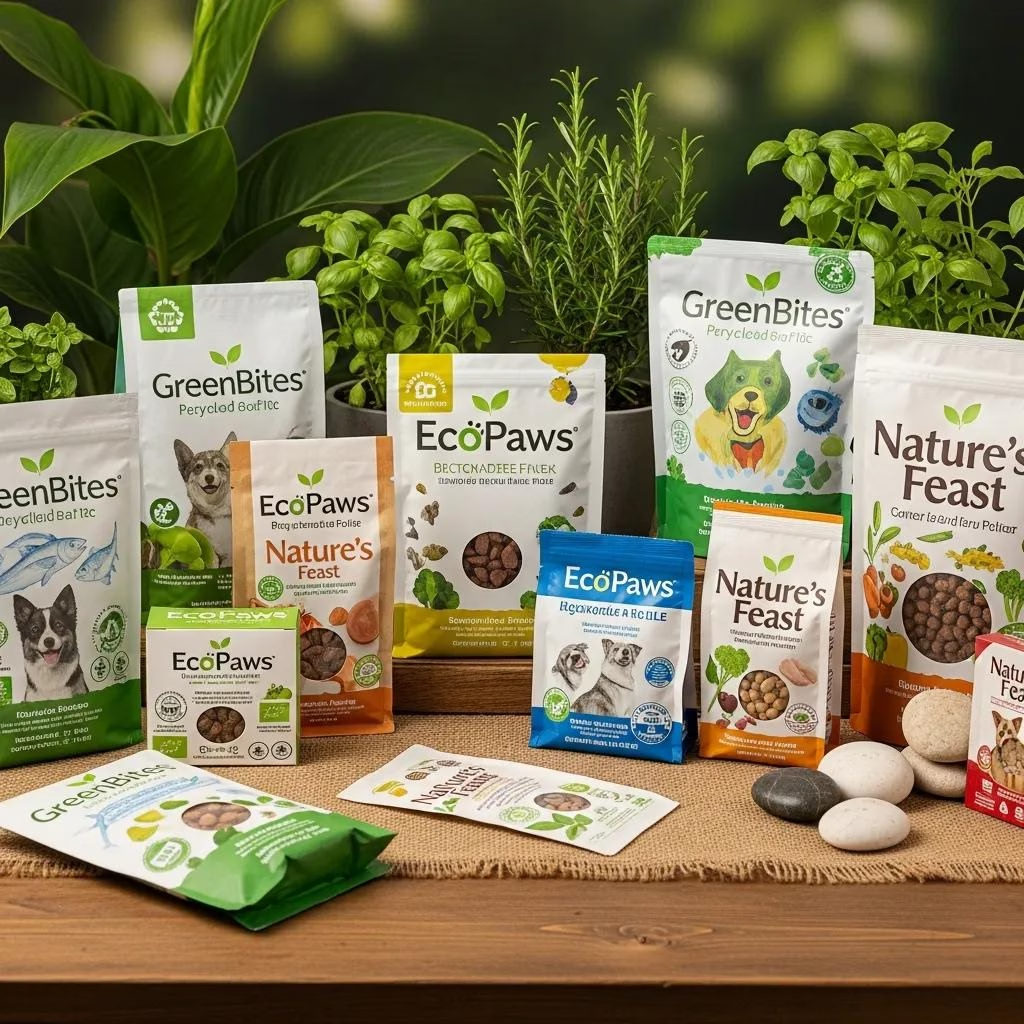
Several brands are at the forefront of sustainable pet food production, prioritizing eco-friendly practices and ingredients. These companies are committed to reducing their carbon footprint and promoting environmental responsibility. Below is a comparison of some leading brands in sustainable pet food:
These brands exemplify how the pet food industry can shift towards more sustainable practices, encouraging consumers to make environmentally conscious choices.
Eco-Friendly Dog Food Options

Eco-friendly dog food options are designed to minimize environmental impact while providing balanced nutrition. These products often feature organic ingredients, sustainable sourcing, and environmentally friendly packaging. By opting for eco-friendly dog food, pet owners can support brands that prioritize the planet’s health. Some notable options include:
- Plant-Based Formulas: These foods are made primarily from vegetables and grains, offering a lower carbon footprint.
- Organic Ingredients: Foods made with organic ingredients reduce the use of synthetic pesticides and fertilizers, promoting healthier ecosystems.
- Biodegradable Packaging: Brands that use biodegradable or recyclable packaging help reduce plastic waste in landfills.
Choosing these options not only benefits the environment but also supports a growing market for sustainable pet products.
The Benefits of Sustainable Pet Food
Sustainable pet food offers numerous benefits beyond reducing carbon emissions. These products often contain higher-quality ingredients, which can lead to better health outcomes for pets. Additionally, many sustainable brands prioritize ethical sourcing and animal welfare, ensuring that pets are fed with compassion in mind. By investing in sustainable pet food, pet owners can contribute to a healthier planet while providing their pets with nutritious meals.
How Much Carbon Does Dog Food Produce?
The carbon emissions associated with dog food can vary significantly based on its ingredients and production methods. On average, a typical meat-based dog food can produce around 1,100 kg of CO2 equivalent per year for a single dog. In contrast, plant-based dog foods can reduce this figure by up to 50%, highlighting the potential for significant environmental benefits. By understanding these figures, pet owners can make informed choices that align with their sustainability goals.
The Impact of Pet Food Choices
Pet food choices have a direct impact on the environment. By selecting products with lower carbon footprints, pet owners can help mitigate the effects of climate change. This shift not only benefits the planet but also encourages the pet food industry to adopt more sustainable practices. As consumer demand for eco-friendly options grows, brands are more likely to invest in sustainable production methods, creating a positive feedback loop for the environment.
Practical Steps for Greener Pet Care
Pet owners can take several practical steps to reduce their pets’ environmental impact. These include:
- Choosing Sustainable Brands: Research and select brands that prioritize sustainability and ethical sourcing.
- Opting for Plant-Based Diets: Consider transitioning to plant-based dog food to lower carbon emissions.
- Reducing Food Waste: Store pet food properly and avoid over-purchasing to minimize waste.
By implementing these strategies, pet owners can play an active role in promoting sustainability within the pet food industry.
Conclusion
The environmental impact of pet food is a critical issue that requires attention from pet owners and manufacturers alike. By understanding the carbon footprint associated with traditional pet food and exploring sustainable alternatives, consumers can make informed choices that benefit both their pets and the planet. As the demand for eco-friendly dog food continues to rise, the industry is poised for positive change, paving the way for a more sustainable future in pet care.