



Wind Turbine Technology: How It Works and What’s Next
Wind Turbine Technology: How It Works and What’s Next
Wind turbine technology represents a significant advancement in renewable energy, harnessing the power of wind to generate electricity. This technology operates by converting kinetic energy from wind into mechanical energy, which is then transformed into electrical energy through various components. The benefits of wind energy are manifold, including reduced greenhouse gas emissions and a sustainable energy source that can help combat climate change. In this article, we will explore the mechanics of wind turbines, the specific technologies used in offshore wind farms, recent advancements in turbine technology, the environmental impacts of wind energy, and practical ways to support wind energy initiatives.
How Wind Turbines Work
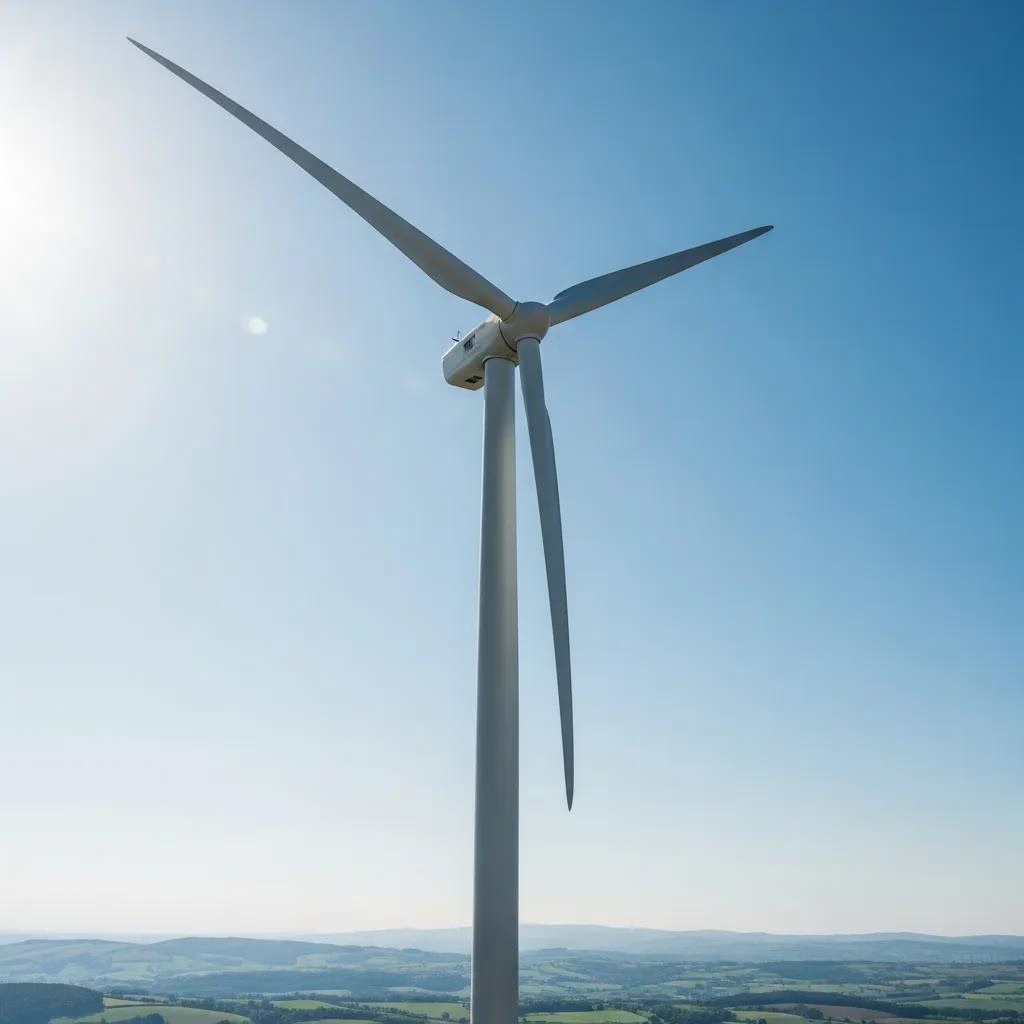
Wind turbines function by capturing wind energy through their blades, which rotate around a rotor. This rotation drives a generator that converts mechanical energy into electrical energy. The main components of a wind turbine include the rotor, nacelle, and turbine blades. The efficiency of modern turbines has improved significantly, allowing them to generate more electricity even at lower wind speeds. Understanding how these components work together is crucial for appreciating the overall efficiency and effectiveness of wind energy systems.
Components of Wind Turbines
The primary components of wind turbines include:
- Rotor Blades: These are designed to capture wind energy and convert it into rotational energy.
- Nacelle: This houses the generator and other critical components, including the gearbox and control systems.
- Tower: The structure that elevates the nacelle and rotor blades to capture wind at higher altitudes.
These components work in unison to maximize energy capture and conversion, making wind turbines a vital part of the renewable energy landscape.
How Wind is Converted to Energy
Wind energy is converted into electricity through a series of mechanical processes. As wind flows over the rotor blades, it creates lift, causing the blades to spin. This rotational motion is transferred to the generator within the nacelle, where it is converted into electrical energy. The efficiency of this conversion process is influenced by factors such as wind speed, blade design, and turbine technology.
Efficiency of Modern Turbines
Modern wind turbines are designed to operate efficiently across a range of wind conditions. Advances in technology have led to the development of larger blades and more sophisticated control systems that optimize energy capture. These improvements have resulted in turbines that can generate electricity at lower wind speeds, making wind energy a more viable option in diverse geographical locations.
Offshore Wind Turbines
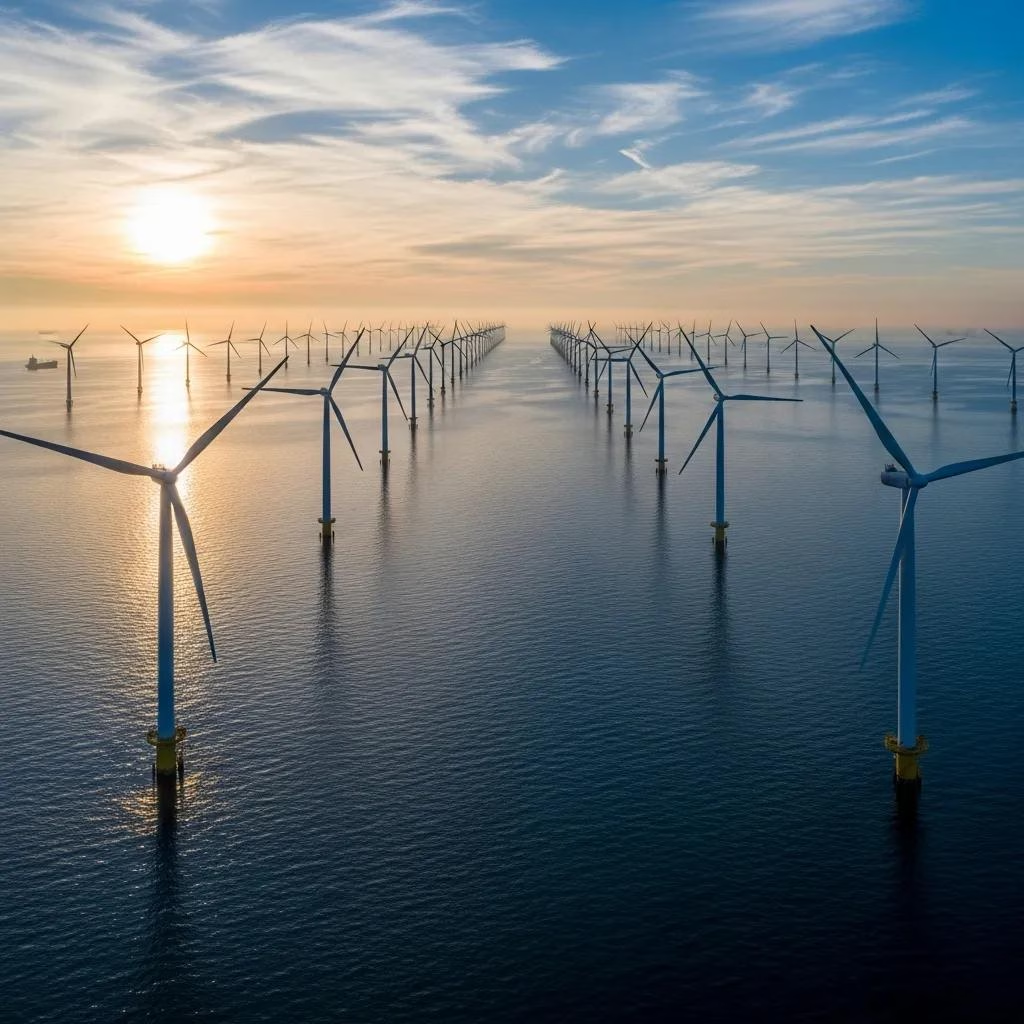
Offshore wind turbines are a growing segment of the wind energy market, offering unique advantages and challenges. These turbines are installed in bodies of water, where wind speeds are typically higher and more consistent than on land.
Advantages of Offshore Wind Energy
- Higher Wind Speeds: Offshore locations often experience stronger and more consistent winds, leading to increased energy production.
- Reduced Land Use Conflicts: Offshore installations minimize competition for land use, allowing for more extensive wind farms without impacting agricultural or residential areas.
- Environmental Benefits: Offshore wind farms can contribute to reduced carbon emissions and help mitigate climate change.
Challenges in Installation
Despite their advantages, offshore wind turbines face several challenges, including:
- Higher Costs: The installation and maintenance of offshore turbines are generally more expensive due to the complexities of marine environments.
- Logistical Issues: Transporting materials and equipment to offshore sites can be challenging and requires specialized vessels.
- Environmental Concerns: The impact on marine ecosystems must be carefully considered during the planning and installation phases.
Future Trends in Offshore Wind Technology
The future of offshore wind technology looks promising, with trends indicating a shift towards larger turbines and floating platforms. These innovations aim to increase energy output and expand the feasibility of offshore wind farms in deeper waters.
Understanding the intricate electrical systems is crucial for the successful deployment and operation of these advanced offshore wind farms.
Offshore Wind Farm Electrical System Components
Generally, the electrical system of an offshore wind farm is composed of local collection system, integration system, transmission system, and grid interface.
Optimization of the wind turbine layout and transmission system planning for a large-scale offshore windfarm by AI technology, YK Wu, 2013
Advances in Wind Turbine Technology
Recent advancements in wind turbine technology have focused on improving efficiency, durability, and energy output. Innovations include the development of floating offshore turbines, which can be deployed in deeper waters, and the integration of artificial intelligence (AI) to optimize turbine performance.
Floating Turbines
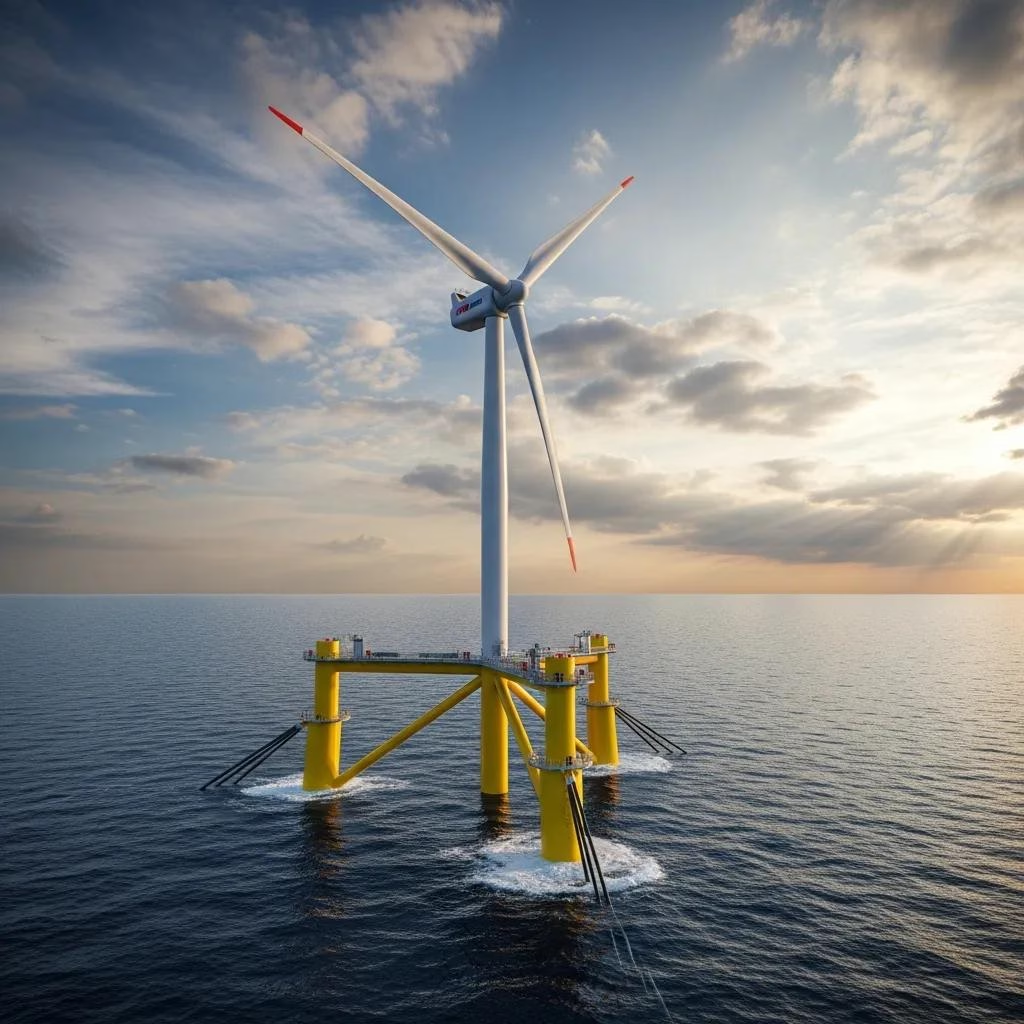
Floating offshore turbines represent a significant leap in wind energy technology. These turbines are anchored to the seabed using floating platforms, allowing them to be placed in deeper waters where wind resources are more abundant. This technology opens up new possibilities for wind energy generation.
AI Integration in Turbine Operation
Artificial intelligence is being increasingly integrated into wind turbine operations to enhance efficiency. AI systems can analyze real-time data to optimize turbine performance, predict maintenance needs, and improve energy output.
This integration of AI is further highlighted by research focusing on its broader applications in optimizing wind energy systems.
AI Innovations in Wind Energy Optimization
AI is driving innovations in wind energy optimization. From the design of offshore wind farms to the optimization of hybrid power.
AI-driven solutions in renewable energy: A review of data science applications in solar and wind energy optimization, 2023
New Materials for Turbine Construction
The use of advanced materials in turbine construction is also on the rise. Lightweight and durable materials can enhance the structural integrity of turbines while reducing costs. These innovations contribute to the overall efficiency and longevity of wind energy systems.
Environmental and Climate Impact of Wind Energy
Wind energy has a profound impact on the environment and climate, offering a cleaner alternative to fossil fuels. The transition to wind energy can significantly reduce carbon emissions and contribute to global sustainability efforts.
Reduction in Carbon Emissions
Wind energy is a renewable resource that produces no direct carbon emissions during operation. By replacing fossil fuel-based energy sources with wind power, significant reductions in greenhouse gas emissions can be achieved, contributing to climate change mitigation.
Impact on Local Ecosystems
While wind energy is generally considered environmentally friendly, it is essential to assess its impact on local ecosystems. Careful planning and monitoring can help minimize any adverse effects on wildlife and habitats.
Research further explores these environmental considerations and strategies for mitigating potential negative impacts.
Mitigating Wind Energy Environmental Impacts
environmental issues associated with wind energy development as well as strategies to mitigate environmental impacts to wind energy
Environmental issues associated with wind energy–A review, WN Xiang, 2015
Long-term Sustainability Benefits
The long-term sustainability benefits of wind energy are substantial. As technology advances and costs decrease, wind energy can play a crucial role in achieving energy independence and reducing reliance on non-renewable resources.
How to Support Wind Energy and Live Greener
Supporting wind energy initiatives is vital for promoting sustainable practices and reducing carbon footprints. Individuals and communities can take several practical steps to advocate for wind energy.
Ways to Advocate for Wind Energy
- Educate Others: Share information about the benefits of wind energy and its role in combating climate change.
- Support Local Initiatives: Get involved in local renewable energy projects and advocate for policies that promote wind energy development.
- Participate in Community Programs: Join community efforts aimed at increasing awareness and support for renewable energy sources.
Personal Actions to Reduce Carbon Footprint
- Use Renewable Energy: Opt for energy providers that offer renewable energy options, including wind power.
- Reduce Energy Consumption: Implement energy-saving practices in your home to decrease overall energy demand.
- Invest in Energy Efficiency: Consider upgrading to energy-efficient appliances and systems to lower your carbon footprint.
Community Initiatives for Renewable Energy
- Community Wind Projects: Participate in or support local wind energy projects that benefit the community.
- Advocacy Groups: Join organizations that promote renewable energy policies and initiatives at the local, state, and national levels.
- Educational Workshops: Attend or organize workshops to educate others about the importance of wind energy and sustainable practices.
Different aspects of wind energy’s impact can be compared to understand its overall benefits and challenges.
This table highlights the multifaceted impact of wind energy, emphasizing its potential to contribute positively to environmental sustainability while acknowledging the need for careful management of its ecological effects.