



Phantom Load Straining Already Maxed Out Electrical Grid
Dear EarthTalk: What does “phantom load” mean with regard to energy consumption, how big of a problem is it, and what can we do to prevent it?
—Jim C., Provo, UT
Many electronic devices consume energy even while turned off. The total sum of electricity used by devices while in standby mode or powered off is known as a phantom load, an undetected financial and environmental burdens for most households. According to the National Resources Defense Council (NRDC), phantom loads in America accumulate to a cost of $19 billion each year. Ultimately, each American household spends approximately $200 annually on phantom loads, as determined by Citizens Utility Board, a nonprofit/nonpartisan advocacy organization created by the Illinois General Assembly.
Most phantom load energy is used by devices with remote controls, indicator lights, motion sensors or timers, like a gaming system control box with a small light or a microwave with a clock. Remote-controlled systems, chargers, printers, DVR systems and kitchen appliances are likely phantom-load contributors, inflating energy bills and greenhouse gas emissions even when not powered on. According to Columbia Climate School Dean Alexis Abramson, phantom load electricity makes-up around five to 10 percent of all home energy use.
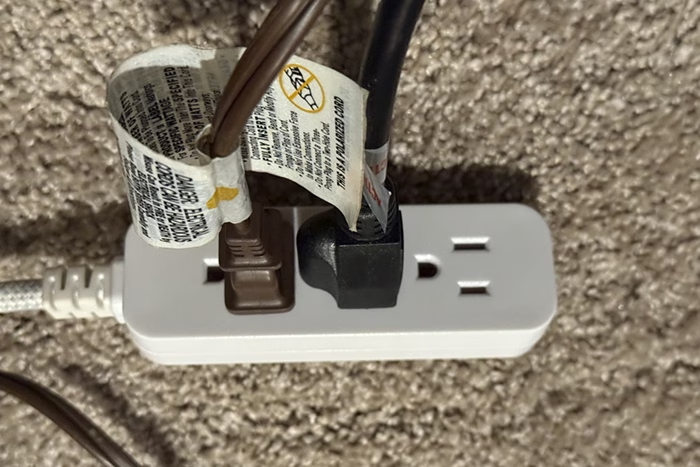
There are ways to prevent phantom loads, like unplugging electronic devices when not in use. After a computer, phone, tablet or digital watch has reached full battery, remove idle chargers from outlets. Also, households can invest in a variety of items to more easily control phantom loads. Single-switch power strips allow users to conserve energy by turning off multiple devices in one motion. Larger appliances such as microwaves, toasters and ovens contribute to a phantom load because they have timers, clocks, screens and indicator lights that keep functioning when the appliance is off. When shopping, look for Energy Star appliances, which are designed to limit phantom loads and promote energy efficiency.
Unplugging personal electronic devices is a straightforward undertaking by each individual, but it yields a large cumulative impact. Jonathan Gilligan, an environmental science professor at Vanderbilt University, explains that unplugging devices could help reduce U.S. emissions by 20 percent, which is about 450 tons of carbon dioxide. “If people see that other people are doing actions to reduce their greenhouse gas emissions, they want to do that,” says Gilligan. Unplugging unused devices and chargers or investing in an energy-efficient power strip and appliance is an effective way to lower the cost of energy bills, reduce carbon emissions, and even encourage each other to create a healthy environment.
CONTACT
EarthTalk® is produced by Roddy Scheer & Doug Moss for the 501(c)3 nonprofit EarthTalk. See more at https://emagazine.com. To donate, visit https://earthtalk.org. Send questions to: question@earthtalk.org.