



Electric Vehicles and Clean Energy: The Connection You Need to Know
Electric Vehicles and Clean Energy: Understanding Benefits, Integration, and Sustainable Solutions
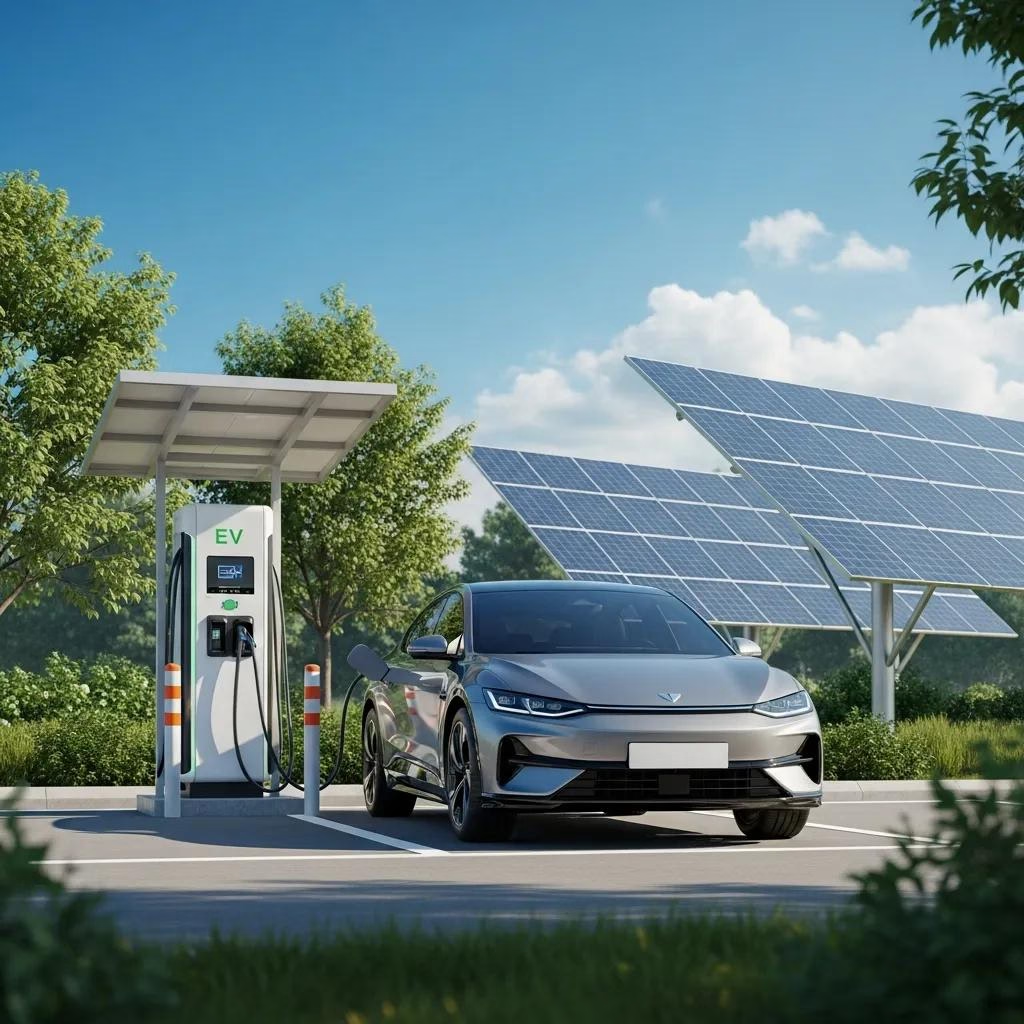
The intersection of electric vehicles (EVs) and clean energy represents a pivotal shift towards sustainable transportation and environmental stewardship. As the world grapples with climate change and the need for cleaner energy sources, understanding how electric vehicles can be powered by renewable energy is crucial. This article delves into the benefits of electric vehicles, their integration with clean energy sources, and the sustainable solutions that can pave the way for a greener future. Readers will learn about the environmental advantages of EVs, the role of renewable energy in their operation, and innovative technologies that support sustainability. By exploring these topics, we aim to highlight the importance of electric vehicles in reducing carbon emissions and promoting a sustainable lifestyle.
Benefits of Electric Vehicles
Electric vehicles offer numerous advantages that contribute to a more sustainable transportation system. One of the primary benefits is the significant reduction in carbon emissions. By utilizing electricity instead of fossil fuels, EVs can drastically lower greenhouse gas emissions, which is essential in combating climate change. Additionally, electric vehicles often have lower operating costs compared to traditional gasoline-powered cars. This is due to the lower cost of electricity relative to gasoline and reduced maintenance needs, as EVs have fewer moving parts.
Moreover, electric vehicles provide enhanced performance, including quicker acceleration and a smoother driving experience. The instant torque delivered by electric motors allows for rapid acceleration, making EVs not only environmentally friendly but also enjoyable to drive. These benefits collectively underscore the importance of transitioning to electric vehicles as a means of achieving sustainability in transportation.
Integration with Clean Energy Sources
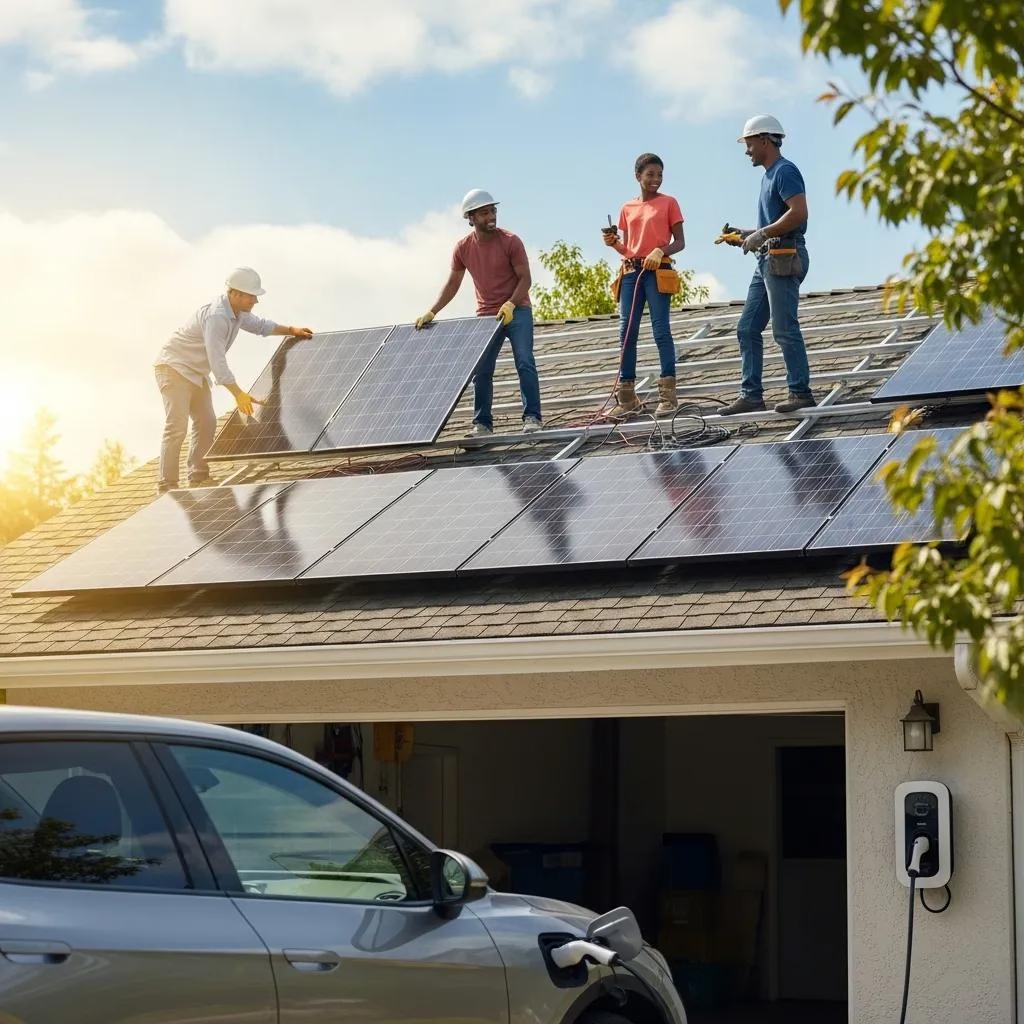
The integration of electric vehicles with clean energy sources is a critical aspect of maximizing their environmental benefits. Renewable energy sources such as solar, wind, hydropower, and geothermal energy can effectively power electric vehicles, further reducing their carbon footprint. By charging EVs with electricity generated from renewable sources, the overall emissions associated with their operation can be minimized.
Research further emphasizes the crucial role of integrating electric vehicles with renewable energy sources to achieve significant environmental benefits.
EVs, Grid, and Renewable Energy Integration
Electric vehicles (EVs) and renewable energy sources offer a promising solution to reduce greenhouse gas emissions and dependence on fossil fuels. This review examines the integration of renewable energy into existing electric grids, focusing on the interactions between EVs, the electric grid, and renewable energy integration.
Electric vehicles and the electric grid: A review of modeling approaches, Impacts, and renewable energy integration, DB Richardson, 2013
Renewable charging solutions are becoming increasingly accessible, with many EV owners opting to install solar panels at home to charge their vehicles. This not only provides a sustainable energy source but also allows for energy independence. Additionally, energy storage solutions, such as home battery systems, can store excess energy generated from renewable sources for later use, ensuring that EVs can be charged even when the sun isn’t shining or the wind isn’t blowing.
Indeed, the potential for electric vehicles to utilize a substantial portion of renewable energy is a key step towards a sustainable future.
Green Energy Charging for Electric Vehicles
One of the approaches involved is adopting green energy technology to charge electric vehicles (EVs). The US Department of Energy estimates that EVs may effectively use 60% of the total energy generated from renewable energy sources, which can be a significant step towards a sustainable future.
Renewable energy integration with electric vehicle technology: A review of the existing smart charging approaches, P Barman, 2023
How Do Solar, Wind, Hydropower, and Geothermal Energy Support EV Charging?
Solar energy is one of the most popular renewable sources for charging electric vehicles. Homeowners can install solar panels to generate electricity, which can be used to charge their EVs during the day. Wind energy also plays a significant role, especially in regions with strong wind resources, where wind turbines can generate substantial amounts of electricity for EV charging.
Hydropower, generated from flowing water, is another effective source of renewable energy. Many electric grids incorporate hydropower, providing a clean energy source for charging stations. Geothermal energy, harnessed from the Earth’s internal heat, can also contribute to the electricity supply for EVs, particularly in areas with geothermal resources.
Sustainable Solutions for a Greener Future
Innovative technologies and policies are essential for promoting sustainability in the electric vehicle sector. Government incentives, such as tax credits and rebates for purchasing electric vehicles, encourage consumers to make the switch from traditional vehicles. These incentives can significantly reduce the upfront costs associated with EV ownership, making them more accessible to a broader audience.
Infrastructure development is another critical component of supporting electric vehicles. The expansion of charging networks, including fast-charging stations along highways and in urban areas, is vital for alleviating range anxiety among potential EV buyers. Additionally, advancements in battery technology are crucial for improving the performance and sustainability of electric vehicles. New battery chemistries and recycling methods can enhance energy density, reduce costs, and minimize environmental impact.
What Are the Latest Innovations and Trends in Electric Vehicles and Clean Energy Integration?
Recent innovations in electric vehicle technology include the development of solid-state batteries, which promise higher energy densities and faster charging times compared to traditional lithium-ion batteries. These advancements can significantly enhance the practicality of electric vehicles, making them more appealing to consumers.
Furthermore, the integration of smart grid technology allows for better management of electricity demand and supply. This technology can optimize charging times for electric vehicles, ensuring that they are charged when renewable energy is most abundant. As the market for electric vehicles continues to grow, these innovations will play a crucial role in shaping a sustainable future.
Future grid modeling highlights how advanced EV charging strategies, including bi-directional charging, can significantly enhance the integration of intermittent renewable resources.
EV Charging for Renewable Energy Integration
This research models the future California electricity grid and evaluates the potential of uni-directional and bi-directional charging of plug-in electric vehicles (PEVs) to integrate intermittent renewable resources in California in the year 2030.
Modeling the future California electricity grid and renewable energy integration with electric vehicles, TE Lipman, 2030
How Does Battery Recycling Improve the Environmental Impact of EVs?

Battery recycling is an essential aspect of sustainability in the electric vehicle industry. As the number of electric vehicles on the road increases, so does the need for effective recycling methods for used batteries. Recycling can recover valuable materials such as lithium, cobalt, and nickel, which can be reused in new batteries, reducing the need for mining and minimizing environmental impact.
Innovative recycling technologies are being developed to improve recovery rates and reduce the carbon footprint associated with battery production. By implementing effective recycling programs, the electric vehicle industry can further enhance its sustainability and contribute to a circular economy.
What Are the Environmental and Climate Benefits of Combining EVs with Clean Energy?
The combination of electric vehicles and clean energy sources offers substantial environmental and climate benefits. By reducing reliance on fossil fuels, electric vehicles can significantly lower greenhouse gas emissions, contributing to cleaner air and a healthier planet. Additionally, the use of renewable energy for charging EVs helps to decrease the overall carbon footprint associated with transportation.
This synergy between electric vehicles and clean energy not only addresses climate change but also promotes energy security and independence. As more individuals and communities adopt electric vehicles powered by renewable energy, the collective impact can lead to a more sustainable and resilient energy future.
How Does Using Renewable Energy for EV Charging Reduce Carbon Footprint?
Using renewable energy for electric vehicle charging directly reduces the carbon footprint associated with transportation. When EVs are charged with electricity generated from solar, wind, or other renewable sources, the emissions that would typically result from fossil fuel combustion are eliminated. This transition to clean energy not only benefits the environment but also supports the global effort to combat climate change.
As the grid becomes increasingly powered by renewable energy, the environmental benefits of electric vehicles will continue to grow. This shift is essential for achieving long-term sustainability goals and ensuring a cleaner, healthier planet for future generations.
What Are the Latest Statistics on EV Adoption and Renewable Energy Growth?
Recent statistics indicate a significant increase in electric vehicle adoption worldwide. In 2023, global electric vehicle sales surpassed 10 million units, reflecting a growing consumer preference for sustainable transportation options. Additionally, the share of renewable energy in the global energy mix has reached approximately 30%, highlighting the progress made in transitioning to cleaner energy sources.
These trends underscore the importance of continued investment in both electric vehicle technology and renewable energy infrastructure. As more consumers embrace electric vehicles and renewable energy, the potential for reducing carbon emissions and promoting sustainability becomes increasingly achievable.
Which Government Incentives and Policies Support Electric Vehicles and Clean Energy Integration?
Governments around the world are implementing various incentives and policies to support the adoption of electric vehicles and the integration of clean energy. These initiatives include tax credits for EV purchases, grants for charging infrastructure development, and mandates for renewable energy usage in transportation.
Such policies not only encourage consumers to choose electric vehicles but also stimulate investment in renewable energy projects. By creating a supportive regulatory environment, governments can facilitate the transition to a more sustainable transportation system and promote the use of clean energy sources.
How Can Individuals Live Greener with Electric Vehicles and Clean Energy?
Individuals can adopt several practical lifestyle tips to support sustainability beyond electric vehicle ownership. For instance, utilizing public transportation, carpooling, or biking can further reduce carbon emissions. Additionally, individuals can invest in energy-efficient appliances and home improvements to decrease overall energy consumption.
Engaging in community initiatives that promote renewable energy and sustainable practices can also make a significant impact. By advocating for clean energy policies and supporting local renewable energy projects, individuals can contribute to a greener future.
What Practical Lifestyle Tips Support Sustainability Beyond EV Ownership?
- Utilize Public Transportation: Reducing reliance on personal vehicles can significantly lower carbon emissions.
- Engage in Carpooling: Sharing rides with others can decrease the number of vehicles on the road, reducing traffic congestion and emissions.
- Invest in Energy-Efficient Appliances: Upgrading to energy-efficient appliances can lower energy consumption and reduce utility bills.
- Support Local Renewable Energy Projects: Participating in community initiatives that promote renewable energy can help drive the transition to a sustainable energy future.
These lifestyle changes, combined with the adoption of electric vehicles, can create a more sustainable living environment and contribute to the fight against climate change.
Conclusion
The integration of electric vehicles and clean energy sources is essential for achieving a sustainable future. By understanding the benefits of electric vehicles, their connection to renewable energy, and the innovative solutions available, individuals and communities can make informed choices that contribute to environmental stewardship. As we move forward, the continued collaboration between technology, policy, and consumer behavior will be crucial in shaping a greener, more sustainable world.