



Corporate Sustainability Pledges: Real Progress or Greenwashing?

Corporate Sustainability Pledges: Real Progress or Greenwashing?
In recent years, corporate sustainability pledges have gained significant attention as businesses strive to demonstrate their commitment to environmental responsibility. However, the effectiveness of these pledges often raises questions about accountability and the potential for greenwashing. This article delves into the complexities of corporate sustainability, exploring the mechanisms behind these pledges, their impact on consumer trust, and the role of regulatory frameworks. Readers will learn how to discern genuine sustainability efforts from misleading claims, the importance of third-party verification, and the evolving landscape of corporate accountability. By understanding these dynamics, consumers can make informed choices that support authentic sustainability initiatives.
Understanding Accountability and Consumer Impact
Accountability in corporate sustainability is crucial for fostering consumer trust and ensuring that companies genuinely commit to their environmental promises. Measurable goals and transparent reporting are essential components that allow consumers to assess a company’s sustainability efforts. When businesses set clear, quantifiable targets, they not only enhance their credibility but also empower consumers to hold them accountable. This transparency fosters a culture of trust, encouraging consumers to support brands that align with their values. As consumers become more aware of sustainability issues, their demand for accountability will continue to shape corporate practices.
What Is Corporate Greenwashing and How Does It Affect Sustainability Claims?
Corporate greenwashing refers to the practice of companies misleading consumers about their environmental efforts. This can manifest through vague marketing language, exaggerated claims, or highlighting minor sustainable practices while obscuring more significant environmental impacts. Greenwashing undermines genuine sustainability initiatives and can erode consumer trust. When companies engage in greenwashing, they risk backlash from informed consumers who seek authenticity in corporate sustainability claims. Understanding the implications of greenwashing is vital for consumers who want to support businesses that are genuinely committed to environmental responsibility.
Further research underscores the multifaceted nature of greenwashing, examining its theoretical foundations and practical implications for corporate governance and stakeholder trust.
Greenwashing Research: Regulations, Trust & Accountability
This study provides a comprehensive overview of greenwashing research in business and management, focusing on its conceptual and theoretical foundations. Through a systematic literature review of 97 peer-reviewed articles from Scopus and Web of Science, we use bibliometric analysis to map the evolution of greenwashing studies and network analysis and identify four thematic clusters: (1) symbolic management and CSR communication, (2) environmental regulations and institutional complexity, (3) performance and sustainable practices, and (4) marketing, perception, and trust. This study has practical implications for understanding how greenwashing affects corporate governance, financial performance, and stakeholder trust, providing insights for enhancing transparency and accountability in sustainable business practices.
Mapping the greenwashing research landscape: a theoretical and field analysis, C Forliano, 2025
How Do Companies Use Greenwashing to Mislead Consumers?
Companies often employ various tactics to mislead consumers regarding their sustainability efforts. Common greenwashing strategies include:
- Vague Language: Using terms like “eco-friendly” or “green” without clear definitions can create a false impression of sustainability.
- Highlighting Isolated Attributes: Focusing on a single positive aspect of a product while ignoring its overall environmental impact can mislead consumers.
- Obscuring Corporate Responsibility: Companies may promote minor sustainable initiatives while downplaying more significant environmental issues related to their operations.
These tactics can significantly impact consumer perception, leading to confusion and skepticism about corporate sustainability claims.
What Are Common Examples of Greenwashing in Corporate Sustainability?
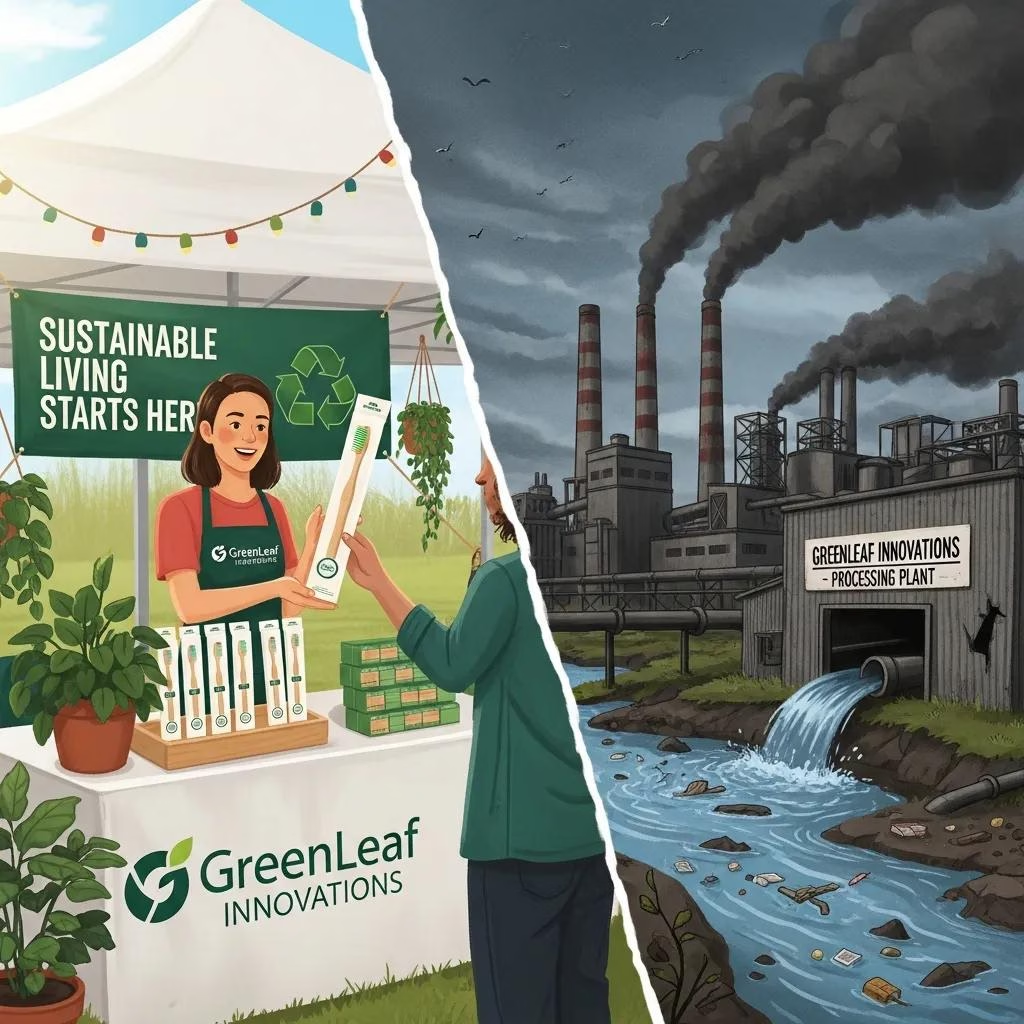
Several notable examples illustrate common greenwashing practices in corporate sustainability:
- Faux Environmental Initiatives: Some companies launch marketing campaigns around minor eco-friendly practices, such as using recycled materials in packaging, while their overall operations remain harmful to the environment.
- Misleading Certifications: Companies may display certifications that sound impressive but lack rigorous standards or independent verification.
- False Claims of Carbon Neutrality: Some businesses claim to be carbon neutral without providing transparent methodologies or third-party verification, leading consumers to question the authenticity of their claims.
These examples highlight the need for consumers to critically evaluate corporate sustainability pledges and seek transparency in reporting.
Which Sustainability Reporting Standards Ensure Corporate Accountability?
Sustainability reporting standards play a vital role in ensuring corporate accountability. Key frameworks include:
- Global Reporting Initiative (GRI): GRI provides a comprehensive framework for organizations to report on their sustainability performance, promoting transparency and comparability.
- Carbon Disclosure Project (CDP): CDP encourages companies to disclose their environmental impacts and strategies for reducing carbon emissions, fostering accountability in climate action.
By adhering to these standards, companies can enhance their credibility and demonstrate a genuine commitment to sustainability.
How Do Regulatory Rules Like SEC Climate Disclosure Impact Corporate Reporting?
Regulatory rules, such as the SEC’s climate disclosure requirements, significantly impact corporate sustainability reporting. These regulations mandate that companies disclose material risks related to climate change, promoting transparency and accountability. As a result, businesses are compelled to provide accurate information about their environmental practices, which can enhance consumer trust. The growing demand for transparency in corporate reporting reflects a shift towards greater accountability in sustainability efforts.
How Can Consumers Identify Genuine Corporate Climate Action Initiatives?
Consumers can identify genuine corporate climate action initiatives by looking for specific indicators, including:
- Independent Verification: Companies that undergo third-party audits or certifications demonstrate a commitment to transparency and accountability.
- Clear Metrics and Goals: Genuine initiatives provide measurable targets and progress reports, allowing consumers to assess their effectiveness.
- Transparency in Reporting: Companies that openly share their sustainability practices and challenges are more likely to be trustworthy.
By recognizing these signs, consumers can make informed choices and support businesses that prioritize authentic sustainability efforts.
What Are the Signs of Verified Sustainability Pledges?
Verified sustainability pledges exhibit several key characteristics that indicate their authenticity:
- Independent Verification: Third-party audits or certifications lend credibility to a company’s sustainability claims.
- Specific and Measurable Goals: Clear targets for reducing environmental impact demonstrate a serious commitment to sustainability.
- Regular Reporting: Companies that consistently report on their progress and challenges show transparency and accountability.
These signs help consumers distinguish between genuine sustainability efforts and potential greenwashing.
Which Third-Party Auditors and Environmental Watchdogs Evaluate Corporate Claims?

Third-party auditors and environmental watchdogs play a crucial role in evaluating corporate sustainability claims. Key organizations include:
- Environmental Protection Agency (EPA): The EPA oversees compliance with environmental regulations and provides resources for companies to improve their sustainability practices.
- B Corporation: B Corp certification assesses a company’s social and environmental performance, ensuring accountability and transparency.
These organizations help ensure that corporate sustainability claims are credible and backed by rigorous evaluation.
What Are Effective Consumer Actions to Support Real Sustainability Efforts?
Consumers can take several effective actions to support genuine sustainability efforts:
- Researching Brands: Investigate a company’s sustainability practices and commitments before making a purchase.
- Scrutinizing Product Labels: Look for certifications and clear information about a product’s environmental impact.
- Engaging with Companies: Reach out to brands to ask about their sustainability initiatives and practices, promoting transparency.
By actively supporting companies that prioritize genuine sustainability, consumers can drive positive change in corporate practices.
How Can Consumers Use Greenwashing Detection Methods in Daily Choices?
Consumers can employ various methods to detect greenwashing in their daily choices:
- Researching Brands: Investigate a company’s sustainability claims and practices through independent sources.
- Asking Critical Questions: Inquire about the specifics of a company’s sustainability initiatives and seek transparency in their reporting.
- Developing Skepticism: Be cautious of vague claims and marketing language that lacks clear definitions or evidence.
By adopting these methods, consumers can make informed choices and support businesses that genuinely prioritize sustainability.
Studies further reveal the subtle ways consumers can be misled by greenwashing, emphasizing the critical need for robust regulatory oversight in consumer markets.
Consumer Greenwashing Detection & Regulatory Needs
While there exists recent research about greenwashing in the context of branding and product packaging as well as advertising, we investigated greenwashing detection depending on the cues colour and price of the product itself. Concluding, consumers got “successfully” greenwashed by just a bio-typical product colour and a high price what highlights the importance of stronger political regulations in the B2C sales market.
Detecting greenwashing! The influence of product colour and product price on consumers’ detection accuracy of faked bio-fashion, MA Reinhard, 2023
What Role Does Consumer Demand Play in Driving Corporate Environmental Responsibility?
Consumer demand plays a pivotal role in driving corporate environmental responsibility. As consumers increasingly prioritize sustainability in their purchasing decisions, companies are compelled to adapt their practices to meet these expectations. This shift in consumer preferences encourages businesses to invest in sustainable practices, leading to a more environmentally responsible marketplace. The long-term implications of this trend suggest that consumer demand will continue to shape corporate sustainability efforts.
What Is the Current Regulatory Landscape Against Greenwashing?
The regulatory landscape addressing greenwashing is evolving, with increasing scrutiny on corporate sustainability claims. Key developments include:
- Stricter Advertising Regulations: Governments are implementing regulations to prevent misleading environmental claims in advertising.
- Enhanced Disclosure Requirements: Companies are being required to provide more detailed information about their sustainability practices and impacts.
These regulatory changes aim to promote transparency and accountability in corporate sustainability, helping consumers make informed choices.
International bodies and regulatory frameworks are increasingly focusing on curbing greenwashing to protect investors and maintain market integrity, highlighting the need for harmonized enforcement.
Curbing Greenwashing: Regulatory Frameworks & Investor Trust
This article examines the December 2023 report by the International Organisation of Securities Commissions (IOSCO) titled “Supervisory Practices to Address Greenwashing,” alongside the European Union’s regulatory framework aimed at curbing greenwashing in sustainable finance disclosures. Greenwashing—defined as the misrepresentation of sustainability credentials to attract investors—poses significant threats to investor protection and market integrity, potentially leading to a loss of trust in financial providers. This article argues for greater international harmonization, proportionate regulation, and effective enforcement of oversight mechanisms to preserve the credibility of sustainable finance.
Strategic initiatives to address greenwashing, CP Buttigieg, 2024
Which Laws and Enforcement Mechanisms Target False Sustainability Claims?
Several laws and enforcement mechanisms target false sustainability claims, including:
- Consumer Protection Laws: These laws prohibit misleading advertising and require companies to substantiate their claims.
- Regulatory Agency Oversight: Agencies like the Federal Trade Commission (FTC) monitor corporate advertising practices to ensure compliance with truth-in-advertising standards.
These mechanisms help protect consumers from deceptive practices and promote accountability in corporate sustainability claims.
How Are Recent Regulatory Changes Shaping Corporate Climate Accountability?
Recent regulatory changes are significantly shaping corporate climate accountability by increasing transparency and requiring companies to disclose their environmental impacts. These changes encourage businesses to adopt more sustainable practices and hold them accountable for their claims. As regulations evolve, companies must adapt to meet new standards, fostering a culture of accountability in corporate sustainability efforts.
What Do Recent Case Studies Reveal About Corporate Sustainability Effectiveness?
Recent case studies provide valuable insights into the effectiveness of corporate sustainability initiatives. For example, companies that have implemented comprehensive sustainability strategies often report significant reductions in their environmental impact and improved consumer trust. These case studies highlight the importance of transparency, measurable goals, and third-party verification in achieving genuine sustainability outcomes.
Which 2025-2026 Examples Highlight Real Progress Versus Greenwashing?
Examples from 2025-2026 illustrate the distinction between real progress and greenwashing in corporate sustainability:
- Genuine Progress: A major retailer successfully reduced its carbon footprint by 30% through renewable energy investments and sustainable sourcing practices.
- Greenwashing Example: A beverage company claimed to be “carbon neutral” without providing transparent methodologies or third-party verification, raising skepticism among consumers.
These examples underscore the importance of critical evaluation in assessing corporate sustainability claims.
What Do Latest Statistics Say About Third-Party Verification and Consumer Trust?
Recent statistics indicate a strong correlation between third-party verification and consumer trust in corporate sustainability claims. Studies show that companies with verified sustainability practices experience higher levels of consumer confidence and loyalty. This trend highlights the importance of transparency and accountability in fostering trust between businesses and consumers.
How Do Corporate Ethics and Transparency Influence Sustainability Reporting?
Corporate ethics and transparency are fundamental to effective sustainability reporting. Companies that prioritize ethical practices and open communication are more likely to produce credible sustainability reports. This transparency not only enhances consumer trust but also encourages businesses to adopt more sustainable practices. By fostering a culture of ethics and accountability, companies can improve their sustainability outcomes and strengthen their relationships with stakeholders.
What Is the Importance of Credibility Scores and Verified Claims?
Credibility scores and verified claims play a crucial role in consumer decision-making regarding sustainability. High credibility scores indicate that a company’s sustainability practices have been rigorously evaluated and verified, enhancing consumer trust. Conversely, vague or unverified claims can lead to skepticism and distrust among consumers. As a result, businesses must prioritize transparency and accountability in their sustainability efforts to build and maintain consumer confidence.
How Do Companies Communicate Environmental Responsibility to Stakeholders?
Companies communicate their environmental responsibility to stakeholders through various channels, including sustainability reports, marketing materials, and public statements. Clear communication of sustainability initiatives and progress is essential for building trust and accountability. Engaging with stakeholders and providing transparent information about environmental practices can enhance a company’s reputation and foster positive relationships with consumers.