

Effective Natural Pest Control: Safe Methods for Your Home
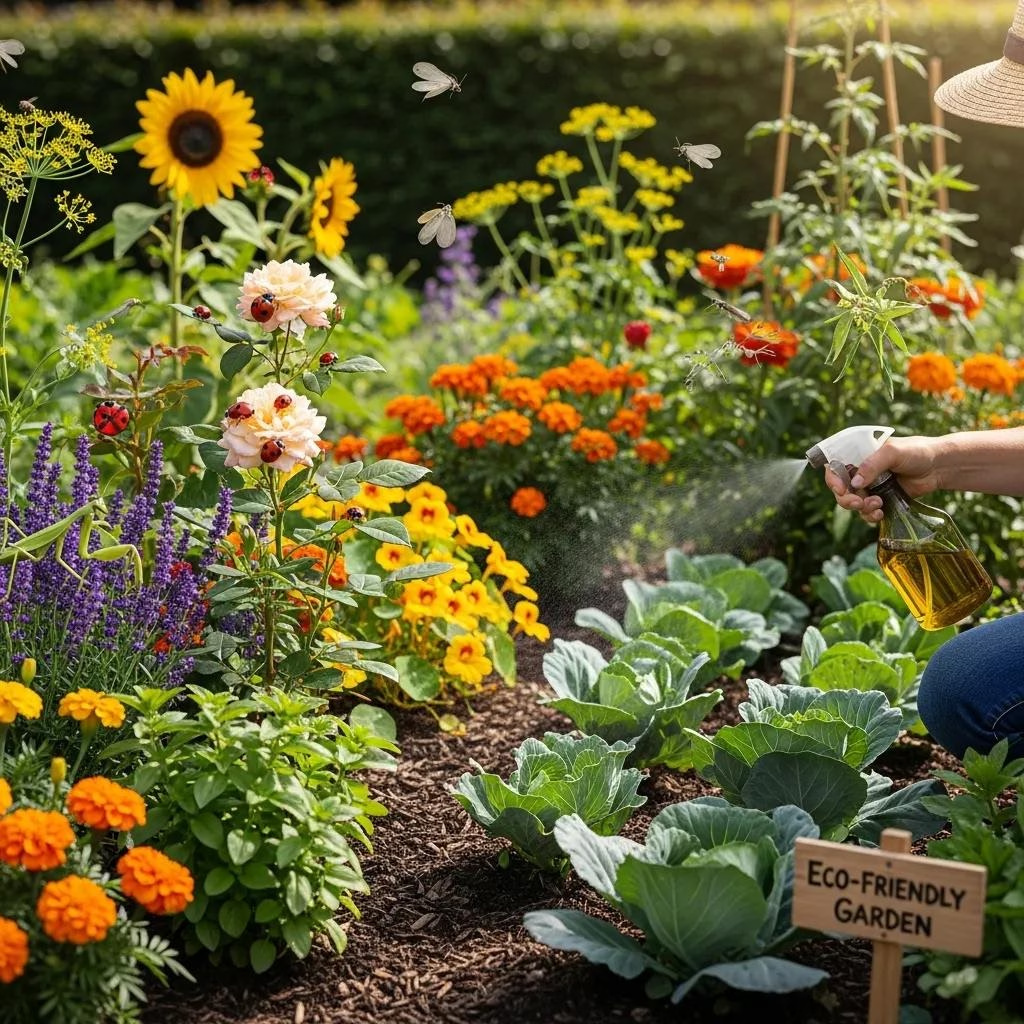
Natural Pest Control: The Complete Guide to Safe, Effective, and Eco-Friendly Methods
Natural pest control methods offer a sustainable alternative to traditional chemical pesticides, focusing on eco-friendly techniques that protect both the environment and human health. This comprehensive guide will explore various natural pest control methods, their benefits, and practical applications for homeowners and gardeners. Many individuals face challenges with pest management, often resorting to harmful chemicals that can have adverse effects on health and the ecosystem. By adopting natural pest control strategies, you can effectively manage pests while promoting environmental sustainability. This article will cover essential techniques, the benefits of natural pest control, and practical applications to help you implement these methods in your own space.
Comprehensive Guide on Natural Pest Control Methods
Natural pest control encompasses a variety of techniques aimed at managing pest populations without the use of synthetic chemicals. These methods are essential for promoting sustainable gardening practices and protecting beneficial organisms in the ecosystem. By understanding the importance of eco-friendly pest management, individuals can make informed decisions that contribute to environmental conservation. This guide will delve into the various techniques available, highlighting their effectiveness and relevance in today’s gardening practices.
Techniques
Natural pest control techniques are diverse and can be tailored to specific pest problems. Here are some of the most effective methods:
Integrated Pest Management (IPM)
Integrated Pest Management (IPM) is a holistic approach that combines multiple strategies to manage pests effectively. It involves monitoring pest populations, identifying pest species, and implementing a combination of biological, cultural, and physical control methods. The goal of IPM is to minimize the use of chemical pesticides while maximizing pest control efficiency. By focusing on long-term prevention and control, IPM helps maintain a balanced ecosystem and reduces the risk of pest resistance.
Biological Control
Biological control utilizes natural predators and parasites to manage pest populations. This method involves introducing beneficial insects, such as ladybugs and lacewings, which feed on common garden pests like aphids and caterpillars. By fostering a habitat that supports these beneficial insects, gardeners can effectively reduce pest populations without resorting to chemical interventions. Creating a diverse garden ecosystem enhances the effectiveness of biological control methods.
Natural Repellents
Homemade and natural repellents can deter pests without harming beneficial insects or the environment. Common natural repellents include essential oils, garlic, and vinegar. For example, a mixture of water and peppermint oil can repel ants and spiders, while a garlic spray can deter aphids and other soft-bodied insects. These natural solutions are easy to make and apply, providing an effective way to manage pests organically.
The effectiveness of such homemade botanical solutions has been extensively reviewed, confirming their utility in pest management.
Efficacy of Homemade Botanical Pest Control
Homemade botanical insecticides are widely used by subsistence and transitional farmers in low-income countries. Their use is often driven by the limited availability or cost of commercial pesticides. Homemade botanical insecticides are often recommended by agricultural extension services and some development organizations. This review shows that (1) all the selected botanicals contain active ingredients with insecticidal, antifeedant, or repellent properties, and (2) homemade insecticides based on all the selected botanicals have been used with some success to control pests or prevent damage, although efficacy was variable and often lower than the positive controls (synthetic pesticides).
Efficacy of homemade botanical insecticides based on traditional knowledge. A review: Efficacy of homemade botanical insecticides based on traditional knowledge …, J Dougoud, 2019
Cultural Practices
Cultural practices play a significant role in pest management by creating an environment that is less conducive to pest infestations. Techniques such as crop rotation, proper sanitation, and selecting pest-resistant plant varieties can significantly reduce pest populations. For instance, rotating crops each season disrupts pest life cycles, making it harder for them to establish themselves. Additionally, maintaining garden cleanliness by removing debris and dead plants can prevent pests from finding shelter.
Physical Barriers
Physical barriers are an effective way to prevent pests from accessing plants. Techniques such as row covers, nets, and traps can physically block pests from reaching crops. For example, using floating row covers can protect seedlings from insects while allowing sunlight and moisture to penetrate. These barriers are particularly useful for protecting young plants and can be easily implemented in home gardens.
Advanced Monitoring Systems
Technology has introduced advanced monitoring systems that aid in pest management. Smart traps and monitoring devices can provide real-time data on pest populations, allowing gardeners to make informed decisions about when to intervene. These systems can help identify pest hotspots and track the effectiveness of control measures, leading to more efficient pest management strategies.
The integration of advanced technology, such as camera-equipped traps, significantly enhances the precision and efficiency of pest monitoring within IPM frameworks.
Automated Pest Monitoring for IPM
Integrated pest management relies on insect pest monitoring to support the decision of counteracting a given level of infestation and to select the adequate control method. The adoption of image sensors to monitor insect pests can result in several practical advantages. The availability of real-time and on-line pest monitoring systems from a distant location opens the opportunity for measuring insect population dynamics constantly and simultaneously in a large number of traps with a limited human labor requirement.
Insect pest monitoring with camera-equipped traps: strengths and limitations, F Verheggen, 2021
Benefits
The benefits of using natural pest control methods extend beyond just pest management. Here are some key advantages:
- Health Protection: Natural pest control methods reduce exposure to harmful chemicals, promoting a healthier environment for humans and pets.
- Environmental Conservation: By minimizing chemical use, natural pest control supports biodiversity and protects beneficial organisms in the ecosystem.
- Cost-Effectiveness: Many natural pest control methods are low-cost or free, making them accessible to all gardeners.
These benefits highlight the importance of adopting eco-friendly pest management practices that align with sustainable gardening principles.
Practical Applications
Implementing natural pest control methods can be straightforward for homeowners and gardeners. Here are some practical applications:
- Home Gardens: Utilize companion planting to enhance pest control. For example, planting marigolds alongside vegetables can deter nematodes and other pests.
Further research highlights the multifaceted benefits of companion planting beyond simple deterrence, encompassing habitat management and soil enrichment.
Companion Planting for Natural Pest Management
Companion planting is a knowledge-based strategy which involves growing of several crops (crop diversity) to achieve economizing on space, balanced nutrition, habitat management to enhance natural enemies, and increase productivity, besides the management of biotic stresses, such as insect pests, disease pathogens, nematodes, and weeds. These benefits could include providing cover for shade-loving plants, repelling harmful insects, attracting beneficial insects, or providing necessary soil requirements for other plants. Companion plants repel pests, camouflage their odor, enrich the soil by fixing nitrogen, disorient the adult pests, attract beneficials, suppress weeds, deter and kill root nematodes, protect soil moisture, and act as trap plants, and their root exudates prevent soil-borne pathogens.
Companion planting, 2017
- Community Gardens: Engage with neighbors to share knowledge and resources on natural pest control methods, fostering a collaborative approach to pest management.
- Educational Workshops: Attend or organize workshops on natural pest control techniques to learn and share effective strategies with others.
By applying these methods, individuals can create healthier and more sustainable gardening practices.
What Are the Key Benefits of Eco-Friendly Pest Control?
Eco-friendly pest control methods offer numerous advantages, including improved health outcomes, environmental protection, and cost savings. By reducing reliance on chemical pesticides, these methods promote a safer and more sustainable approach to pest management. Additionally, they contribute to the overall health of the ecosystem by protecting beneficial insects and maintaining biodiversity.
How Does Natural Pest Control Support Environmental Sustainability?
Natural pest control supports environmental sustainability by minimizing chemical runoff and reducing the impact of pesticides on non-target species. By employing methods such as biological control and cultural practices, gardeners can create a balanced ecosystem that fosters healthy plant growth while managing pest populations effectively.
Which Biological Pest Control Methods Are Most Effective?
Some of the most effective biological pest control methods include introducing beneficial insects like ladybugs, lacewings, and parasitic wasps. These natural predators can significantly reduce pest populations without harming the environment. Additionally, using microbial pesticides, such as Bacillus thuringiensis (Bt), can target specific pests while being safe for beneficial organisms.
What Role Do Beneficial Insects Play in Pest Management?
Beneficial insects play a crucial role in pest management by preying on harmful pests and helping to maintain a balanced ecosystem. For example, ladybugs consume aphids, while predatory wasps can control caterpillar populations. By attracting and preserving these beneficial insects in the garden, gardeners can enhance their pest control efforts naturally.
How Can Homemade Pest Repellents Be Safely Made and Used?
Homemade pest repellents can be easily made using common household ingredients. For instance, a simple garlic spray can be created by blending garlic cloves with water and straining the mixture. This spray can be applied to plants to deter pests. It is essential to test any homemade repellent on a small area of the plant first to ensure it does not cause damage.
What Are the Best Natural Insecticides for Home Gardens?
Some of the best natural insecticides for home gardens include neem oil, diatomaceous earth, and insecticidal soap. Neem oil disrupts the life cycle of pests, while diatomaceous earth acts as a physical barrier that damages the exoskeletons of insects. Insecticidal soap targets soft-bodied pests and is safe for use on edible plants.
What Are the Environmental Impacts of Using Natural Insecticides?
Natural insecticides generally have a lower environmental impact compared to synthetic chemicals. They are less likely to harm beneficial insects and have a reduced risk of contaminating soil and water sources. However, it is still important to use them responsibly and according to label instructions to minimize any potential negative effects.
How Does Natural Pest Control Contribute to Climate Change Mitigation?
Natural pest control contributes to climate change mitigation by promoting sustainable agricultural practices that reduce greenhouse gas emissions. By minimizing chemical inputs and enhancing biodiversity, natural pest control methods can help create resilient ecosystems that are better equipped to adapt to changing climate conditions.
How Do Safe Pest Control Solutions Compare to Chemical Alternatives?
Safe pest control solutions, such as natural repellents and biological control, offer effective alternatives to chemical pesticides. They tend to have fewer side effects on human health and the environment, making them a preferable choice for many gardeners. While chemical alternatives may provide quick results, they often come with long-term consequences that can harm ecosystems.
What Are the Safety Profiles of Botanical Insecticides Like Neem Oil?
Botanical insecticides like neem oil have a favorable safety profile, as they are derived from natural sources and are generally non-toxic to humans and pets. However, it is essential to follow application guidelines and avoid using them during peak pollinator activity to protect beneficial insects.
Where Can You Find Reliable Resources and Updates on Natural Pest Control?
Reliable resources for natural pest control information include agricultural extension services, gardening organizations, and online platforms dedicated to sustainable gardening practices. These resources provide valuable insights, research updates, and practical tips for implementing effective pest management strategies.
Which Organizations Provide Authoritative Guidance on Eco-Friendly Pest Management?
Organizations such as the Organic Materials Review Institute (OMRI) and the National Sustainable Agriculture Coalition (NSAC) offer authoritative guidance on eco-friendly pest management practices. These organizations provide resources, certifications, and educational materials to support sustainable agriculture and gardening efforts.
Frequently Asked Questions
What are some common misconceptions about natural pest control?
Many people believe that natural pest control methods are less effective than chemical pesticides. However, research shows that when implemented correctly, natural methods can be just as effective, if not more so, in managing pest populations. Another misconception is that natural pest control is only suitable for small gardens. In reality, these methods can be scaled up for larger agricultural settings, making them versatile for various gardening and farming applications.
How can I determine which natural pest control method is best for my garden?
Choosing the right natural pest control method depends on the specific pests you are dealing with and the plants in your garden. Start by identifying the pest species and assessing the level of infestation. Then, consider methods such as biological control, natural repellents, or cultural practices that align with your gardening goals. Consulting local gardening resources or extension services can also provide tailored advice based on your region and conditions.
Are there any risks associated with using natural pest control methods?
While natural pest control methods are generally safer than chemical pesticides, they are not without risks. For instance, some natural insecticides can still harm beneficial insects if not applied carefully. Additionally, homemade solutions may cause plant damage if not tested properly. It’s essential to follow guidelines and use these methods responsibly to minimize any potential negative impacts on your garden ecosystem.
How can I encourage beneficial insects in my garden?
To attract beneficial insects, create a diverse garden environment that includes a variety of flowering plants, herbs, and native species. These plants provide food and habitat for beneficial insects like ladybugs and lacewings. Avoid using broad-spectrum pesticides, as they can harm these helpful species. Additionally, consider implementing companion planting strategies to enhance the presence of beneficial insects while deterring harmful pests.
What role does soil health play in natural pest control?
Soil health is crucial for effective natural pest control, as healthy soil promotes robust plant growth and resilience against pests. Practices such as composting, crop rotation, and cover cropping can enhance soil fertility and structure, leading to stronger plants that are less susceptible to pest infestations. Healthy soil also supports a diverse microbial community that can help suppress pests and diseases naturally.
Can natural pest control methods be used in conjunction with chemical pesticides?
While it is possible to use natural pest control methods alongside chemical pesticides, caution is advised. Combining these approaches can lead to unintended consequences, such as harming beneficial insects or creating resistance in pest populations. If you choose to integrate both methods, prioritize natural solutions and use chemicals as a last resort, ensuring that they are applied in a targeted and responsible manner.
How can I educate others about the benefits of natural pest control?
Educating others about natural pest control can be done through community workshops, social media, and local gardening clubs. Share your experiences and successes with natural methods, and provide resources such as articles, videos, or pamphlets that highlight the benefits. Engaging in discussions and encouraging hands-on demonstrations can also inspire others to adopt eco-friendly pest management practices in their own gardens.