



Extreme Weather and Climate Change Connections
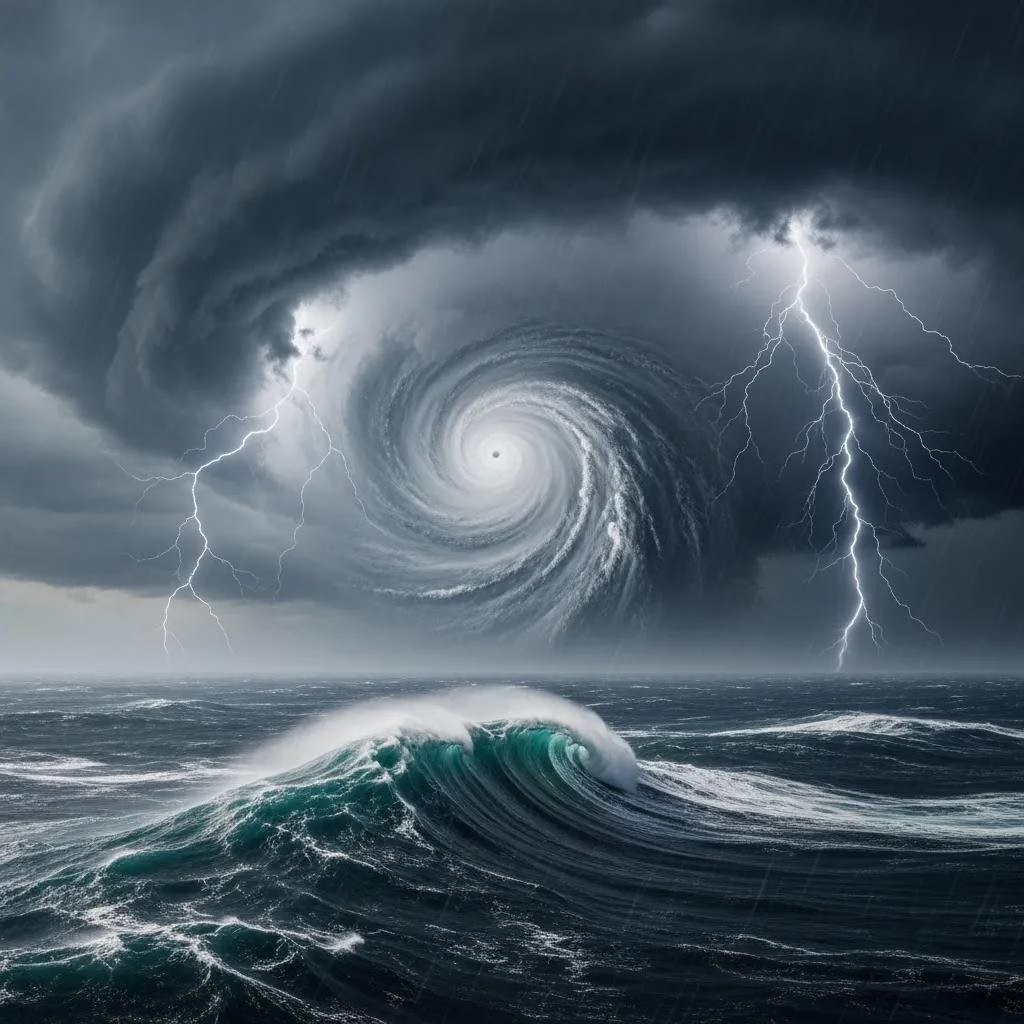
How Extreme Weather and Climate Change Intersect — Impacts and Sustainable Responses
Extreme weather is increasingly tied to a changing climate, creating growing risks for ecosystems and communities. This article explains the connections between climate change and extreme weather, outlines the ecological and social consequences, and highlights practical, sustainable responses. You’ll find clear summaries of how warming amplifies weather extremes, what those shifts mean for biodiversity and people, and which strategies — from energy transitions to smarter infrastructure — reduce harm. Understanding these links is essential to make effective decisions as conditions continue to change.
The rising frequency and severity of extreme events pose a clear threat to both human systems and the natural world.
Extreme Weather Impacts on Society & Biodiversity
A defining feature of current climate change is the growing frequency, intensity and duration of extreme weather events (EWEs). These unusual or severe events challenge human communities and threaten the long-term survival of many species.
Multiple dimensions of extreme weather events and their impacts on biodiversity, JD González-Trujillo, 2023
Key Takeaways
- Extreme weather is increasingly connected to climate change, affecting ecosystems and human communities.
- Warming amplifies weather extremes, accelerating biodiversity loss and disrupting habitats.
- People face rising economic costs, health risks, and displacement from more frequent disasters.
- Solutions include shifting to renewable energy, strengthening infrastructure, and protecting natural systems.
- Public education and local engagement are essential to mobilize effective action.
- Scientific evidence links climate change to stronger storms and heavier rainfall.
- Heatwaves are becoming more frequent and intense as average temperatures rise.
- Community planning and policy reforms are key to building resilience.
- Individuals can track climate trends with credible data sources and alert tools.
These takeaways summarize the themes explored below and provide a roadmap for readers: first, why extremes are changing; second, how ecosystems and societies are affected; and third, what a mix of mitigation and adaptation approaches looks like in practice. Throughout the article we emphasize practical responses that reduce risk while supporting equity and long-term viability. Use this overview to guide which sections to read first — for example, policymakers and planners may focus on resilience and financing, while household-level readers can prioritize sustainable living tips and local preparedness.
Impacts on Ecosystems:
Extreme weather reshapes ecosystems by stressing populations, fragmenting habitats, and altering ecological interactions. These changes can be rapid and long-lasting, reducing the ability of natural systems to provide food, clean water, and other services that people depend on. Recognizing these effects helps prioritize restoration and conservation where they will have the most benefit.
Ecological impacts often interact and cascade. For example, repeated drought and heat can weaken trees, increasing susceptibility to pests and altering fire behavior, which then changes soil conditions and streamflow. Such cascading effects make recovery unpredictable and can push systems across thresholds where returning to previous conditions becomes difficult or impossible. Monitoring biodiversity, restoring connectivity between habitats, and integrating climate projections into management plans all help maintain ecosystem function and the services on which communities depend.
Loss of Biodiversity:

Hurricanes, droughts and other extremes fragment habitats and shift species’ ranges, causing population declines and local extinctions. Pollinators, for example, are particularly sensitive to abrupt changes, and their loss can cascade through food systems and ecosystem functions. Reduced biodiversity weakens ecological resilience, making systems less able to absorb future shocks.
Altered Ecosystems:
Rising temperatures and changing rainfall patterns are shifting where species can live and when ecological events occur. These mismatches — such as plants and pollinators falling out of sync — undermine ecosystem services like water filtration and crop pollination. Over time, altered ecosystems can change the resources available to wildlife and people alike.
Increased Wildfire Risk:
Longer dry spells and hotter conditions increase both the frequency and intensity of wildfires. Fires destroy habitat, force wildlife displacement, and release large amounts of carbon, which feeds back into the climate system. Recovery can take decades, and repeated burn cycles reduce the capacity of landscapes to support native species.
Impacts on Human Societies:
The reach of extreme weather extends far beyond ecosystems, affecting livelihoods, infrastructure, and public health. Storms, floods and heatwaves impose growing financial and social costs that often hit the most vulnerable communities hardest.
Equity is a central concern: low-income households, marginalized groups and small-scale producers frequently have fewer resources to prepare for, respond to, and recover from disasters. Insurance coverage, access to credit, and local social networks influence recovery trajectories. Strengthening social safety nets, ensuring inclusive planning, and supporting community-led preparedness are critical steps to reduce disproportionate impacts and to build capacity before disasters occur.
Economic Losses:
Extreme events damage homes, roads and businesses, interrupt supply chains, and depress local economies. Agriculture is especially exposed: crop failures from drought, heat or floods can raise food prices and threaten food security for millions, particularly in low-income regions.
Health Risks:
Health threats from extreme weather include heat-related illness, worsened respiratory conditions from smoke, and increased spread of some infectious diseases following floods. Older adults, children, and people with chronic illness face the greatest risks, underscoring the need for targeted health planning.
Displacement and Migration:
Coastal flooding, sea-level rise and recurrent disasters force people to relocate, sometimes permanently. Displacement strains housing, public services and social cohesion, and can create long-term socioeconomic challenges for both displaced populations and host communities.
Sustainable Solutions:
Responding effectively to extreme weather requires integrated strategies that cut emissions, protect natural buffers, and strengthen the systems people rely on. Combining mitigation and adaptation measures reduces risk while creating economic and social benefits.
Transition to Renewable Energy:
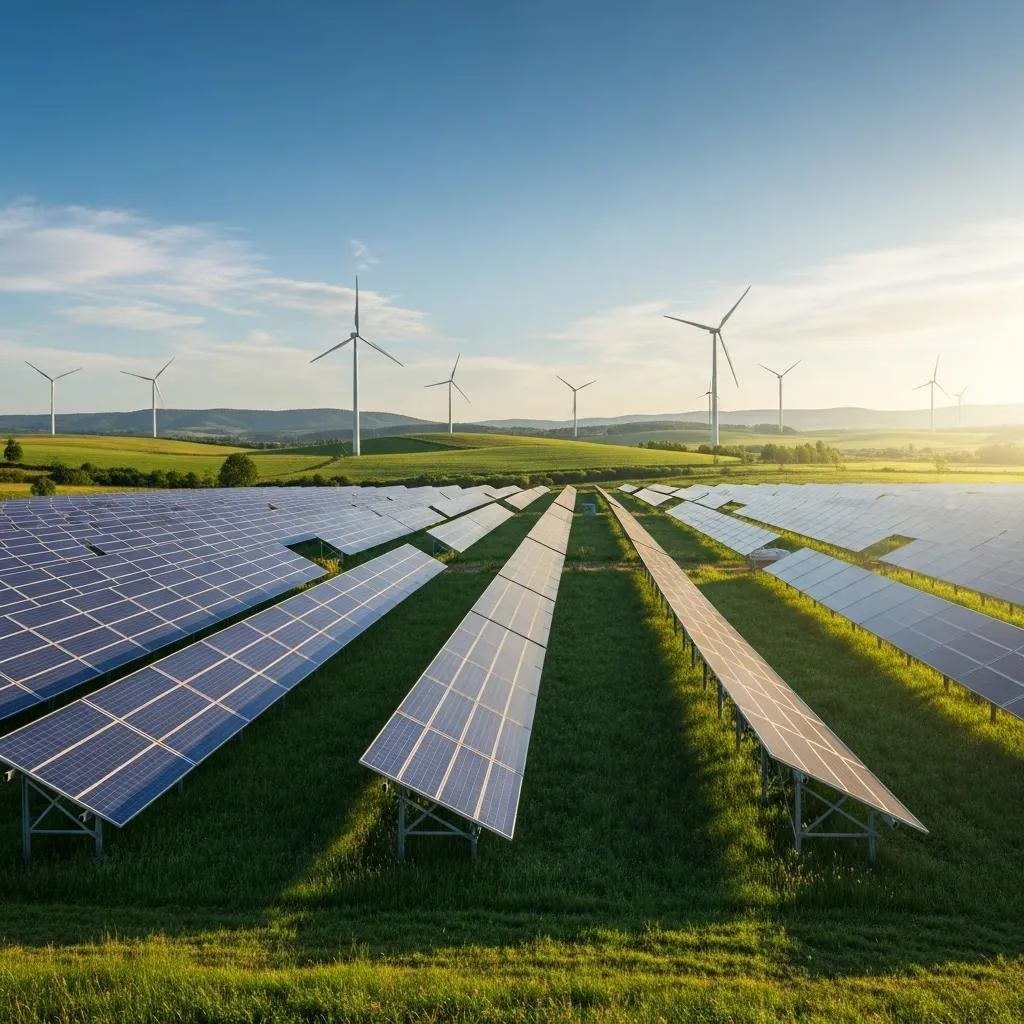
Moving energy systems toward wind, solar and other low-carbon technologies is fundamental to slowing warming and reducing future extremes. Renewables also generate jobs and can improve local air quality. Strategic investment in clean energy infrastructure lowers dependence on fossil fuels and reduces the long-term costs of climate impacts.
Beyond emission reductions, clean energy choices can increase resilience: distributed solar, battery storage, and microgrids help communities maintain critical services during outages caused by storms or heatwaves. Local generation paired with demand-response programs and improved efficiency reduces pressure on strained grids during peak events. Planning for resilient energy systems also creates opportunities for workforce training and local economic development while lowering long-term vulnerability to price shocks and supply disruptions.
Enhancing Resilience:
Resilience measures — from early warning systems to upgraded drainage and strengthened building codes — can dramatically reduce the human and economic toll of disasters. Proactive planning and retrofitting are often far less costly than repeated recovery after each event.
Nature-based solutions complement engineered approaches: restoring wetlands, planting urban trees, and conserving floodplains slow runoff, cool cities, and reduce flood risk while providing co-benefits for biodiversity and recreation. Combining hard and soft measures, engaging communities in design, and phasing investments to match local capacity helps ensure projects deliver sustained benefits. Transparent costing and performance metrics further make the case to public and private funders.
Financing resilient infrastructure requires creative public and private funding so the long-term benefits are clear to investors.
Financing Climate-Resilient Urban Infrastructure
Investments in urban infrastructure are needed both to reduce climate risks and to improve resilience. To attract private capital, the benefits of such investments must be translated into measurable returns that markets can evaluate. This work outlines a framework for identifying the factors that make climate-resilient projects financially viable.
Financing climate-resilient infrastructure: Determining risk, reward, and return on investment, PB Meyer, 2019
Conservation Efforts:
Protecting and restoring wetlands, forests and other natural habitats strengthens nature’s ability to buffer storms, store carbon, and support biodiversity. Conservation strategies that incorporate climate projections improve long-term outcomes for both wildlife and people.
Public Awareness and Education:
Informing the public about the links between climate change and extreme weather helps spur local action and better individual preparedness. Education programs can increase adoption of sustainable behaviors and build community support for policy measures that reduce risk.
Effective outreach uses clear, locally relevant messages, multiple channels, and opportunities for two-way engagement. Co-designed workshops, school programs, and demonstration projects make abstract risks tangible and encourage practical preparedness measures. Building partnerships among scientists, local NGOs, and municipal leaders improves trust and ensures information is actionable for different audiences.
How Does Climate Change Influence Storm Intensity and Frequency?
Warming oceans and a warmer atmosphere provide more energy and moisture for storms, which tends to increase rainfall rates and surge potential. While regional effects vary, the overall trend is toward more intense precipitation and, in many regions, stronger storms.
What Scientific Evidence Links Climate Change to Stronger Storms?
Attribution studies and long-term observational records show that increased greenhouse gases are associated with heavier rainfall, higher storm surges, and in some cases stronger winds. These results reinforce the need for mitigation to limit future storm-related impacts.
Expanding event attribution methods to include impacts is essential for fully understanding the risks posed by extreme events.
Extreme Weather Attribution: Understanding Risks & Impacts
There is a need to better incorporate the impacts of extreme weather into event attribution studies so that the risks of such events are more fully understood.
Attribution of extreme weather and climate‐related events, FEL Otto, 2016
How Are Ocean Warming and Storm Patterns Connected?
Warmer sea-surface temperatures feed more moisture and energy into tropical systems and coastal storms, increasing their potential intensity. Ocean warming also affects large-scale circulation patterns, which can change where and when storms form and how they move.
What Are the Latest Heatwave Trends and Their Environmental Impacts in 2026?
Recent analyses through 2026 show more frequent and longer-lasting heatwaves in many regions, with consequences for water availability, agriculture and ecosystems. These trends increase drought risk and stress natural and human systems already coping with other climate pressures.
Why Are Heatwaves Increasing in Frequency and Severity?
Heatwaves are rising because global temperatures are higher overall and weather patterns that trap hot air are becoming more persistent. The buildup of greenhouse gases is the primary driver behind this shift.
How Do Heatwaves Affect Human Health and Ecosystems?
High temperatures raise heat-related illness and mortality, strain energy and water systems, and can trigger crop failures. For ecosystems, heat extremes can cause mass die-offs, reduce reproduction, and push species beyond their physiological limits.
What Causes Extreme Weather Events and How Are They Connected to Climate Change?
Extreme weather arises from natural variability and human-driven climate change. While weather systems are complex, a warmer atmosphere alters the baseline conditions—temperature, humidity and circulation—so that extremes become more likely and often more severe.
Which Extreme Weather Events Are Most Influenced by Climate Change?
Events strongly linked to climate trends include heatwaves, heavy precipitation and droughts. In many regions, stronger tropical storms and changing wildfire regimes are also tied to changing climate conditions.
How Does Global Warming Increase Extreme Weather Risks?
Global warming shifts temperature and moisture patterns, intensifying storms, extending droughts, and raising sea levels that amplify coastal flooding. These shifts increase the frequency and magnitude of many hazardous events.
How Can Sustainable Living Reduce Climate Change and Its Extreme Weather Effects?
Individual and household choices can lower emissions and reduce demand on strained systems. When combined with community-scale action and policy change, sustainable living contributes to a meaningful reduction in future climate risk.
What Practical Sustainable Living Tips Lower Your Carbon Footprint?
- Use Public Transportation: Choosing buses, trains or carpooling cuts per-person emissions and eases congestion.
- Adopt Energy-Efficient Appliances: Energy-efficient lighting and appliances reduce electricity use and utility costs over time.
- Practice Sustainable Eating: Eating more plants and buying local foods lowers the emissions tied to production and transport.
Other household actions can multiply benefits: insulating homes, sealing air leaks, and installing programmable thermostats reduce energy demand while cutting bills. Where possible, choosing durable goods, reducing waste, and composting organic material lower emissions across product life cycles. Community-level coordination—such as neighborhood bulk-buy programs for efficiency upgrades—can make sustainable choices more affordable and accessible.
How Does Renewable Energy Adoption Mitigate Climate Change?
Scaling up wind, solar and other low-carbon sources reduces greenhouse gas emissions, slows warming, and decreases the likelihood of more severe climate-driven extremes. Widespread adoption also supports cleaner air and local economic opportunities.
What Community and Policy Actions Build Climate Resilience Against Extreme Weather?
Local planning, infrastructure upgrades, and supportive national policies all contribute to stronger resilience. Effective strategies combine technical solutions with community engagement and equitable financing.
Which Climate Resilience Strategies Are Effective for Storm and Heatwave Preparedness?
- Invest in Infrastructure: Strengthening roads, utilities and coastal defenses reduces damage and speeds recovery.
- Develop Emergency Plans: Clear, practiced response plans save lives and limit disruption when events occur.
- Engage in Community Education: Informing residents about risks and preparedness improves outcomes during crises.
Policy tools that support these strategies include zoning reforms that discourage development in high-risk areas, incentives for green infrastructure, and funding mechanisms that prioritize vulnerable communities. Multi-level coordination—from neighborhoods to national agencies—helps align resources and ensures that technical solutions address local priorities and constraints.
How Do Global Climate Initiatives Support Extreme Weather Adaptation?
International programs provide funding, technical assistance and knowledge-sharing that help communities implement adaptation projects. These initiatives enable coordination and resource mobilization at scales individual cities or countries may struggle to achieve alone.
What Are the Latest Scientific Findings on Extreme Weather Patterns in 2026?
Recent research through 2026 documents rising frequency and intensity for several types of extremes in many regions. These studies refine projections and help target adaptation measures where they are most needed.
What Do Recent Studies Reveal About Heatwave Frequency Increases?
Analyses show clear upward trends in heatwave occurrence and duration across large areas, with projections indicating more frequent events unless emissions are sharply reduced.
How Has Storm Intensity Changed According to 2024-2026 Data?
Data from 2024–2026 indicate an increase in the intensity of some storms, with heavier rainfall and, in certain basins, stronger peak winds. These patterns are informing updates to building codes and emergency planning.
How Can Individuals Monitor and Stay Informed About Climate Change and Extreme Weather?
Staying informed helps people prepare and respond effectively. Trusted sources and alert services can provide timely information about evolving risks and local conditions.
Practical steps include subscribing to local and national alert systems, enabling push notifications for severe weather, and checking official forecasts before travel or outdoor work. Participating in community preparedness meetings, joining neighborhood response groups, and contributing local observations to citizen science platforms can improve collective situational awareness. Where relevant, maintain an emergency kit and a household plan that accounts for pets, medicines, and key documents.
What Are Reliable Sources for Climate and Weather Updates?
- IPCC Reports: Comprehensive scientific assessments that summarize climate science and projected impacts.
- NOAA: Real-time weather updates, forecasts and climate data for the United States and global monitoring.
- Local Weather Services: Regional meteorological agencies provide tailored forecasts and alerts for specific communities.
How Do Entity Tracking Tools and Alerts Help Understand Climate Trends?
Tracking tools, satellites and alert systems deliver near real-time data and forecasts that improve situational awareness. These technologies support early warnings, risk assessments and community planning.
What Are Common Questions About Climate Change and Extreme Weather?
Common questions clarify how climate processes influence weather, where risks are greatest, and what actions reduce vulnerability.
How Does Climate Change Affect Storms?
Climate change influences storms by increasing the heat and moisture available in the atmosphere, which can make storms wetter and, in some cases, stronger. Regional factors determine specific changes.
Why Are Heatwaves Increasing?
Heatwaves are more frequent because the planet’s average temperatures have risen and atmospheric patterns that trap heat have become more persistent. Reducing emissions is central to reversing this trend.
Frequently Asked Questions
What role does public awareness play in addressing extreme weather and climate change?
Public awareness is foundational: informed communities are more likely to support effective policies, prepare for hazards, and adopt sustainable behaviors. Education campaigns and local outreach help translate scientific findings into practical action.
How can individuals contribute to climate resilience in their communities?
Individuals can join local preparedness efforts, support green infrastructure projects, reduce personal emissions, and help neighbors prepare. Volunteering with community resilience programs and participating in local planning also strengthens shared capacity.
What are some effective strategies for businesses to mitigate climate change impacts?
Businesses can cut emissions through energy efficiency and clean energy, build supply-chain resilience, and invest in climate-smart infrastructure. Adopting sustainability targets and engaging employees in implementation improves long-term risk management.
How do government policies influence climate change adaptation efforts?
Policies set standards, provide funding, and create incentives for resilience and mitigation. Strong policy frameworks enable coordinated action, leverage private investment, and ensure vulnerable communities receive support.
What are the long-term ecological consequences of extreme weather events?
Over time, repeated extremes can fragment habitats, reduce species populations, and alter ecosystem services like pollination and water purification. These shifts weaken nature’s resilience and complicate recovery.
How can technology aid in monitoring climate change and extreme weather?
Technology—from satellites and sensors to predictive models—delivers data that improve forecasting, risk mapping and decision-making. Mobile alerts and online dashboards help authorities and the public respond more quickly to emerging threats.
What are the implications of climate change on global food security?
Climate change disrupts growing seasons, raises the risk of crop failure, and affects distribution networks, which together threaten food availability and affordability. Building resilient agricultural systems and diversifying crops can reduce vulnerability.
Conclusion
Recognizing how climate change amplifies extreme weather is the first step toward smarter preparation and fairer policy. Combining emission reductions, natural conservation, resilient infrastructure and community education reduces harm today and limits future risk. Whether through collective policy or everyday choices, timely action builds stronger, safer communities and healthier ecosystems. Explore the resources linked here and consider what practical steps you or your community can take now to increase resilience.
Action at multiple scales matters: advocate for policies that reduce emissions and fund adaptation, support local conservation and restoration efforts, and participate in preparedness planning. Small, consistent changes at the household level—paired with community investments and transparent governance—add up to meaningful risk reduction. Staying informed, supporting equitable solutions, and maintaining an adaptive mindset will help communities manage both current extremes and the uncertain conditions ahead.