



Safer Household Chemicals and Alternatives
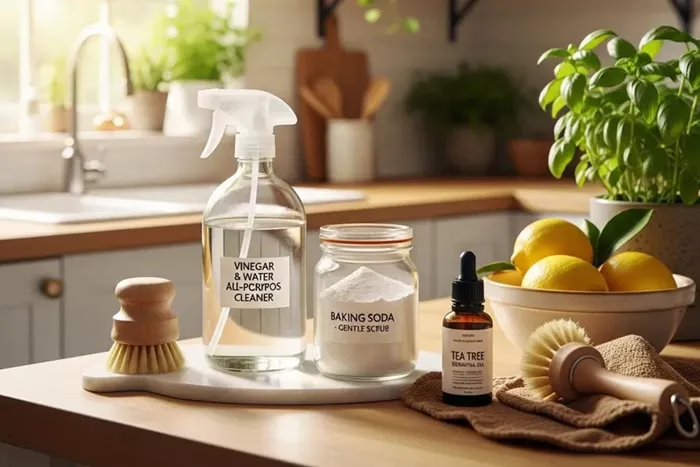
Natural, Non-Toxic Cleaners: Guide to Safer, Eco-Friendly Alternatives
As people pay more attention to health and the environment, safer household cleaners are increasingly in demand. Many conventional products contain ingredients that can harm people and ecosystems. This guide explains the common toxic chemicals found in cleaners, their potential health effects, and practical, effective natural alternatives. You’ll learn how to recognize harmful ingredients, why certain natural solutions work, and easy steps to keep your home both clean and safer.
The guidance here is written for everyday households: renters, homeowners, families with children and pets, and anyone who wants to reduce chemical exposures without sacrificing cleanliness. It emphasizes practical substitutions, reading product labels, and simple habits you can adopt immediately.
Key Takeaways
- Many traditional cleaners include chemicals such as phthalates, formaldehyde, and ammonia, which can pose health risks.
- Simple natural ingredients — vinegar, baking soda, and castile soap — can often replace harsher products.
- Toxic cleaners can worsen indoor air quality and aggravate respiratory conditions over time.
- Look for trusted eco-certifications (Green Seal, EcoLogo) to identify greener, biodegradable products.
- DIY cleaners made from common household ingredients reduce exposure to harmful chemicals.
- Resources from agencies like the EPA and groups like EWG help identify safer products.
- Switching to eco-friendly cleaners supports sustainability and can lower your household’s environmental footprint.
- Keep up with new research and guidance to make informed choices about safer chemicals.
What Are the Most Common Toxic Chemicals in Household Cleaners?
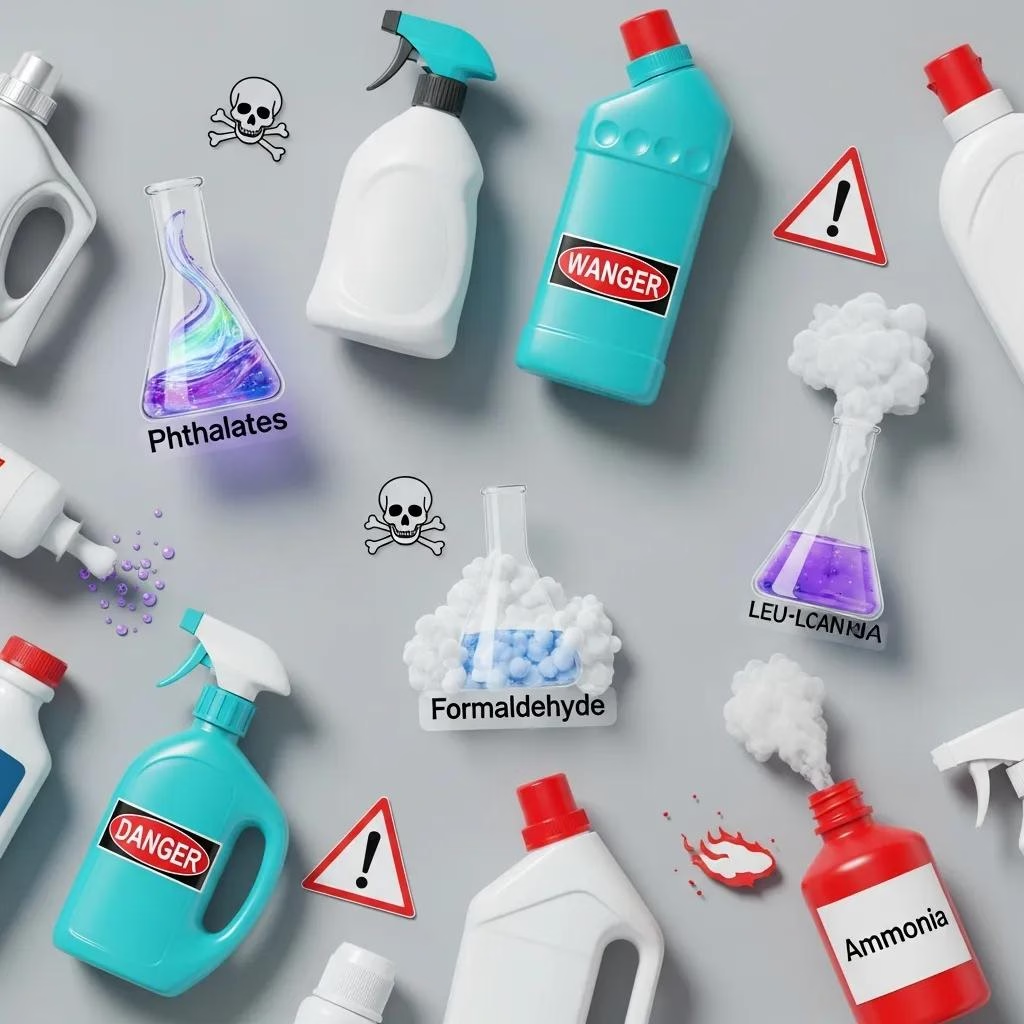
Household cleaners can contain a range of ingredients that affect health and the environment. The most frequently encountered problematic substances include:
- Phthalates: Often added to fragranced products and air fresheners; linked to hormone disruption and reproductive concerns.
- Formaldehyde: Used in some disinfectants and preservative formulas; can trigger respiratory irritation and skin sensitivity.
- Ammonia: Common in glass and heavy-duty cleaners; effective but can irritate eyes, skin, and lungs—especially without good ventilation.
These are examples rather than a complete list. Other ingredients to watch for include synthetic fragrances (often listed simply as “fragrance” or “parfum”), quaternary ammonium compounds (QACs) in some disinfectants, and strong solvents. Reading ingredient lists and knowing common synonyms will help you spot them.
When checking labels, look beyond marketing claims like “natural” or “green.” Ingredients may appear under chemical names or trade names; if you’re unsure, consult a reputable ingredient database before purchase.
Which chemicals like formaldehyde, phthalates, and ammonia pose health risks?
Formaldehyde, phthalates, and ammonia are among the household chemicals that most commonly raise health concerns.
- Formaldehyde: Exposure may cause breathing difficulties and skin irritation and is classified as a probable human carcinogen.
- Phthalates: These are endocrine disruptors that have been associated with developmental and reproductive effects in some studies.
- Ammonia: While a strong cleaner, it can cause significant irritation to the eyes and respiratory system, particularly in poorly ventilated spaces.
Being aware of these risks helps you protect your family and reduce unnecessary exposure. Practical steps include storing concentrated products out of reach, avoiding mixing cleaners, using protective gloves, and ventilating spaces while cleaning. If someone in your household has asthma or chemical sensitivities, choose milder options and test new cleaners in small areas first.
How do toxic chemicals affect indoor air quality and human health?
Toxic ingredients in cleaning products can lower indoor air quality and contribute to short- and long-term health problems.
- Respiratory Health: Many volatile compounds worsen asthma and other breathing conditions, especially in children and sensitive adults.
- Long-term Health Implications: Repeated exposure to indoor pollutants can increase risk for chronic issues, including respiratory disease and cardiovascular impacts.
- Connection to Indoor Air Quality: Poor indoor air—often amplified by chemical cleaners—can cause headaches, fatigue, eye irritation, and other symptoms.
Improving ventilation is one of the simplest, most effective responses: open windows when weather permits, run bathroom and kitchen exhaust fans while cleaning, and air out rooms afterward. Avoid aerosol sprays when possible (they create fine particles that remain suspended) and prefer damp microfiber cloths or paste cleaners that remove soils without producing volatile emissions.
What Are the Best Natural Cleaning Products and Non Toxic Household Cleaners?
Natural cleaning ingredients can be surprisingly effective and gentler on your health and the environment. Common choices include:
- Vinegar: Cuts grease, neutralizes odors, and offers mild disinfectant properties for routine cleaning tasks.
- Baking Soda: A gentle abrasive and deodorizer that removes stains without scratching many surfaces.
- Castile Soap: A plant-based, versatile soap that works well for floors, counters, and handwashing dishes.
These options are cost-effective and reduce reliance on synthetic chemicals. Keep in mind surface compatibility: avoid using vinegar on natural stone (marble, granite, limestone) because its acidity can etch the surface. For stone, use a neutral pH cleaner or a mild soap solution. Castile soap is concentrated—dilute according to use and rinse surfaces when needed to avoid slipperiness or residue.
Which safer cleaning products like vinegar, baking soda, and plant-based detergents are effective?
Vinegar, baking soda, and plant-based detergents are practical alternatives to many conventional cleaners.
- Vinegar: Its acetic acid helps control bacteria and break down grime on hard surfaces.
- Baking Soda: Acts as a mild abrasive and odor neutralizer for sinks, tubs, and stovetops.
- Plant-Based Detergents: Formulated from renewable ingredients, they clean effectively without many harmful additives.
Using these alternatives can meaningfully reduce toxic chemical exposure around the home. Application tips: allow vinegar solutions to sit briefly on greasy spots to loosen grime, but rinse afterward if used on food-prep surfaces. For baking soda scrubs, make a paste and use a non-scratch pad for tougher stains. When using plant-based detergents for dishes or laundry, follow manufacturer dilution recommendations to balance cleaning power and conserve product.
Several laboratory studies and real-world tests compare how natural agents measure up to commercial disinfectants, with many showing strong performance for common household tasks when applied correctly.
Comparing Natural & Commercial Household Cleaner Efficacy
This study quantitatively compared the antimicrobial effectiveness of commercial disinfectants (QACs, bleach, alcohol), household agents (vinegar, baking soda, tea tree oil), and physical removal (soap scrubbing) against a mixed environmental soil microbial consortium on four common surfaces (ceramic, stainless steel, HDPE, sealed wood) using a standardized laboratory model.
Quantitative Benchmarking of Household Surface Decontamination: Comparing Chemical Disinfectants, Natural Alternatives, and Physical Removal of Environmental …, 2025
How to identify eco certification labels and biodegradable cleaners?
Identifying verified eco-certifications and biodegradable products helps you pick genuinely better options.
- Common Eco-Certifications: Look for marks like Green Seal, EcoLogo, and USDA Organic to indicate vetted environmental claims.
- Importance of Biodegradable Products: Biodegradable cleaners break down more readily in the environment, reducing long-term pollution.
- How to Read Labels: Check ingredient lists for simple, recognizable components and verify any certification claims before you buy.
Certifications vary in scope—some focus on ingredient safety, others on biodegradability or packaging. When you see a certification mark, check the certifier’s website to understand what it covers. Also, look for product transparency: brands that publish full ingredient lists and safety data sheets make it easier to evaluate their claims and avoid greenwashing.
How Can You Make DIY Chemical Free Cleaning Solutions at Home?
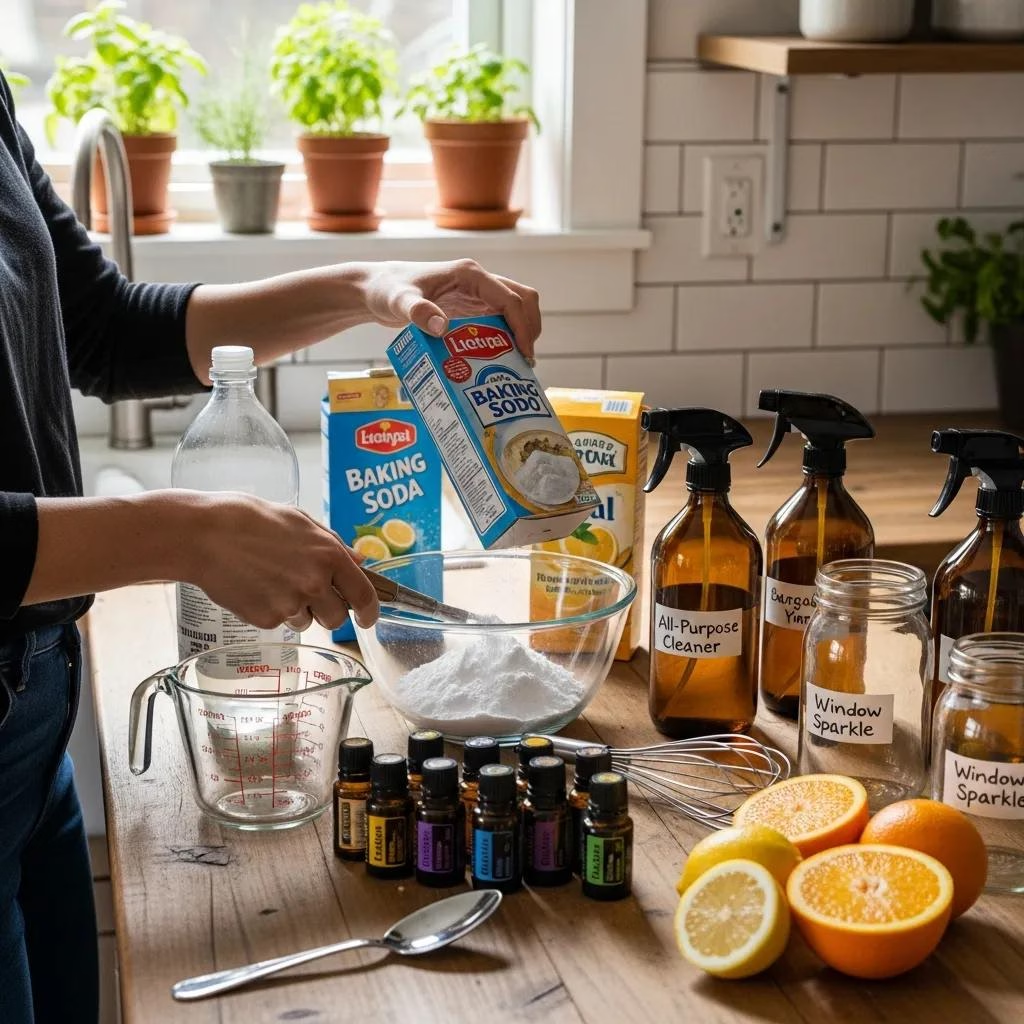
DIY cleaners are easy to make, inexpensive, and often effective. Try these basic recipes:
- All-Purpose Cleaner: Mix equal parts white vinegar and water in a spray bottle for counters and general surface cleaning.
- Baking Soda Scrub: Stir baking soda into a paste with a little water and a few drops of essential oil for scrubbing stubborn grime.
- Glass Cleaner: Combine vinegar and water (9:1 water-to-vinegar) for streak-free windows and mirrors.
These simple solutions are useful for everyday cleaning and avoid many harsh chemicals.
Practical DIY tips: always label homemade bottles with contents and date; store concentrates out of direct sunlight; test new solutions on a small, hidden area for colorfastness and surface reaction. Do not mix vinegar with bleach or hydrogen peroxide—mixing certain household chemicals can produce hazardous gases. When using essential oils, be cautious if you have pets (some oils are toxic to animals) and use them sparingly.
For a gentle floor cleaner, add a teaspoon of castile soap to a bucket of warm water; avoid overwetting wood floors and dry quickly. For toilets, sprinkle baking soda, add a little vinegar, let fizz and sit for a few minutes, then scrub and flush for routine cleaning.
What Are the Health and Environmental Risks of Using Toxic Household Chemicals?
Toxic household chemicals pose both immediate and long-term health and environmental risks.
- Health Risks: Short-term effects include headaches, dizziness, and irritation; long-term exposure can contribute to more serious conditions, including reproductive and cancer risks.
- Environmental Impact: Many chemicals persist in waterways, harming aquatic life and disrupting ecosystems.
- Long-term Effects on Health: Chronic exposure to certain cleaning chemicals is linked to lasting health problems, underscoring the value of safer alternatives.
Handling and storage matter: keep concentrated products locked away or on high shelves, follow label first-aid instructions, and use gloves when handling corrosive or irritating cleaners. For disposal, follow local hazardous-waste guidelines; many municipalities offer collection days or designated drop-off sites for hazardous household products.
How do chemical exposures contribute to health symptoms and environmental damage?
Exposure to chemicals from cleaners can cause immediate symptoms and cumulative environmental harm.
- Symptoms of Chemical Exposure: Typical signs include headaches, skin irritation, coughing, and eye irritation—especially in sensitive individuals.
- Environmental Damage: Runoff and wastewater can carry harmful chemicals into rivers and oceans, affecting wildlife and water quality.
- Long-term Health Implications: Ongoing exposure increases the risk of chronic respiratory and other systemic health issues.
To reduce exposure, choose low-odor formulations, limit use of sprays and aerosols, use ventilation and capture dust with a HEPA-capable vacuum. For households with pets or small children, prefer paste and wipe methods over fogging or foggers, and allow cleaned surfaces to dry and air out before reoccupation.
What recent studies reveal about chemical exposure risks in 2025-2026?
Recent research has continued to highlight the presence and potential impacts of harmful chemicals in household products.
- Key Findings: Studies show that some everyday cleaners still contain compounds linked to respiratory and endocrine effects.
- Implications for Public Health: The evidence supports stronger labeling, better consumer education, and updated regulatory oversight.
- Recommendations for Consumers: Choose certified products, prefer simpler ingredient lists, and use ventilation when cleaning.
When reviewing new studies, focus on reproducible findings and recommendations from established agencies. Scientific understanding evolves—what’s recommended today may be refined tomorrow—so prioritize guidance from regulatory bodies and recognized non-profit organizations when changing household practices.
How Do Safer Household Chemicals Impact Sustainability and Climate Change?
Choosing safer, greener cleaners contributes to sustainability and reduces environmental harm.
- Connection Between Cleaning Products and Sustainability: Green products often use renewable feedstocks and avoid petroleum-derived ingredients, lowering their overall impact.
- Impact on Climate Change: Fewer synthetic, high-emission ingredients and cleaner manufacturing processes can reduce greenhouse gas footprints.
- Benefits of Using Safer Products: Safer cleaners help protect ecosystems, reduce pollution, and support longer-term environmental goals.
Sustainability is also about packaging and distribution: refills, concentrates, and bulk purchasing reduce transportation and plastic waste. Choosing concentrated formulas and diluting them at home cuts shipping weight and packaging volume, both of which contribute to lower lifecycle impacts.
What is the carbon footprint of common household chemicals versus green alternatives?
Carbon footprints vary widely between conventional cleaners and greener options.
- Carbon Footprint of Common Chemicals: Many traditional cleaners are made from petroleum derivatives and involve energy-intensive production, raising emissions.
- Benefits of Green Alternatives: Eco-friendly products typically use renewable ingredients and simpler formulations that often require less energy to produce.
- Long-term Sustainability: Choosing low-impact, biodegradable products supports broader sustainability and reduces lifecycle emissions.
To minimize footprint, buy local when possible, select concentrates, and prefer refill programs. Also consider the end-of-life of packaging—recycled-content containers and take-back programs extend material value and reduce waste.
How do eco friendly cleaning alternatives support climate action and biodegradability?
Eco-friendly cleaning alternatives support climate goals and biodegradability in practical ways.
- Role of Biodegradable Products: They break down more readily in the environment, reducing persistence and ecological harm.
- Impact on Climate Action: Using ingredients with lower embodied carbon and sustainable sourcing helps cut overall emissions.
- Benefits of Eco-Friendly Cleaning: These products protect ecosystems and often rely on transparent, responsible supply chains.
When evaluating biodegradability claims, look for clear test methods (e.g., OECD biodegradation tests) cited by manufacturers or certifiers. Even biodegradable ingredients can cause harm if they contain persistent contaminants; certification and transparency remain important checks.
Which Organizations Certify and Advocate for Safer Household Chemicals?
Several recognized organizations help set standards and guide consumers toward safer products.
- Key Organizations Involved: The Environmental Protection Agency (EPA) and the Environmental Working Group (EWG) are leading sources for product safety information.
- Certifications They Provide: Programs like the EPA’s Safer Choice label and EWG’s verification help you identify lower-risk products.
- Importance of These Certifications: Certification gives independent validation that products meet higher safety and environmental standards.
Use these organizations’ searchable product lists and ingredient databases to compare options. Many provide consumer-facing tools to filter by use case (e.g., laundry, bathroom, disinfectant) and sensitivity (fragrance-free, hypoallergenic), which simplifies decision-making.
What roles do EPA Safer Choice and Environmental Working Group play?
EPA Safer Choice and the Environmental Working Group provide complementary guidance to consumers and manufacturers.
- Functions of EPA Safer Choice: Identifies products that meet strict safety and performance criteria for human and environmental health.
- Role of Environmental Working Group: Offers research, product ratings, and ingredient databases to help consumers evaluate risk.
- Impact on Consumer Choices: Their work makes it easier to compare products and choose safer, more transparent options.
When a product carries a Safer Choice label or a favorable EWG score, use that as one part of your evaluation. Combine certification checks with your own label reading and testing at home to confirm a product meets your needs.
How to use authoritative resources to choose safer cleaning products?
Authoritative resources make selecting safer cleaners straightforward.
- Resources to Consult: Visit the EPA, EWG, and independent certification sites for verified information on ingredients and product safety.
- How to Evaluate Products: Look for third-party certifications, scan ingredient lists for known hazards, and prefer shorter, familiar ingredient names.
- Importance of Ingredient Transparency: Brands that publish full ingredient lists are easier to evaluate and more likely to be trustworthy.
Quick checklist: (1) Check for credible certification marks, (2) read the full ingredient list and avoid vague “fragrance” where possible, (3) verify biodegradability or environmental claims on the certifier website, and (4) test the product in a small area. This routine reduces uncertainty and helps you build a reliable set of safer products.
What Are the Best Green Cleaning Tips for Reducing Toxic Chemical Use?
Simple green cleaning habits can dramatically reduce toxic chemical use in your home.
- Use Natural Ingredients: Vinegar, baking soda, and lemon are inexpensive, effective cleaners for many tasks.
- Choose Eco-Certified Products: Prefer products with recognized certifications to avoid misleading claims.
- Make Your Own Cleaners: DIY recipes cut costs and let you control what goes into your cleaners.
Additional habits: adopt microfiber cloths to capture dirt without chemicals, use a two-bucket system (one for rinsing, one for clean solution) when mopping, and create a basic weekly cleaning checklist to spread tasks and avoid overuse of strong cleaners in one session.
How to transition to chemical free cleaning solutions effectively?
Switching to chemical-free cleaning can be gradual and practical.
- Steps for Effective Transition: Replace one product at a time, starting with the ones you use most.
- Benefits of Chemical-Free Solutions: Lower exposure to toxins, better indoor air, and reduced environmental impact.
- Common Challenges and Solutions: If a natural option underperforms, try adjusting concentration or technique before reverting—many require a different approach than commercial cleaners.
Example transition timeline: Week 1 — replace all-purpose cleaner and dish soap; Week 2 — swap glass and surface sprays; Week 3 — trial natural laundry detergent or concentrate. Keep notes on what works and tweak ratios or methods. Over several weeks you can fully replace most household cleaners without disrupting routine cleaning performance.
What practical advice helps maintain a safer, eco friendly home environment?
Maintaining a safer home is about habits and simple systems.
- Regularly Review Cleaning Products: Audit your supplies every few months and replace high-risk items with safer options.
- Educate Family Members: Share why you’re switching and involve everyone in using the new products correctly.
- Incorporate Green Practices: Use reusable cloths, reduce single-use items, and buy concentrates to minimize packaging waste.
Storage, labeling, and routine maintenance are practical helpers: keep a small kit with essential items (microfiber cloths, spray bottle of all-purpose cleaner, baking soda, dotted list of dilution ratios), and store products in a cool, dry place away from children and pets. Replace sponges regularly and wash cloths in hot water to limit microbial growth without relying on disinfectants.
How to Monitor and Update Your Knowledge on Safer Household Chemicals?
Staying current on safer chemicals ensures your choices remain effective and protective.
- Resources for Ongoing Education: Follow trusted environmental groups, regulatory agencies, and science journals for updates.
- Importance of Staying Updated: New findings and regulations can change what’s considered safe—ongoing learning matters.
- How to Track New Research: Use academic databases, subscribe to reputable newsletters, and set alerts for keywords like “household chemical safety.”
Create a simple review schedule—check authoritative sites and your favorite product lists every 3–6 months. Flag any new recalls or label changes that might affect your household choices.
Which tools and alerts track new research and product certifications?
Several practical tools make tracking research and certifications easy.
- Useful Tools for Tracking: EWG, EPA, and certification program websites publish updates and databases you can reference.
- How to Set Alerts: Use Google Alerts, RSS feeds, or email newsletters from trusted organizations to get timely information.
- Importance of Using Reliable Sources: Prioritize peer-reviewed studies and established organizations to avoid misinformation.
Set a few targeted alerts (for example, “Safer Choice updates” or “household chemical safety”) and funnel notices into a single email folder so you can scan new developments quickly. For deeper dives, use academic search tools or public health agency bulletins.
How to keep content and practices current with 2025-2026 sustainability trends?
Adapting to new sustainability trends requires attention and selective adoption.
- Importance of Adapting to Trends: Staying current can improve your home’s environmental footprint and product effectiveness.
- How to Research New Practices: Follow industry news, attend webinars, and engage with local sustainability groups to test new ideas.
- Benefits of Staying Informed: Being aware of emerging best practices helps you adopt improvements faster and more confidently.
Evaluate new trends against your household needs: try small pilots, solicit feedback from household members, and weigh benefits against cost and convenience before full adoption. Local reuse/refill programs and community exchanges can be practical ways to test sustainable options affordably.
Frequently Asked Questions
What are the benefits of using natural cleaning products over traditional ones?
Natural cleaners reduce exposure to many harmful chemicals, improving indoor air quality and lowering irritation risks for sensitive people. They’re often biodegradable, which lessens environmental impact, and many common ingredients (like vinegar and baking soda) are affordable and easy to find. In short: safer for people, gentler on the planet, and often kinder on the wallet.
How can I ensure that the cleaning products I buy are truly eco-friendly?
Look for credible third-party certifications such as Green Seal or EcoLogo, read ingredient lists for recognizable components, and avoid synthetic fragrances and phosphates. Check brand transparency and consult databases from organizations like the EWG for product ratings. These steps reduce the chance of falling for greenwashing.
Are DIY cleaning solutions as effective as commercial products?
Yes—when used appropriately, DIY solutions can match many commercial products for everyday tasks. Vinegar, baking soda, and lemon juice are effective for cleaning and deodorizing. That said, some specialized disinfecting or stain-removal tasks may still need proven commercial formulas or stronger methods.
What are some common misconceptions about natural cleaning products?
People often assume natural products are always weaker or universally safe. In reality, many natural ingredients clean effectively, and some can still cause allergies or irritation. Another misconception is that eco-friendly options are always expensive—DIY recipes and some certified products can be quite affordable.
How can I transition my household to chemical-free cleaning solutions?
Start small: replace one product at a time, try trusted DIY recipes, and involve household members in testing alternatives. Track what works for you and give natural options a fair trial—often the technique or concentration needs slight adjustment. Over time you can build a complete, effective non-toxic cleaning routine.
What should I do with leftover toxic cleaning products?
Dispose of hazardous cleaners according to local regulations—many municipalities run household hazardous waste collection events or have drop-off facilities. Never pour concentrated chemicals down drains or into regular trash. Check local waste management guidance for safe disposal options.
How can I educate my family about the importance of using non-toxic cleaners?
Share clear, relatable reasons—health benefits, fewer odors, and environmental protection—and involve them in simple tasks like making a DIY cleaner. Show short articles or videos that explain the risks and benefits, and emphasize practical wins like fresher air and safer surfaces. Hands-on participation often creates the best buy-in.
Conclusion
Switching to natural, non-toxic cleaners improves household health and supports a cleaner environment. By favoring simple ingredients like vinegar, baking soda, and plant-based products—and using trusted certifications and resources—you can reduce exposure to harmful chemicals without sacrificing cleanliness. Start small, stay informed, and build routines that protect both your family and the planet.
With modest changes to products, storage, and cleaning methods, most households can achieve excellent cleaning outcomes while lowering chemical risks and environmental impact. Keep a short checklist of trusted cleaners and DIY recipes so you can maintain consistency and confidence as you adopt safer practices.