



How Arborists Climb Trees Without Harming Them
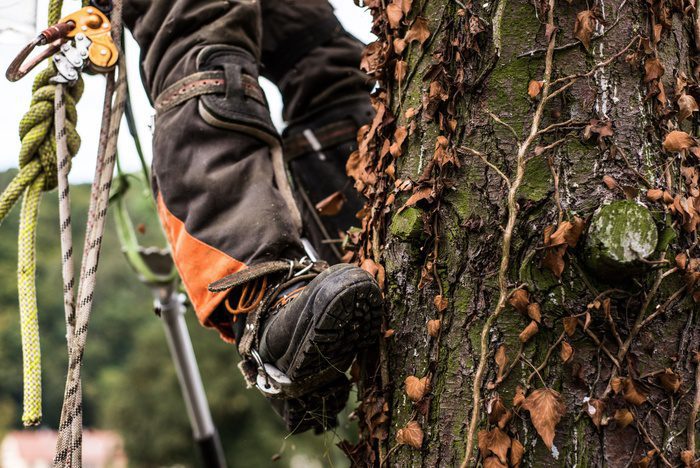
Tree care requires precision, patience, and a deep understanding of living systems. Professionals who work high in the canopy rely on methods that protect both their safety and the long-term health of trees. How arborists climb trees without harming them depends on careful choices that reduce stress on bark, branches, and roots.
These practices have evolved alongside growing awareness of environmental impact. Arborists now approach each climb with a focus on preservation, knowing that even small actions can affect a tree’s ability to thrive.
Why Gentle Climbing Matters for Tree Health
Trees act as carbon sinks, wildlife habitats, and natural cooling systems. Damage to bark or internal tissue opens the door to disease and decay. Because of that, arborists avoid techniques that create unnecessary wounds.
Healthy bark protects the vascular system that moves water and nutrients. When climbing methods respect that structure, trees maintain their strength and resilience. This connection ties arborist practices directly to environmental health.
Rope Systems That Replace Harmful Methods
Older climbing methods relied on spikes driven into the trunk. While those tools still serve a purpose during removals, they have no place in routine care.
Modern arborists use rope systems that allow them to ascend without piercing the tree. They install climbing lines over strong branches, which spreads the weight across a wider area. This setup reduces pressure on any single point.
Climbers also use friction-reducing tools at points where ropes contact bark. These devices prevent abrasion and protect the tree’s outer layer.
Two systems guide most climbs:
- Moving Rope System, where the rope moves with the climber
- Stationary Rope System, where the rope remains fixed during ascent
Each system supports controlled movement while minimizing impact.
Moving Through the Canopy With Care
Climbing involves constant adjustment. Arborists shift their position while staying aware of how each movement affects the tree.
They spread their weight across multiple branches rather than relying on a single one. This habit reduces strain and helps prevent breakage. At the same time, they avoid dragging ropes across bark, which can cause friction damage.
Planning plays a major role here. Before leaving the ground, arborists study the tree’s structure and map a path that limits repeated contact with the same areas. That preparation reduces wear and keeps the climb efficient.
Equipment That Supports Low-Impact Work
Modern gear helps arborists work with precision. Harnesses distribute weight evenly, which allows smoother movement through the canopy. Ropes designed for arboriculture balance durability with flexibility, which helps them interact more gently with bark.
Hardware, such as pulleys, improves rope management and reduces friction. Arborists also add protective sleeves when working on sensitive trees. These small adjustments add up and protect the tree throughout a climb.
Managing Force and Movement
Every step in a tree creates force. Arborists pay close attention to how that force transfers through branches and anchor points.
They factor in things like the fall factor in real work-at-height scenarios, which helps them understand how a short drop could affect both the rope and the tree. That awareness shapes how they position themselves and manage slack in the system.
By keeping movements controlled and predictable, climbers avoid sudden stress that could damage branches or weaken structural integrity.
Pruning Without Causing Harm
Climbing often supports pruning work. Arborists remove dead or diseased branches to improve safety and health, yet each cut requires careful placement.
They cut just outside the branch collar, which allows the tree to seal the wound naturally. Clean cuts reduce exposure to pests and disease.
Timing also matters. Arborists avoid removing too much at once, since that can stress the tree and reduce its ability to produce energy. Gradual pruning supports steady recovery and long-term health.
Protecting Roots and Soil
Tree care extends beyond the canopy to include the health of the roots, which serve as the tree’s foundation by anchoring it securely and supplying vital nutrients.
Soil conditions play a crucial role in overall tree health, as compacted soil can hinder root growth and function. Heavy foot traffic, machinery, or landscaping equipment can compact the soil around the root zone, making it difficult for roots to access air, water, and nutrients.
To mitigate this, arborists often restrict movement near the tree’s base and carefully plan their approach to minimize disturbance. In some cases, they use protective barriers or mulch to maintain soil aeration and prevent compaction, thereby supporting the tree’s stability and health.
Training Shapes Responsible Practices
Professional arborists follow standards set by organizations such as the International Society of Arboriculture (ISA) and the Tree Care Industry Association. These groups outline proper pruning, climbing systems, and job safety.
ISA certification requires knowledge of tree biology, pest management, and safe work practices, as well as a comprehensive exam. Arborists also complete continuing education to maintain their credentials.
Climbing training covers rope systems, anchor selection, and aerial rescue. Standards like ANSI Z133 guide arborists in managing risk while working at height, helping protect both the climber and the tree.
How These Practices Support the Environment
Trees support biodiversity and help regulate climate conditions. Careless climbing can disrupt habitats or weaken trees over time.
Low-impact methods preserve those natural benefits. Arborists remain aware of wildlife activity and adjust their work to avoid disruption. In urban areas, healthy trees improve air quality and reduce heat, which makes proper care even more valuable.
Practical Habits Arborists Follow
Experienced climbers rely on consistent habits that protect trees during every job. These habits guide decisions from start to finish.
Everyday Practices That Reduce Impact
- Inspect the tree from the ground to identify strong anchor points and weak limbs
- Choose anchor points that spread weight safely across stable branches
- Use friction-saving devices wherever ropes contact bark
- Move carefully through the canopy to avoid repeated pressure on the same area
- Keep tools secured to prevent accidental contact with bark
- Remove ropes and equipment slowly to avoid abrasion
Each action supports a careful, controlled climb that protects the tree’s structure.
A Sustainable Approach to Tree Care
Modern arboriculture continues to evolve alongside environmental awareness. New tools and refined techniques help reduce impact while improving efficiency.
At its core, the way professionals approach how arborists climb trees without harming them comes down to restraint, planning, and respect for living systems. Every careful movement supports the health of individual trees and the ecosystems that depend on them.