



The Hidden Runoff Risk of Outdoor Cleaning Jobs
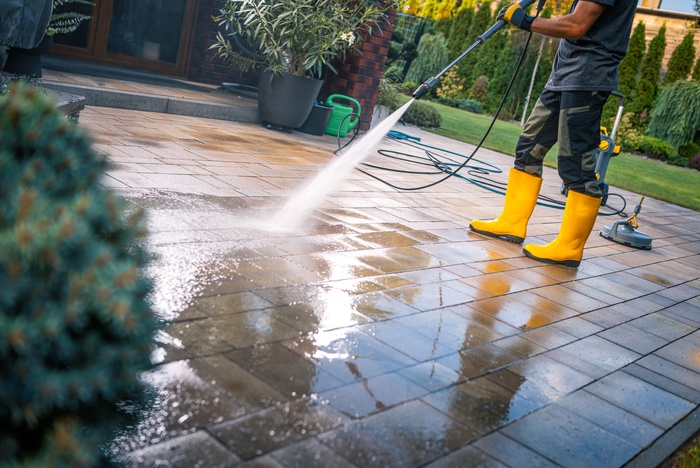
Outdoor cleaning can make a surface look better in minutes, but the water left behind does not simply disappear. In parking lots, fleet yards, construction sites, loading zones, and other paved spaces, that runoff can carry more than visible dirt. It may also move detergents, oils, grease, sediment, road residue, salt traces, metals, and organic debris toward drains or nearby waterways.
That is the hidden runoff risk of outdoor cleaning jobs: a routine maintenance task can unintentionally move pollution from one place to another. Without a plan for where the water goes, contaminants may be carried into stormwater systems instead of being handled responsibly.
Seeing Wash Water as More Than Dirty Water
The phrase “wash water” sounds harmless, but it can contain a complicated mix of materials. A vehicle or piece of equipment may carry oil residue, road grime, or other contaminants picked up through daily use.
Even cleaning products designed for responsible use can create problems when they are improperly diluted or allowed to move directly into drainage systems. A product may be safer than a harsher alternative and still be unsuitable for unrestricted release into the environment. The issue is not only what is used, but how much is used, where it travels, and whether it has a chance to be filtered or treated.
This is especially important on hard surfaces. Sometimes, surrounding surface areas can help slow and filter water in some settings. Pavement does the opposite. It allows water to move quickly, often carrying pollutants with it.
Tracing Runoff to Local Waterways
Many outdoor cleaning jobs happen near storm drains or sloped pavement. These features are designed to move water away from buildings and hardscaped areas. That function is important for flood control, but it can also create a direct path from a cleaning site to a nearby water source.
Unlike water that enters a sanitary sewer system, stormwater is not always treated before it reaches the environment. In many places, storm drains are built to move rainwater, not to process polluted water. When wash water flows into those systems, the pollutants it carries may move along with it.
One small cleaning job may not seem significant. The larger issue is repetition. Outdoor washing happens every day across the world. When many small sources of runoff occur across a watershed, they can collectively add pressure to local water quality.
Understanding the Challenge of Mobile Cleaning
Fixed wash bays and commercial cleaning facilities can be designed with drainage, containment, filtration, or wastewater handling in mind. Mobile and field-based cleaning is more variable. The work moves from site to site, and every location has different environmental conditions.
A mobile crew might clean vehicles in a fleet lot one day, equipment at a construction site the next, and paved surfaces at a commercial property later in the week. Each location may have a different slope, surface material, drainage layout, soil type, and proximity to sensitive areas. A site with no visible waterway nearby can still connect to one through underground drainage or roadside ditches.
That variability makes planning essential. The environmental risk is not simply that cleaning is happening outdoors. It is that contaminants are being introduced into a location that may not be prepared to manage them.
Planning the Site Before Water Moves
The most effective runoff prevention often happens before the first hose is turned on. A site walk-through can show where water is likely to flow, whether drains are nearby, and which areas should be avoided. Crews and property managers can look for slopes, cracks, soil edges, landscaped areas, storm drain inlets, and low points where water may collect.
The weather matters, too. Washing before heavy rain can make containment harder and increase the chance that loosened material will be carried off-site. Wind can also spread mist or overspray toward areas that were not meant to be part of the job.
In some cases, the best choice is to move the work to a more appropriate area. In others, it may mean using drain protection or other controls that keep solids and wash water from spreading. Even basic steps, such as sweeping or collecting loose debris before washing, can reduce the amount of material that enters the water stream.
Good planning also includes thinking about what happens after the job. Sludge, sediment, filters, absorbent pads, and collected debris should be handled as waste, not rinsed away as an afterthought.
Reducing Water and Product Waste
Runoff prevention is closely tied to resource efficiency. The more water used, the more water must be controlled. The more product applied, the more product can potentially move beyond the cleaning area. Responsible outdoor cleaning means matching the method to the surface instead of assuming that more water or more products will produce a better result.
Measured application can help reduce waste. So can choosing lower-impact products where appropriate, following dilution instructions carefully, and avoiding unnecessary repeat rinsing. Equipment organization also matters. When crews know all of their products and equipment are located, they are less likely to improvise in ways that create excess runoff.
For crews working across different areas everyday, a well-organized mobile cleaning setup can help standardize processes before runoff becomes harder to control.
This kind of planning does not require outdoor cleaning to stop. It simply recognizes that routine maintenance should be treated as part of a broader environmental management process.
Building Outdoor Cleaning Into Sustainability Planning
Many organizations already think about energy use, recycling, transportation, landscaping, and water conservation as part of sustainability planning. Outdoor cleaning deserves a place in that conversation.
Property managers can ask where wash water goes. Municipalities can consider how public facilities and fleet areas are cleaned. Event organizers can plan for cleanup in ways that do not overload drains or damage nearby soil. Businesses can include runoff expectations in contracts with vendors. Homeowners and consumers can also pay attention to whether outdoor washing sends water into the street or toward areas where it may cause harm.
Recognizing the hidden runoff risk behind outdoor cleaning work does not mean turning every cleaning task into a major project. It means making the environmental pathway visible. Once people understand where wash water travels, they can make better decisions about when, where, and how cleaning should happen.
Protecting Clean Surfaces and Clean Water
Outdoor cleaning often happens in the background. It is part of keeping vehicles usable, worksites safe, buildings presentable, and public spaces functional. But when wash water is ignored, a useful maintenance task can unintentionally contribute to water pollution.
Treating outdoor cleaning as a runoff issue changes that. It encourages better site careful water control and more responsible disposal. Those choices may seem small on a single job, but across neighborhoods, businesses, campuses, farms, and transportation networks, they can help reduce the pollutants moving through local watersheds.
Clean surfaces should not come at the expense of clean water. With better planning, outdoor cleaning can support both.