






Top Five Challenges Businesses Encounter When Implementing Sustainable Practices Effectively

Implementing sustainable practices is essential for modern businesses aiming to thrive in an increasingly eco-conscious market. However, many organizations face significant challenges that hinder their ability to adopt these practices effectively. This article explores the top five challenges businesses encounter when implementing sustainable practices, providing insights into the underlying issues and potential solutions. Readers will learn about initial resistance to change, significant initial investments, limited expertise, supply chain complexity, and consumer expectations. By understanding these challenges, businesses can develop strategies to overcome them and enhance their sustainability efforts.
The top five challenges businesses encounter when implementing sustainable practices are:
Sustainable practices are often met with various obstacles that can impede their successful implementation. Here are the five primary challenges businesses face:
1. Initial Resistance to Change

Initial resistance to change is a common barrier that organizations encounter when attempting to implement sustainable practices. Employees and management may be hesitant to adopt new methods due to fear of the unknown or a lack of understanding of the benefits. This resistance can manifest in various ways, such as reluctance to alter established workflows or skepticism about the effectiveness of new initiatives. To overcome this challenge, businesses can foster a culture of openness and communication, emphasizing the long-term benefits of sustainability. Engaging employees through lifestyle changes and discussions can help alleviate fears and encourage a more proactive approach to change.
2. Significant Initial Investment
The significant initial investment required for sustainable practices can deter businesses from making the necessary changes. Implementing green technologies or sustainable processes often involves high upfront costs, which can be a barrier for many organizations, especially small to medium-sized enterprises. However, it is essential to view these investments as long-term savings rather than immediate expenses. By analyzing the potential return on investment (ROI) and the long-term cost savings associated with energy efficiency and waste reduction, businesses can better justify these initial expenditures. Additionally, exploring funding options and incentives for sustainable initiatives can help mitigate financial burdens.
3. Limited Expertise
Limited expertise in sustainable practices is another challenge that businesses face. Many organizations lack the necessary knowledge or skills to implement effective sustainability strategies, which can lead to ineffective or poorly executed initiatives. To address this issue, companies can invest in training and education for their employees, ensuring they are equipped with the knowledge needed to drive sustainability efforts. Collaborating with external experts or consultants can also provide valuable insights and guidance, helping businesses navigate the complexities of sustainable practices.
4. Supply Chain Complexity
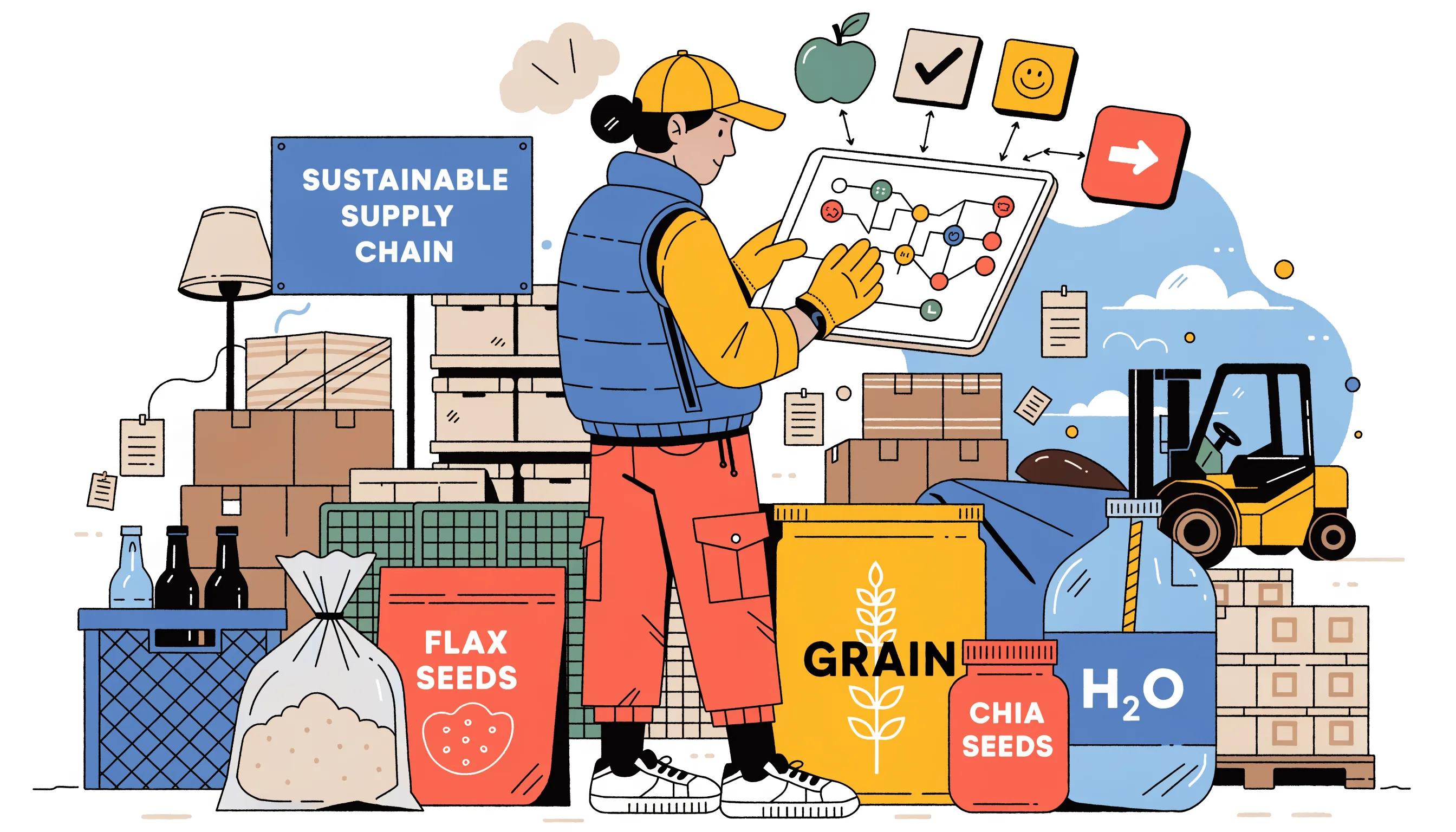
Supply chain complexity poses a significant challenge for businesses striving to implement sustainable practices. Ensuring sustainability across the entire supply chain requires coordination and collaboration with multiple stakeholders, which can be difficult to achieve. Companies must consider the environmental impact of their suppliers and the sustainability of their sourcing practices. To overcome this challenge, businesses can adopt a more transparent supply chain model, engaging with suppliers to establish clear sustainability standards and expectations. Implementing technology solutions that enhance supply chain visibility can also help identify areas for improvement and drive more sustainable practices.
5. Consumer Expectations
Consumer expectations regarding sustainability are continually evolving, and businesses must adapt to meet these demands. Today’s consumers are increasingly aware of environmental issues and often prefer to support brands that demonstrate a commitment to sustainability. This shift in consumer behavior can create pressure on businesses to implement sustainable practices quickly. To address this challenge, companies should actively communicate their sustainability efforts and engage with consumers to understand their preferences. By aligning their practices with consumer expectations, businesses can enhance their brand reputation and foster customer loyalty.
To overcome these challenges, businesses can employ the following strategies:
Addressing the challenges of implementing sustainable practices requires a strategic approach. Here are several effective strategies businesses can employ:
- Clear Leadership and Communication: Establishing strong leadership and clear communication channels is crucial for driving sustainability initiatives. Leaders should articulate the vision and benefits of sustainability to inspire and motivate employees.
- Training and Education: Investing in training programs can equip employees with the knowledge and skills needed to implement sustainable practices effectively. Continuous education fosters a culture of sustainability within the organization.
- Long-term Commitment: Businesses should commit to sustainability as a long-term goal rather than a short-term trend. This commitment can be demonstrated through consistent investments in sustainable practices and ongoing evaluation of progress.
- Engagement with Stakeholders: Engaging with stakeholders, including employees, suppliers, and customers, can provide valuable insights and foster collaboration. This engagement can lead to innovative solutions and a shared commitment to sustainability.
- Incremental Changes: Implementing sustainability initiatives incrementally can make the process more manageable and less overwhelming. By starting with small changes, businesses can build momentum and gradually expand their sustainability efforts.
What Are the Financial Barriers to Implementing Sustainable Business Practices?
Financial barriers are a significant concern for businesses looking to implement sustainable practices. Upfront costs associated with green technologies and sustainable processes can be daunting, particularly for smaller organizations. Additionally, funding challenges may arise when seeking financial support for sustainability initiatives. Understanding the potential return on investment (ROI) is crucial for justifying these expenses. Businesses should conduct thorough financial analyses to assess the long-term savings and benefits of sustainable practices, which can help alleviate concerns about initial costs.
How Do Cost Barriers Impact Corporate Sustainability Strategies?
Cost barriers can significantly impact corporate sustainability strategies by influencing decision-making processes. When faced with high initial investments, businesses may prioritize short-term financial gains over long-term sustainability goals. This focus on immediate profitability can hinder the adoption of innovative practices that contribute to environmental sustainability. To counteract this effect, organizations should incorporate sustainability into their long-term strategic planning, ensuring that financial considerations align with their commitment to sustainable practices.
What Are Effective Cost Management Solutions for Green Practices?
Implementing effective cost management solutions is essential for businesses aiming to adopt green practices. Here are several strategies that can help manage costs effectively:
- Invest in Energy Efficiency: Upgrading to energy-efficient technologies can lead to significant cost savings over time. Businesses should evaluate their energy consumption and identify areas for improvement.
- Adopt Renewable Energy: Transitioning to renewable energy sources can reduce reliance on fossil fuels and lower energy costs in the long run. Exploring options such as solar or wind energy can provide sustainable solutions.
- Implement Sustainable Sourcing: Businesses can reduce costs by sourcing materials sustainably, which often leads to lower waste and improved efficiency. Establishing partnerships with eco-friendly suppliers can enhance sustainability efforts.
Which Regulatory and Environmental Compliance Challenges Do Businesses Face?
Regulatory and environmental compliance challenges are critical considerations for businesses implementing sustainable practices. Companies must navigate a complex landscape of regulations that govern environmental standards and sustainability practices. Compliance requirements can vary significantly by region and industry, making it essential for businesses to stay informed about relevant regulations. Failure to comply with these regulations can result in legal penalties and damage to a company’s reputation. Therefore, organizations should prioritize compliance by conducting regular audits and engaging with environmental consultants to ensure adherence to regulations.
How Do Changing Sustainability Regulations Affect Business Operations?
Changing sustainability regulations can have a profound impact on business operations. As governments and regulatory bodies introduce new environmental standards, companies must adapt their practices to remain compliant. This adaptation may require significant changes to operational processes, supply chain management, and product development. Businesses that proactively monitor regulatory changes and adjust their strategies accordingly can gain a competitive advantage by positioning themselves as leaders in sustainability.
What Are Best Practices for Meeting Environmental Compliance Requirements?
Meeting environmental compliance requirements involves implementing best practices that ensure adherence to regulations. Here are several effective strategies:
- Conduct Environmental Audits: Regular environmental audits can help businesses identify areas of non-compliance and develop action plans to address them.
- Stay Informed on Regulations: Keeping abreast of changes in environmental regulations is crucial for maintaining compliance. Businesses should establish processes for monitoring regulatory updates.
- Engage Environmental Consultants: Collaborating with environmental consultants can provide valuable expertise and guidance in navigating complex compliance requirements.
How Does Employee Engagement Influence the Success of Sustainable Practices?
Employee engagement plays a vital role in the success of sustainable practices within organizations. When employees are actively involved in sustainability initiatives, they are more likely to embrace and support these efforts. Engaged employees contribute to a positive organizational culture that prioritizes sustainability and innovation. To foster employee engagement, businesses should create opportunities for participation in sustainability initiatives, such as green teams or volunteer programs. Recognizing and rewarding employee contributions can further enhance engagement and commitment to sustainability.
Why Is Employee Involvement Critical in Sustainability Initiatives?
Employee involvement is critical in sustainability initiatives because it fosters a sense of ownership and accountability. When employees feel that their contributions matter, they are more likely to take initiative and advocate for sustainable practices. This involvement can lead to innovative ideas and solutions that drive sustainability efforts forward. Additionally, engaged employees can serve as ambassadors for sustainability, promoting the organization’s commitment to environmental responsibility both internally and externally.
What Strategies Enhance Organizational Culture for Green Practices?
Enhancing organizational culture for green practices requires intentional strategies that promote sustainability as a core value. Here are several effective approaches:
- Onboarding and Training: Incorporating sustainability into onboarding and training programs can instill a culture of environmental responsibility from the outset.
- Creating Green Teams: Establishing dedicated teams focused on sustainability initiatives can empower employees to take action and drive change within the organization.
- Transparent Communication: Maintaining open lines of communication about sustainability goals and progress fosters a culture of accountability and collaboration.
What Supply Chain Sustainability Issues Hinder Effective Implementation?
Supply chain sustainability issues can significantly hinder the effective implementation of sustainable practices. The complexity of modern supply chains often makes it challenging to ensure that all suppliers adhere to sustainability standards. Additionally, consumer expectations for transparency and ethical sourcing can create pressure on businesses to demonstrate their commitment to sustainability throughout the supply chain. To address these issues, organizations should prioritize supply chain transparency and engage with suppliers to establish clear sustainability criteria.
How Does Supply Chain Transparency Affect Corporate Sustainability?
Supply chain transparency is crucial for corporate sustainability as it allows businesses to identify risks and opportunities for improvement. By providing visibility into sourcing practices and supplier performance, companies can make informed decisions that align with their sustainability goals. Transparency also builds consumer trust, as customers increasingly seek to support brands that demonstrate ethical and sustainable practices. Implementing technology solutions that enhance supply chain visibility can further facilitate transparency and accountability.
What Are Solutions to Overcome Supply Chain Management Challenges?
Overcoming supply chain management challenges requires strategic solutions that prioritize sustainability. Here are several effective approaches:
- Supplier Selection and Audits: Establishing criteria for supplier selection based on sustainability practices can help ensure alignment with corporate sustainability goals. Regular audits can further assess supplier compliance.
- Setting Clear Standards: Defining clear sustainability standards for suppliers can facilitate better communication and expectations, leading to improved collaboration.
- Investing in Sustainable Technologies: Implementing technologies that enhance supply chain efficiency and sustainability can reduce waste and improve overall performance.
How Can Businesses Measure and Report Their Sustainability Impact Accurately?
Measuring and reporting sustainability impact accurately is essential for businesses seeking to demonstrate their commitment to environmental responsibility. Organizations must establish clear metrics and benchmarks to assess their sustainability performance effectively. This process often involves conducting environmental audits and utilizing tools for carbon accounting. Accurate reporting not only enhances transparency but also allows businesses to identify areas for improvement and track progress over time.
What Are the Challenges in Sustainability Reporting and Measurement?
Sustainability reporting and measurement can present several challenges for businesses. Data collection and accuracy are often significant concerns, as organizations may struggle to gather reliable information on their sustainability performance. Additionally, the risk of greenwashing—misleading claims about sustainability efforts—can undermine credibility and trust. To address these challenges, businesses should prioritize data integrity and transparency in their reporting processes.
Which Tools and Frameworks Support Effective Sustainability Reporting?
Several tools and frameworks can support effective sustainability reporting, helping businesses communicate their efforts transparently. Here are a few notable options:
- Global Reporting Initiative (GRI): The GRI provides a comprehensive framework for sustainability reporting, offering guidelines for measuring and disclosing sustainability performance.
- Sustainability Accounting Standards Board (SASB): SASB offers industry-specific standards for sustainability reporting, enabling businesses to disclose relevant information to investors and stakeholders.
- Carbon Disclosure Project (CDP): The CDP facilitates transparency in environmental impact by encouraging companies to disclose their carbon emissions and climate-related risks.
What Role Does Green Technology Adoption Play in Overcoming Sustainability Challenges?
Green technology adoption plays a pivotal role in overcoming sustainability challenges by providing innovative solutions that enhance efficiency and reduce environmental impact. Technologies such as renewable energy systems, energy-efficient appliances, and waste management solutions can significantly contribute to a company’s sustainability goals. By leveraging green technologies, businesses can address upfront costs and operational inefficiencies, ultimately leading to improved sustainability outcomes.
What Are Common Barriers to Implementing Green Technologies?
Despite the benefits of green technology, several barriers can hinder its implementation. Upfront costs associated with purchasing and installing new technologies can be a significant deterrent for many organizations. Additionally, limited expertise in utilizing these technologies can lead to ineffective implementation. To overcome these barriers, businesses should explore financing options, such as grants or incentives, and invest in training programs to build internal expertise.
How Can Businesses Leverage Technology to Enhance Sustainability?
Businesses can leverage technology to enhance sustainability in various ways. For instance, artificial intelligence (AI) can optimize energy management by analyzing consumption patterns and identifying opportunities for efficiency improvements. Additionally, blockchain technology can enhance supply chain transparency by providing a secure and immutable record of transactions. By embracing innovative technologies, organizations can drive their sustainability efforts forward and achieve meaningful impact.
How Does Corporate Social Responsibility Integrate with Sustainable Business Practices?
Corporate social responsibility (CSR) is closely intertwined with sustainable business practices, as both concepts emphasize the importance of ethical and responsible behavior. CSR initiatives often focus on environmental stewardship, community engagement, and ethical business practices, aligning with the goals of sustainability. By integrating CSR into their operations, businesses can enhance their reputation and build trust with stakeholders.
Why Is CSR Essential for Addressing Sustainability Challenges?
CSR is essential for addressing sustainability challenges because it fosters a holistic approach to business operations. By prioritizing social and environmental responsibility, organizations can create positive impacts that extend beyond their immediate operations. This commitment to CSR can enhance brand loyalty and attract customers who value sustainability, ultimately contributing to long-term success.
How Can CSR Initiatives Support Climate Change Action?
CSR initiatives can play a vital role in supporting climate change action by promoting sustainable practices and raising awareness about environmental issues. Businesses can engage in community outreach programs, support renewable energy projects, and advocate for policies that address climate change. By aligning their CSR efforts with climate action, organizations can contribute to a more sustainable future.
What Are Emerging Trends and Solutions to Overcome Corporate Sustainability Obstacles?
Emerging trends and solutions are continually shaping the landscape of corporate sustainability. Innovative technologies, such as carbon capture and storage, are gaining traction as businesses seek to reduce their carbon footprints. Additionally, the rise of circular economy models encourages organizations to rethink their production and consumption patterns, promoting sustainability at every stage of the supply chain. By staying informed about these trends and adopting innovative solutions, businesses can effectively overcome sustainability obstacles and drive meaningful change.