



A Step-By-Step Guide For Choosing The Right Pump For Your Agriculture Needs
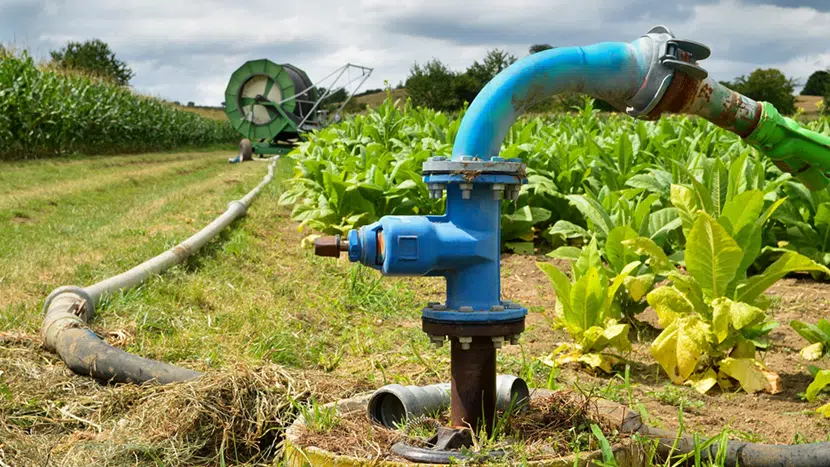
Efficient irrigation is the backbone of productive agriculture. With water being one of the most critical resources in farming, selecting the right pump for your irrigation system is essential. Whether you’re managing a small farm or a large agricultural operation, having a pump tailored to your needs can improve water distribution, enhance crop yields, and reduce operational costs. This guide walks you through the key aspects of choosing the right pump for your agricultural needs, covering everything from pump types to maintenance tips.
1. Introduction
Irrigation pumps play a crucial role in modern farming, ensuring that water reaches crops effectively and efficiently. Choosing the right pump involves understanding your irrigation system’s requirements, the type of water source available, and the specific needs of your crops. This guide provides a comprehensive overview to help you make an informed decision.
2. Understanding Irrigation Pumps: Definition and Purpose
An irrigation pump is a mechanical device designed to move water from a source—such as a well, river, or reservoir—to an irrigation system. These pumps create the necessary pressure to distribute water evenly across your fields. By selecting the best agricultural irrigation pump, you can:
- Optimize water use.
- Maintain consistent flow rates.
- Prevent water waste and over-irrigation.
3. Common Types of Irrigation Pumps in Agriculture
There are several types of irrigation pumps, each suited to specific applications and water sources. Understanding the options available is the first step in choosing the top agricultural irrigation pump for your needs.
Centrifugal Pumps
- Use a rotating impeller to create water flow.
- Ideal for surface water sources, such as rivers or lakes.
Submersible Pumps
- Installed underwater, directly in wells or reservoirs.
- Suitable for deep water sources, providing high efficiency for lifting water.
Turbine Pumps
- Designed for wells or open water sources.
- Offer high flow rates and are suitable for large-scale irrigation systems.
Diaphragm Pumps
- Use a flexible diaphragm to move water.
- Ideal for precise applications, such as fertigation or chemical injection.
4. Essential Features of Agricultural Water Pumps
When evaluating irrigation pumps, pay attention to key features that influence performance and suitability for agricultural applications.
1. Energy Efficiency
Energy-efficient pumps reduce operational costs, especially for large-scale irrigation systems.
2. Pressure Capabilities
Different crops and irrigation methods (e.g., drip, sprinkler, or flood irrigation) require varying pressure levels. Ensure the pump meets your system’s specifications.
3. Durability
Agricultural pumps must withstand harsh environmental conditions. Choose pumps with corrosion-resistant materials, especially if using water with high mineral content.
5. Flow Rate and Pressure: Key Performance Metrics
Flow rate and pressure are critical factors when selecting an irrigation pump.
- Flow Rate: Measured in gallons per minute (GPM) or liters per second (LPS), the flow rate indicates how much water the pump can deliver in a given time.
- Pressure: Measured in pounds per square inch (PSI) or meters of head, pressure determines how far and how evenly water is distributed across your fields.
Matching Metrics to Your Needs:
- For sprinkler systems, higher pressure is required to ensure even water distribution.
- Drip irrigation systems often prioritize consistent flow rates at lower pressure levels.
6. Durable Design: Materials and Construction Factors
The durability of an irrigation pump significantly impacts its lifespan and reliability. Here are key considerations:
Corrosion Resistance
If your water source contains salt, minerals, or other corrosive elements, choose pumps made of stainless steel or reinforced plastics.
Wear-Resistant Components
Look for pumps with wear-resistant seals and bearings, especially if your water source contains sand or sediment.
Ease of Maintenance
Select pumps with modular designs and accessible components to simplify repairs and upkeep.
7. Exploring Varieties of Agricultural Pumps
The choice of an agricultural pump depends on factors such as water source, terrain, and irrigation method. Below are the main types and their best-use scenarios:
Surface Pumps
- Best for shallow water sources.
- Commonly used in flood irrigation and small farms.
Well Pumps
- Ideal for extracting water from deep underground sources.
- Submersible or turbine pumps are commonly used.
Booster Pumps
- Increase pressure in existing irrigation systems.
- Useful in areas with uneven terrain or long distances between water sources and fields.
8. Installation Tips and Maintenance Best Practices
Proper installation and maintenance ensure the pump operates efficiently and reliably over its lifespan.
Installation Tips
- Site Selection: Choose a location with stable ground, minimal vibrations, and easy access for maintenance.
- Alignment: Ensure the pump and motor are aligned to avoid mechanical strain and wear.
- Priming: Follow the manufacturer’s instructions for priming to prevent airlocks in centrifugal pumps.
Maintenance Best Practices
- Routine Inspections: Check for leaks, unusual noises, or wear on components.
- Lubrication: Regularly lubricate bearings and other moving parts to reduce friction.
- Clean Intakes: Keep the pump intake free of debris to maintain optimal performance.
- Seal Checks: Inspect seals for wear and replace them as needed to prevent leaks.
9. Conclusion
Choosing the right pump for your agricultural needs is a vital decision that impacts crop health, water efficiency, and operational costs. By understanding the types of pumps available, evaluating key features, and implementing proper maintenance practices, you can optimize your irrigation system for long-term success.
Investing in the right irrigation pump is more than a purchase—it’s a commitment to sustainable farming practices and enhanced productivity. Take the time to assess your needs, and make an informed choice that will support your agricultural goals for years to come.