



Best Eco-Friendly Clothing Brands: A Guide to Sustainable Fashion

Best Eco-Friendly Clothing Brands: A Guide to Sustainable Fashion
As the fashion industry faces increasing scrutiny over its environmental impact, eco-friendly clothing brands are emerging as champions of sustainable practices. This comprehensive guide explores the principles that define eco-friendly clothing, the materials that contribute to sustainability, and the ethical manufacturing processes that shape brand integrity. Readers will learn how to identify truly sustainable brands and the certifications that validate their claims. With a focus on the top sustainable fashion brands to know in 2024–2025, this article will also delve into the contributions of vegan and slow fashion brands, practical tips for shopping, and the innovations shaping the future of sustainable fashion. By understanding these elements, consumers can make informed choices that support both their style and the planet.
What Defines an Eco-Friendly Clothing Brand?
An eco-friendly clothing brand is characterized by its commitment to sustainable practices that minimize environmental impact. This includes the ethical treatment of workers, the use of renewable energy, and the selection of high-quality, sustainable materials. Brands that prioritize eco-friendliness often implement transparent supply chains and engage in practices that reduce waste and carbon footprints. By adhering to these principles, eco-friendly brands not only contribute to environmental conservation but also promote social responsibility within the fashion industry.
Which Materials Are Considered Sustainable in Fashion?
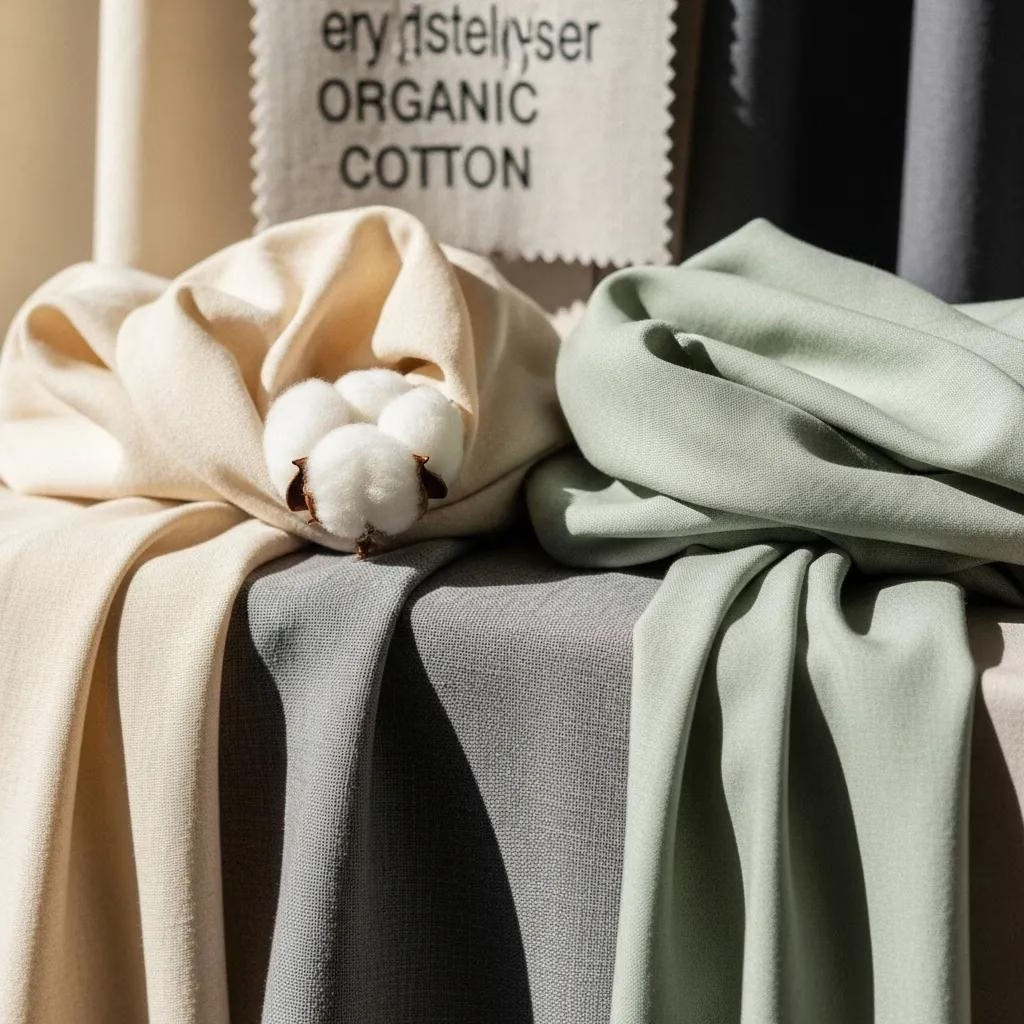
Sustainable fashion relies on materials that are environmentally friendly and ethically sourced. Key materials include:
- Organic Cotton: Grown without synthetic pesticides or fertilizers, organic cotton reduces chemical runoff and promotes soil health.
- Recycled Polyester: Made from post-consumer plastic bottles, recycled polyester helps divert waste from landfills and reduces the need for virgin materials.
- Tencel: Produced from sustainably sourced wood pulp, Tencel is biodegradable and requires less water than conventional cotton.
These materials not only lessen the environmental impact of clothing production but also offer consumers high-quality, durable options.
How Do Ethical Manufacturing and Climate Action Shape Brand Sustainability?
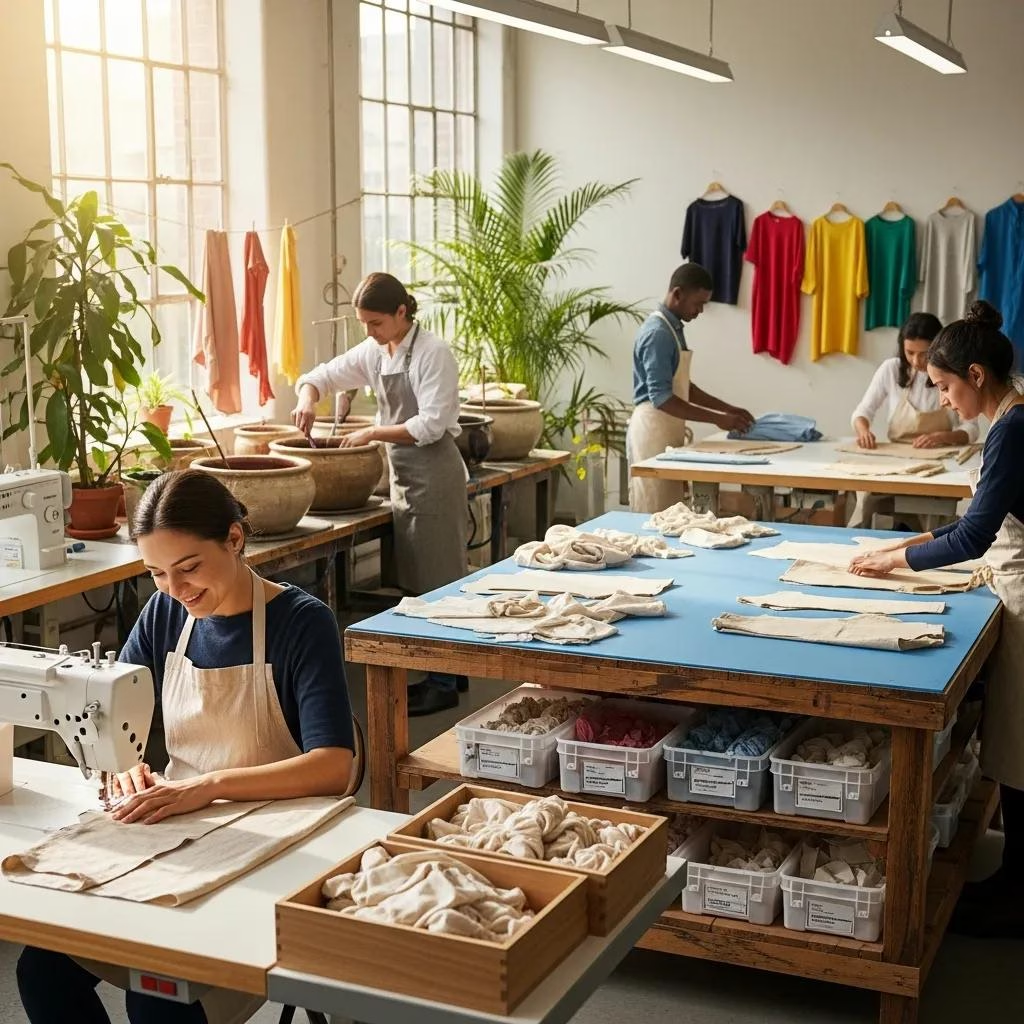
Ethical manufacturing practices are crucial for fostering sustainability in the fashion industry. Brands that prioritize ethical labor practices ensure fair wages and safe working conditions for their employees. This commitment not only enhances brand reputation but also influences consumer choices, as more shoppers seek out brands that align with their values. Furthermore, climate action initiatives, such as reducing carbon emissions and implementing renewable energy sources, play a significant role in shaping a brand’s sustainability profile. By integrating these practices, brands can contribute to a more sustainable future while appealing to environmentally conscious consumers.
Top Sustainable Fashion Brands to Know in 2024–2025
Several brands stand out for their commitment to sustainability and innovative practices. Here are some of the top sustainable fashion brands to watch:
- Patagonia: Known for its environmental activism, Patagonia offers a Worn Wear program that encourages customers to repair and recycle their clothing.
- Reformation: This brand is celebrated for its transparency in sourcing and production, providing detailed information about the environmental impact of each garment.
- Eileen Fisher: With its Renew program, Eileen Fisher focuses on upcycling and recycling old garments, promoting a circular economy in fashion.
What Makes Patagonia, Reformation, and Eileen Fisher Leaders in Eco-Friendly Apparel?
These brands exemplify leadership in sustainable practices through their innovative approaches:
This table highlights how these brands not only claim sustainability but also back it up with certifications that validate their practices.
Further research underscores how brands like Patagonia are pioneering the integration of circular economy principles to mitigate the fashion industry’s environmental impact.
Patagonia’s Circular Economy in Fashion
This research paper addresses the relevance of transitioning the fashion industry towards a circular economy (CE) to mitigate its detrimental environmental impacts. By adopting a two-fold research approach, this study examines the theoretical foundations of circular economy and sustainability challenges faced by the industry, while also conducting a case study of Patagonia to provide practical strategies for integrating CE principles. The results underscore the importance of holistic approaches encompassing product design, materials sourcing, manufacturing processes, and end-of-life considerations. Recommendations include implementing recycling programs, promoting product longevity, and fostering industry collaboration. This research serves as a valuable resource, inspiring scholars and practitioners to embrace a circular textile economy that fosters sustainability by reducing waste and conserving resources.
Integrating circular economy principles in the fashion industry: a case study of Patagonia, HC Akdağ, 2024
How Do Vegan and Slow Fashion Brands Contribute to Sustainability?
Vegan and slow fashion brands play a vital role in promoting sustainability by focusing on ethical production methods and high-quality materials. Vegan brands eliminate animal-derived materials, opting for alternatives that reduce environmental harm. Slow fashion emphasizes quality over quantity, encouraging consumers to invest in timeless pieces rather than fast fashion trends. This approach not only minimizes waste but also fosters a deeper connection between consumers and their clothing, promoting mindful consumption.
A deeper look into the literature reveals how slow fashion directly counters the detrimental ecological and social impacts of fast fashion, advocating for ethical production and conscious consumption.
Slow Fashion: A Sustainable Alternative to Fast Fashion
This study synthesizes recent literature on the ecological and social impacts of fast fashion and explores slow fashion as a sustainable alternative. The findings indicate that fast fashion contributes approximately 10% of global carbon emissions, generates substantial volumes of textile and microplastic waste, and consumes excessive amounts of water. From a social perspective, the industry is strongly associated with labor exploitation, wage inequality, unsafe working conditions, and violations of workers’ rights, disproportionately affecting women in developing countries. As a response to these challenges, slow fashion emphasizes ethical production, conscious consumption, and product durability, with adoption influenced by consumers’ moral awareness and self-identity.
Transformation Toward Slow Fashion: A Literature Synthesis on the Ecological and Social Impacts of Fast Fashion, YSA Sormin, 2025
How to Identify Truly Ethical Clothing Companies: Certifications and Transparency
Identifying ethical clothing companies requires an understanding of key certifications and transparency indicators. Certifications such as GOTS (Global Organic Textile Standard), Fair Trade, and OEKO-TEX provide assurance that brands adhere to specific environmental and social standards. Additionally, brands that openly share their supply chain practices and production processes demonstrate a commitment to transparency, allowing consumers to make informed choices. By prioritizing these factors, shoppers can support brands that align with their values.
Academic research further emphasizes the critical role of certifications and standardization in validating sustainable fashion practices, ensuring resource efficiency and environmental protection.
Sustainable Fashion Certifications & Standards
Sustainable fashion refers to textile materials and processes that are environmentally friendly. To achieve sustainable fashion, it is ensured that entire value chains, including design, manufacturing, distribution, and utilization, adhere to the principles of resource efficiency, pollution prevention, and circularity. Sustainable fashion certification plays a crucial role by codifying criteria for efficient resource use, waste reduction, and the adoption of eco-friendly materials. These efforts lower the carbon footprint and conserve natural resources. Therefore, certification and standardization serve as essential tools for evaluating a product’s environmental sustainability, commercial viability, and overall contribution to sustainable fashion.
Certification and Standardization in Sustainable Fashion Materials Production, VK Gupta, 2026
What Are Key Certifications Like GOTS, Fair Trade, and OEKO-TEX?
Certifications play a crucial role in validating the sustainability claims of clothing brands. Here are some key certifications to look for:
- GOTS: Ensures organic status of textiles, from harvesting of raw materials to environmentally and socially responsible manufacturing.
- Fair Trade: Guarantees fair wages and working conditions for producers, promoting social equity.
- OEKO-TEX: Certifies that textiles are free from harmful substances, ensuring safety for consumers and the environment.
These certifications provide consumers with confidence in their purchasing decisions, knowing that their clothing meets rigorous sustainability standards.
How Can Consumers Verify Supply Chain Transparency and Ethical Production?
Consumers can verify supply chain transparency and ethical production by researching brands and utilizing available resources. Key methods include:
- Checking Certifications: Look for recognized certifications that validate a brand’s sustainability claims.
- Using Consumer Guides: Resources like ethical fashion directories can help identify brands committed to sustainable practices.
- Assessing Brand Practices: Investigate how brands communicate their production processes and labor practices on their websites and social media.
By taking these steps, consumers can make informed choices that support ethical and sustainable fashion.
Why Choose Organic Cotton and Recycled Fabric Apparel? Benefits and Environmental Impact
Choosing organic cotton and recycled fabric apparel offers numerous benefits for both consumers and the environment. Organic cotton is grown without harmful chemicals, promoting healthier ecosystems and reducing water usage. Recycled fabrics, such as recycled polyester, help divert waste from landfills and decrease the demand for virgin materials. By opting for these sustainable options, consumers can contribute to resource conservation and support brands that prioritize environmental responsibility.
How Do Organic Cotton and Recycled Polyester Reduce Carbon Footprints?
Organic cotton and recycled polyester significantly reduce carbon footprints through various mechanisms. Organic cotton farming practices minimize chemical use, leading to lower greenhouse gas emissions. Recycled polyester, made from post-consumer plastic, reduces the need for new petroleum-based materials, further decreasing carbon emissions associated with production. By choosing these materials, consumers can actively participate in reducing their environmental impact.
Are Recycled Fabrics Durable and Fashionable?
Recycled fabrics are both durable and fashionable, challenging the misconception that sustainability compromises style. Many brands are now producing trendy clothing from recycled materials, ensuring that consumers do not have to sacrifice aesthetics for sustainability. The durability of recycled fabrics often matches or exceeds that of conventional materials, making them a practical choice for consumers seeking long-lasting apparel.
What Consumer Actions Support Climate Impact Reduction Through Sustainable Fashion?
Consumers can take several actions to support climate impact reduction through sustainable fashion:
- Researching Brands: Investigate the sustainability practices of brands before making purchases.
- Prioritizing Quality: Invest in high-quality, timeless pieces that will last longer and reduce the need for frequent replacements.
- Engaging in Recycling: Participate in clothing recycling programs to extend the life cycle of garments and reduce waste.
By adopting these practices, consumers can contribute to a more sustainable fashion industry.
How Can Slow Fashion and Upcycled Clothing Help the Environment?
Slow fashion and upcycled clothing offer significant environmental benefits by promoting resource conservation and reducing waste. Slow fashion encourages consumers to buy less and choose quality over quantity, which helps decrease the overall demand for new clothing production. Upcycled clothing, made from repurposed materials, diverts textiles from landfills and reduces the need for new resources. Together, these approaches foster a circular economy that benefits both the environment and consumers.
What Are Practical Tips for Shopping and Caring for Eco-Friendly Apparel?
When shopping for eco-friendly apparel, consider the following practical tips:
- Research Brands: Look for brands that prioritize sustainability and ethical practices.
- Care for Clothing: Follow care instructions to extend the life of garments, reducing the need for replacements.
- Support Independent Designers: Consider purchasing from small, independent brands that focus on sustainable practices.
These tips can help consumers make more informed choices and support the growth of sustainable fashion.
What Emerging Innovations and Trends Are Shaping the Future of Sustainable Fashion?
The future of sustainable fashion is being shaped by several emerging innovations and trends. Technological advancements in fabric production, such as bio-fabrication and 3D printing, are paving the way for more sustainable materials. Additionally, shifts in consumer behavior towards transparency and ethical practices are driving brands to adopt more sustainable approaches. As these trends continue to evolve, the fashion industry is likely to see significant changes that prioritize environmental responsibility.
How Are Biodegradable Textiles and Carbon Neutral Clothing Changing the Industry?
Biodegradable textiles and carbon neutral clothing are revolutionizing the fashion industry by offering solutions to waste and emissions. Biodegradable textiles break down naturally at the end of their life cycle, reducing landfill waste. Carbon neutral clothing brands offset their carbon emissions through various initiatives, such as reforestation and renewable energy investments. These innovations not only address pressing environmental issues but also set new standards for sustainability in fashion.
What Regulatory Changes Affect Sustainable Apparel Brands?
Regulatory changes are increasingly impacting sustainable apparel brands, as governments and organizations implement stricter environmental standards. These regulations often focus on reducing waste, promoting ethical labor practices, and ensuring transparency in supply chains. As brands adapt to these changes, they are likely to enhance their sustainability efforts, ultimately benefiting consumers and the environment alike.