



Best Organic Cleaning Products for a Greener Home
Best Organic Cleaning Products for a Greener Home
In an era where environmental consciousness is paramount, the demand for organic cleaning products has surged. These products not only promise effective cleaning but also prioritize the health of our planet and our homes. This article delves into the best organic cleaning products available, highlighting their natural ingredients, eco-certifications, and the benefits they offer. Many consumers are increasingly aware of the harmful chemicals found in conventional cleaning supplies, leading them to seek safer, greener alternatives. By choosing organic cleaning products, individuals can reduce their environmental footprint while ensuring a healthier living space. We will explore top organic cleaning products, the benefits of natural cleaning ingredients, eco-certifications, DIY recipes, and the environmental impact of cleaning products.
Top Organic Cleaning Products Reviewed
When it comes to selecting organic cleaning products, understanding their ingredients and certifications is crucial. Here, we review some of the best options available on the market, focusing on their key ingredients and eco-certifications.
These products exemplify the shift towards eco-friendly cleaning solutions, utilizing natural ingredients that are effective yet safe for both users and the environment. For instance, EcoClean’s use of vinegar not only provides a powerful cleaning action but also minimizes chemical exposure in the home.
Eco-Friendly Features of Organic Cleaners
Organic cleaning products often boast several eco-friendly features that set them apart from conventional options. These include:
- Biodegradable Ingredients: Many organic cleaners are made from plant-based ingredients that break down naturally, reducing environmental impact.
- Non-Toxic Formulations: These products are free from harmful chemicals, making them safer for children and pets.
- Sustainable Packaging: Many brands prioritize eco-friendly packaging, further minimizing their carbon footprint.
These features not only contribute to a cleaner home but also promote a healthier planet, aligning with the values of sustainability and environmental responsibility.
Natural Cleaning Ingredients and Their Benefits
Natural cleaning ingredients are the backbone of organic cleaning products. Understanding their benefits can help consumers make informed choices.
Common natural ingredients include:
- Vinegar: A powerful disinfectant that cuts through grease and grime while being safe for the environment.
- Baking Soda: Known for its deodorizing properties, it also acts as a gentle abrasive for scrubbing surfaces.
- Essential Oils: These not only provide pleasant scents but also possess antibacterial properties, enhancing the cleaning power of products.
The use of these ingredients ensures that cleaning is effective without compromising health or safety. For example, vinegar’s acidity helps to dissolve mineral deposits and kill bacteria, making it an excellent choice for kitchen and bathroom cleaning.
Understanding Eco-certifications and Labels
Eco-certifications play a vital role in helping consumers identify truly green products. Here are some common certifications to look for:
- USDA Organic: Indicates that the product meets strict organic standards.
- EcoLogo Certified: This certification ensures that the product has been evaluated for its environmental impact.
- Leaping Bunny Certified: Guarantees that no animal testing was conducted in the product’s development.
These certifications provide assurance that the products are not only effective but also align with eco-friendly practices. Understanding these labels can empower consumers to make choices that reflect their values.
DIY Organic Cleaning Recipes

Creating your own organic cleaning products at home can be both cost-effective and environmentally friendly. Here are a few simple recipes:
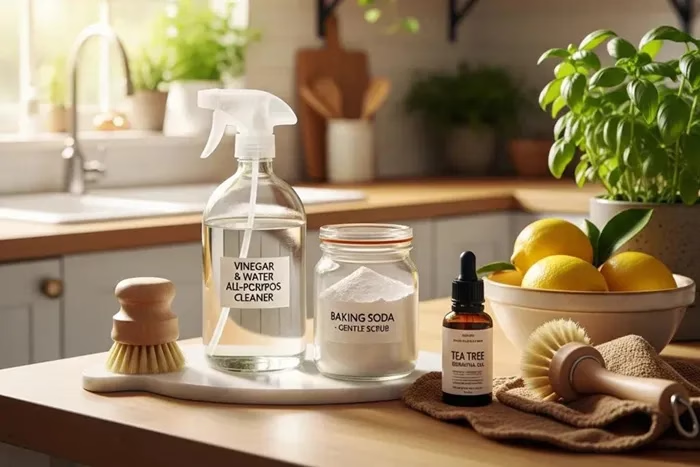
- All-Purpose Cleaner: Mix equal parts water and vinegar in a spray bottle. Add a few drops of essential oil for fragrance.
- Baking Soda Scrub: Combine baking soda with water to form a paste. Use it to scrub sinks, tubs, and countertops.
- Glass Cleaner: Mix one cup of water, one cup of vinegar, and a tablespoon of cornstarch in a spray bottle for a streak-free shine.
These DIY recipes utilize common household ingredients, making them accessible and easy to prepare. They also allow for customization based on personal preferences and cleaning needs.
Environmental Impact of Cleaning Products
The environmental impact of conventional cleaning products is significant, contributing to pollution and health hazards. In contrast, organic cleaning products offer a more sustainable alternative.
Key considerations include:
- Chemical Runoff: Conventional cleaners often contain phosphates and other harmful chemicals that can contaminate water sources.
- Air Quality: Many traditional cleaners release volatile organic compounds (VOCs) that can affect indoor air quality and contribute to respiratory issues.
- Sustainability: Organic products typically use renewable resources and biodegradable ingredients, reducing their overall environmental footprint.
By choosing organic cleaning products, consumers can help mitigate these impacts, promoting a healthier environment for future generations.
Research further supports the significant environmental benefits of choosing certified green cleaning products over their conventional counterparts.
Green Seal Certified Cleaners: Lower Environmental Impact
1. The goal of this study was to use life cycle assessment (LCA) methodology to assess the environmental impacts of industrial and institutional cleaning products that are compliant with the Green Seal Standard for Cleaning Products for Industrial and Institutional Use, GS-37, and conventional products (non-GS-37-compliant) products.
3. The conventional ready-to-use industrial and institutional cleaning product had the highest environmental impact in all product types and for the most impact categories analyzed. The GS-37-compliant products were lower than the conventional products in most impact categories studied. Furthermore, normalization of the results showed that the impact categories of marine ecotoxicity, human toxicity, and freshwater ecotoxicity were dominant, and the conventional products led these impact categories.
Comparative life cycle assessment of conventional and Green Seal-compliant industrial and institutional cleaning products, N Wilberforce, 2012
How to Transition to a Greener Cleaning Routine
Transitioning to a greener cleaning routine involves several steps:
- Assess Current Products: Review the cleaning products currently in use and identify harmful ingredients.
- Research Alternatives: Look for organic cleaning products that meet your cleaning needs and align with your values.
- Start Slowly: Replace conventional products with organic options gradually to ease the transition.
- DIY Solutions: Incorporate homemade cleaning recipes into your routine for a more sustainable approach.
By taking these steps, individuals can create a healthier home environment while contributing to a more sustainable future. The shift towards organic cleaning is not just a trend; it is a necessary change for the well-being of our planet and ourselves.