



Biodegradable Packaging: Why It Matters and How to Choose It
Biodegradable Packaging: Why It Matters and How to Choose It
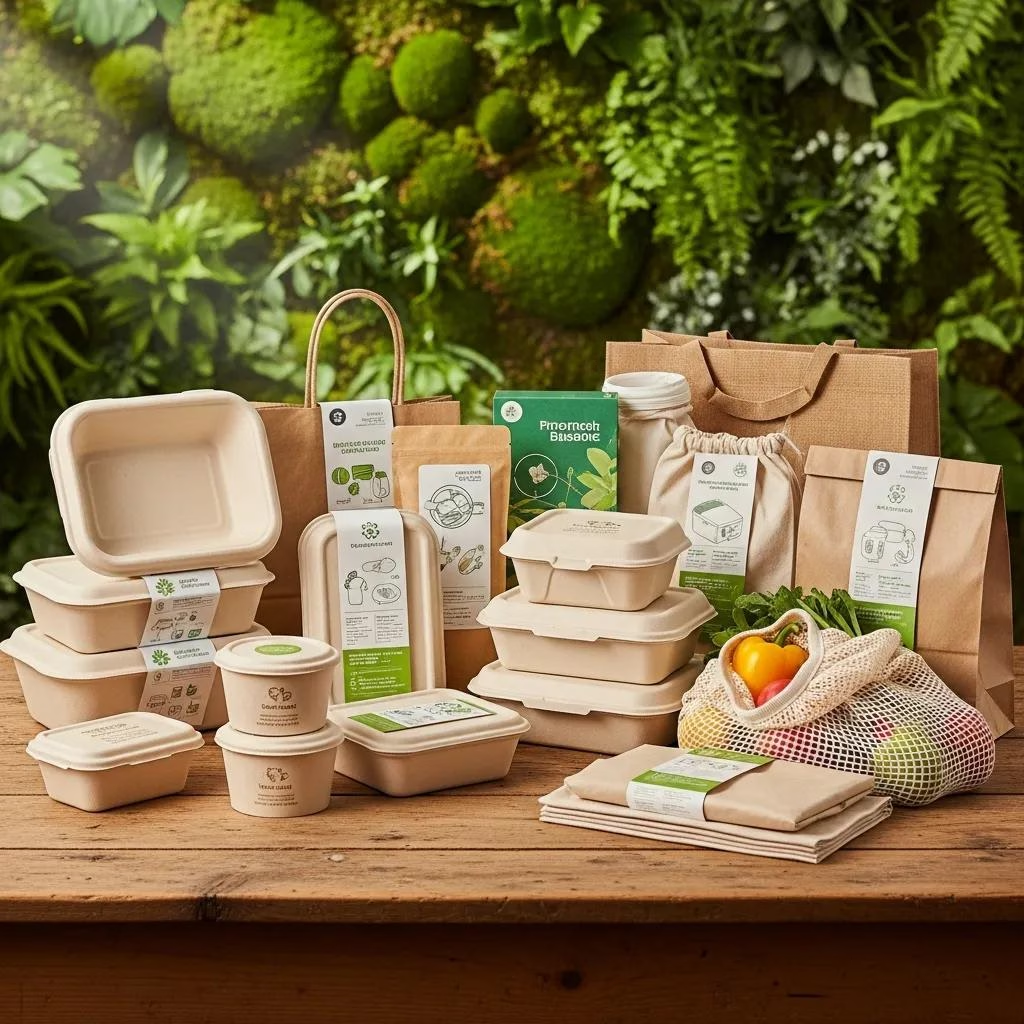
Biodegradable packaging is an essential component of sustainable practices aimed at reducing environmental impact. As consumers become increasingly aware of the detrimental effects of plastic waste, the demand for eco-friendly alternatives has surged. This article will explore the significance of biodegradable materials, its various types, and how to select the right options for your needs. By understanding the differences between compostable and biodegradable materials, the environmental benefits they offer, and the certifications that ensure their efficacy, readers will be better equipped to make informed choices. Additionally, we will discuss proper disposal methods and the latest trends in sustainable packaging.
Compostable vs Biodegradable – definitions, differences, and examples
Compostable and biodegradable packaging are often used interchangeably, but they have distinct definitions and implications. Biodegradable packaging refers to materials that can break down into natural substances over time, typically within a few months to a few years, depending on environmental conditions. In contrast, compostable packaging is a subset of biodegradable materials that decompose into nutrient-rich compost under specific conditions, usually within 90 to 180 days.
Understanding the rigorous testing and international norms for compostable plastics is crucial for validating their environmental claims.
Compostability Standards & Testing for Biodegradable Packaging
The critical review of norms and standards and corresponding tests to determine the compostability of biodegradable plastics, possibly applicable also to biodegradable agricultural plastics, shows that many norms concerning testing and labelling of compostable plastics have been established at the international level. Some of them are about plastic materials, some others are about products like packaging. The biodegradability validation criteria under composting conditions, such as the threshold percentage of biodegradation and disintegration, the time and temperature, and the ecotoxicity, are presented for the main norms and standard testing methods.
Critical review of norms and standards for biodegradable agricultural plastics part II: composting, D Briassoulis, 2010
The key differences between the two include:
- Decomposition Process: Biodegradable materials may not necessarily break down into compost, while compostable materials must meet specific standards to ensure they can turn into compost.
- Timeframe: Compostable materials decompose faster than standard biodegradable materials, which can take longer to break down.
- Environmental Impact: Compostable packaging contributes positively to soil health, while biodegradable materials may leave behind harmful residues if not properly managed.
Examples of bioplastics include certain bioplastics and plant-based packaging, while compostable options often consist of materials like cornstarch or sugarcane.
Types of materials used in sustainable packaging
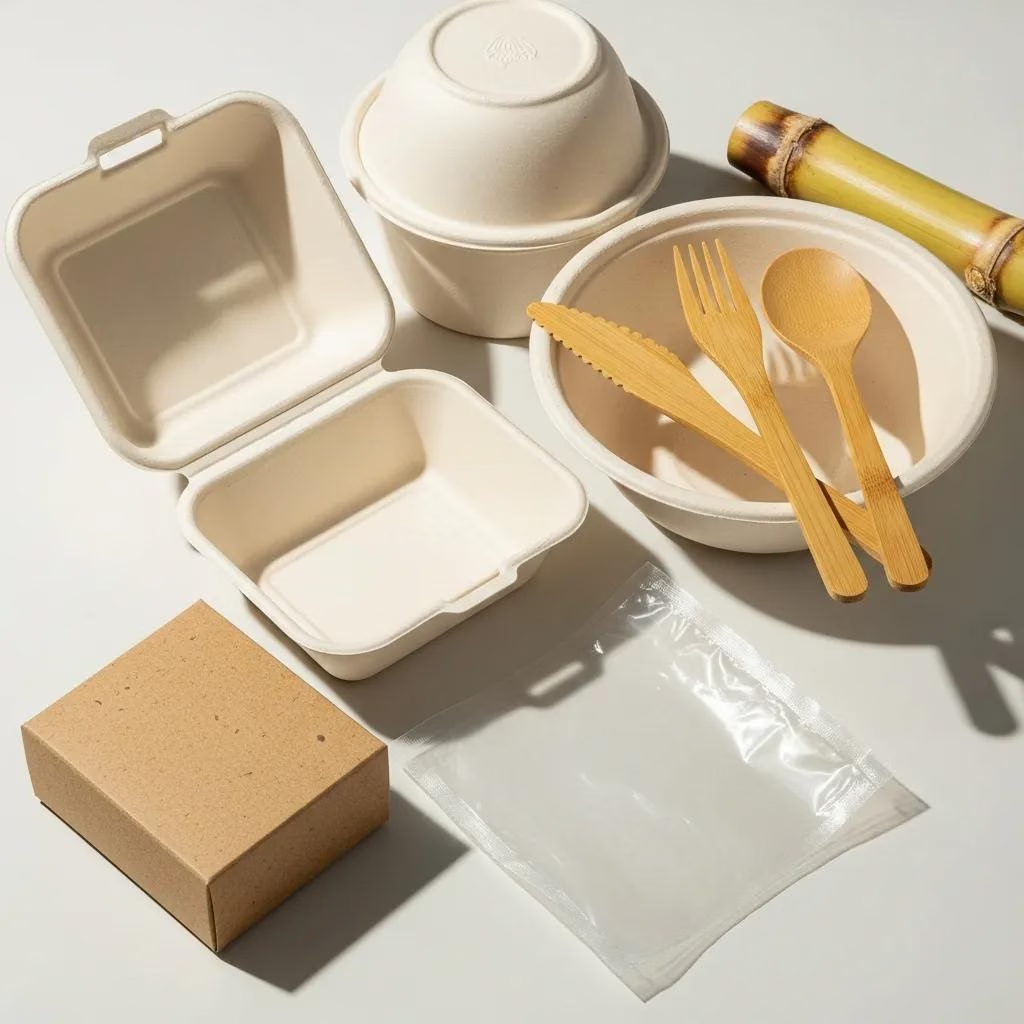
Sustainable packaging encompasses a variety of materials designed to minimize environmental impact. The most common types include:
- Plant-Based Materials: These materials, derived from renewable resources, include options like cornstarch, sugarcane, and bamboo. They are often used in food packaging and disposable utensils.
- Bioplastics: Made from natural materials, bioplastics can be biodegradable or compostable. They offer a similar functionality to traditional plastics while reducing reliance on fossil fuels.
- Recyclable Options: Many sustainable packaging solutions are designed to be recyclable, allowing consumers to reduce waste by reprocessing materials instead of discarding them.
These materials not only help reduce plastic waste but also support a circular economy by promoting the reuse and recycling of resources.
Environmental benefits of sustainable packaging
The environmental benefits of using biodegradable packaging are significant and multifaceted. By opting for sustainable materials, individuals and businesses can contribute to:
- Reduction of Plastic Waste: Biodegradable packaging helps decrease the volume of plastic waste that ends up in landfills and oceans, mitigating pollution and its harmful effects on wildlife.
- Lower Carbon Footprint: Many biodegradable materials are produced from renewable resources, resulting in lower greenhouse gas emissions compared to traditional plastic production.
- Support for Circular Economy: Sustainable packaging promotes a circular economy by encouraging the reuse and recycling of materials, ultimately reducing the demand for virgin resources.
These benefits highlight the importance of transitioning to sustainable packaging solutions as a means of combating climate change and promoting environmental sustainability.
For those seeking to implement sustainable practices, understanding the importance of biodegradable packaging is crucial. By choosing materials that align with environmental goals, businesses can enhance their brand reputation while contributing to a healthier planet.
Certification and Standards for Biodegradable Packaging
When selecting biodegradable packaging, it is essential to consider the certifications and standards that ensure the materials meet specific environmental criteria. Various organizations provide certifications for biodegradable and compostable products, including:
Further research emphasizes the role of certified biodegradable plastics in environmental mitigation, particularly through adherence to standards like ASTM D6400 and D6868.
Biodegradable Plastics Certification & Environmental Impact
biodegradable plastics can play in mitigating environmental impact, with biodegradability of certified biodegradable plastics based on standards like ASTM D6400 & D6868 (used in Americas-BPI certification).
Dos and do nots when assessing the biodegradation of plastics, MT Zumstein, 2019
These certifications help consumers identify products that are genuinely environmentally friendly and ensure that they are making responsible choices in their packaging selections.
Proper Disposal and Composting Methods
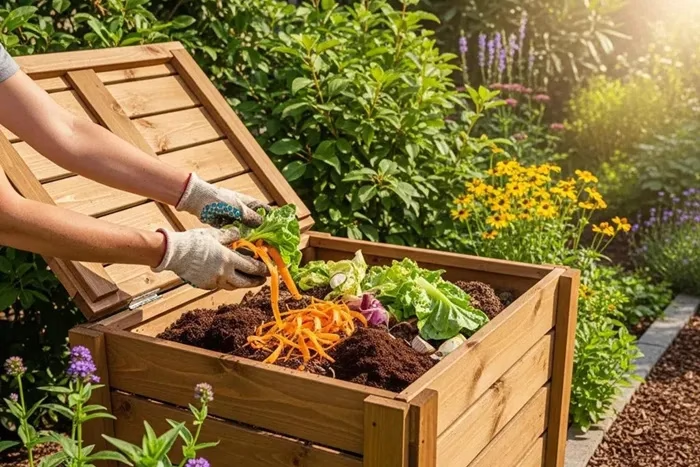
To maximize the benefits of biodegradable packaging, proper disposal and composting methods are crucial. Here are some guidelines to follow:
The evolving landscape of solid waste management underscores the importance of defining clear compostability criteria for packaging, moving beyond traditional landfilling.
Waste Management & Compostability Criteria for Packaging
The management of solid waste is changing. The traditional approach based on landfilling of mixed refuses is shifting toward a system based on the at-source sorting of waste into specific fractions. The biological treatment of the organic fraction is considered to be an appropriate form of disposal not only for the “traditional≓ feedstock such as food scraps and vegetable and garden waste, but also for biodegradable packaging, when not recyclable in other ways. Regulatory bodies must define widely acceptable criteria of compostability.
Definition of compostability criteria for packaging: Initiatives in Italy, F Degli-Innocenti, 1997
- Composting: If the packaging is certified compostable, it should be disposed of in a composting facility where it can break down effectively. Home composting may not always provide the necessary conditions for complete decomposition.
- Landfill Disposal: While biodegradable materials can break down in landfills, they may not do so efficiently due to the lack of oxygen and light. It is preferable to compost them when possible.
- Recycling: Some biodegradable materials can be recycled, but it is essential to check local recycling guidelines to ensure proper disposal.
By following these disposal methods, consumers can help ensure that biodegradable packaging fulfills its intended purpose of reducing waste and supporting environmental sustainability.
Trends and Innovations in Sustainable Packaging 2026
As the demand for sustainable packaging continues to grow, several trends and innovations are emerging in the industry. These include:
- Emerging Materials: New plant-based materials and bioplastics are being developed to enhance the performance and sustainability of packaging solutions.
- Technological Advancements: Innovations in production processes are making it easier to create biodegradable and compostable materials that meet consumer needs without compromising quality.
- Consumer Trends: Increasing consumer awareness and demand for sustainable products are driving companies to adopt eco-friendly packaging solutions, leading to a shift in market dynamics.
These trends indicate a promising future for biodegradable packaging, as businesses and consumers alike prioritize sustainability in their choices.