



Clean Energy Guide: Renewables, Technology & the Future
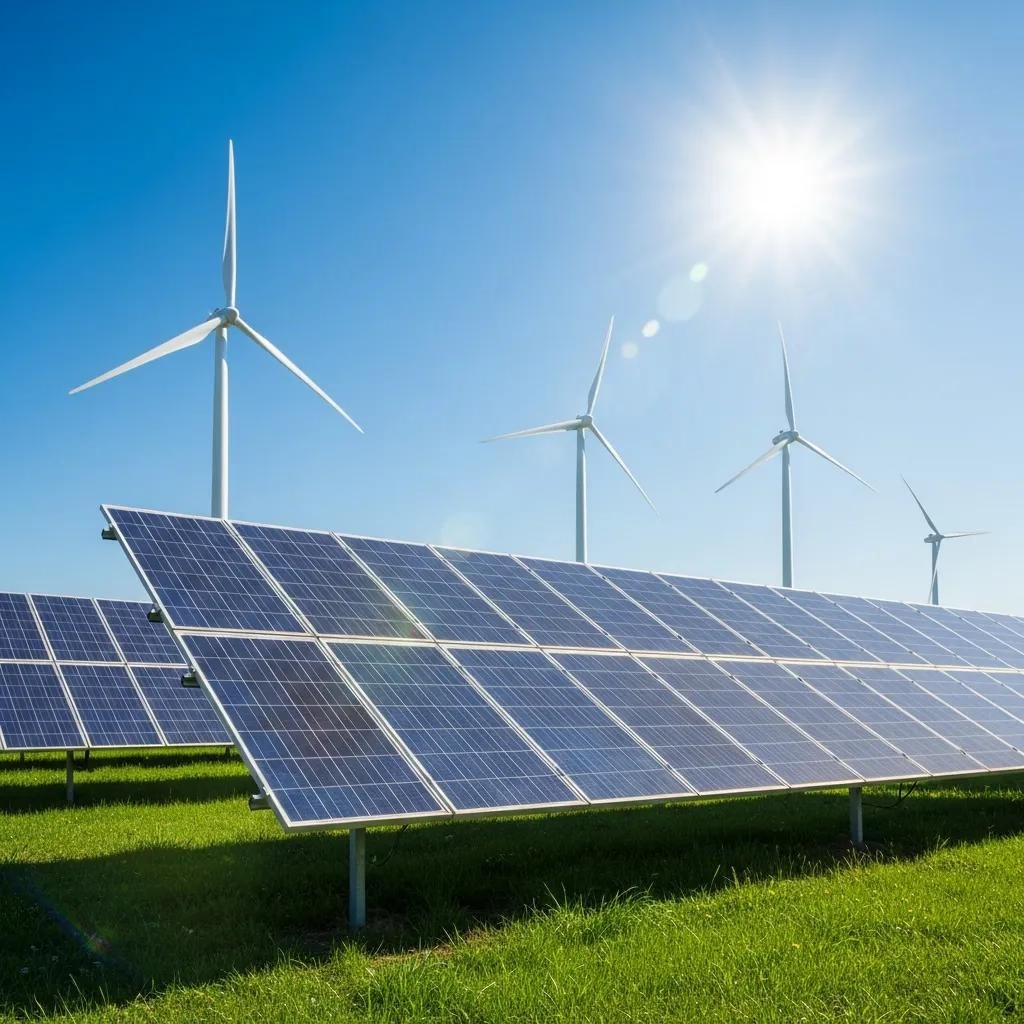
Clean Energy Guide: Renewables, Technology & the Future
The transition to clean energy is not just a trend; it is a necessity for a sustainable future. This guide delves into the various renewable energy sources, the technologies that support them, and the practices individuals can adopt to contribute to a greener planet. Readers will learn about the significance of clean energy in combating climate change, the different types of renewable energy available, and the latest advancements in clean technologies. As the world grapples with the impacts of climate change, understanding clean energy options becomes crucial. This article will explore the benefits of renewable energy, the role of sustainability practices, government policies, and future trends in the clean energy sector.
Introduction to Clean Energy
Clean energy refers to energy derived from renewable, zero-emission sources that do not pollute the atmosphere when used. This includes solar, wind, hydro, geothermal, tidal, hydrogen, and emerging nuclear fusion energy, which are pivotal in reducing greenhouse gas emissions and combating climate change. The significance of clean energy lies in its ability to provide sustainable power while minimizing the carbon footprint associated with traditional fossil fuels. As the global demand for energy continues to rise, the shift towards renewable energy sources is essential for ensuring a sustainable future.
Renewable Energy Types
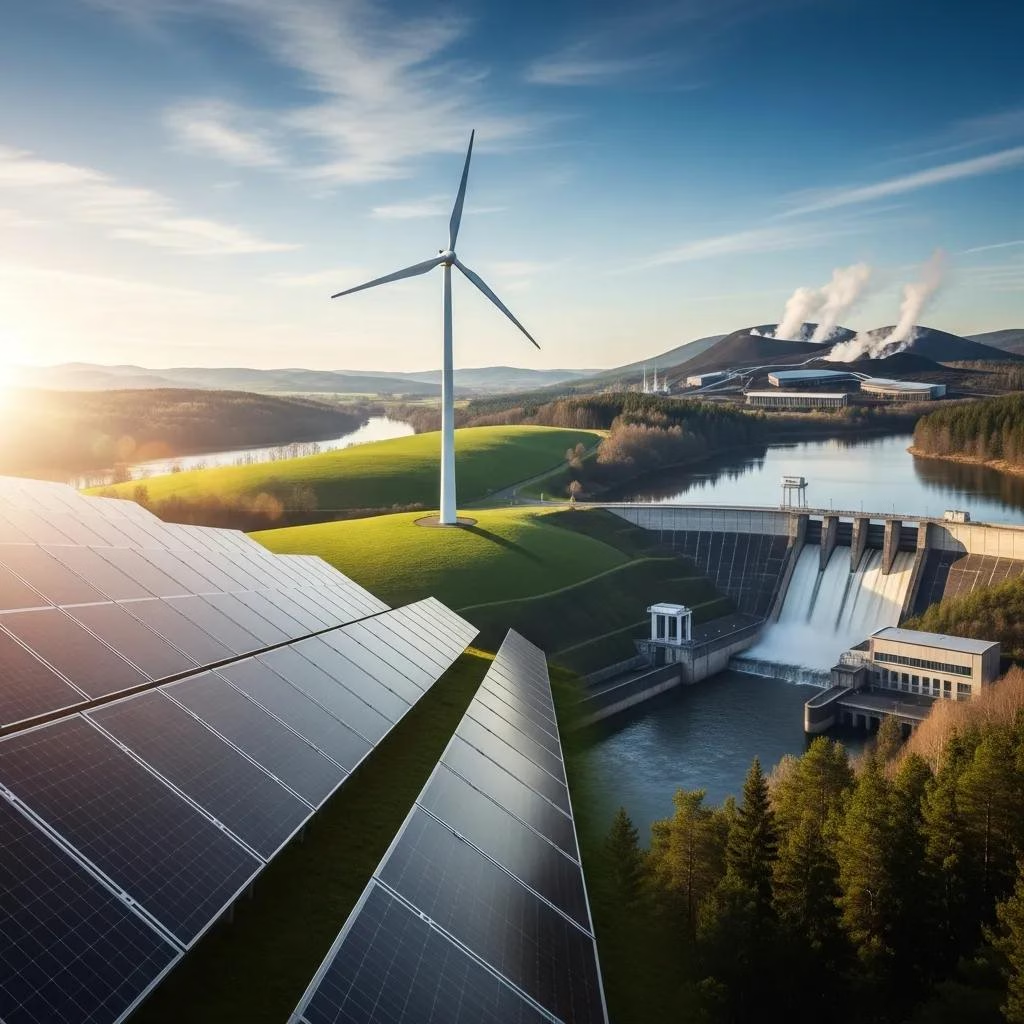
There are several types of renewable and clean energy sources, each with unique characteristics and benefits. Understanding these sources is crucial for making informed decisions about energy consumption and sustainability.
- Solar Energy: Harnessed through solar panels, this energy source converts sunlight into electricity, making it one of the most accessible and rapidly growing forms of renewable energy worldwide. Solar photovoltaic (PV) systems are widely used in residential, commercial, and utility-scale applications.
- Wind Energy: Generated by wind turbines, wind energy is a clean and efficient way to produce electricity, particularly in areas with consistent wind patterns. Both onshore and offshore wind farms contribute significantly to global renewable energy capacity.
- Hydropower: Utilizing flowing water to generate electricity, hydropower is one of the oldest and most reliable forms of renewable energy. It includes large-scale dams as well as small and micro-hydro projects that provide local power solutions.
- Geothermal Energy: This energy source taps into the Earth’s internal heat, providing a consistent and sustainable energy supply. Geothermal power plants and direct-use applications offer low-emission energy options, especially in geologically active regions.
- Tidal Energy: Harnessing the energy from ocean tides and currents, tidal power is a predictable and renewable source of energy. Though still emerging, tidal energy projects are gaining attention for their potential to provide clean electricity in coastal areas.
- Hydrogen Energy: Green hydrogen, produced via electrolysis using renewable electricity, is an emerging clean energy carrier. It can be used for energy storage, transportation fuel, and industrial processes, offering a versatile solution for decarbonization.
- Nuclear Fusion: Although still in the experimental stage, nuclear fusion promises a nearly limitless, clean energy source by replicating the processes powering the sun. Advances in fusion research could revolutionize the energy sector in the coming decades.
Clean Energy Technologies
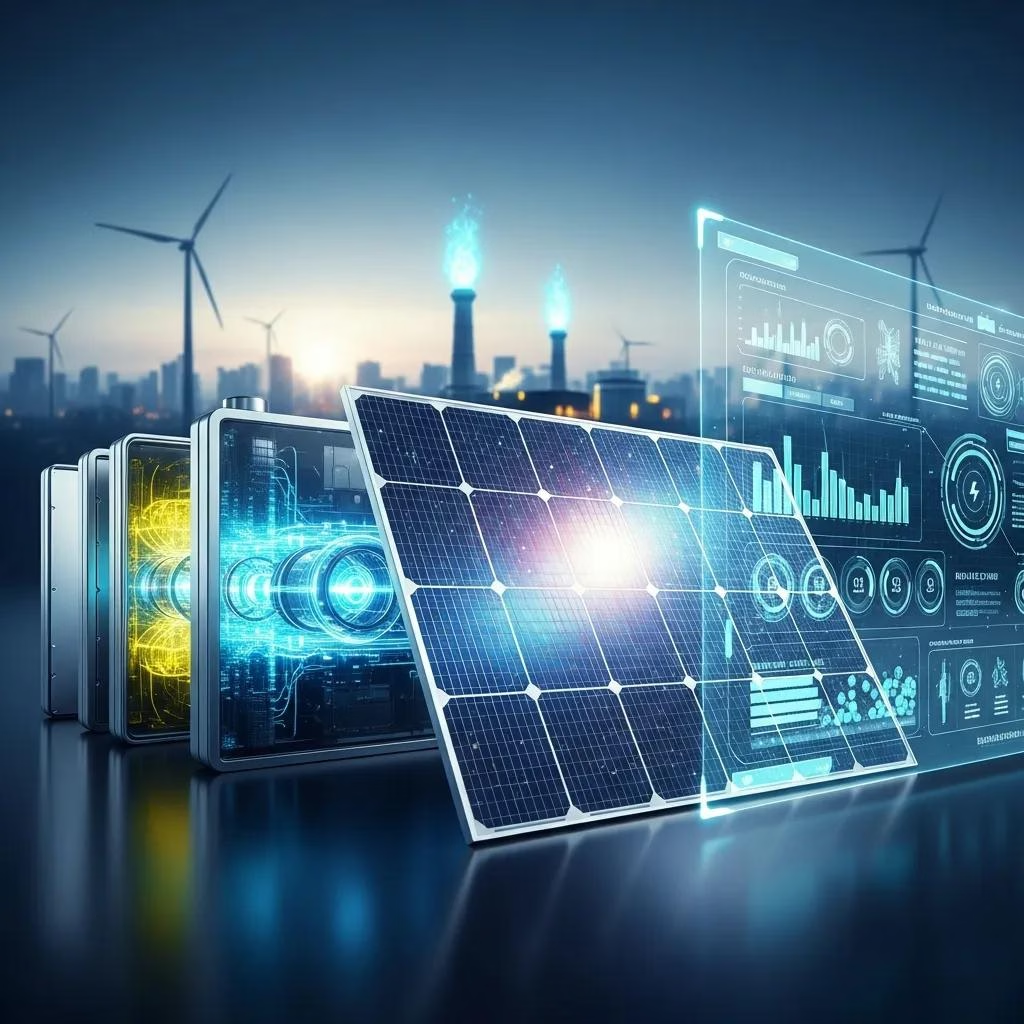
Advancements in clean energy technologies are crucial for enhancing the efficiency and effectiveness of renewable energy sources. These technologies enable the production, storage, and distribution of clean energy.
- Photovoltaic Systems: These systems convert sunlight directly into electricity using solar cells, making solar energy more accessible and efficient.
- Energy Storage Solutions: Technologies such as lithium-ion batteries, flow batteries, and pumped hydro storage allow for the storage of excess energy generated during peak production times, ensuring a reliable energy supply and grid stability.
- Smart Grids: These advanced electrical grids use digital technology to monitor and manage the transport of electricity from various generation sources to meet varying electricity demands efficiently, integrating distributed energy resources and enhancing grid resilience.
- Electrolyzers for Green Hydrogen: Devices that use electricity to split water into hydrogen and oxygen, enabling the production of green hydrogen when powered by renewable energy.
- Advanced Nuclear Technologies: Innovations such as small modular reactors (SMRs) and fusion reactors aim to provide safer, more flexible, and cleaner nuclear energy options in the future.
Sustainability Practices
Adopting sustainability practices is essential for individuals looking to support clean energy initiatives. Here are some practical actions that can be taken:
- Reducing Carbon Footprint: Individuals can lower their carbon emissions by using public transportation, carpooling, biking, or opting for electric vehicles powered by clean energy.
- Energy Efficiency Tips: Simple changes, such as using energy-efficient appliances, LED lighting, proper insulation, and smart thermostats, can significantly reduce energy consumption in homes.
- Supporting Renewable Energy Initiatives: Engaging with local renewable energy projects, purchasing green energy from utility providers, or investing in community solar programs can help promote the growth of clean energy sources.
For those looking to enhance their sustainability efforts, integrating renewable energy solutions into daily life can make a significant impact. By choosing solar panels, installing home battery storage, or supporting local wind energy projects, individuals can contribute to a cleaner environment and reduce their energy costs.
Policy and Incentives
Government policies and incentives play a vital role in promoting the adoption of renewable energy. Various programs are designed to encourage the use of clean energy technologies and reduce reliance on fossil fuels.
- Overview of Government Programs: Many countries have implemented policies that support renewable energy development, including tax credits, feed-in tariffs, grants, and subsidies for solar, wind, and other clean energy projects. For example, the U.S. Department of Energy (DOE) and the International Renewable Energy Agency (IRENA) provide extensive resources and support for clean energy adoption.
- Rebates and Incentives for Solar Energy: Homeowners can benefit from financial incentives such as the Investment Tax Credit (ITC) in the U.S., which reduces the cost of installing solar panels, making it more affordable to switch to renewable energy.
- Impact of Policy on Renewable Energy Adoption: Effective policies can accelerate the transition to renewable energy by providing the necessary support, infrastructure, and market certainty for clean energy projects, as highlighted by the International Energy Agency (IEA).
Cost Comparison of Clean Energy Sources
Understanding the cost of different clean energy sources is essential for evaluating their feasibility and adoption potential. The following table summarizes the current average levelized cost of electricity (LCOE) per kilowatt-hour (kWh) for major clean energy technologies, based on recent data from the International Renewable Energy Agency (IRENA) and the U.S. Energy Information Administration (EIA).
Clean Energy by Country: Global Progress
Countries around the world are making significant strides in adopting clean energy technologies, driven by policy commitments, technological advancements, and climate goals. Here are some notable milestones:
- China: The world leader in renewable energy capacity, China has the largest installed solar and wind power capacity globally, with ambitious targets to reach carbon neutrality by 2060.
- United States: The U.S. has seen rapid growth in solar and wind installations, supported by federal and state incentives. The DOE’s initiatives aim to achieve a 100% clean electricity grid by 2035.
- Germany: A pioneer in the Energiewende (energy transition), Germany has invested heavily in solar, wind, and energy efficiency, targeting 80% renewable electricity by 2030.
- Denmark: Known for its leadership in wind energy, Denmark generates nearly half of its electricity from wind turbines and plans to phase out fossil fuels entirely by 2050.
- India: Rapidly expanding its renewable energy capacity, India aims to reach 500 GW of renewable power by 2030, focusing on solar and wind projects.
- Australia: With abundant solar resources, Australia is increasing rooftop solar adoption and utility-scale projects, supported by government incentives and market reforms.
These examples illustrate the global momentum toward clean energy adoption, supported by international organizations such as the International Energy Agency (IEA) and the International Renewable Energy Agency (IRENA).
How to Switch to Clean Energy at Home
Transitioning your home to clean energy can reduce your carbon footprint and save on energy costs. Here are practical steps to make the switch:
- Assess Your Energy Use: Review your current electricity consumption and identify opportunities for efficiency improvements.
- Install Solar Panels: Consider installing rooftop solar panels to generate your own clean electricity. Research local incentives and choose a reputable installer.
- Use Energy-Efficient Appliances: Replace old appliances with energy-efficient models certified by ENERGY STAR or similar programs.
- Consider Home Battery Storage: Pair solar panels with battery storage to maximize self-consumption and provide backup power during outages.
- Switch to a Green Energy Provider: If installing solar is not feasible, opt for utility companies that offer renewable energy plans.
- Adopt Smart Home Technologies: Use smart thermostats, lighting controls, and energy monitors to optimize energy use.
- Explore Electric Vehicles (EVs): Transitioning to an EV charged with clean electricity further reduces your household’s carbon emissions.
By following these steps, homeowners can actively participate in the clean energy transition and contribute to a sustainable future.
Future Outlook
The future of clean energy is promising, with several emerging technologies and trends set to transform the energy landscape:
- Green Hydrogen: As a versatile energy carrier, green hydrogen produced from renewable electricity is expected to play a key role in decarbonizing hard-to-electrify sectors such as heavy industry, shipping, and aviation.
- Advanced Nuclear Technologies: Small modular reactors (SMRs) and fusion reactors offer the potential for safe, scalable, and low-carbon nuclear power, complementing renewable energy sources.
- Energy Storage Innovations: Breakthroughs in battery chemistry, thermal storage, and power-to-gas technologies will enhance grid flexibility and renewable integration.
- Digitalization and Smart Grids: Enhanced grid management through AI, IoT, and blockchain will optimize energy distribution and enable peer-to-peer energy trading.
- Electrification of Transport and Industry: Increasing adoption of electric vehicles and electrified industrial processes will drive demand for clean electricity and accelerate emissions reductions.
These developments, supported by international research and policy frameworks, will be critical to achieving global climate targets and ensuring energy security.
Frequently Asked Questions (FAQ) About Clean Energy
For more detailed information and data, consult resources from the International Energy Agency (IEA), International Renewable Energy Agency (IRENA), and the U.S. Department of Energy (DOE).
Summary Table: Renewable Energy Sources Comparison
This comparison highlights the diverse advantages of renewable and clean energy sources, emphasizing their importance in the transition to a sustainable energy future.