



Clean Energy Subsidies Explained: How They Work and Who Benefits
Clean Energy Subsidies Explained: How They Work and Who Benefits
Clean energy subsidies play a crucial role in promoting renewable energy sources and reducing reliance on fossil fuels. These financial incentives are designed to support the development and adoption of clean energy technologies, making them more accessible to individuals and businesses alike. In this article, we will explore the mechanisms behind clean energy subsidies, the various types available, and the beneficiaries of these programs. Understanding how these subsidies work can empower consumers and advocates to support sustainable energy initiatives effectively. We will also discuss the impact of these subsidies on climate change and sustainability, recent trends in policy updates, and ways to advocate for clean energy subsidies.
Types of Clean Energy Subsidies
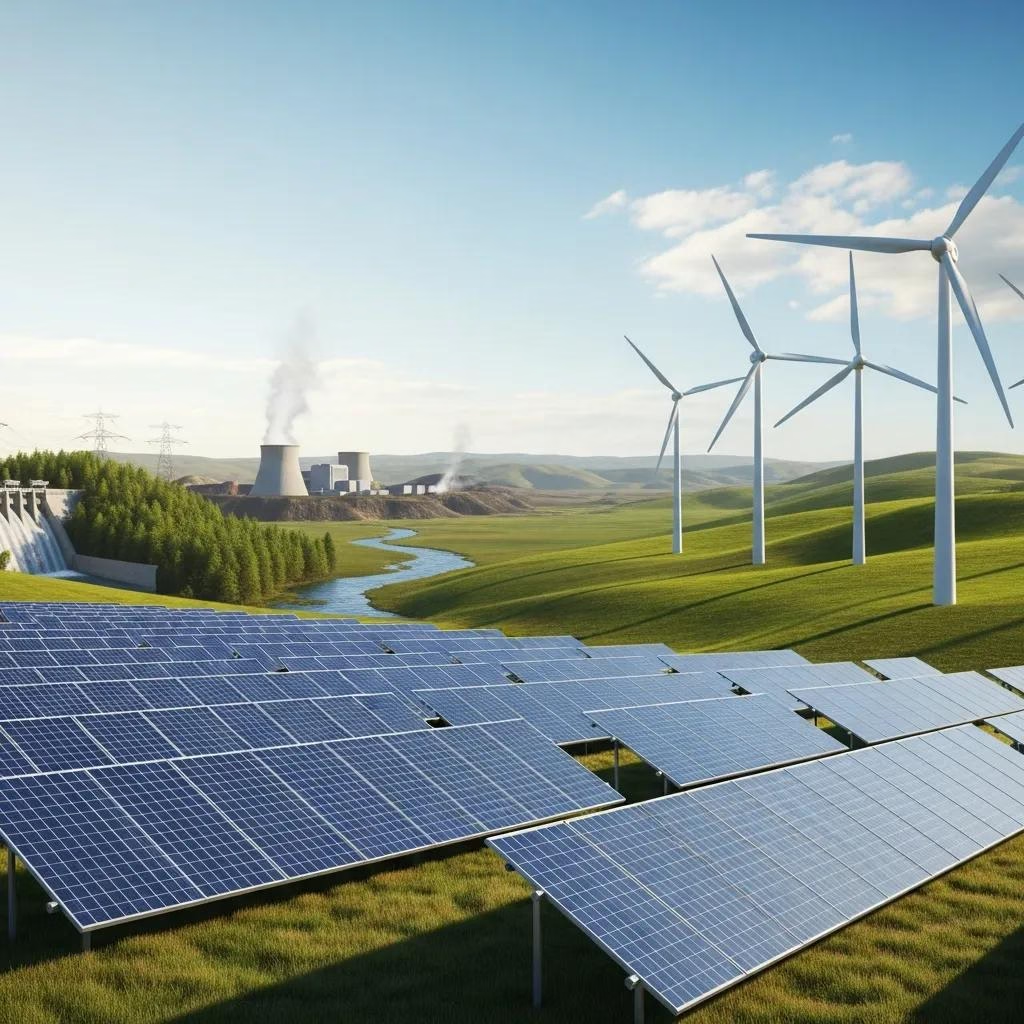
Clean energy subsidies come in various forms, each designed to encourage the adoption of renewable energy technologies. The primary types include:
- Tax Credits: These are reductions in the amount of tax owed, incentivizing investments in renewable energy projects. For example, the Investment Tax Credit (ITC) allows homeowners and businesses to deduct a percentage of the cost of solar energy systems from their federal taxes.
- Grants: These are funds provided by the government or other organizations that do not need to be repaid. Grants can support the installation of renewable energy systems, research, and development of new technologies.
- Rebates: Rebates are partial refunds provided after the purchase of renewable energy systems. They help lower the upfront costs, making it easier for consumers to invest in clean energy solutions.
These subsidies are essential for driving the transition to a sustainable energy future.
How Subsidies Work
The application and eligibility processes for clean energy subsidies can vary significantly depending on the type of subsidy and the governing body providing it. Generally, the process involves several key steps:
- Application Process: Interested individuals or businesses must submit an application to the relevant government agency or organization offering the subsidy. This application typically requires detailed information about the proposed project, including costs, timelines, and expected outcomes.
- Eligibility Criteria: Each subsidy program has specific eligibility criteria that applicants must meet. These criteria may include the type of technology being used, the location of the project, and the applicant’s financial status.
- Funding Mechanisms: Once approved, funding is disbursed according to the terms of the subsidy program. This may involve direct payments, tax credits applied during tax filing, or reimbursements after project completion.
Understanding these processes is crucial for maximizing the benefits of clean energy subsidies.
Who Benefits
Clean energy subsidies benefit a wide range of stakeholders, including:
- Homeowners: Individuals who invest in renewable energy systems, such as solar panels, can significantly reduce their energy bills and increase their property value.
- Businesses: Companies that adopt clean energy technologies can lower operational costs, enhance their sustainability profile, and attract environmentally conscious consumers.
- Communities: Local governments and communities benefit from reduced greenhouse gas emissions and improved air quality, contributing to overall public health and environmental sustainability.
The widespread adoption of clean energy technologies supported by subsidies can lead to significant economic and environmental benefits.
Impact on Climate Change and Sustainability
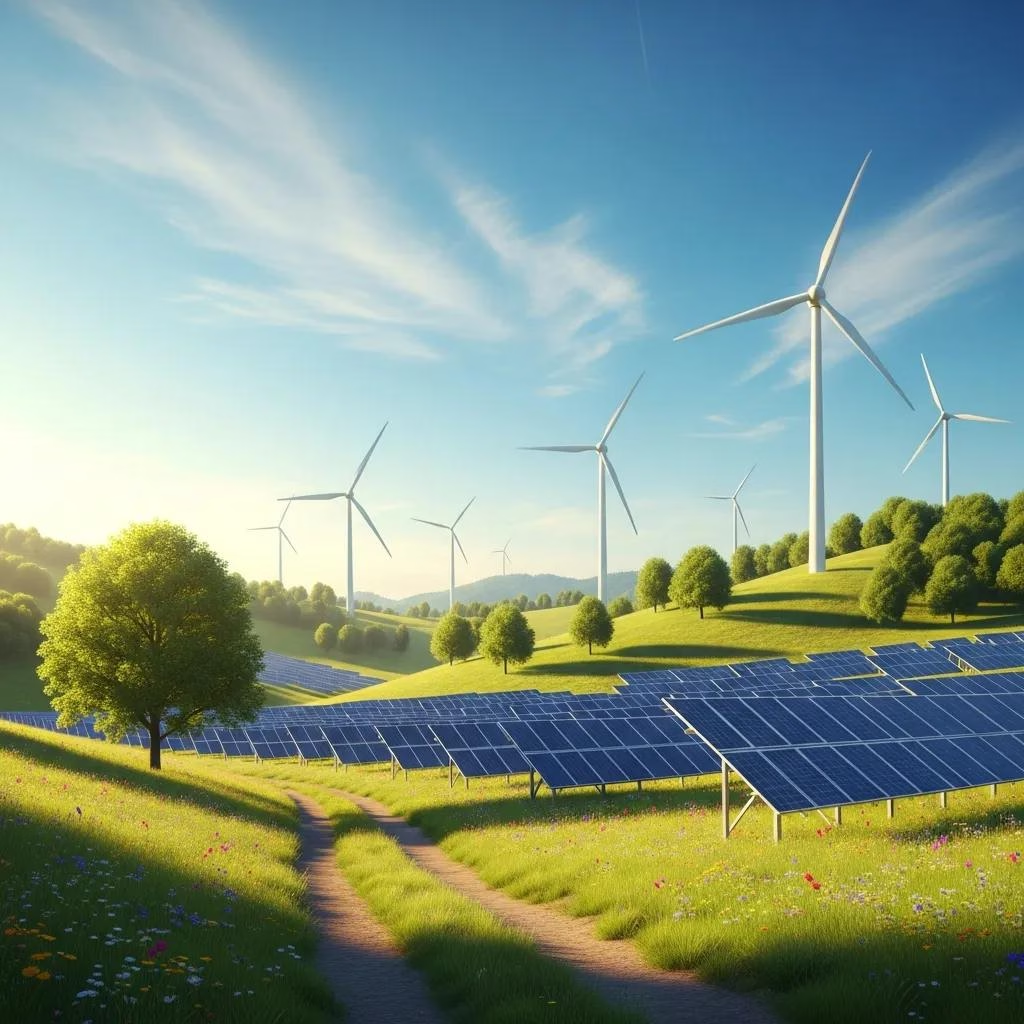
Clean energy subsidies play a vital role in mitigating climate change by promoting the use of renewable energy sources. The environmental benefits include:
- Reduction in Carbon Emissions: By incentivizing the use of clean energy, subsidies help decrease reliance on fossil fuels, leading to lower carbon emissions and a smaller carbon footprint.
- Promotion of Renewable Energy: Subsidies encourage the development and deployment of renewable energy technologies, such as solar, wind, and geothermal, which are essential for a sustainable energy future.
- Long-term Sustainability: Investing in clean energy technologies fosters a more resilient energy system, reducing vulnerability to fossil fuel price fluctuations and enhancing energy security.
These impacts underscore the importance of maintaining and expanding clean energy subsidy programs.
However, some research suggests that the actual impact of these subsidies on greenhouse gas emissions might be less significant than commonly assumed.
Effectiveness of US Renewable Energy Subsidies on GHG
The federal tax code provides preferential treatment for the production and use of renewable energy. We report estimates of the subsidies’ effects on greenhouse gases (GHG) emissions developed in a recent National Research Council (NRC) Report. The studies found, at best, a small impact of subsidies in reducing GHG emissions; in some cases, emissions increased.
How effective are US renewable energy subsidies in cutting greenhouse gases?, BC Murray, 2014
Recent Trends and Policy Updates
The landscape of clean energy subsidies is continually evolving, with recent trends indicating a shift towards more comprehensive and inclusive policies. Key updates include:
- Changes in Funding: Many governments are increasing funding for clean energy projects to meet ambitious climate goals and commitments to reduce greenhouse gas emissions.
- New Eligibility Criteria: As technology advances, eligibility criteria for subsidies are being updated to include emerging renewable energy technologies and innovative financing models.
- Government Commitments: Many countries are making significant commitments to transition to renewable energy, which often includes expanding subsidy programs to support this shift.
Staying informed about these trends is essential for stakeholders looking to leverage clean energy subsidies effectively.
How to Support and Advocate for Clean Energy Subsidies
Individuals and organizations can play a crucial role in supporting clean energy initiatives through various advocacy strategies:
- Advocacy Strategies: Engage with local and national policymakers to promote the importance of clean energy subsidies and their role in achieving climate goals.
- Community Involvement: Participate in local clean energy projects and initiatives to demonstrate the benefits of renewable energy and encourage others to follow suit.
- Educational Outreach: Raise awareness about the benefits of clean energy subsidies through workshops, seminars, and informational campaigns to inform the public and stakeholders.
By actively supporting clean energy subsidies, individuals can contribute to a more sustainable future.