



Climate Change: Causes, Effects & What You Can Do
Climate Change: Causes, Effects & What You Can Do
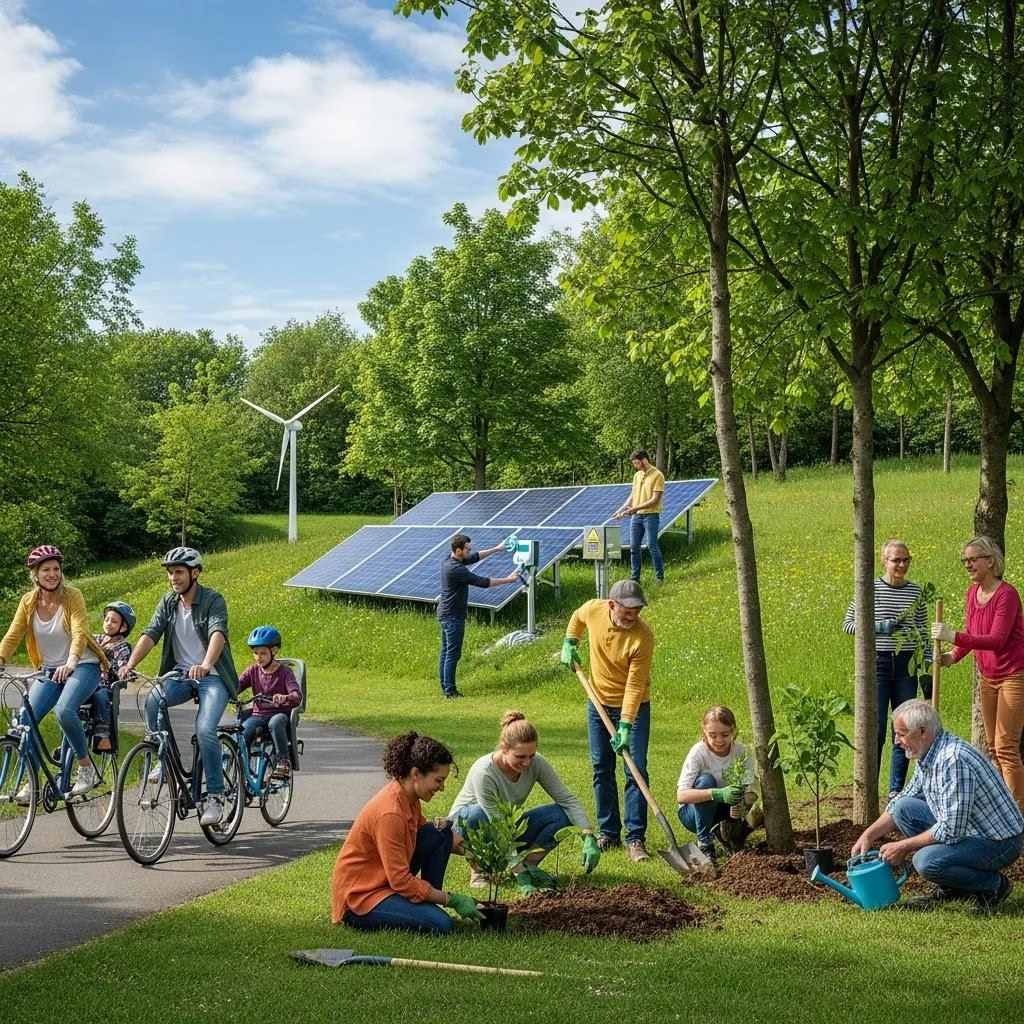
Climate change represents one of the most pressing challenges of our time, driven primarily by human activities that increase greenhouse gas emissions. This article will delve into the causes and effects of climate change, as well as actionable solutions that individuals and communities can adopt to mitigate its impact. Understanding the mechanisms behind climate change is crucial for fostering awareness and promoting sustainable practices. As we explore the various dimensions of this global issue, we will highlight the importance of individual actions and the role they play in combating climate change. The sections will cover the causes of climate change, its effects on the environment and society, potential solutions, and individual actions that can contribute to a more sustainable future.
Causes of Climate Change
Climate change is primarily caused by the accumulation of greenhouse gases in the atmosphere, which trap heat and lead to global warming. The main contributors to this phenomenon include the burning of fossil fuels, deforestation, and industrial processes.
- Greenhouse Gases: Carbon dioxide (CO2), methane (CH4), and nitrous oxide (N2O) are the primary greenhouse gases responsible for climate change. These gases are released through various human activities, including transportation, electricity generation, and agriculture.
- Fossil Fuels: The combustion of fossil fuels for energy is the largest source of greenhouse gas emissions. This includes coal, oil, and natural gas, which are used for electricity, heating, and powering vehicles.
- Deforestation: The clearing of forests for agriculture, urban development, and logging reduces the number of trees that can absorb CO2 from the atmosphere. This not only increases greenhouse gas levels but also disrupts local ecosystems.
Understanding these causes is essential for developing effective strategies to combat climate change and reduce our carbon footprint.
Effects of Climate Change
The impacts of climate change are far-reaching and affect various aspects of life on Earth. These effects can be observed in environmental, social, and economic contexts.
- Extreme Weather Events: Climate change has been linked to an increase in the frequency and intensity of extreme weather events, such as hurricanes, droughts, and floods. These events can lead to significant damage to infrastructure and ecosystems.
- Sea Level Rise: As global temperatures rise, polar ice melts, contributing to rising sea levels. This poses a threat to coastal communities and ecosystems, leading to displacement and loss of habitat.
- Health Impacts: Climate change can exacerbate health issues, including respiratory problems due to poor air quality and the spread of vector-borne diseases. Vulnerable populations, such as the elderly and those with pre-existing health conditions, are particularly at risk.
These effects highlight the urgent need for action to mitigate climate change and protect both the environment and human health.
Climate Change Solutions
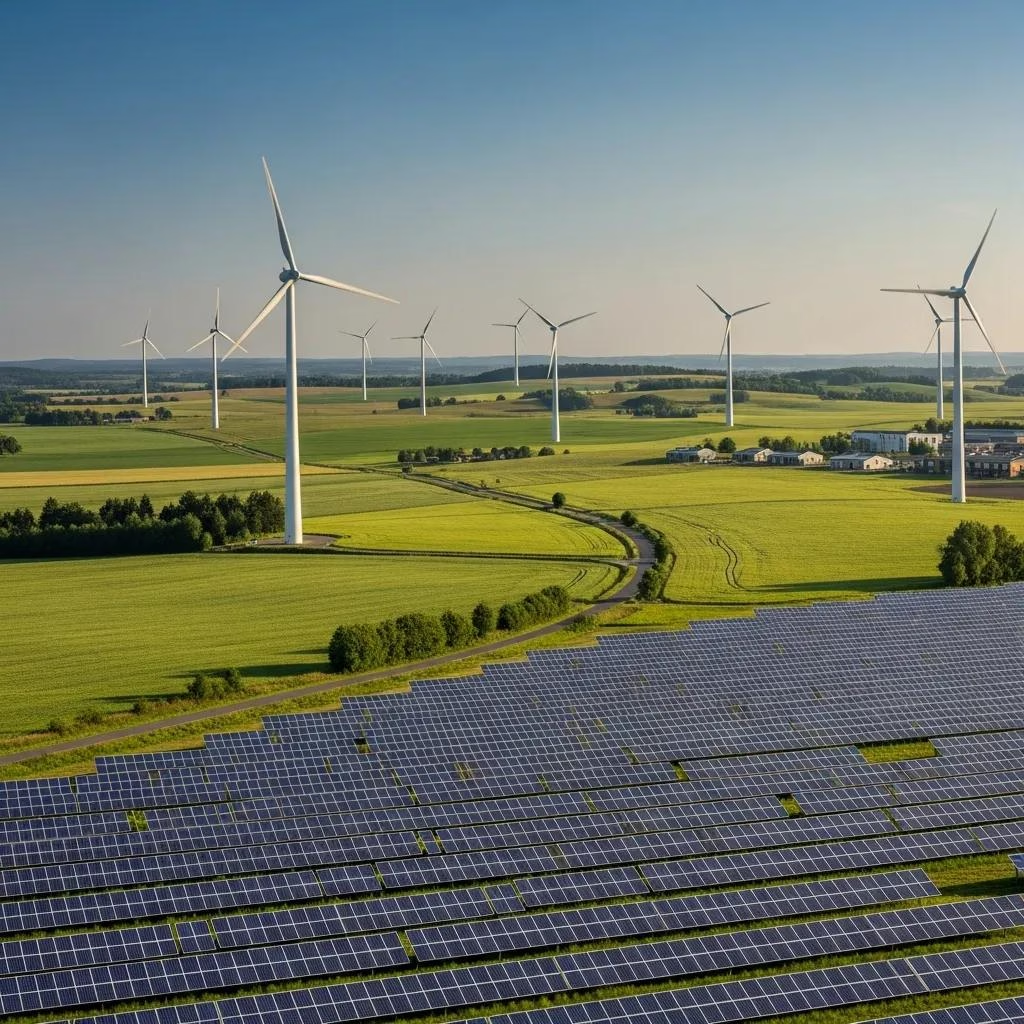
Addressing climate change requires a multifaceted approach that includes technological innovation, policy changes, and individual actions. Here are some effective solutions:
- Renewable Energy Sources: Transitioning to renewable energy sources, such as solar, wind, and hydroelectric power, can significantly reduce greenhouse gas emissions. These energy sources are sustainable and have a lower environmental impact compared to fossil fuels.
- Policy Changes: Governments play a crucial role in combating climate change through legislation and regulations that promote sustainability. Policies that support carbon pricing, emissions trading systems, and renewable energy incentives can drive significant change.
- Individual Actions: Individuals can contribute to climate change solutions by adopting sustainable practices in their daily lives. This includes reducing energy consumption, using public transportation, and supporting local and sustainable products.
To further illustrate the effectiveness of these solutions, the following table compares different climate change solutions based on their impact and feasibility.
This comparison underscores the importance of a collective effort in addressing climate change, where every action counts.
Individual Actions
Encouraging personal responsibility is vital in the fight against climate change. Here are some actionable steps individuals can take:
- Reducing Carbon Footprint: Simple changes, such as using energy-efficient appliances, reducing water usage, and minimizing waste, can significantly lower an individual’s carbon footprint.
- Sustainable Living Practices: Adopting a plant-based diet, using reusable products, and supporting sustainable brands can contribute to a more sustainable lifestyle.
- Activism: Engaging in climate activism, whether through community initiatives or global movements, can amplify individual voices and push for systemic change.
By taking these actions, individuals can play a crucial role in mitigating climate change and promoting a healthier planet.
Latest Research and Innovations

Recent advancements in climate science are providing new insights into the mechanisms of climate change and potential solutions.
- Carbon Capture Technologies: Innovative technologies are being developed to capture and store carbon emissions from industrial processes, helping to reduce the amount of CO2 released into the atmosphere.
- Climate Finance: Investment in sustainable projects and technologies is essential for transitioning to a low-carbon economy. Climate finance initiatives aim to support developing countries in their efforts to combat climate change.
- Environmental Justice: Addressing the social dimensions of climate change is crucial. Recent research emphasizes the need for equitable solutions that consider the impacts on marginalized communities.
Specifically, the development of carbon capture technologies is crucial for decarbonizing heavy industries, as highlighted by recent research.
Industrial Carbon Capture: Decarbonizing Heavy Industries
Carbon capture (CC) is a key solution for decarbonizing industries with ‘hard-to-abate’ emissions, such as the cement, steel and chemicals sectors. The chemistry behind CC technologies underpins much of their cost and performance and hence, is an important research topic. As such, this Review focuses on the underlaying chemistry and industrial deployment status of CC technologies that have progressed to the early stages of development and beyond. The discussion provides insights into the CC technologies, which based on absorption, adsorption, membrane separation, cryogenic gas separation and electroswing, poised to have the greatest impact on industrial decarbonization.
Chemistry advances driving industrial carbon capture technologies, JZY Tan, 2025
These innovations highlight the ongoing efforts to understand and combat climate change, paving the way for a more sustainable future.