



Climate Litigation: Lawsuits Against Fossil Fuel Companies

Climate Litigation: Lawsuits Against Fossil Fuel Companies
Climate litigation has emerged as a powerful tool in the fight against climate change, holding fossil fuel companies accountable for their contributions to environmental degradation. This article explores the landscape of climate lawsuits, detailing key legal cases, strategies employed, and their impact on environmental policy. As the effects of climate change become increasingly evident, many individuals and organizations are turning to the legal system to seek justice and enforce accountability. This article will delve into significant legal cases, the strategies used in these lawsuits, and the broader implications for environmental policy and corporate behavior. By understanding the mechanisms of climate litigation, readers can appreciate its role in advocating for sustainability and environmental justice.
Key Legal Cases
Several landmark legal cases have shaped the landscape of climate litigation against fossil fuel companies. These cases not only highlight the legal strategies employed but also the potential for significant policy changes resulting from judicial decisions.
Major Cases Against Fossil Fuel Companies
- Juliana v. United States: This case, brought by a group of young plaintiffs, argues that the government’s failure to address climate change violates their constitutional rights to life, liberty, and property. The case emphasizes the government’s responsibility to protect its citizens from environmental harm.
- City of New York v. ExxonMobil: New York City sued ExxonMobil for misleading investors about the risks of climate change, claiming that the company’s actions contributed to the city’s climate-related damages. This case underscores the accountability of corporations in disclosing environmental risks.
- California v. BP: California has taken legal action against major oil companies, including BP, for their role in climate change. The state argues that these companies should be held liable for the costs associated with climate-related disasters, such as wildfires and flooding.
These cases illustrate the growing trend of using the judicial system to address climate change and hold fossil fuel companies accountable for their actions.
Legal Strategies
The legal strategies employed in climate litigation vary widely, reflecting the complexity of environmental law and the unique circumstances of each case.
Public Nuisance Lawsuits
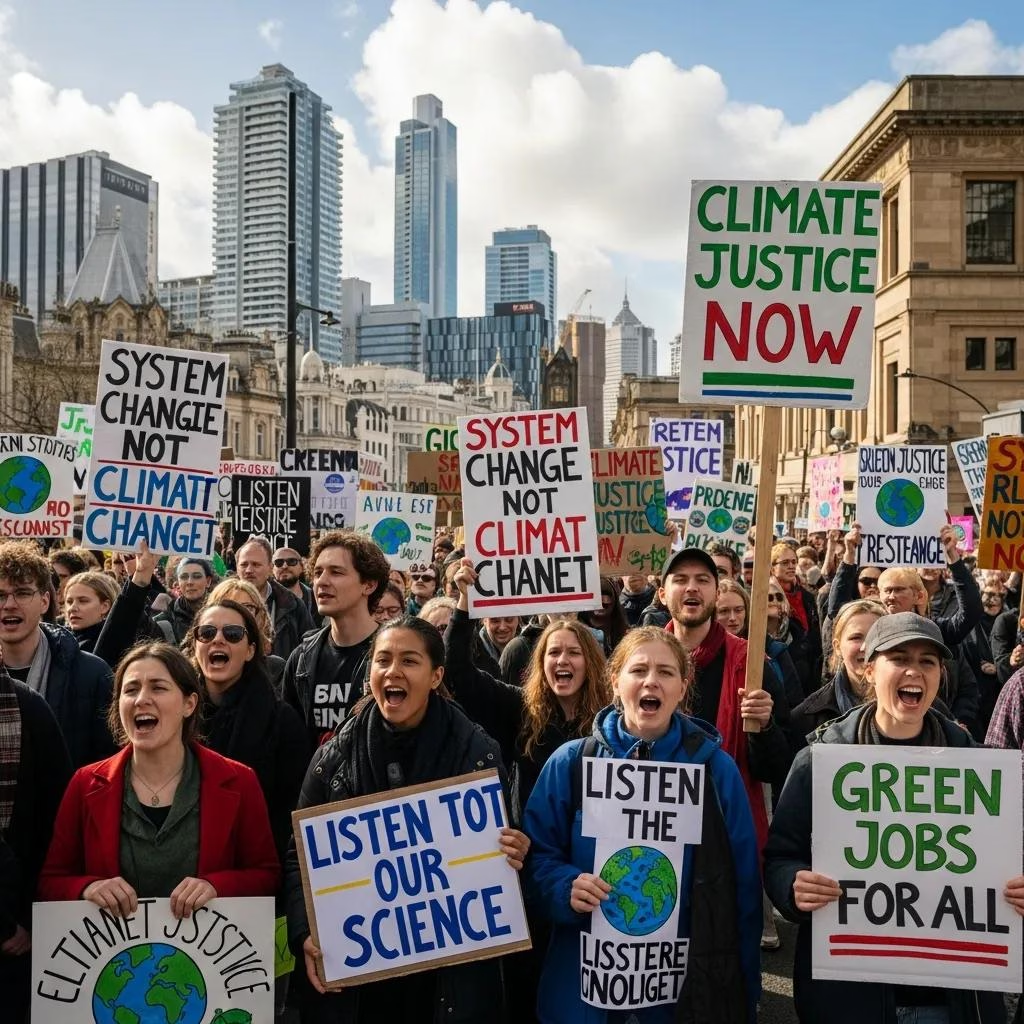
Public nuisance lawsuits are a common strategy used to hold fossil fuel companies accountable. These lawsuits argue that the companies’ emissions contribute to climate change, which harms public health and the environment. By framing climate change as a public nuisance, plaintiffs can seek damages and compel companies to reduce their emissions.
This strategy is further elaborated by legal scholarship examining the historical and contemporary application of public nuisance claims against polluters.
Public Nuisance Lawsuits Against Fossil Fuel Producers
The current wave of public nuisance lawsuits is the latest step in efforts to hold producers of greenhouse gas emissions accountable. This Article examines the viability of a state public nuisance claim against fossil fuel producers).
Air Pollution as Public Nuisance: Comparing Modern-Day Greenhouse Gas Abatement with Nineteenth-Century Smoke Abatement, 2021
Citizen-Led Initiatives
Citizen-led initiatives have gained traction in recent years, empowering individuals and communities to take legal action against fossil fuel companies. These initiatives often involve grassroots movements that mobilize public support and raise awareness about the impacts of climate change.
The growing influence of citizen-led initiatives reflects a broader trend in civil society engagement, where legal strategies are increasingly employed to hold key actors accountable for climate change.
Civil Society’s Legal Strategies for Climate Accountability
This article explores accountability to explore the shifting strategies of a range of civil society groups’ engagement with the key actors in the global regime on climate change, including the use of legal cases as accountability strategies.
Civil society, corporate accountability and the politics of climate change, P Newell, 2008
Model Lawsuits
Model lawsuits serve as templates for other jurisdictions to follow, providing a framework for legal action against fossil fuel companies. These lawsuits often draw on successful strategies from previous cases, increasing the likelihood of favorable outcomes in new litigation.
Impact on Environmental Policy

Climate litigation has significant implications for environmental policy, influencing regulations and corporate practices.
Increased Scrutiny of Regulations
As climate lawsuits gain momentum, regulatory agencies are under increased scrutiny to enforce environmental laws more rigorously. This heightened scrutiny can lead to stricter regulations on emissions and greater accountability for fossil fuel companies.
Public Awareness and Engagement
Climate litigation raises public awareness about the impacts of fossil fuel consumption and the need for sustainable practices. As more people become informed about the legal avenues available to address climate change, public engagement in environmental advocacy is likely to increase.
Influence on Legislation
Successful climate lawsuits can lead to changes in legislation, prompting lawmakers to consider more robust environmental protections. The outcomes of these cases can serve as a catalyst for legislative action aimed at reducing greenhouse gas emissions and promoting renewable energy sources.
What is Climate Litigation and How Does it Address Fossil Fuel Accountability?
Climate litigation refers to legal actions taken to address the impacts of climate change, often targeting fossil fuel companies for their role in contributing to environmental harm. These lawsuits aim to hold corporations accountable for their emissions and the resulting damage to the planet.
Definition of Climate Litigation
Climate litigation encompasses a range of legal actions, including lawsuits against governments and corporations for failing to take adequate measures to combat climate change. These cases often seek to enforce existing environmental laws or challenge policies that contribute to climate degradation.
Importance of Accountability
Holding fossil fuel companies accountable is crucial for achieving meaningful progress in the fight against climate change. By pursuing legal action, plaintiffs can compel companies to reduce their emissions and invest in sustainable practices.
Examples of Successful Cases
Several successful climate lawsuits have set important precedents, demonstrating the potential for legal action to effect change. For instance, the Urgenda Foundation’s case against the Dutch government resulted in a court ruling that mandated stronger climate action, highlighting the power of litigation in driving policy reform.
The success of cases like the Urgenda Foundation’s highlights how climate litigation can create pathways for corporate accountability, as further explored by legal analyses.
Climate Litigation for Corporate Accountability Pathways
This Article examines the pathways through which climate litigation can achieve corporate accountability. For example, in a Dutch court for not having sufficiently ambitious climate policies to fulfill its duty of care to the Dutch society. The court considered multiple scientific reports that were submitted by the plaintiffs.
Climate Litigation’s Pathways to Corporate Accountability, 2022
Strategies Used
Various strategies are employed in climate lawsuits to enhance their effectiveness and increase the likelihood of favorable outcomes.
Collective Action
Collective action involves groups of individuals or organizations coming together to file lawsuits against fossil fuel companies. This approach amplifies the voices of those affected by climate change and increases the resources available for legal action.
Human Rights Framework
Some climate lawsuits frame the issue within a human rights context, arguing that climate change violates fundamental rights such as the right to life and health. This strategy can resonate with courts and the public, emphasizing the moral imperative to address climate change.
Legal Precedents
Building on existing legal precedents is a common strategy in climate litigation. By referencing previous successful cases, plaintiffs can strengthen their arguments and demonstrate the viability of their claims.
Impact on Climate Policy
The impact of climate litigation extends beyond individual cases, influencing broader climate policy and corporate behavior.
Increased Scrutiny
As climate lawsuits gain traction, fossil fuel companies face increased scrutiny from regulators, investors, and the public. This scrutiny can lead to changes in corporate practices, as companies seek to mitigate legal risks and enhance their reputations.
Public Awareness
Climate litigation raises public awareness about the consequences of fossil fuel consumption and the need for sustainable practices. As more people become informed about the legal avenues available to address climate change, public engagement in environmental advocacy is likely to increase.
Policy Changes
Successful climate lawsuits can lead to significant policy changes, prompting lawmakers to consider more robust environmental protections. The outcomes of these cases can serve as a catalyst for legislative action aimed at reducing greenhouse gas emissions and promoting renewable energy sources.
What Are the Outcomes and Impacts of Landmark Climate Lawsuits?
Landmark climate lawsuits have far-reaching outcomes and impacts, shaping the future of environmental policy and corporate accountability.
Impact on Policy
The outcomes of these lawsuits can lead to significant changes in environmental policy, prompting governments to adopt stricter regulations on emissions and promote sustainable practices.
Public Awareness
Landmark cases often garner significant media attention, raising public awareness about the impacts of climate change and the need for action. This increased awareness can mobilize public support for environmental initiatives and advocacy efforts.
Corporate Accountability
Successful climate lawsuits hold fossil fuel companies accountable for their contributions to climate change, compelling them to adopt more sustainable practices and reduce their emissions. This accountability is essential for driving meaningful change in the fight against climate change.
What Legal Frameworks and International Agreements Support Climate Litigation?
Several legal frameworks and international agreements support climate litigation, providing a foundation for legal action against fossil fuel companies.
Overview of Legal Frameworks
Various national and international legal frameworks exist to address climate change, including environmental laws and human rights treaties. These frameworks provide the legal basis for climate litigation and empower individuals and organizations to seek justice.
International Agreements
International agreements, such as the Paris Agreement, play a crucial role in shaping climate litigation. These agreements establish targets for reducing greenhouse gas emissions and promote cooperation among nations to combat climate change.
Impact on Litigation
The existence of robust legal frameworks and international agreements enhances the effectiveness of climate litigation, providing plaintiffs with the tools necessary to hold fossil fuel companies accountable for their actions.
Role of the Clean Air Act and Environmental Justice Litigation
The Clean Air Act and environmental justice litigation play significant roles in the landscape of climate litigation.
Clean Air Act Overview
The Clean Air Act is a key piece of legislation in the United States that regulates air emissions from stationary and mobile sources. This act provides a legal framework for addressing air pollution and protecting public health.
Environmental Justice Implications
Environmental justice litigation seeks to address the disproportionate impacts of climate change on marginalized communities. By highlighting the intersection of environmental harm and social justice, these lawsuits aim to ensure that all individuals have the right to a healthy environment.
Impact on Litigation
The Clean Air Act and environmental justice litigation provide important legal avenues for addressing climate change and holding fossil fuel companies accountable for their emissions.
How Does the Paris Agreement Influence Fossil Fuel Lawsuits?
The Paris Agreement significantly influences climate litigation by establishing international commitments to reduce greenhouse gas emissions.
Paris Agreement Overview
The Paris Agreement is a landmark international treaty that aims to limit global warming to well below 2 degrees Celsius. It sets binding commitments for countries to reduce their emissions and promote sustainable development.
Impact on Accountability
The Paris Agreement enhances accountability for fossil fuel companies by establishing clear targets for emissions reductions. This framework provides a basis for legal action against companies that fail to meet their obligations under the agreement.
Legal Implications
The legal implications of the Paris Agreement extend to climate litigation, as plaintiffs can reference the treaty in their arguments to hold fossil fuel companies accountable for their contributions to climate change.
How Can Individuals Support Climate Action Through Legal Channels?
Individuals can play a crucial role in supporting climate action through legal channels, empowering them to advocate for environmental justice.
Filing Lawsuits
Individuals can file lawsuits against fossil fuel companies, holding them accountable for their contributions to climate change. By taking legal action, individuals can amplify their voices and demand justice for the impacts of climate change.
Engaging with Organizations
Engaging with environmental organizations and advocacy groups can provide individuals with the resources and support needed to pursue legal action. These organizations often have the expertise and networks necessary to navigate the complexities of climate litigation.
Advocating for Policy Change
Individuals can advocate for policy changes at the local, state, and national levels, pushing for stronger environmental protections and accountability for fossil fuel companies. By participating in advocacy efforts, individuals can contribute to the broader movement for climate justice.
Ways to Engage with Environmental Organizations and Activist Campaigns
Engaging with environmental organizations and activist campaigns is a powerful way to support climate action and promote sustainability.
Join Local Initiatives
Joining local environmental initiatives can provide individuals with opportunities to participate in grassroots efforts to combat climate change. These initiatives often focus on community engagement and education, fostering a sense of collective responsibility.
Support Environmental Organizations
Supporting environmental organizations through donations or volunteer work can help amplify their efforts in advocating for climate justice. These organizations often lead legal actions and campaigns aimed at holding fossil fuel companies accountable.
Participate in Legal Actions
Individuals can participate in legal actions, such as filing amicus briefs or joining class-action lawsuits, to support climate litigation efforts. By lending their voices to these actions, individuals can contribute to the fight for environmental justice.
What Practical Steps Can Readers Take to Back Climate Litigation?
Readers can take practical steps to support climate litigation and advocate for environmental justice.
Engage in Advocacy
Engaging in advocacy efforts, such as contacting elected officials or participating in public demonstrations, can help raise awareness about climate issues and promote legal action against fossil fuel companies.
Participate in Climate Litigation
Individuals can participate in climate litigation by joining existing lawsuits or supporting legal initiatives aimed at holding fossil fuel companies accountable. This participation can amplify the impact of legal actions and contribute to meaningful change.
Educate Yourself and Others
Educating oneself and others about climate change and the legal avenues available to address it is crucial for fostering a culture of accountability. By sharing knowledge and resources, individuals can empower their communities to take action.
What Are the Environmental and Social Impacts of Fossil Fuel Litigation?
Fossil fuel litigation has significant environmental and social impacts, shaping the future of climate policy and corporate behavior.
Environmental Impacts
Fossil fuel litigation can lead to reductions in greenhouse gas emissions and promote sustainable practices among corporations. By holding companies accountable for their contributions to climate change, these lawsuits can drive meaningful environmental improvements.
Social Impacts
The social impacts of fossil fuel litigation extend to marginalized communities disproportionately affected by climate change. By addressing environmental justice issues, these lawsuits can promote equity and ensure that all individuals have the right to a healthy environment.
Policy Changes
Successful fossil fuel litigation can lead to significant policy changes, prompting governments to adopt stricter regulations on emissions and promote sustainable practices. These changes are essential for achieving long-term climate goals.
How Do Lawsuits Affect Fossil Fuel Emissions and Corporate Behavior?
Lawsuits targeting fossil fuel companies can significantly impact emissions and corporate behavior, driving changes in industry practices.
Reduction in Emissions
Lawsuits can compel fossil fuel companies to reduce their emissions and adopt more sustainable practices. By holding companies accountable for their contributions to climate change, these legal actions can drive meaningful environmental improvements.
Corporate Accountability
Fossil fuel litigation enhances corporate accountability by requiring companies to disclose their environmental impacts and take responsibility for their actions. This accountability is essential for driving change in the industry.
Public Awareness
Lawsuits raise public awareness about the consequences of fossil fuel consumption and the need for sustainable practices. As more people become informed about the legal avenues available to address climate change, public engagement in environmental advocacy is likely to increase.
Recognizing Climate Change as a Human Rights Issue in Court
Recognizing climate change as a human rights issue is a critical aspect of climate litigation, emphasizing the moral imperative to address environmental harm.
Human Rights Implications
Climate change poses significant threats to fundamental human rights, including the right to life, health, and a healthy environment. By framing climate litigation within a human rights context, plaintiffs can strengthen their arguments and resonate with courts.
Legal Recognition
The legal recognition of climate change as a human rights issue can enhance the effectiveness of climate litigation, providing a moral and ethical foundation for legal action. This recognition underscores the urgency of addressing climate change and holding fossil fuel companies accountable.
Impact on Litigation
The recognition of climate change as a human rights issue can influence the outcomes of climate lawsuits, compelling courts to consider the broader implications of environmental harm on individuals and communities.
What Emerging Trends and Future Outlooks Define Climate Litigation Against Fossil Fuels?
Emerging trends in climate litigation indicate a growing movement toward holding fossil fuel companies accountable for their contributions to climate change.
Increasing Global Lawsuit Activity
The number of climate lawsuits is increasing globally, reflecting a growing recognition of the need for legal action to address climate change. This trend indicates a shift in public perception and a willingness to hold corporations accountable.
New Legal Strategies
Innovative legal strategies are emerging in climate litigation, including the use of human rights frameworks and public nuisance claims. These strategies enhance the effectiveness of lawsuits and increase the likelihood of favorable outcomes.
Future Outlook
The future of climate litigation against fossil fuels is promising, with increasing public support and a growing body of legal precedents. As more individuals and organizations engage in legal action, the potential for meaningful change in corporate behavior and environmental policy continues to expand.
How Will New Legal Strategies Shape Fossil Fuel Accountability?
New legal strategies are poised to shape the future of fossil fuel accountability, driving significant changes in corporate practices and environmental policy.
Emerging Legal Strategies
Emerging legal strategies, such as public nuisance claims and human rights frameworks, provide innovative approaches to holding fossil fuel companies accountable. These strategies enhance the effectiveness of climate litigation and increase the likelihood of favorable outcomes.
Impact on Fossil Fuel Companies
As new legal strategies gain traction, fossil fuel companies may face increased pressure to adopt more sustainable practices and reduce their emissions. This accountability is essential for driving meaningful change in the industry.
Future of Climate Litigation
The future of climate litigation is bright, with increasing public support and a growing body of legal precedents. As more individuals and organizations engage in legal action, the potential for meaningful change in corporate behavior and environmental policy continues to expand.