

Composting at Home: A Complete Beginner’s Guide
Composting at Home: A Complete Beginner’s Guide
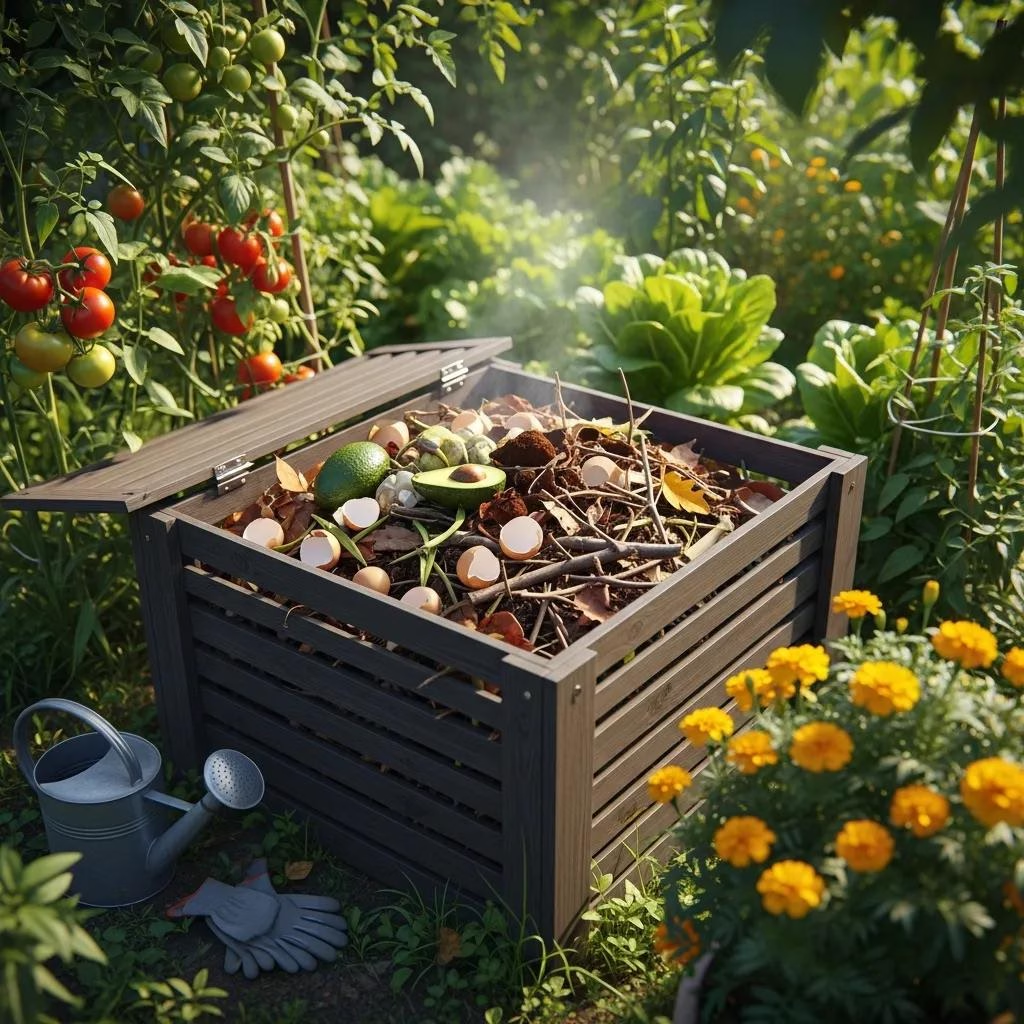
Composting at home is an eco-friendly practice that transforms organic waste into nutrient-rich soil, benefiting both your garden and the environment. This comprehensive guide will walk you through the essential steps, methods, and materials needed to start composting effectively. Many individuals are unaware of the significant impact composting can have on reducing waste and enhancing soil health. By understanding the process and benefits of composting, you can contribute to a more sustainable lifestyle. This article will cover the essential steps to start composting, how to set up your composting system, the types of materials you can compost, and the various compost bin options available.
Research highlights the effectiveness of home composting as a waste management technique for household garbage.
Home Composting & Household Waste Reduction
The quantity of waste adding to the mainstream can be simply reduced by home composting. During the year 2007, the Central Environmental Authority, Sri Lanka has introduced compost bins to encourage the home composting and also they launched pilot projects in selected Local Authorities. This research was focused on the understanding of the effectiveness of the household composting bins as a waste management technique for household garbage.
Efficiency of the household compost bin as a wastemanagement technique in Sri Lanka, L Lekammudiyanse, 2007
What Are the Essential Steps to Start Composting at Home?
Starting your composting journey involves a few straightforward steps that ensure a successful process. First, choose a composting method that suits your lifestyle, whether it’s a traditional bin, a tumbler, or vermicomposting. Next, gather your compost materials, which can include kitchen scraps, yard waste, and paper products. Finally, monitor the moisture and aeration levels in your compost to promote effective decomposition. Following these steps will set a solid foundation for your composting efforts.
How to Set Up Your First Home Composting System
Setting up your first composting system can be an exciting project. Begin by selecting a compost bin that fits your space and needs. Decide on a composting method, such as a traditional bin or a tumbler, and layer your materials appropriately. Start with coarse materials like twigs or straw at the bottom for aeration, followed by a mix of green materials (like fruit scraps) and brown materials (like dried leaves). This layering technique helps maintain the right balance of carbon and nitrogen, essential for effective composting.
Which Organic Materials Can You Compost Safely?
When composting, it’s crucial to know which organic materials are safe to include. Here are some common items you can compost:
- Kitchen Scraps: Fruit and vegetable peels, coffee grounds, and eggshells are excellent additions.
- Yard Waste: Grass clippings, leaves, and small branches contribute valuable nutrients.
- Paper Products: Shredded newspaper and cardboard can be composted, but avoid glossy or heavily inked materials.
By using these materials, you can create a rich compost that enhances soil health.
Which Compost Bin Types Are Best for Backyard Composting?
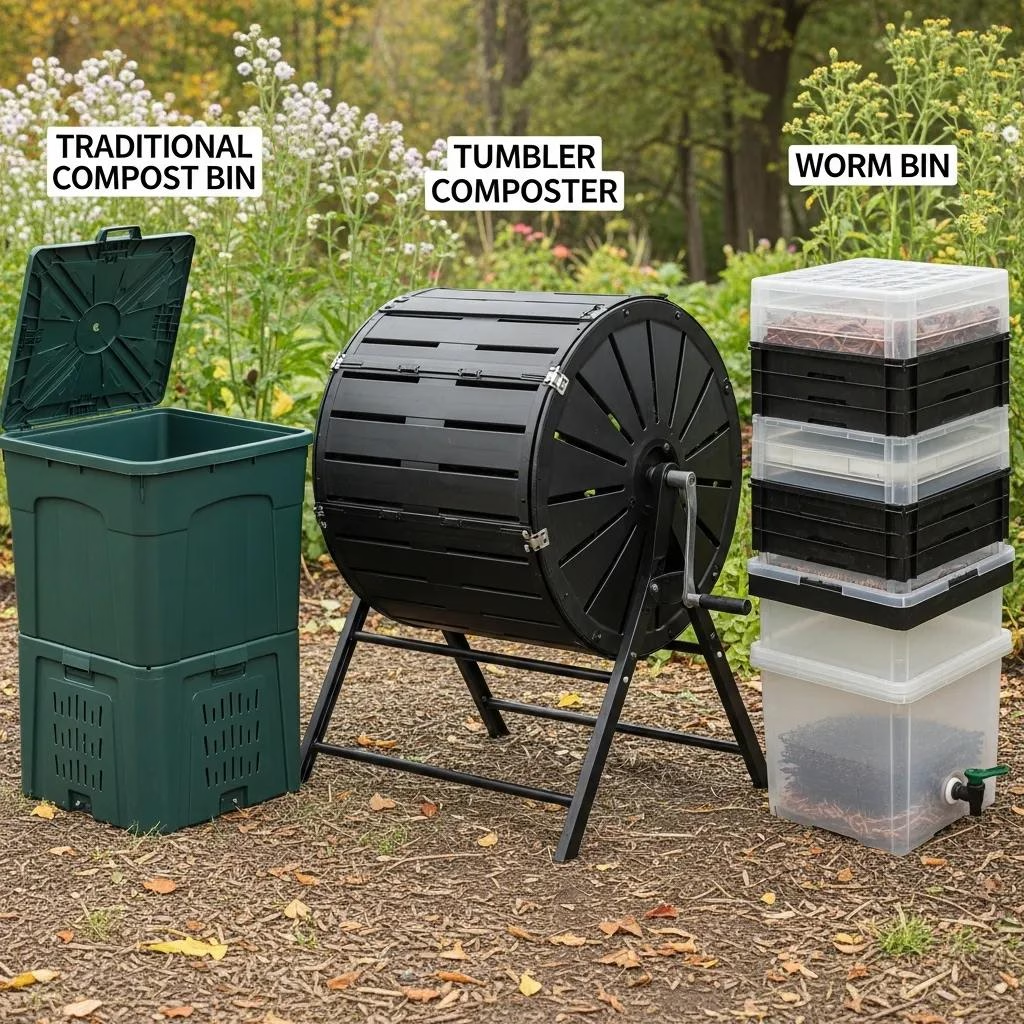
Choosing the right compost bin is essential for effective composting. Here are some popular types:
- Traditional Compost Bins: These are simple, open bins that allow for easy access and aeration.
- Tumbler Composters: These rotating bins make it easy to mix materials and speed up the composting process.
- Worm Bins: Ideal for small spaces, these bins use worms to break down organic matter quickly.
Each type has its advantages, so consider your space and composting goals when selecting a bin.
What Are the Advantages of Different Compost Bin Materials and Sizes?
The material and size of your compost bin can significantly impact its efficiency. Here are some benefits of various compost bin materials:
- Plastic Bins: Lightweight and durable, they retain heat and moisture well, promoting faster decomposition.
- Wooden Bins: These are often more aesthetically pleasing and can be built to any size, but they may require more maintenance.
- Metal Bins: Highly durable and resistant to pests, metal bins can be a long-lasting option.
Choosing the right size is also important; larger bins can accommodate more waste but may require more effort to manage.
How to Choose the Right Compost Bin for Your Home Environment
Selecting the right compost bin involves considering several factors. Assess your available space, as smaller areas may benefit from compact tumblers or worm bins. Think about the composting method you prefer, as some bins are better suited for specific techniques. Additionally, consider the material type; for instance, if you live in a humid climate, a plastic bin may be more effective at retaining moisture. By evaluating these factors, you can choose a compost bin that fits seamlessly into your home environment.
How Does Vermicomposting Enhance Home Composting Practices?
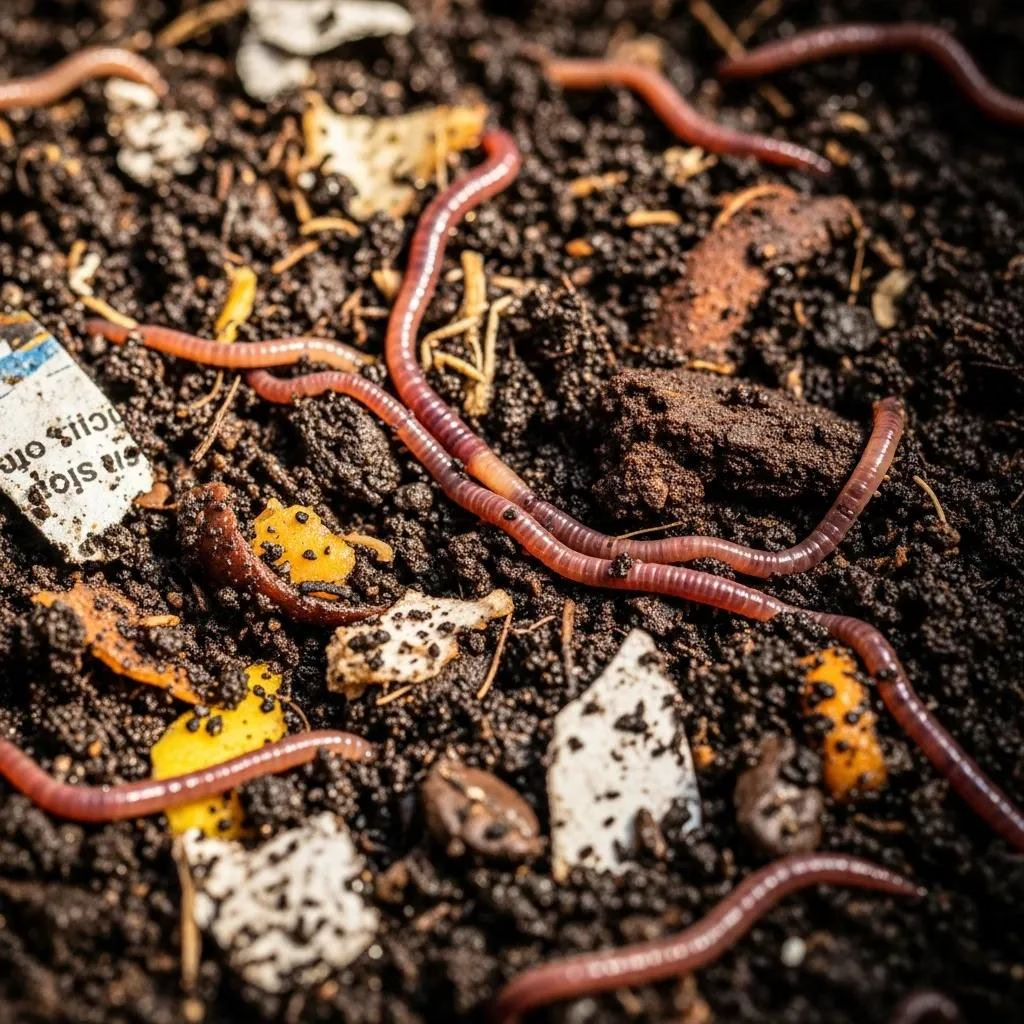
Vermicomposting is a method that utilizes worms to break down organic waste, enhancing the composting process. This technique accelerates decomposition and produces nutrient-rich compost known as worm castings. Worms help aerate the compost, improving its structure and promoting beneficial microbial activity. By incorporating vermicomposting into your home composting practices, you can create a more efficient and effective composting system.
What Are the Benefits of Using Earthworms in Composting?
Using earthworms in composting offers several advantages:
- Faster Breakdown of Waste: Earthworms consume organic matter and excrete nutrient-rich castings, speeding up the composting process.
- Reduction of Odors: The presence of worms helps maintain a balanced environment, reducing unpleasant smells.
- Nutrient Enrichment: Worm castings are rich in essential nutrients, enhancing the quality of your compost.
These benefits make earthworms a valuable addition to any composting system.
How to Start and Maintain a Vermicomposting Bin at Home
Starting a vermicomposting bin is simple and requires minimal space. Begin by choosing a suitable bin with drainage holes and a lid. Prepare bedding using shredded newspaper or cardboard, and add your worms, typically red wigglers. Feed them kitchen scraps in moderation, ensuring a balanced diet. Maintain moisture levels by misting the bedding as needed, and monitor the bin for any signs of odor or pests. Regularly harvesting worm castings will provide you with nutrient-rich compost for your garden.
What Are Common Composting Problems and How Can You Troubleshoot Them?
Composting can sometimes present challenges, but many common problems have straightforward solutions. Here are a few issues you might encounter:
- Odor Management: If your compost smells, it may be too wet or lack aeration. Turn the pile and add dry materials to balance moisture.
- Pest Control: Fruit flies or rodents can be a nuisance. Ensure your bin is sealed properly and avoid adding meat or dairy products.
- Slow Decomposition: If your compost is decomposing slowly, it may need more green materials or aeration. Turning the pile regularly can help speed up the process.
By addressing these issues promptly, you can maintain a healthy composting system.
How to Identify and Fix Smelly or Slow-Decomposing Compost
Identifying and fixing smelly or slow-decomposing compost involves a few key steps. First, check the moisture levels; compost should be damp but not soggy. If it’s too wet, add dry materials like leaves or straw to absorb excess moisture. Turning the compost regularly helps aerate it, promoting faster decomposition. If odors persist, consider the balance of green and brown materials; a proper mix is essential for a healthy composting environment.
Further research explores advanced techniques and factors like bin volume and microorganisms to enhance the decomposition process and address common issues.
Optimizing Food Waste Composting & Bin Efficiency
The utilization of effective microorganisms (EM) in composting has gained substantial prominence since this additional microorganism is believed to overcome natural composting issues, such as slow decomposition and odour generation. However, a lack of awareness and education about proper composting practices involving EM can result in errors that diminish the decomposition process’s effectiveness. Thus, this study aims to enhance the decomposition process’s efficiency with emphasis on the balance between EM and food waste, as well as the void space within the compost bin.
The influence of compost bin volume and effective microorganisms (EM) quantity for efficient food waste composting, 2024
What Mistakes Should Beginners Avoid in Home Composting?
Beginners often make common mistakes that can hinder their composting efforts. Here are some pitfalls to avoid:
- Using Only One Type of Material: A balanced mix of greens and browns is crucial for effective composting.
- Neglecting Aeration: Failing to turn the compost can lead to anaerobic conditions, resulting in odors and slow decomposition.
- Ignoring Moisture Levels: Compost should be kept moist but not overly wet; monitoring moisture is key to success.
By being aware of these mistakes, beginners can set themselves up for successful composting.
What Are the Environmental Benefits of Composting at Home?
Composting at home offers numerous environmental benefits that contribute to sustainability. One significant advantage is the reduction of methane emissions from landfills, as composting diverts organic waste from these sites. Additionally, composting improves soil health by enriching it with nutrients, promoting biodiversity, and enhancing water retention. This practice also reduces the need for chemical fertilizers, further supporting environmental sustainability.
Earth Action Network, Inc. operates emagazine.com with a mission to inform and educate readers about critical environmental issues, including sustainable practices such as home composting. By engaging in composting, individuals can play a vital role in promoting environmental health and sustainability.
How Does Composting Reduce Landfill Waste and Carbon Emissions?
Composting significantly reduces landfill waste by diverting organic materials that would otherwise contribute to overcrowded landfills. This process not only conserves valuable landfill space but also minimizes carbon emissions associated with waste decomposition. Aerobic decomposition in composting produces far fewer greenhouse gases compared to anaerobic decomposition in landfills, making it a more environmentally friendly option.
Studies further emphasize how composting plays a crucial role in mitigating climate change by reducing harmful emissions.
Composting for Methane Reduction & Sustainable Living
Food waste accounts for approximately 8% of total global greenhouse emissions. Diverting household organic waste through composting programs is a common solution for reducing methane emissions from landfills, contributing to a more sustainable lifestyle and mitigating climate change impacts.
Household landfill diversion and the impact on methane emissions, 2025
What Impact Does Composting Have on Soil Health and Garden Productivity?
The impact of composting on soil health and garden productivity is profound. Compost enriches the soil with essential nutrients, improving its structure and fertility. This enhancement leads to better water retention, which is crucial for plant growth. Additionally, compost helps suppress plant diseases and pests, creating a healthier garden ecosystem. By incorporating compost into your gardening practices, you can significantly boost productivity and promote sustainable gardening.
How Can You Use Compost Effectively in Your Garden?
Using compost effectively in your garden involves several best practices. Here are some tips:
- Mix Compost into Garden Beds: Incorporate compost into the soil before planting to enhance nutrient availability.
- Use as Mulch: Apply a layer of compost on top of the soil to retain moisture and suppress weeds.
- Apply Before Winter: Adding compost in the fall can improve soil structure and prepare it for spring planting.
These practices will help you maximize the benefits of compost in your garden.
What Are Best Practices for Applying Compost to Different Plants?
When applying compost to different plants, consider their specific nutrient needs and growth stages. Here are some guidelines:
- Nutrient Needs: Understand the nutrient requirements of various plants to determine the appropriate amount of compost to use.
- Timing of Application: Apply compost during the growing season to support active growth, or in the fall to prepare for winter.
- Layering Techniques: Use layering techniques to ensure even distribution and prevent nutrient runoff.
By following these best practices, you can optimize the benefits of compost for your plants.
How Does Compost Improve Garden Soil Structure and Fertility?
Compost improves garden soil structure and fertility through its rich nutrient content and organic matter. The addition of compost enhances soil aeration and drainage, promoting healthy root development. Furthermore, compost increases the soil’s ability to retain moisture, reducing the need for frequent watering. This combination of benefits leads to healthier plants and improved garden productivity, making compost an invaluable resource for any gardener.