



The Fastest Path to Emissions Reductions
Energy efficiency is often overlooked because it is invisible. There are no towering wind turbines or gleaming solar panels. Yet efficiency delivers some of the fastest and most cost-effective emissions reductions available.
Improving building envelopes, upgrading appliances, and optimizing industrial processes reduce energy demand permanently—saving money while cutting pollution.
Buildings and Industrial Efficiency
Buildings account for a large share of electricity and fuel use. Better insulation, efficient HVAC systems, and smart controls can dramatically reduce consumption without sacrificing comfort.
In industry, efficiency measures such as waste heat recovery and process optimization lower energy intensity while improving competitiveness.
Demand Response: Flexibility on the Customer Side
Demand response goes beyond efficiency by changing when energy is used. By shifting flexible loads away from peak periods, demand response reduces grid stress and avoids costly infrastructure expansion.
Smart thermostats, automated building systems, and industrial controls allow demand to respond dynamically to grid conditions.
Digital Tools and Virtual Power Plants
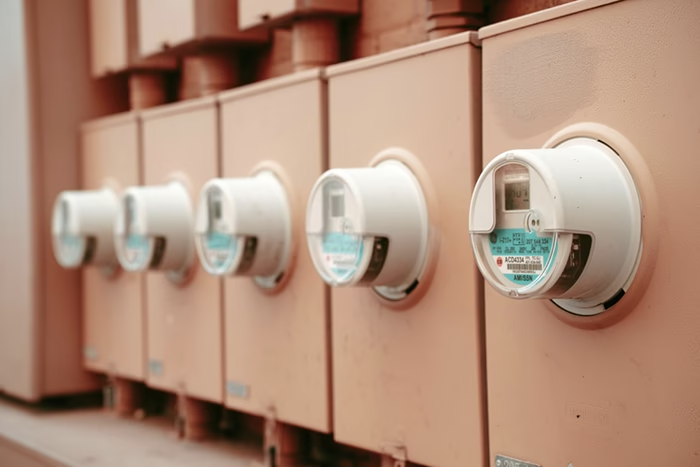
Advanced metering and real-time pricing have expanded the scale of demand response. Aggregated across thousands of users, flexible demand can function like a power plant—delivering capacity without burning fuel.
This flexibility is especially valuable in renewable-heavy grids, where aligning demand with clean energy output reduces curtailment.
Efficiency in a Renewable System
Efficiency and demand response are essential complements to renewable energy. Together, they reduce the amount of generation and storage required, lowering system costs and accelerating decarbonization.
Read more…