



Eco-Friendly Cleaning Supplies That Actually Work

Eco-Friendly Cleaning Supplies That Actually Work
In a world increasingly aware of environmental issues, the demand for effective eco-friendly cleaning supplies has surged. These products not only promise to keep our homes clean but also aim to reduce our ecological footprint. This article delves into the benefits of using eco-friendly cleaning supplies, how to choose the right products, and even some DIY solutions that can be made at home. Many consumers are concerned about the harmful chemicals found in traditional cleaning products, which can pose health risks and contribute to environmental degradation. Eco-friendly alternatives offer a solution by utilizing natural ingredients that are both effective and safe. We will explore the advantages of these products, provide guidance on selecting the best options, and share some simple recipes for homemade cleaning solutions.
Benefits of Eco-Friendly Cleaning Supplies
Eco-friendly cleaning supplies offer numerous advantages that extend beyond mere cleanliness. These products are designed to minimize environmental impact while ensuring effective cleaning. One of the primary benefits is the reduction of plastic waste, as many eco-friendly products come in biodegradable or reusable packaging. Additionally, these supplies often contain non-toxic ingredients, which can lead to significant health benefits for both users and their families. By choosing eco-friendly options, consumers can also enjoy long-term cost savings, as many natural cleaning solutions can be made at home using common household ingredients.
These benefits highlight the importance of making informed choices when it comes to cleaning supplies. For those looking to transition to eco-friendly options, understanding how to select the right products is crucial.
How to Choose Eco-Friendly Cleaning Products
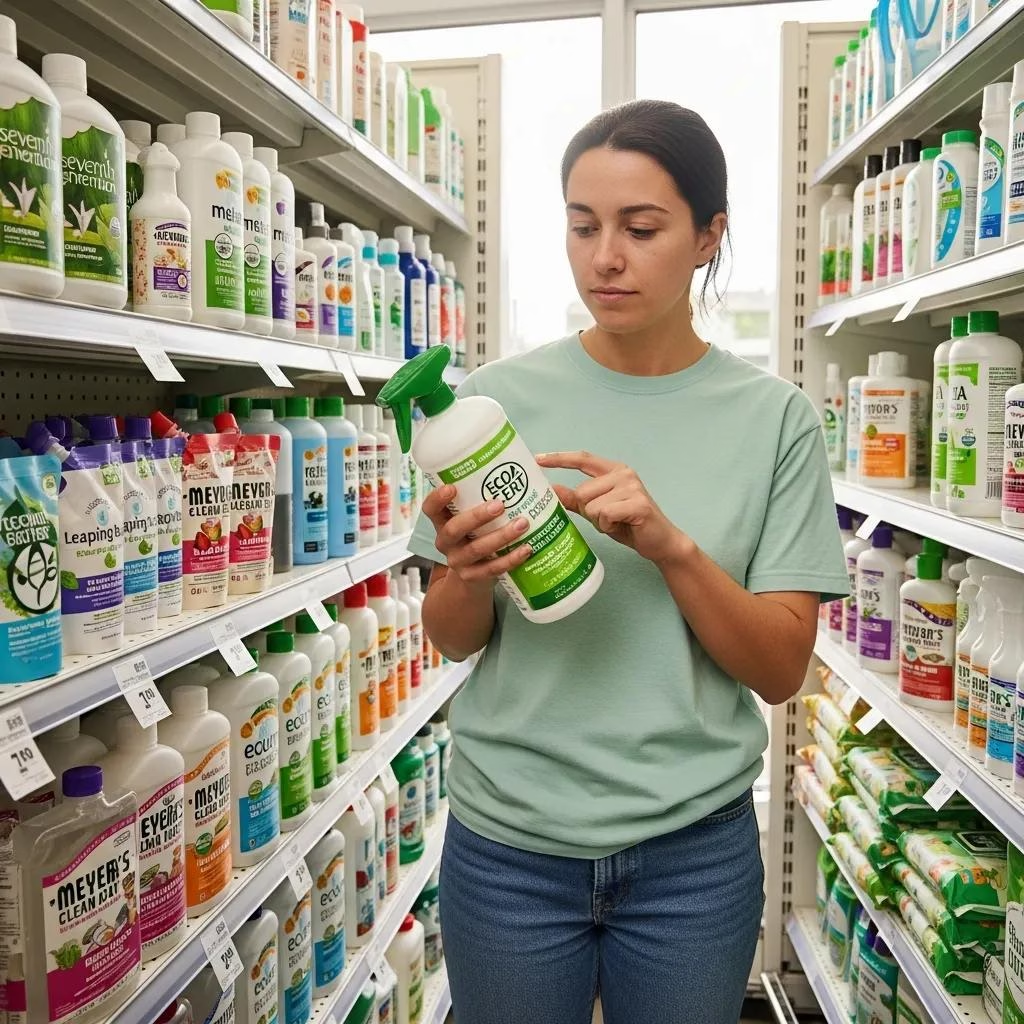
Selecting the right eco-friendly cleaning products involves a few key considerations. First, look for certifications that indicate a product’s environmental friendliness, such as the Green Seal or EcoLogo certifications. These labels ensure that the products meet specific environmental standards. Next, checking ingredient lists is essential; avoid products with harsh chemicals or synthetic fragrances, as these can negate the benefits of using eco-friendly supplies. Finally, consider the product’s efficacy; read reviews and seek recommendations to ensure that the cleaning supplies will perform as expected.
- Look for Certifications: Ensure products have recognized eco-friendly certifications.
- Check Ingredient Lists: Avoid harsh chemicals and synthetic fragrances.
- Consider Product Efficacy: Read reviews and seek recommendations for performance.
By following these guidelines, consumers can make informed decisions that align with their values and contribute to a healthier planet.
DIY Eco-Friendly Cleaning Solutions
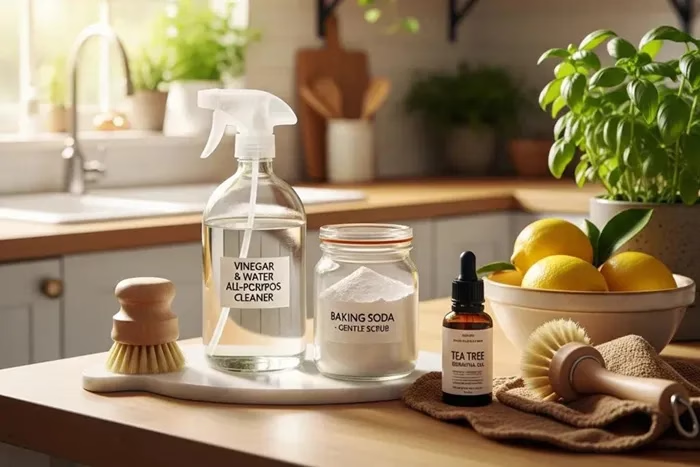
Creating your own eco-friendly cleaning solutions can be both fun and cost-effective. Many common household ingredients can be combined to make powerful cleaning agents. For instance, a simple mixture of vinegar and baking soda can tackle tough stains and odors. Another effective solution is a blend of lemon juice and water, which can be used to clean surfaces and leave a fresh scent. These DIY solutions not only reduce reliance on commercial products but also allow for customization based on personal preferences.
In fact, studies have shown that these simple homemade concoctions can be surprisingly effective, even outperforming some commercial disinfectants.
Homemade Cleaning Solutions Outperform Commercial Disinfectants
Two of the most common cleaning products, Lysol and Clorox, were tested against a homemade product made of a simple mixture of baking soda, dish soap, and white vinegar. Their effectiveness was studied by observing the amount of microbial growth on preservative-free white bread over a period of 12 days. The homemade mixture was observed to have the lowest microbial growth out of all treatments.
Comparative life cycle assessment of conventional and Green Seal-compliant industrial and institutional cleaning products, N Wilberforce, 2012
- Vinegar and Baking Soda: A powerful combination for tackling tough stains and odors.
- Lemon Juice and Water: A natural cleaner that leaves surfaces fresh and bright.
- Castile Soap and Water: A versatile cleaner suitable for various surfaces.
These homemade solutions demonstrate that effective cleaning does not have to come at the expense of the environment. Understanding the environmental impact of traditional cleaning products is essential for making informed choices.
Environmental Impact of Cleaning Products
The ecological effects of traditional cleaning products are significant and often overlooked. Many conventional cleaners contain harmful chemicals that contribute to plastic pollution and chemical runoff, which can severely impact aquatic ecosystems. Statistics show that a substantial percentage of plastic waste in oceans comes from household products. In contrast, eco-friendly cleaning supplies are designed to minimize these impacts, often using biodegradable ingredients that break down naturally. Additionally, many eco-friendly products are certified by sustainability organizations, ensuring that they meet rigorous environmental standards.
Research further underscores the significant environmental advantages of choosing certified eco-friendly cleaning products over their conventional counterparts.
Environmental Benefits of Green Seal Cleaning Products
The conventional ready-to-use industrial and institutional cleaning product had the highest environmental impact in all product types and for the most impact categories analyzed. The GS-37-compliant products were lower than the conventional products in most impact categories studied. Furthermore, normalization of the results showed that the impact categories of marine ecotoxicity, human toxicity, and freshwater ecotoxicity were dominant, and the conventional products led these impact categories.
Effectiveness of Commercial and Homemade Cleaning Products on Preventing White Bread Microbial Growth, 2023
By choosing eco-friendly cleaning supplies, consumers can play a vital role in reducing their environmental footprint and promoting sustainability.