



Eco-Friendly Waste Reduction Hacks for Every Home

Eco-Friendly Waste Reduction Hacks for Every Home
In an era where environmental consciousness is paramount, adopting eco-friendly waste reduction hacks can significantly impact our planet. This article delves into practical strategies that every household can implement to minimize waste and promote sustainability. Readers will discover effective methods for reducing household waste, including composting, recycling, and embracing a zero-waste lifestyle. The challenge of waste management is pressing, with landfills overflowing and pollution levels rising. However, by integrating simple yet effective waste reduction techniques, individuals can contribute to climate change mitigation and foster a more sustainable future. This guide will explore various waste reduction tips, the benefits of sustainable products, and actionable steps to create a greener home.
Understanding Waste Reduction
Waste reduction refers to the strategies and practices aimed at minimizing the amount of waste generated by individuals and communities. By focusing on reducing waste at the source, we can significantly decrease the burden on landfills and the environment. Effective waste reduction involves understanding the lifecycle of products and making conscious choices that prioritize sustainability. This approach not only conserves resources but also promotes a healthier planet. Implementing waste reduction strategies can lead to substantial environmental benefits, including reduced greenhouse gas emissions and less pollution.
The Importance of Sustainable Living
Sustainable living encompasses practices that reduce an individual’s or society’s use of the Earth’s natural resources. By adopting sustainable habits, we can ensure that future generations inherit a healthier planet. Sustainable living is crucial in combating climate change, as it encourages the use of renewable resources and minimizes waste. This lifestyle promotes a circular economy, where products are reused, repaired, and recycled rather than discarded. Embracing sustainable living not only benefits the environment but also enhances personal well-being through healthier choices and reduced consumption.
Key Benefits of Waste Reduction
Implementing waste reduction strategies offers numerous benefits, including:
- Environmental Protection: Reducing waste helps conserve natural resources and decreases pollution levels.
- Cost Savings: By minimizing waste, households can save money on disposal fees and purchasing new products.
- Community Impact: Collective efforts in waste reduction can lead to cleaner neighborhoods and improved public health.
These benefits highlight the importance of adopting eco-friendly practices in our daily lives.
Practical Waste Reduction Hacks
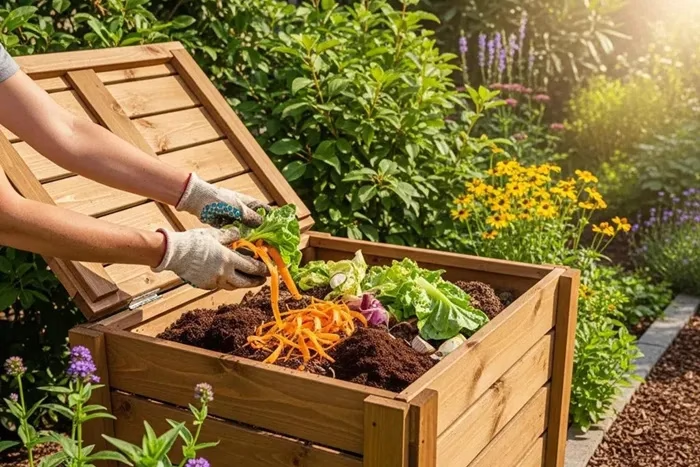
There are several practical hacks that individuals can adopt to reduce waste effectively. These strategies can be easily integrated into daily routines, making them accessible for everyone.
Composting: A Natural Solution
Composting is an excellent way to reduce organic waste while enriching the soil. By composting kitchen scraps and yard waste, households can divert a significant amount of waste from landfills. Composting works by breaking down organic materials through natural processes, resulting in nutrient-rich compost that can be used in gardens. This practice not only reduces waste but also promotes healthy plant growth and reduces the need for chemical fertilizers.
Recycling: A Responsible Choice
Recycling is a fundamental aspect of waste reduction. By recycling materials such as paper, glass, and plastics, we can conserve resources and reduce energy consumption. Recycling processes transform waste into new products, minimizing the need for raw materials. To recycle effectively, individuals should familiarize themselves with local recycling guidelines and ensure that materials are clean and properly sorted. This responsible choice contributes to a circular economy and reduces the environmental impact of waste.
Embracing a Zero Waste Lifestyle
Adopting a zero waste lifestyle involves minimizing waste to the greatest extent possible. This approach encourages individuals to rethink their consumption habits and prioritize reusable products over single-use items. Simple changes, such as using cloth bags, stainless steel water bottles, and glass containers, can significantly reduce waste. Additionally, individuals can support businesses that prioritize sustainability by choosing products with minimal packaging. Embracing a zero waste lifestyle not only benefits the environment but also fosters a sense of community and shared responsibility.
Sustainable Products for Waste Reduction
Incorporating sustainable products into daily life is a powerful way to reduce waste. These products are designed to minimize environmental impact and promote sustainability.
Types of Sustainable Products
- Reusable Bags: Opting for reusable shopping bags instead of plastic bags can significantly reduce plastic waste.
- Biodegradable Containers: Using biodegradable food containers helps minimize landfill waste and supports composting efforts.
- Eco-Friendly Cleaning Supplies: Choosing cleaning products made from natural ingredients reduces chemical pollution and promotes a healthier home environment.
These sustainable products not only contribute to waste reduction but also support a healthier planet.
Choosing Quality Over Quantity
When selecting sustainable products, it’s essential to prioritize quality over quantity. Investing in durable, high-quality items reduces the need for frequent replacements, ultimately leading to less waste. Additionally, supporting local businesses that prioritize sustainability can have a positive impact on the community and the environment. By making informed choices, individuals can contribute to a more sustainable future.
Community Initiatives for Waste Reduction
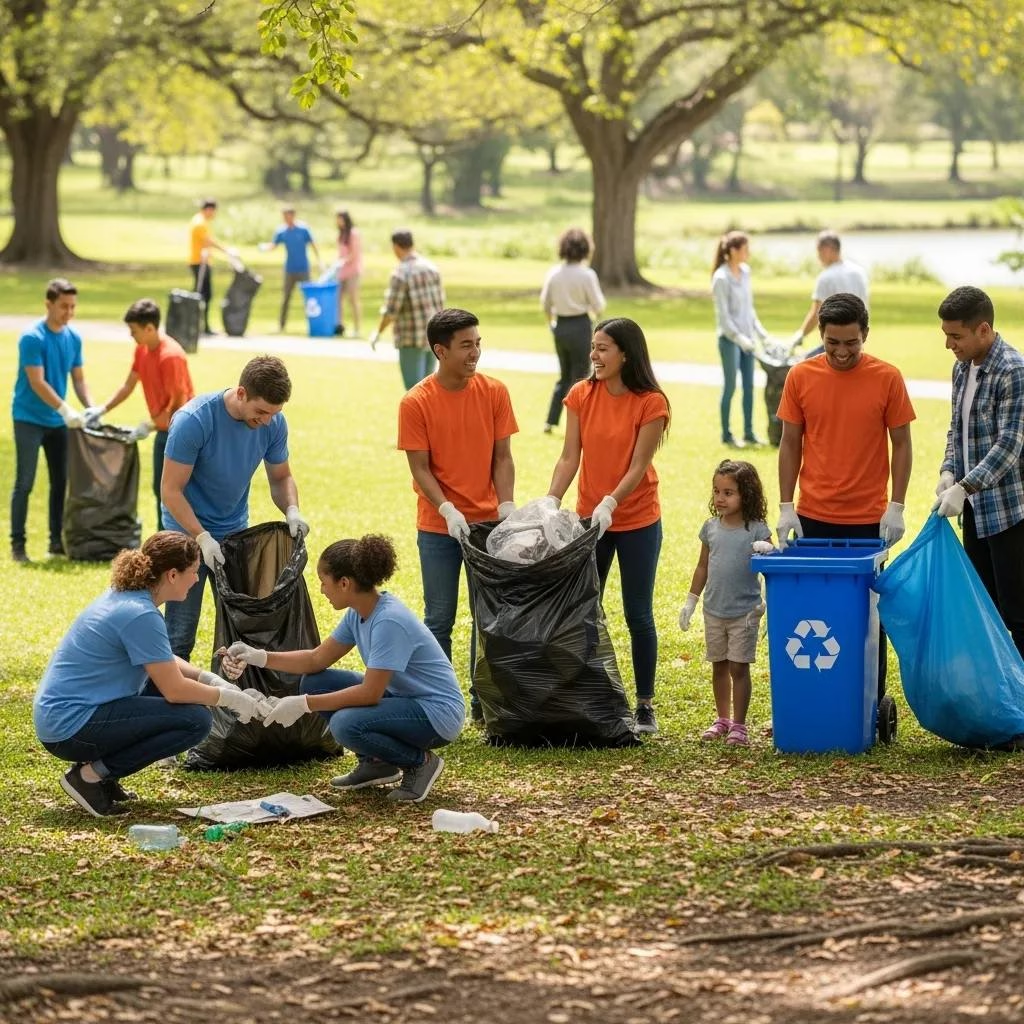
Community initiatives play a vital role in promoting waste reduction and sustainability. By working together, communities can implement effective strategies that benefit everyone.
Organizing Clean-Up Events
Participating in or organizing community clean-up events is an excellent way to engage with neighbors and promote waste reduction. These events raise awareness about littering and encourage individuals to take responsibility for their local environment. Clean-up events can also foster a sense of community and collaboration, making it easier to implement sustainable practices collectively.
Educational Workshops
Hosting educational workshops on waste reduction and sustainability can empower individuals with the knowledge and skills needed to make a difference. These workshops can cover topics such as composting, recycling, and sustainable product choices. By providing resources and information, communities can inspire individuals to adopt eco-friendly practices and contribute to a healthier planet.
Supporting Local Recycling Programs
Supporting local recycling programs is crucial for effective waste management. Communities can advocate for improved recycling facilities and services, ensuring that residents have access to convenient recycling options. By participating in local recycling initiatives, individuals can contribute to a more sustainable community and reduce overall waste.
Conclusion
Incorporating eco-friendly waste reduction hacks into daily life is essential for promoting sustainability and protecting the environment. By understanding the importance of waste reduction, individuals can make informed choices that benefit both themselves and the planet. From composting and recycling to embracing a zero waste lifestyle, there are numerous practical strategies that can be implemented at home. By prioritizing sustainable products and supporting community initiatives, we can collectively work towards a greener future. The journey towards waste reduction begins with small, conscious choices that lead to significant positive impacts on our environment.