
Exploring the Top Environmental Justice Issues Impacting Communities Across the United States Today
Exploring the Top Environmental Justice Issues Impacting Communities Across the United States Today: Understanding Causes, Effects, and Solutions
By Roddy Scheer, E — The Environmental Magazine
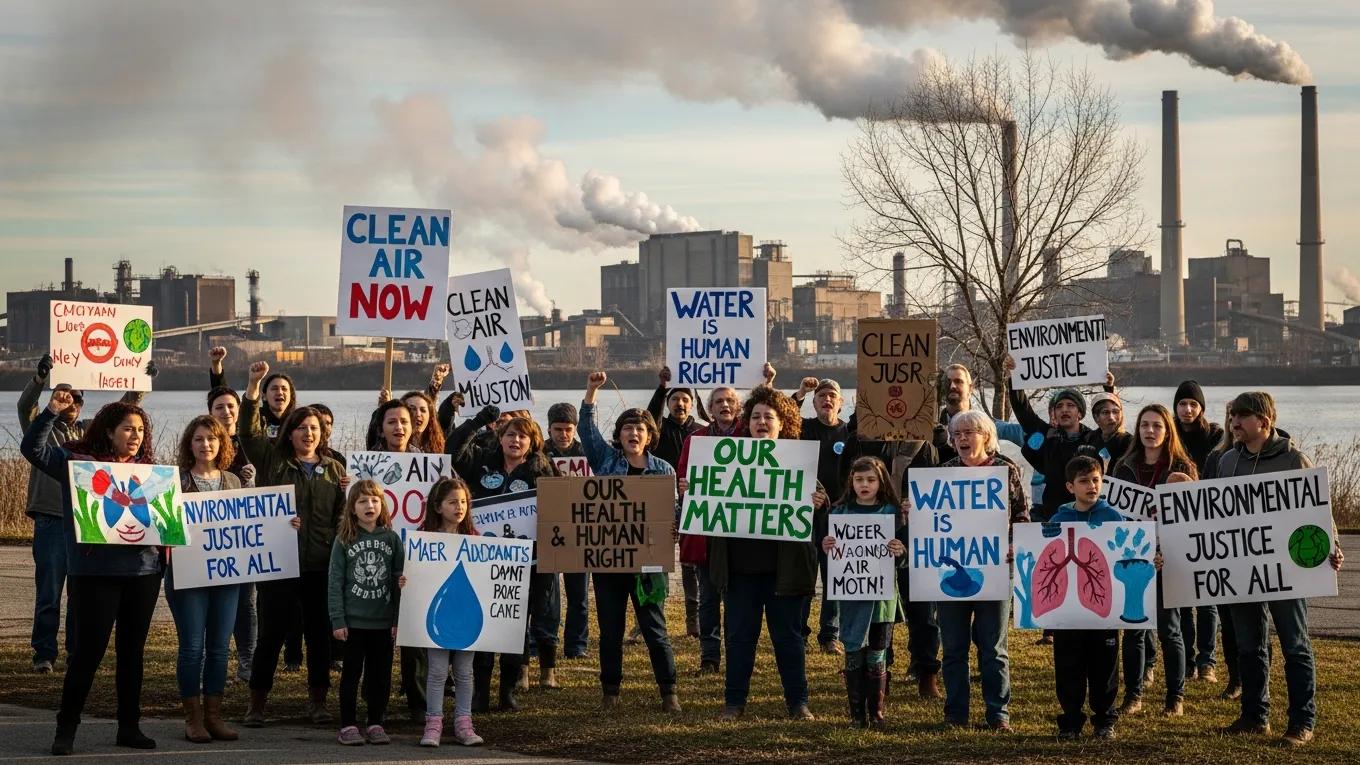
Environmental justice is a critical issue that addresses the disproportionate impact of environmental hazards on marginalized communities across the United States. This article delves into the various environmental justice issues that affect these communities, exploring the causes, effects, and potential solutions. Readers will gain insights into how environmental racism and pollution shape the lives of vulnerable populations, as well as the historical context that has led to these disparities. By understanding these issues, individuals and communities can better advocate for change and support initiatives aimed at achieving environmental justice. The following sections will cover the definition of environmental justice, the communities most affected, current issues such as pollution and climate change, ways to support “sustainable living”, and the policy reforms driving change.
What Is Environmental Justice and How Does It Affect US Communities?
Environmental justice refers to the fair treatment and meaningful involvement of all people in environmental decision-making, regardless of race, color, national origin, or income. It aims to ensure that everyone enjoys the same degree of protection from environmental and health hazards. The concept is closely linked to environmental racism, which describes how marginalized communities often bear the brunt of pollution and environmental degradation. This inequity can lead to significant health disparities and reduced quality of life for affected populations.
Further elaborating on the pervasive nature of environmental racism, research highlights its specific impacts on communities of color.
Environmental Racism: Disproportionate Impacts on Communities of Color
Environmental racism impacts individual communities of color in several ways. Over many decades, the discriminatory policies and practices that constitute environmental racism have disproportionately burdened communities of color, specifically Black Americans, American Indians/Alaska Natives (AIs/ANs), Asian Americans and Pacific Islanders, and Hispanic (sometimes called Latinx) populations. Frequently, these communities are located next to pollution sources such as major roadways, toxic waste sites, landfills, and chemical plants. Environmental racism has also concentrated disadvantaged populations in substandard housing, where hazardous exposures are much more likely. Manifestations of environmental racism have been documented in several other exposure situations. Often communities of color face cumulative health impacts from multiple co-occurring exposures.
Confronting environmental racism, A Hajat, 2020
Defining Environmental Justice and Related Concepts Like Environmental Racism
Environmental justice encompasses a range of issues, including the right to clean air, water, and land. It highlights the systemic inequalities that result in certain communities facing higher exposure to environmental hazards. Environmental racism, a key component of this discussion, refers to the policies and practices that disproportionately affect people of color and low-income communities. Historical context reveals that these issues are not new; they have roots in discriminatory practices that have persisted over decades.
Indeed, the systemic nature of these disparities is often rooted in structural racism, which fundamentally shapes environmental health outcomes.
Structural Racism: A Root Cause of Environmental Injustice
Communities of color and poor neighborhoods are disproportionately exposed to more air pollution—a pattern known as environmental injustices. Environmental injustices increase susceptibility to negative health outcomes among residents in affected communities. The structural mechanisms distributing environmental injustices in the USA are understudied. Bridging the literatures on the social determinants of health and environmental justice highlights the importance of the environmental conditions for health inequalities and sheds light on the institutional mechanisms driving environmental health inequalities. Structural racism is an environmental justice issue.
Structural racism as an environmental justice issue: a multilevel analysis of the state racism index and environmental health risk from air toxics, CH Alvarez, 2023
Historical Overview and Key Milestones in Environmental Justice Advocacy
The environmental justice movement gained momentum in the 1980s, particularly after the 1982 protests against a hazardous waste landfill in Warren County, North Carolina. This event marked a significant turning point, leading to increased awareness and advocacy for marginalized communities. Key milestones include the establishment of the Environmental Protection Agency’s Office of Environmental Justice in 1994 and the publication of the 1991 “Principles of Environmental Justice” by the First National People of Color Environmental Leadership Summit. These developments have paved the way for ongoing efforts to address environmental disparities.
Which Communities Are Most Impacted by Environmental Racism and Pollution?
Certain communities are disproportionately affected by environmental racism and pollution, often due to their socioeconomic status and geographic location. These marginalized groups face higher exposure to toxic waste, industrial pollution, and other environmental hazards.
Identifying Marginalized and Vulnerable Communities Facing Pollution Exposure
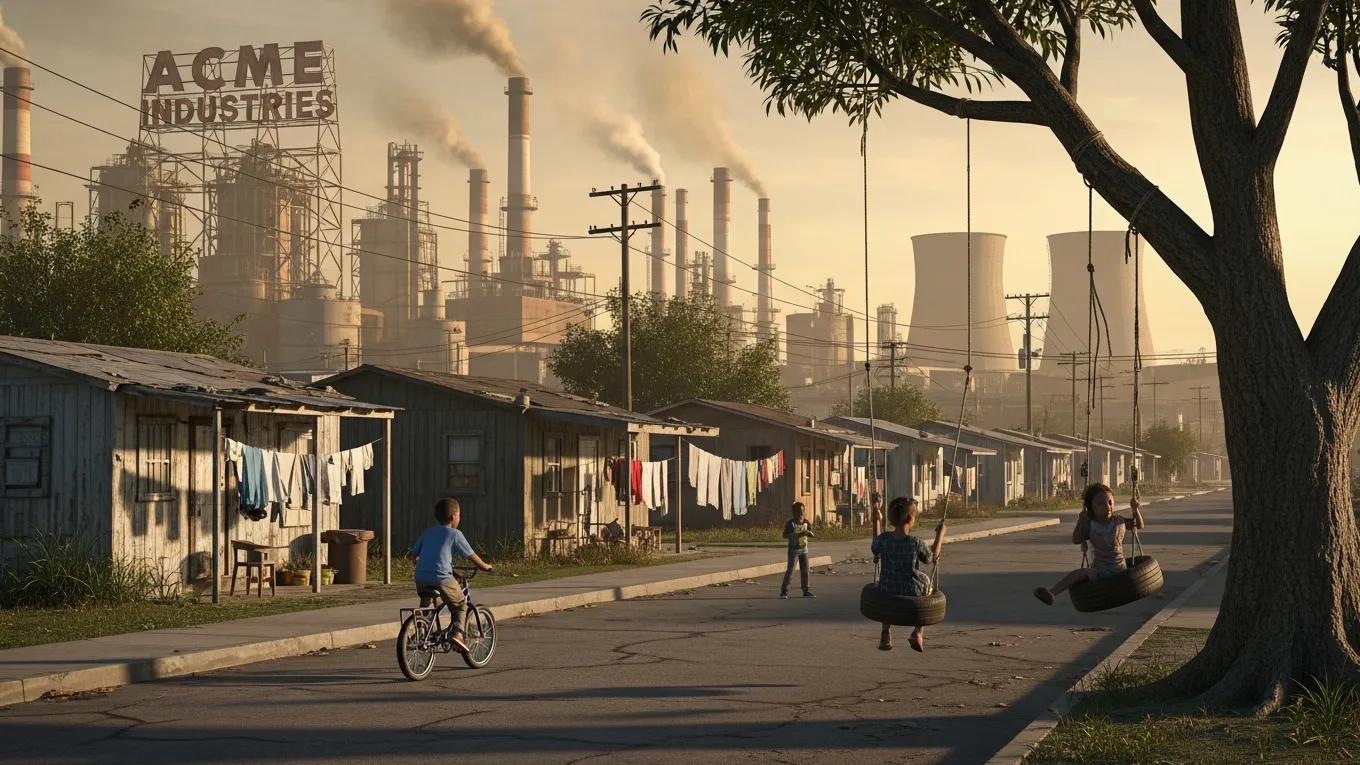
Marginalized communities, including low-income neighborhoods and communities of color, are often situated near industrial sites, landfills, and highways. This proximity increases their exposure to harmful pollutants, leading to serious health issues such as respiratory diseases, cancer, and other chronic conditions. Statistics indicate that these communities experience significantly higher rates of pollution-related health problems compared to more affluent areas.
This disproportionate burden on vulnerable populations is a direct consequence of systemic racism, which underlies many environmental health disparities.
Systemic Racism & Environmental Health Disparities in the US
Environmental health research in the US has shown that racial and ethnic minorities and members of low-socioeconomic groups, are disproportionately burdened by harmful environmental exposures, in their homes, workplace, and neighborhood environments that impact their overall health and well-being. Systemic racism is a fundamental cause of these disproportionate exposures and associated health effects. To invigorate and inform current efforts on environmental justice and to raise awareness of environmental racism, the National Institute of Environmental Health Sciences (NIEHS) hosted a workshop where community leaders, academic researchers, and NIEHS staff shared perspectives and discussed ways to inform future work to address health disparities.
Racism as a public health issue in environmental health disparities and environmental justice: working toward solutions, 2024
Case Studies Highlighting Environmental Health Disparities Across the US
Several case studies illustrate the stark environmental health disparities faced by marginalized communities. For instance, the Flint water crisis in Michigan highlighted the consequences of systemic neglect and environmental racism, where predominantly African American residents were exposed to lead-contaminated water. Similarly, the ongoing struggles of communities in Louisiana’s Cancer Alley, where industrial pollution has led to alarming cancer rates, underscore the urgent need for environmental justice.
What Are the Major Environmental Justice Issues Today Including Pollution and Climate Change?
Today, environmental justice issues are increasingly intertwined with broader concerns such as climate change and pollution. These challenges disproportionately affect vulnerable communities, exacerbating existing inequalities.
Examining Pollution Impact on Communities and Resource Access Inequities
Pollution remains a significant concern, with many communities lacking access to clean air and water. Industrial activities, agricultural runoff, and waste disposal practices contribute to environmental degradation, leading to health disparities. Access to resources such as green spaces and clean drinking water is often limited in marginalized neighborhoods, further compounding these issues.
Understanding Climate Justice Initiatives Addressing Climate Change Effects
Climate justice initiatives aim to address the disproportionate impacts of climate change on vulnerable communities. These initiatives focus on promoting sustainable practices, reducing greenhouse gas emissions, and advocating for policies that protect the most affected populations. By prioritizing equity in climate action, these efforts seek to create a more just and sustainable future for all.
How Can Individuals and Communities Support Environmental Justice Through Sustainable Living?
Individuals and communities play a crucial role in supporting environmental justice through sustainable living practices. By making conscious choices, they can contribute to positive change.
Practical Sustainable Living Tips to Reduce Environmental Impact
- Reduce Waste: Implement recycling and composting practices to minimize landfill contributions.
- Support Local Businesses: Choose to buy from local, sustainable businesses that prioritize environmental responsibility.
- Participate in Community Events: Engage in local clean-up efforts and environmental advocacy initiatives to raise awareness.
Empowering Community Action and Grassroots Sustainability Initiatives
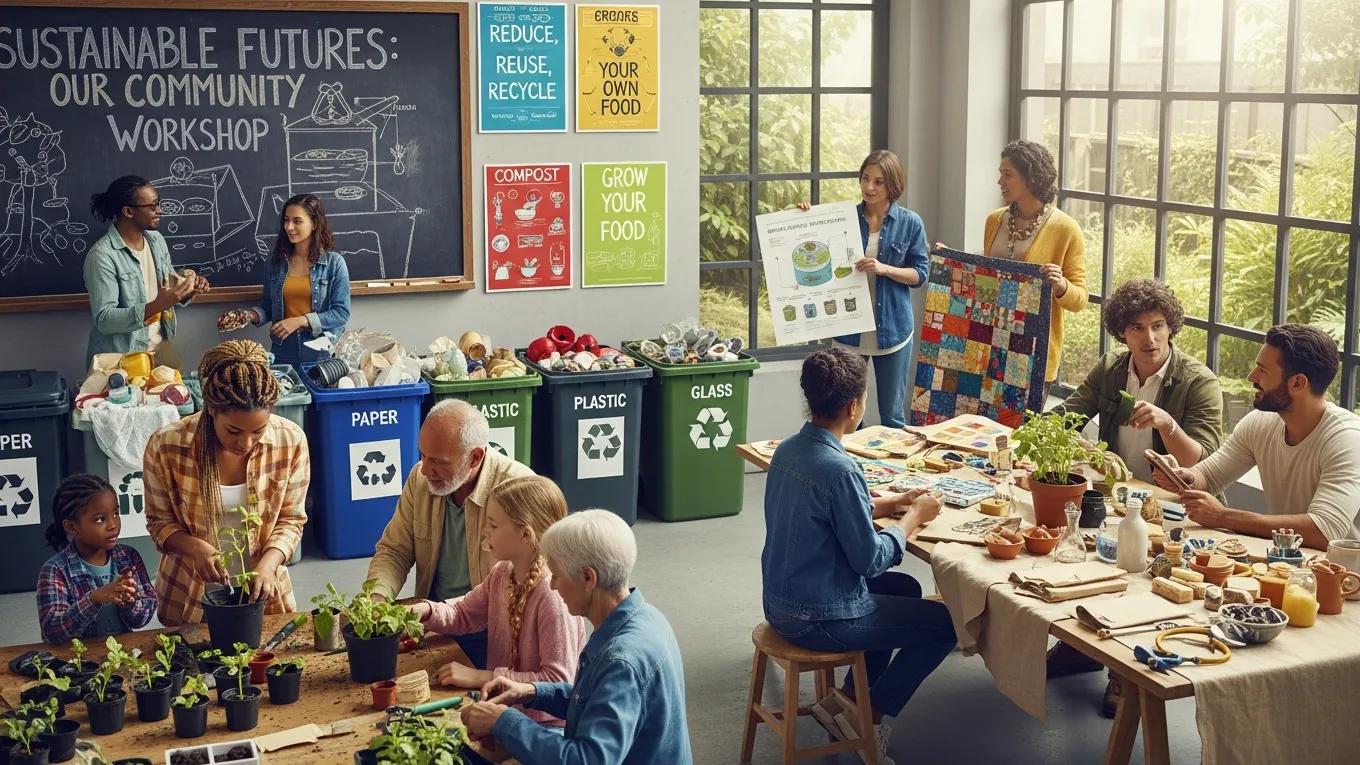
Grassroots initiatives are vital for fostering community engagement and promoting sustainable practices. By organizing local events, workshops, and educational programs, communities can empower individuals to take action. Successful initiatives often focus on collaboration, bringing together diverse voices to address environmental challenges collectively.
What Environmental Policy Reforms Are Driving Change in Environmental Justice?
Policy reforms play a critical role in advancing environmental justice by addressing systemic inequalities and promoting equitable practices.
Overview of Recent and Upcoming Policy Changes Addressing Environmental Racism
Recent policy changes have aimed to tackle environmental racism by increasing accountability for polluters and enhancing community engagement in decision-making processes. For example, the Biden administration’s commitment to environmental justice includes initiatives to invest in underserved communities and reduce pollution exposure. These reforms are essential for creating a more equitable environmental landscape.
How to Advocate for Policy and Support Climate Justice Legislation
Advocacy is key to driving policy change. Individuals can support climate justice legislation by engaging with local representatives, participating in public comment periods, and joining advocacy groups focused on environmental justice. By raising awareness and pushing for systemic change, communities can help ensure that environmental policies prioritize the needs of marginalized populations.