



Extreme Weather & Long-Term Climate Trends: How Warming Fuels Heat, Floods, Droughts, Storms
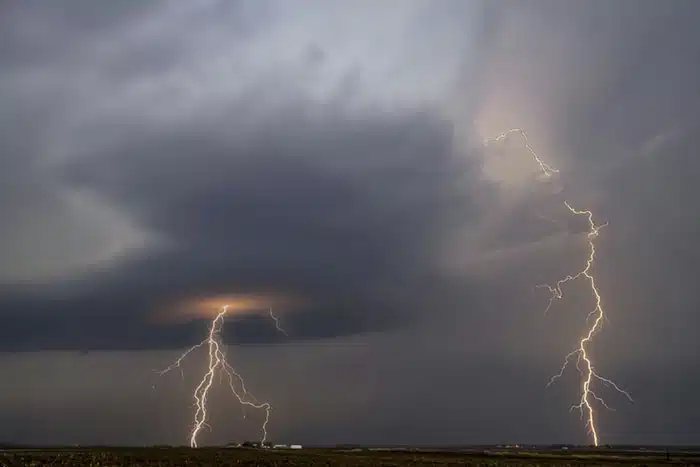
Weather refers to short-term atmospheric conditions, while climate describes long-term patterns averaged over decades. Climate change does not cause individual weather events, but it shifts the baseline conditions in which those events occur. As a result, many forms of extreme weather are becoming more frequent, more intense, or both.
Rising global temperatures increase the likelihood of heat waves. Even small increases in average temperature dramatically raise the probability of extreme heat events. Heat waves now last longer and reach higher temperatures in many regions, posing serious risks to human health, agriculture, and infrastructure.
Warmer air can hold more moisture, intensifying heavy rainfall events. This contributes to increased flooding, particularly in urban areas with limited drainage capacity. At the same time, changing circulation patterns can reduce rainfall in other regions, increasing the frequency and severity of droughts. These contrasting effects illustrate how climate change reshapes the global water cycle.
Wildfire risk has also grown in many parts of the world. Higher temperatures dry out vegetation and soils, creating conditions that allow fires to spread more rapidly and burn more intensely. Longer fire seasons and overlapping heat and drought events compound these risks, particularly in forested and semi-arid regions.
Tropical cyclones are influenced by ocean temperatures. While climate change does not necessarily increase the total number of storms, it increases the likelihood that storms become more intense. Warmer oceans provide additional energy, raising the potential for stronger winds, heavier rainfall, and greater storm surge.
Scientists use attribution studies to assess how climate change influences extreme events. By comparing current conditions with simulations of a world without human-induced warming, researchers can estimate how much climate change increased the likelihood or severity of a given event. Many recent heat waves and heavy rainfall events have been found to be far more likely due to climate change.
Understanding the link between long-term trends and extreme weather is essential for planning and risk management. As the climate continues to warm, extremes that were once rare are becoming more common, challenging infrastructure and emergency systems designed for past conditions.