



Habitat Loss and Extinction: What’s the Connection?
Habitat Loss and Extinction: What’s the Connection?
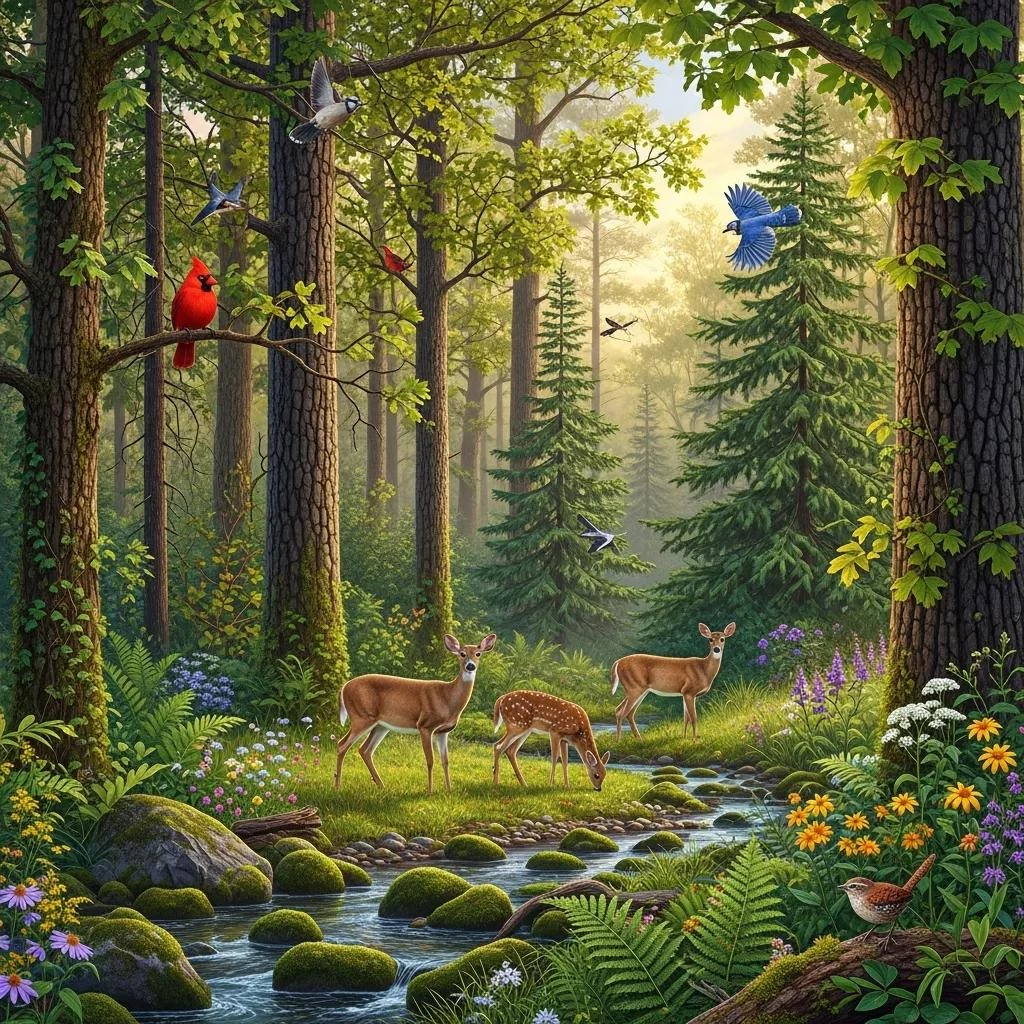
Habitat loss is a critical environmental issue that directly contributes to species extinction, creating a ripple effect that threatens biodiversity and ecosystem stability. This article delves into the intricate relationship between habitat destruction and the extinction of various species, highlighting the mechanisms at play and the urgent need for conservation efforts. Readers will gain insights into how human activities, such as deforestation and urbanization, lead to habitat degradation, ultimately resulting in the loss of species. The problem is pressing, as many ecosystems are on the brink of collapse, and understanding this connection is vital for developing effective conservation strategies. We will explore the causes of habitat loss, its impact on species extinction, and potential solutions to mitigate these effects.
Causes of Habitat Loss
Habitat loss primarily stems from human activities that alter or destroy natural environments. The leading causes include:
- Deforestation: The clearing of forests for agriculture, logging, and urban development significantly reduces the area available for wildlife.
- Urbanization: Expanding cities encroach on natural habitats, fragmenting ecosystems and isolating species populations.
- Agricultural Expansion: The conversion of forests and grasslands into agricultural land disrupts local ecosystems and diminishes biodiversity.
These activities not only reduce the physical space available for species but also degrade the quality of the remaining habitats, making it increasingly difficult for wildlife to thrive.
Indeed, the impact of human activities and disturbance on biodiversity loss can be even more profound than initially estimated.
Anthropogenic Disturbance Doubles Biodiversity Loss in Tropical Forests
Catchments retaining more than 69–80% forest cover lost more conservation value from disturbance than from forest loss. For example, a 20% loss of primary forest, the maximum level of deforestation allowed on Amazonian properties under Brazil’s Forest Code, resulted in a 39–54% loss of conservation value: 96–171% more than expected without considering disturbance effects.
Anthropogenic disturbance in tropical forests can double biodiversity loss from deforestation, J Barlow, 2016
Deforestation and Its Impact
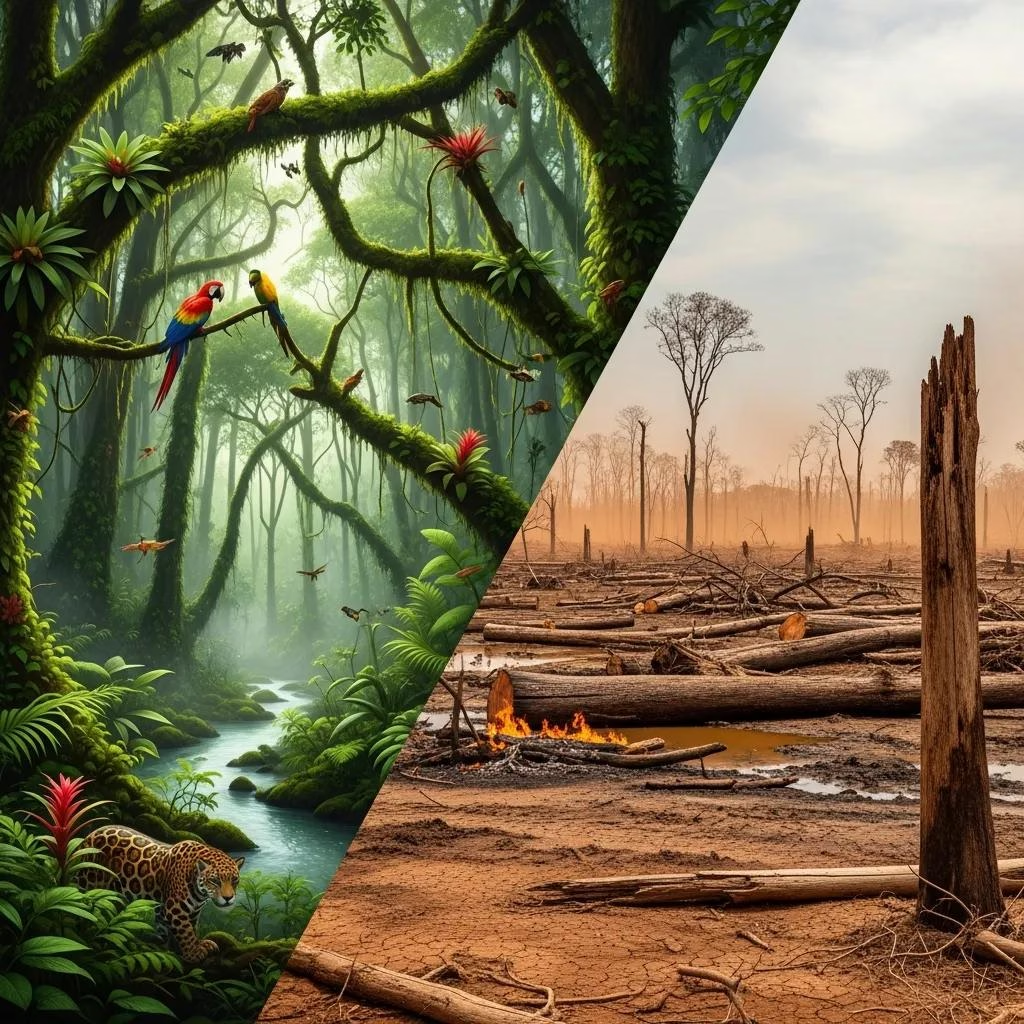
Deforestation is one of the most significant contributors to habitat loss, particularly in tropical regions. It leads to the destruction of complex ecosystems that support a vast array of species. The consequences of deforestation include:
- Loss of Biodiversity: As habitats are destroyed, many species face extinction due to the loss of their natural environment.
- Climate Change: Forests play a crucial role in carbon sequestration; their removal contributes to increased greenhouse gas emissions.
- Soil Erosion: Without trees to anchor the soil, deforestation leads to erosion, further degrading the land and making it less hospitable for wildlife.
The interplay between deforestation and species extinction is evident, as many species rely on specific habitats for survival.
Research further emphasizes the severe consequences of deforestation, particularly in tropical regions, for global biodiversity.
Deforestation & Wildlife Trade: Underestimated Biodiversity Loss
Tropical forests are the most biodiverse ecosystem globally. In recent decades, there has been an extensive loss-of-tropical forests, driven primarily by the expansion of agricultural land. This loss has serious consequences for tropical biodiversity, as the destruction of suitable habitat threatens the survival of forest specialist species.
Combined impacts of deforestation and wildlife trade on tropical biodiversity are severely underestimated, WS Symes, 2018
Urbanization and Fragmentation
Urbanization leads to habitat fragmentation, which isolates wildlife populations and disrupts their natural behaviors. This fragmentation can result in:
- Genetic Isolation: Small, isolated populations are more vulnerable to inbreeding, reducing genetic diversity and resilience.
- Increased Human-Wildlife Conflict: As animals venture into urban areas in search of food and shelter, conflicts with humans become more common.
- Altered Ecosystem Dynamics: Fragmented habitats can lead to changes in predator-prey relationships and the overall balance of ecosystems.
Understanding the effects of urbanization on wildlife is crucial for developing strategies to mitigate its impact.
Studies confirm that urbanization’s fragmentation effects can lead to significant genetic erosion in wildlife populations.
Urbanization Drives Genetic Erosion in Carnivore Populations
Urbanization is a dominant driver of habitat fragmentation globally, creating small, isolated wildlife populations vulnerable to accelerated genetic drift, reduced genetic diversity, and increased population differentiation. We investigated how urban development affects the genetic composition and structure of caracals (Caracal caracal) in Cape Town, South Africa using microsatellites and mitochondrial DNA sequence data.
Urbanization drives genetic erosion and population structure in a historically connected carnivore population, 2025
The Link Between Habitat Loss and Extinction
The connection between habitat loss and extinction is well-documented, with numerous studies highlighting the direct correlation between the two. When habitats are destroyed, species that depend on those environments face increased risks of extinction. Key points include:
- Species Vulnerability: Species with specialized habitat requirements are particularly at risk. For example, many amphibians require specific moisture levels and vegetation types to survive.
- Ecosystem Services: Healthy ecosystems provide essential services, such as pollination and water purification, which are compromised by habitat loss, further threatening species survival.
- Cascading Effects: The extinction of one species can lead to the decline of others, disrupting food webs and ecosystem functions.
This interconnectedness underscores the importance of preserving habitats to maintain biodiversity and ecosystem health.
Case Studies of Extinction Events
Several high-profile extinction events illustrate the devastating impact of habitat loss:
- The Passenger Pigeon: Once abundant in North America, habitat destruction and overhunting led to its extinction in the early 20th century.
- The Golden Toad: Native to a small area in Costa Rica, this species disappeared due to habitat loss and climate change, highlighting the fragility of specialized habitats.
- The Spix’s Macaw: Once found in Brazil, this bird became extinct in the wild due to habitat destruction and illegal trapping.
These examples serve as stark reminders of the consequences of neglecting habitat conservation.
Solutions to Combat Habitat Loss
Addressing habitat loss requires a multifaceted approach that includes:
- Protected Areas: Establishing national parks and wildlife reserves can safeguard critical habitats from development and degradation.
- Sustainable Practices: Promoting sustainable agriculture and forestry practices helps minimize habitat destruction while meeting human needs.
- Restoration Efforts: Rehabilitating degraded habitats can restore ecosystems and provide refuge for endangered species.
Implementing these solutions is essential for reversing the trend of habitat loss and preventing further extinctions.
The Role of Conservation Organizations
Conservation organizations play a vital role in combating habitat loss through various initiatives:
- Advocacy: They lobby for policies that protect natural habitats and promote sustainable land use.
- Education: Raising awareness about the importance of biodiversity and habitat conservation helps mobilize public support.
- Research: Conducting studies on species and ecosystems informs conservation strategies and policy decisions.
By supporting these organizations, individuals can contribute to the global effort to protect habitats and prevent extinction.
Community Involvement in Conservation

Community engagement is crucial for successful conservation efforts. Local communities can:
- Participate in Restoration Projects: Engaging in tree planting and habitat restoration initiatives fosters a sense of ownership and responsibility.
- Adopt Sustainable Practices: Communities can implement sustainable farming and fishing practices that protect local ecosystems.
- Advocate for Local Policies: Grassroots movements can influence local governments to prioritize habitat conservation in planning and development.
Empowering communities to take action is essential for creating lasting change in habitat conservation.
Conclusion
The connection between habitat loss and extinction is undeniable, with significant implications for biodiversity and ecosystem health. By understanding the causes and consequences of habitat destruction, we can work towards effective solutions that protect our planet’s precious resources. Through collective action, sustainable practices, and community involvement, we can combat habitat loss and ensure a future where both wildlife and humans can thrive.