



How Individuals Can Fight Climate Change: 10 Actionable Steps

How Individuals Can Fight Climate Change: 10 Actionable Steps
Climate change is one of the most pressing issues of our time, and individuals play a crucial role in combating its effects. This article outlines ten actionable steps that anyone can take to contribute to a more sustainable future. By understanding how our daily choices impact the environment, we can make informed decisions that collectively lead to significant change. From reducing our carbon footprint to advocating for climate policies, each step is designed to empower individuals to take meaningful action. This guide will cover strategies such as switching to renewable energy, adopting sustainable transportation, and engaging in community initiatives, providing practical insights for everyone looking to make a difference.
Reduce Your Carbon Footprint with a Personalized Plan
Reducing your carbon footprint is essential in the fight against climate change. A carbon footprint measures the total greenhouse gas emissions caused directly and indirectly by an individual or organization. By assessing your lifestyle and identifying areas for improvement, you can create a personalized plan to reduce emissions effectively. Tools like the “EPA’s carbon footprint calculator” can help you understand your current impact and set realistic goals for reduction.
Use Tools to Assess Your Impact
Utilizing online calculators allows you to input your daily activities, such as transportation, energy use, and waste production, to estimate your carbon emissions. This assessment provides a clear starting point for your reduction efforts.
Identify Areas for Improvement
Once you have a baseline, focus on the highest-impact areas. Common contributors to carbon footprints include vehicle use, energy consumption in homes, and waste generation. By targeting these areas, you can make significant strides in reducing your overall emissions.
Switch to Renewable Energy
Transitioning to renewable energy sources is a powerful way to combat climate change. Renewable energy, such as solar and wind power, generates electricity without emitting greenhouse gases. By switching to these sources, individuals can significantly reduce their carbon footprint.
Explore Solar and Wind Options
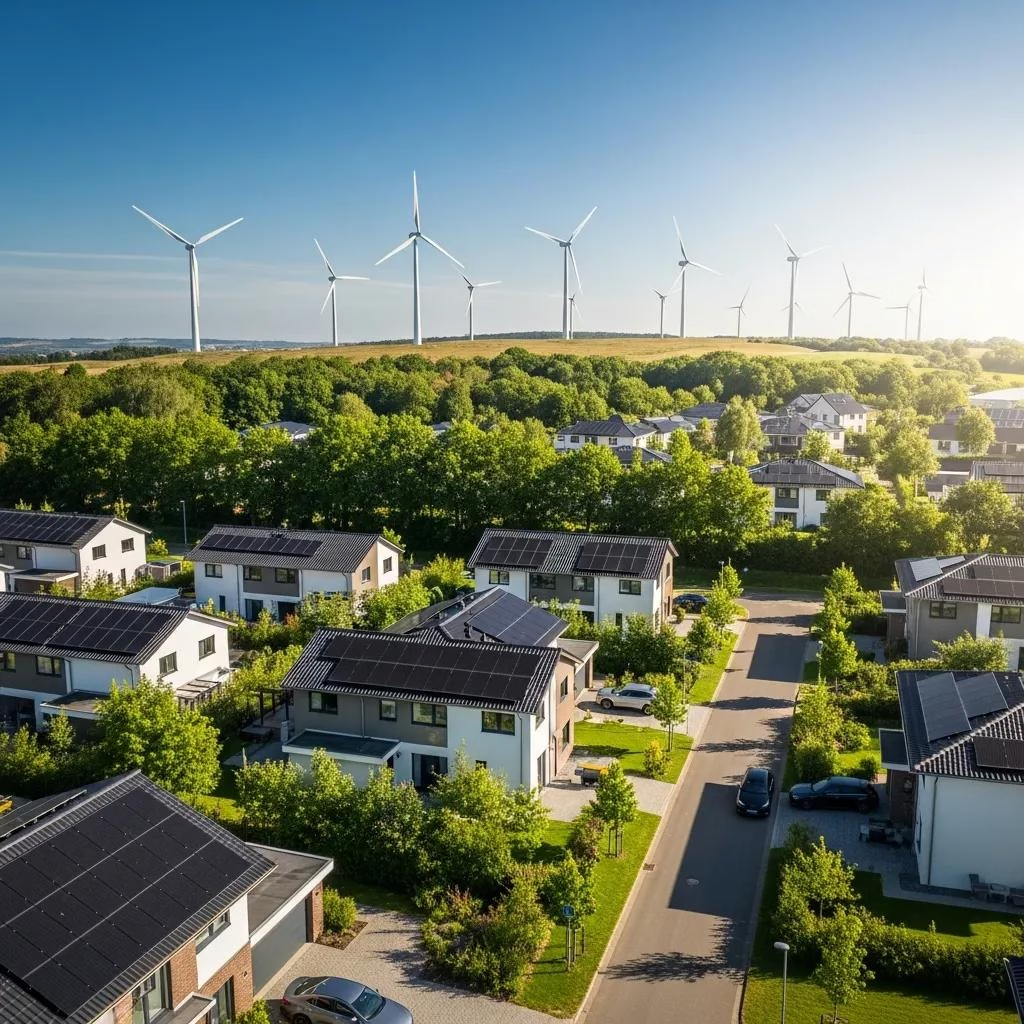
Consider installing solar panels on your home or participating in community solar programs. These options not only reduce reliance on fossil fuels but can also lead to long-term savings on energy bills.
Participate in Green Power Programs
Many utility companies offer green power programs that allow customers to purchase renewable energy credits. This participation supports the development of renewable energy projects and helps reduce overall carbon emissions.
Reduce Energy Use at Home
Improving energy efficiency in your home is another effective strategy for reducing your carbon footprint. Simple changes can lead to significant energy savings and lower utility bills.
Use Energy-Efficient Appliances
Investing in “energy-efficient appliances” can drastically reduce energy consumption. Look for products with the ENERGY STAR label, which indicates they meet strict energy efficiency guidelines.
Implement Energy-Saving Practices
Incorporate practices such as turning off lights when not in use, using programmable thermostats, and sealing drafts to improve your home’s energy efficiency. These small changes can add up to substantial energy savings over time.
Adopt Sustainable Transportation
Transportation is a major contributor to greenhouse gas emissions. By adopting more sustainable transportation options, individuals can significantly reduce their carbon footprint.
Use Public Transport or Carpool
Utilizing public transportation or carpooling reduces the number of vehicles on the road, leading to lower emissions. Consider using buses, trains, or rideshare services to minimize your impact.
Consider Electric or Hybrid Vehicles
If you need to drive, consider switching to an electric or hybrid vehicle. These options produce fewer emissions than traditional gasoline-powered cars and can save you money on fuel in the long run.
Support Local and Sustainable Products
Supporting local businesses and sustainable products is a vital step in fighting climate change. By choosing to buy locally, you reduce transportation emissions and support your community.
Buy from Local Farmers
Purchasing food from local farmers’ markets not only supports the local economy but also reduces the carbon footprint associated with transporting food long distances. Fresh, seasonal produce is often more nutritious and flavorful.
Reduce Transportation Emissions
By opting for locally sourced products, you help minimize the environmental impact of transportation. This choice contributes to a more sustainable food system and encourages responsible farming practices.
Reduce Waste
Minimizing waste is crucial in the fight against climate change. Landfills produce methane, a potent greenhouse gas, and reducing waste can significantly lower your carbon footprint.
Minimize Single-Use Plastics
Avoid single-use plastics by opting for reusable bags, bottles, and containers. This simple change can drastically reduce the amount of plastic waste generated.
Implement Recycling and Composting
Establish a recycling and composting system at home to divert waste from landfills. Composting organic waste not only reduces landfill contributions but also enriches soil, promoting healthier ecosystems.
Engage in Community Initiatives
Community involvement is essential for driving collective action against climate change. By participating in local initiatives, individuals can amplify their impact and inspire others.
Participate in Tree Planting
Join local tree-planting events to help restore natural habitats and improve air quality. Trees absorb carbon dioxide and provide essential oxygen, making them vital in combating climate change.
Join Clean-Up Events
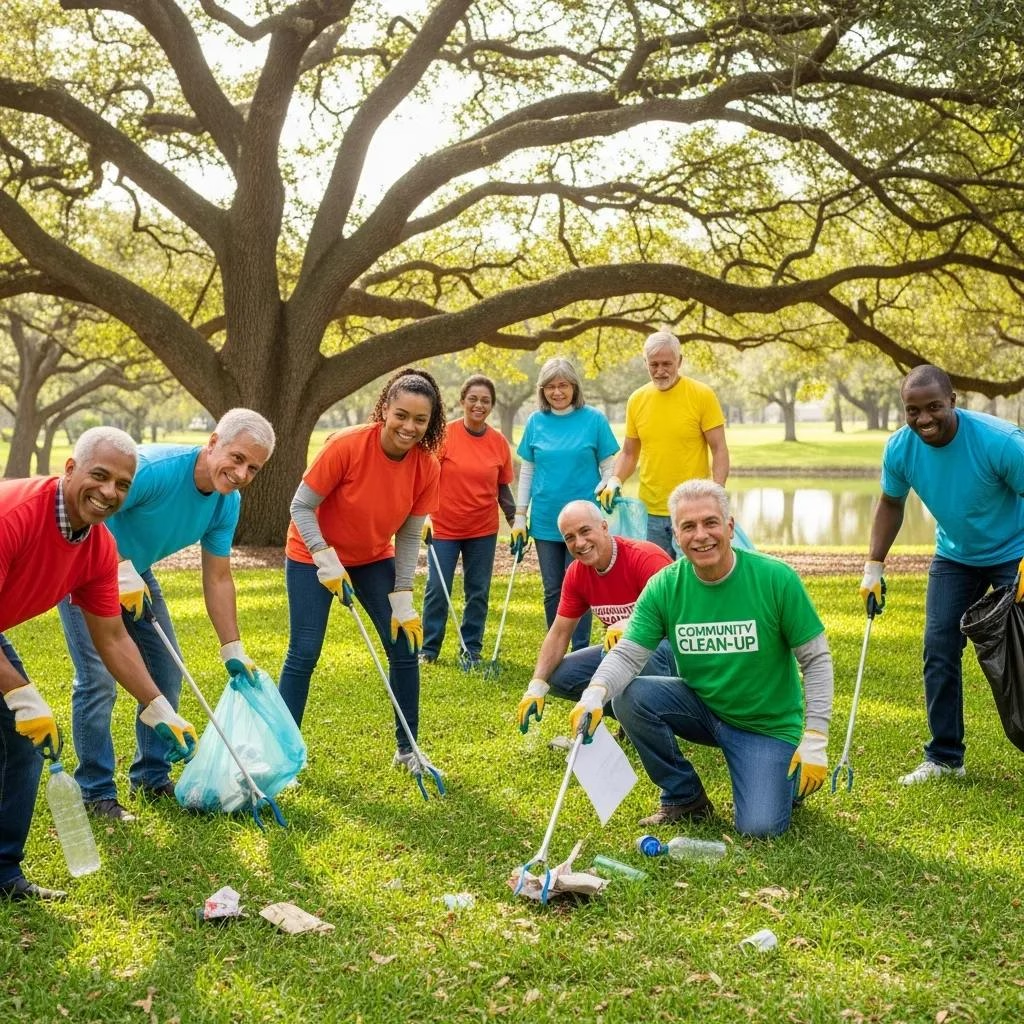
Participating in community clean-up events helps reduce pollution and protect local ecosystems. These activities foster a sense of community and encourage others to take action.
Educate Yourself and Others
Education is a powerful tool in the fight against climate change. By staying informed and sharing knowledge, individuals can inspire others to take action.
Stay Informed About Climate Issues
Regularly read articles, watch documentaries, and attend workshops to deepen your understanding of climate change and its impacts. Knowledge empowers individuals to make informed decisions.
Share Knowledge with Others
Engage in discussions about climate issues with friends, family, and colleagues. Sharing information can inspire others to adopt sustainable practices and advocate for change.
Advocate for Climate Policies
Advocacy plays a crucial role in addressing climate change at a systemic level. By supporting policies that promote sustainability, individuals can drive significant change.
Support Policies Promoting Renewable Energy
Engage with local representatives to advocate for policies that support renewable energy development. Your voice can influence decision-makers and promote a transition to cleaner energy sources.
Push for Systemic Changes
Join organizations that focus on climate advocacy to amplify your impact. Collective action can lead to meaningful policy changes that address the root causes of climate change.
Measure Your Progress
Tracking your progress is essential for understanding the effectiveness of your efforts. Regularly assessing your carbon footprint can help you identify areas for improvement.
Regularly Assess Your Carbon Footprint
Use tools to measure your carbon emissions periodically. This assessment allows you to see the impact of your actions and adjust your strategies accordingly.
Track Progress in Reducing Emissions
Keep a record of your efforts and the changes you’ve made. Celebrating milestones can motivate you to continue your journey toward sustainability.
Identify Areas for Improvement
As you track your progress, look for new opportunities to reduce your carbon footprint further. Continuous improvement is key to making a lasting impact in the fight against climate change.