



How to Support Wildlife Conservation From Home
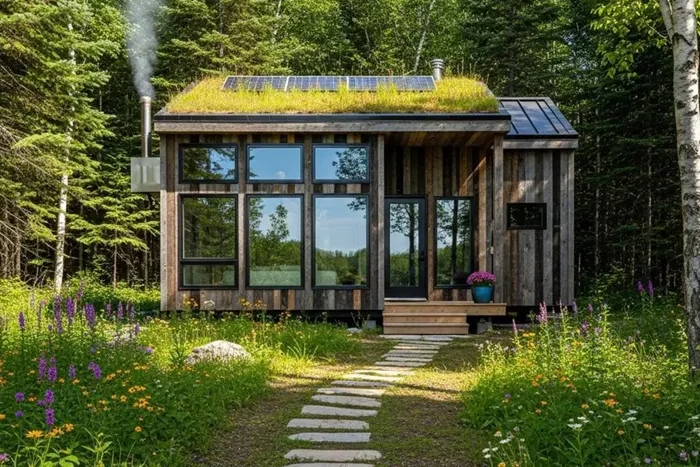
How to Support Wildlife Conservation From Home
Supporting wildlife conservation from home is not only a noble endeavor but also a crucial step towards preserving biodiversity. As urbanization and climate change threaten natural habitats, individuals can play a significant role in fostering a healthier environment. This article will explore actionable steps you can take to support wildlife conservation, including creating wildlife habitats, choosing native plants, reducing chemical use, and engaging in climate action. By implementing these strategies, you can contribute to the preservation of local ecosystems and help combat the ongoing biodiversity crisis.
Creating Wildlife Habitats at Home
Creating wildlife habitats at home involves designing spaces that support local flora and fauna. This can be achieved by incorporating elements that provide food, shelter, and breeding grounds for various species. Establishing a wildlife-friendly garden is a practical way to enhance biodiversity in your area. By focusing on native plants, you can create a sustainable environment that attracts beneficial insects, birds, and other wildlife.
The growing interest in wildlife gardening reflects a broader understanding of its ecological and personal benefits, transforming home spaces into vibrant ecosystems.
Wildlife Gardening: Home Design for Biodiversity & Well-being
As interest in feeding the wild birds that visit gardens has increased, so too has an appreciation of the need to conserve the wider aspects of the ecosystem such as plants, insects and amphibians which attract and support the birds and mammals that have become more welcome visitors to our gardens. There is also increasing recognition of the health and psychological benefits that wildlife gardening can bring to individuals and communities. Many prominent garden attractions and horticultural shows in England and throughout the world have developed a wild theme into their garden design which has captured the imagination of garden visitors who wish to marry their love of horticulture with their interest in wildlife. Such naturalistic and wild flower planting has thus become a more common element of home garden design reflected in the retail sector, media programmes and garden magazines and books.
Human dimensions of wildlife gardening: its development, controversies and psychological benefits, 2014
- Importance of Native Plants: Native plants are adapted to local conditions and provide essential resources for wildlife. They require less water and maintenance, making them an eco-friendly choice for gardeners.
- Types of Habitats to Create: Consider adding features such as birdhouses, bee hotels, and ponds to your garden. These elements can attract a variety of species and create a thriving ecosystem.
- Steps to Create a Wildlife-Friendly Garden: Start by assessing your space and identifying areas that can be transformed. Incorporate diverse plant species, provide water sources, and minimize lawn areas to encourage wildlife visitation.
Choosing Native Plants
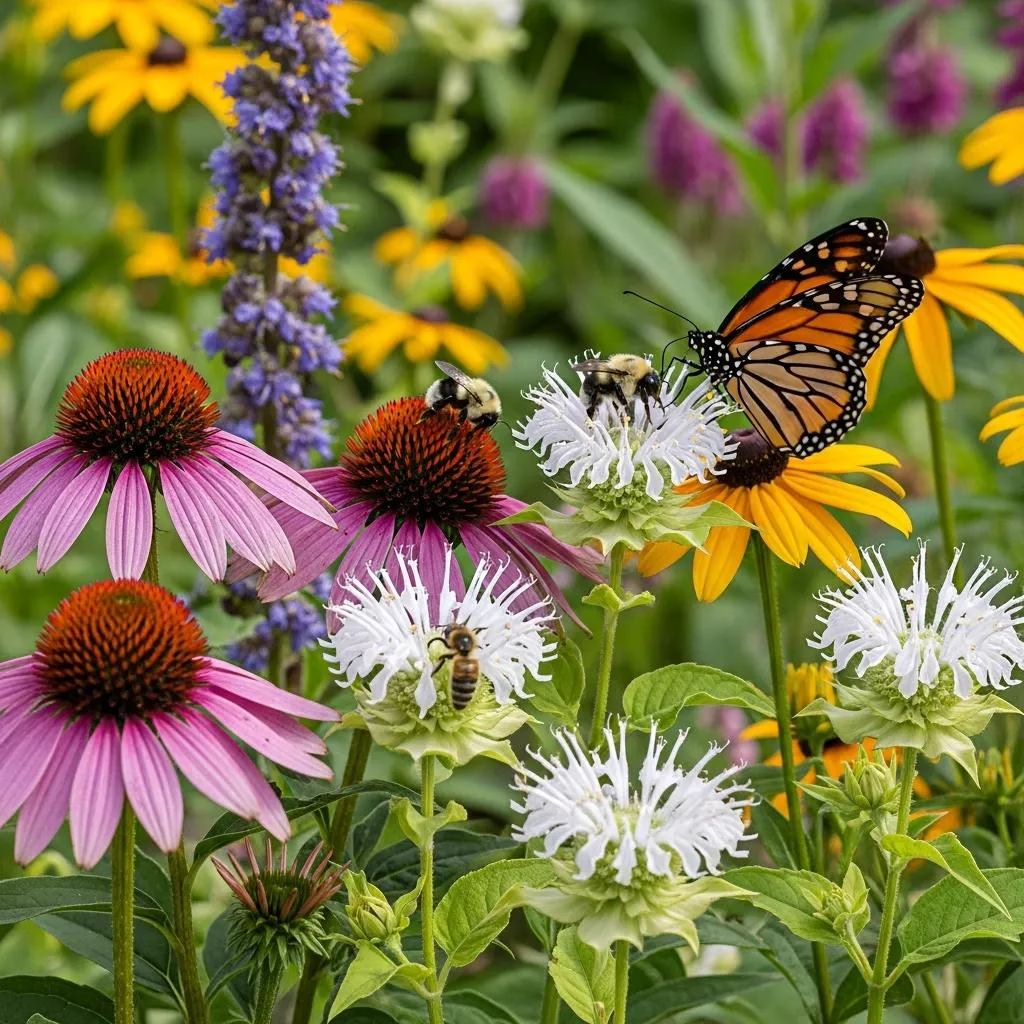
Selecting native plants is a vital step in supporting local biodiversity. Native species are crucial for maintaining ecological balance and providing habitat for wildlife. They are also more resilient to local pests and diseases, reducing the need for chemical interventions.
Benefits of Native Plants
Native plants offer numerous benefits, including:
- Support for Local Wildlife: They provide food and shelter for native insects, birds, and mammals, fostering a balanced ecosystem.
- Reduced Maintenance: Native plants are adapted to local climates and soils, requiring less water and care compared to non-native species.
- Enhanced Aesthetics: Incorporating native plants can create beautiful landscapes that reflect the natural beauty of your region.
Examples of Native Plants by Region
Different regions have unique native plants that can be utilized in conservation efforts. Here are a few examples:
How to Source Native Plants
To source native plants, consider visiting local nurseries that specialize in native species. Additionally, participating in plant swaps or community gardening events can help you acquire a diverse range of plants while connecting with like-minded individuals.
Reducing Chemical Use and Pollution
The use of chemicals in gardening and landscaping can have detrimental effects on wildlife. Pesticides and herbicides can harm beneficial insects and disrupt local ecosystems. Reducing chemical use is essential for promoting a healthier environment.
- Types of Harmful Chemicals: Common chemicals include synthetic pesticides, herbicides, and fertilizers that can leach into waterways and harm aquatic life.
- Alternatives to Chemical Use: Consider organic gardening practices, such as using natural pest repellents and composting to enrich soil without chemicals.
- Benefits of Reducing Chemical Use: By minimizing chemical use, you not only protect wildlife but also contribute to cleaner air and water, benefiting the entire community.
Embracing organic gardening practices is a key strategy for creating a wildlife-friendly home environment, as research highlights its role in promoting engagement with nature.
Organic Gardening for Wildlife-Friendly Homes
We explored how organic gardening, nature appreciation and willingness to learn from nature could promote engagement in wildlife-friendly gardening.
Gardening for wildlife: A mixed‐methods exploration of the factors underlying engagement in wildlife‐friendly gardening, O García‐Antúnez, 2023
Climate Action and Carbon Footprint Reduction
Individual actions can significantly impact climate change and biodiversity. Understanding your carbon footprint and taking steps to reduce it is crucial for wildlife conservation.
- Understanding Carbon Footprints: A carbon footprint measures the total greenhouse gas emissions caused directly and indirectly by an individual or organization.
- Actions to Reduce Carbon Footprints: Simple changes, such as using public transportation, reducing energy consumption, and supporting local products, can lower your carbon footprint.
- Impact of Individual Actions on Climate Change: Collective efforts to reduce carbon emissions can lead to significant improvements in climate health, ultimately benefiting wildlife habitats.
Supporting Endangered Species Locally
Supporting local endangered species is a vital aspect of wildlife conservation. Many species are at risk due to habitat loss, climate change, and human activities.
- Identifying Local Endangered Species: Research local wildlife to understand which species are endangered in your area. This knowledge can guide your conservation efforts.
- Actions to Support These Species: Participate in local conservation programs, volunteer for habitat restoration projects, or advocate for policies that protect endangered species.
- Community Involvement in Conservation Efforts: Engaging with your community can amplify conservation efforts. Organize or join local initiatives focused on protecting endangered species and their habitats.
By implementing these strategies, you can make a meaningful contribution to wildlife conservation from the comfort of your home. Each action, no matter how small, plays a part in preserving our planet’s biodiversity and ensuring a sustainable future for generations to come.