



How Urban Gardens Support Local Biodiversity

How Urban Gardening Benefits Local Biodiversity
Urban gardening plays a crucial role in enhancing local biodiversity, providing a green refuge amidst concrete landscapes. These gardens not only beautify urban spaces but also serve as vital habitats for various species, contributing to ecological balance. In this article, we will explore the multifaceted benefits of urban gardens, including their support for pollinators, habitat creation, and the promotion of diverse plant species. As urban areas continue to expand, the need for sustainable practices that foster biodiversity becomes increasingly important. We will delve into how urban gardens support local ecosystems, the ecosystem services they provide, and the native plants that attract pollinators. Additionally, we will discuss sustainable gardening practices that can mitigate climate change and improve urban soil health.
What Are the Key Benefits of Urban Gardens for Biodiversity?
Urban gardens offer numerous benefits that significantly enhance local biodiversity. They provide essential support for pollinators, create habitats for various wildlife, and promote a diverse range of plant species. By integrating green spaces into urban environments, these gardens help to counteract the negative impacts of urbanization on ecosystems.
- Support for Pollinators: Urban gardens serve as critical habitats for bees, butterflies, and other pollinators, which are essential for the reproduction of many plants.
- Habitat Creation: These gardens create microhabitats that support various species, including birds, insects, and small mammals, contributing to a more diverse urban ecosystem.
- Diversity of Plant Species: Urban gardens often feature a variety of native and non-native plants, which can enhance local biodiversity by providing food and shelter for wildlife.
The integration of urban gardens into city planning can lead to healthier ecosystems and improved quality of life for urban residents.
Research further emphasizes the significant role of individual urban domestic gardens in contributing to native biodiversity within urbanized areas.
Boosting Native Biodiversity in Urban Domestic Gardens
The extent and continued expansion of urbanisation has focused attention on the significance for native biodiversity of those green spaces remaining within such areas and the most appropriate methods of managing them. In the UK, a high proportion of urban space is comprised of the private or domestic gardens associated with residential dwellings, and many recommendations have been made for simple changes to improve their value for biodiversity (‘wildlife gardening’).
Urban domestic gardens (II): experimental tests of methods for increasing biodiversity, KJ Gaston, 2005
How Do Urban Gardens Support Local Ecosystems and Wildlife?
Urban gardens play a vital role in supporting local ecosystems and wildlife by providing essential resources and connectivity between green spaces. They help to maintain ecological balance in urban areas, which are often fragmented and devoid of natural habitats.
- Habitat Creation: By incorporating native plants and diverse flora, urban gardens create habitats that attract various species, including beneficial insects and birds.
- Plant Selection: The choice of plants in urban gardens can significantly impact local wildlife. Native plants are particularly effective in attracting local pollinators and other wildlife.
- Ecosystem Connectivity: Urban gardens can act as stepping stones, connecting larger green spaces and allowing wildlife to move freely, which is crucial for maintaining genetic diversity.
These gardens not only enhance biodiversity but also contribute to the overall health of urban ecosystems.
Which Ecosystem Services Do Urban Gardens Provide in Cities?
Urban gardens provide a range of ecosystem services that are essential for maintaining ecological balance and improving urban living conditions. These services include:
- Pollination: Urban gardens support pollinators, which are vital for the reproduction of many plants and the production of fruits and vegetables.
- Habitat Provision: They offer habitats for various species, contributing to increased biodiversity in urban areas.
- Water Management: Urban gardens can help manage stormwater runoff, reducing flooding and improving water quality.
By recognizing and enhancing these ecosystem services, urban gardens can significantly contribute to sustainable urban development.
Which Native Plants Best Attract Pollinators in Urban Gardens?
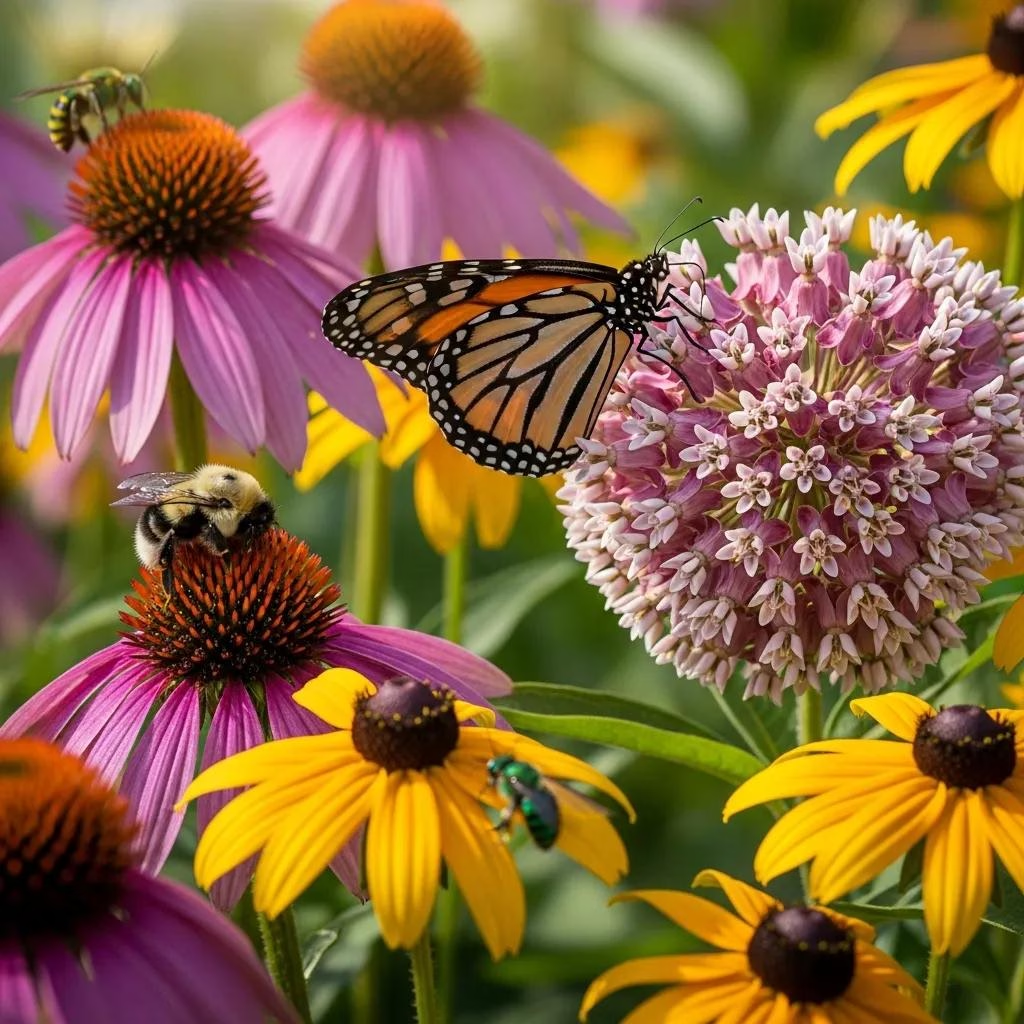
Selecting the right native plants is crucial for attracting pollinators to urban gardens. Some of the best native plants include:
- Coneflower (Echinacea purpurea): This hardy perennial attracts bees and butterflies with its vibrant blooms.
- Black-eyed Susan (Rudbeckia hirta): Known for its bright yellow flowers, this plant is a favorite among pollinators.
- Milkweed (Asclepias spp.): Essential for monarch butterflies, milkweed provides both nectar and habitat for caterpillars.
Incorporating these plants into urban gardens can enhance pollinator populations and support local biodiversity.
Indeed, extensive research confirms that urban gardens, through their diverse plant selections, successfully attract a wide array of both native and non-native bee species.
Urban Gardens Attract Diverse Native & Non-Native Bees
Bees visit native and non-native plant species for pollen and nectar resources in urban, agricultural, and wildland environments. Results of an extensive survey of bee-flower collection records from 10 California cities from 2005-2011 were used to examine host-plant records of native and non-native ornamental plants to diverse native and non-native bee species; five cities were from northern California and five were from southern California. A total of 7,659 bees and their floral host plants were examined. Of these, 179 were Apis mellifera and 7,390 were non-Apis. Only four other non-native species (all in Megachilidae) were recorded in the survey, and together they accounted for 402 individuals. These bees have been databased in preparation for deposition in the University of California-Berkeley Essig Museum of Entomology. We identified 229 bee species and 42 genera visiting native and non-native plant types in urban areas.
Native and non-native plants attract diverse bees to urban gardens in California, 2005
How Can Sustainable Gardening Practices Promote Climate Action in Cities?
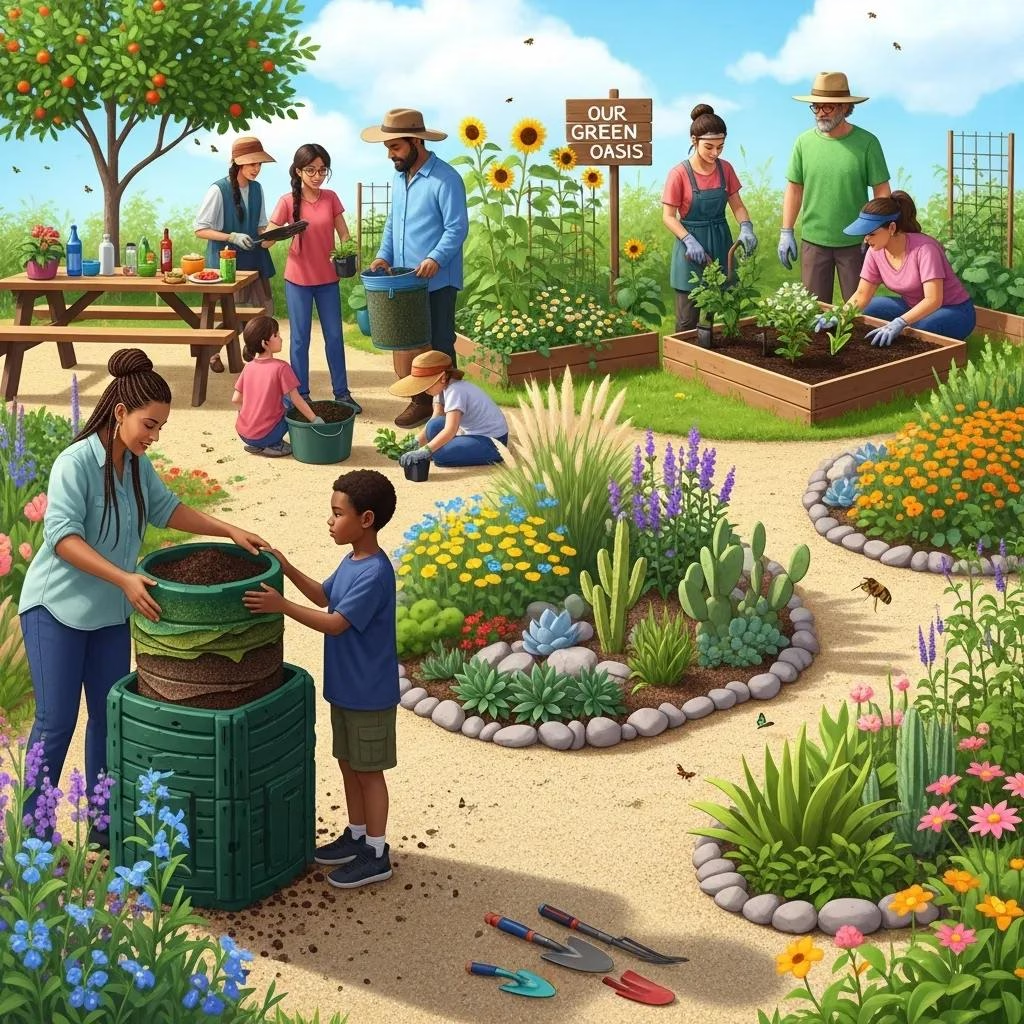
Sustainable gardening practices are essential for promoting climate action in urban areas. These practices not only enhance biodiversity but also contribute to climate resilience. Key sustainable practices include:
- Community Gardens: These gardens foster community engagement and provide local food sources, reducing the carbon footprint associated with food transportation.
- Xeriscaping: This water-efficient landscaping technique reduces water usage and promotes drought-resistant plants, which are crucial in urban areas facing water scarcity.
- Composting: By recycling organic waste, composting enriches soil health and reduces landfill waste, contributing to a more sustainable urban environment.
Implementing these practices can significantly mitigate the impacts of climate change in urban settings.
What Gardening Techniques Improve Urban Soil Health and Carbon Sequestration?
Improving urban soil health is vital for supporting plant growth and enhancing carbon sequestration. Effective gardening techniques include:
- Organic Farming: Utilizing organic methods improves soil structure and fertility, promoting healthy plant growth.
- Composting: Adding compost to soil enhances its nutrient content and supports beneficial microorganisms.
- Crop Rotation: This technique prevents soil depletion and promotes biodiversity by alternating plant families in the garden.
These techniques not only improve soil health but also contribute to carbon sequestration, helping to combat climate change.
How Do Sustainable Practices Mitigate Climate Change Through Urban Gardens?
Sustainable practices in urban gardens play a significant role in mitigating climate change. By focusing on environmentally friendly techniques, urban gardens can reduce greenhouse gas emissions and enhance carbon storage. Key practices include:
- Planting Native Species: Native plants are adapted to local conditions and require less water and maintenance, reducing resource consumption.
- Composting: This practice reduces organic waste in landfills and enhances soil health, which is crucial for carbon sequestration.
- Water Conservation Techniques: Implementing rain gardens and drip irrigation systems can significantly reduce water usage in urban gardens.
By adopting these sustainable practices, urban gardens can contribute to climate change mitigation efforts.
What Role Do Community Gardens Play in Enhancing Urban Wildlife Corridors?
Community gardens are essential for enhancing urban wildlife corridors, providing critical habitats and resources for various species. They serve as vital links between fragmented green spaces, allowing wildlife to thrive in urban environments. Key roles of community gardens include:
- Support for Wildlife: Community gardens provide food and shelter for birds, insects, and other wildlife, enhancing urban biodiversity.
- Connecting Green Spaces: By linking isolated green areas, community gardens facilitate wildlife movement and genetic diversity.
- Biodiversity Enhancement: These gardens promote a variety of plant species, which in turn supports a diverse range of wildlife.
The integration of community gardens into city planning can significantly enhance urban wildlife corridors.
Studies specifically highlight the crucial role of community gardens in fostering urban biodiversity and maintaining ecological continuity across different scales within a city.
Community Gardens Enhance Urban Biodiversity & Ecological Continuity
The aim of this research was to explore the potentialities of community gardens—a specific type of urban garden—in terms of urban biodiversity and ecological continuity in the city. We considered the three main scales of organisation of urban ecosystems: local individual habitat, intermediate urban landscape and the larger scale encompassing the entire urban area. The study site within the urban agglomeration of Tours currently contains 29 clusters of community gardens, mainly situated in three central municipalities of the urban area; 12% of the community gardens have disappeared over the last ten years due to residential and industrial urban development.
Community gardens and their potential for urban biodiversity, 2018
How Can We Measure and Enhance Ecosystem Services Provided by Urban Gardens?
Measuring and enhancing the ecosystem services provided by urban gardens is crucial for understanding their impact on biodiversity. Effective strategies include:
- Plant Selection: Choosing a diverse range of plants can enhance habitat quality and support various species.
- Citizen Science Participation: Engaging the community in monitoring wildlife and plant diversity can provide valuable data for enhancing ecosystem services.
- Wildlife-Friendly Practices: Implementing practices that support local wildlife, such as providing water sources and nesting sites, can enhance the overall effectiveness of urban gardens.
By focusing on these strategies, urban gardens can maximize their contributions to local biodiversity.
How Do Urban Gardens Help Biodiversity in Cities?
Urban gardens are instrumental in supporting biodiversity in cities by providing essential habitats and resources for various species. They enhance urban ecosystems through:
- Support for Pollinators: Urban gardens attract and support pollinators, which are vital for plant reproduction and food production.
- Native Plant Benefits: Incorporating native plants into urban gardens promotes local wildlife and enhances ecosystem resilience.
- Habitat Connectivity: Urban gardens create corridors that connect fragmented habitats, allowing wildlife to move freely and maintain genetic diversity.
The integration of urban gardens into city landscapes is essential for fostering biodiversity and creating sustainable urban environments.