



How Voltage Optimization Improves Solar Panel Efficiency in Homes and Businesses
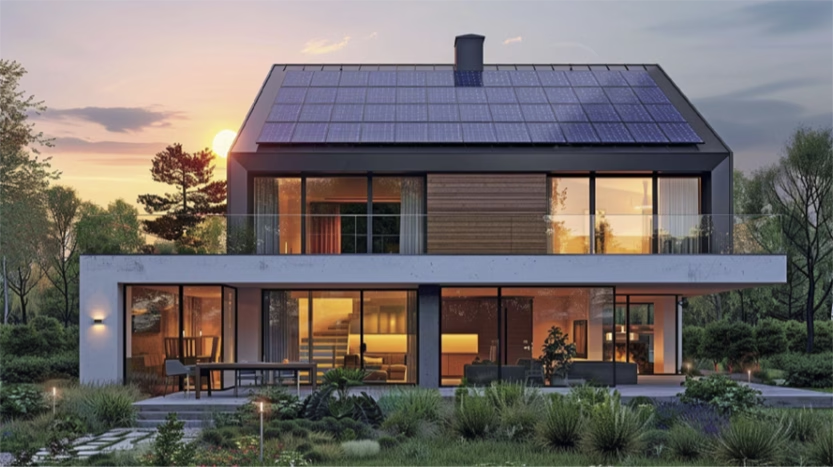
Solar panels have become a key part of the transition to cleaner energy. Homeowners and businesses are investing in solar systems to reduce reliance on fossil fuels and lower their environmental impact. While much of the focus is on panel technology and energy storage, the way electricity moves through a system also plays an important role in overall efficiency. Components such as a 208v to 240v transformer can help ensure that energy is delivered at the right voltage for optimal performance.
How Voltage Affects Solar Panel Efficiency
Solar panels generate electricity in direct current, which must be converted and adjusted before it can be used in homes or commercial systems. During this process, voltage levels need to match the requirements of connected equipment such as inverters, control systems, and building infrastructure.
If voltage is not properly aligned, energy can be lost as heat or inefficiency within the system. This reduces the amount of usable power and limits the overall benefit of the solar installation. Over time, even small inefficiencies can affect performance and reduce expected energy output.
Optimizing voltage ensures that energy flows smoothly from panels to inverters and into the building. This helps maximize the output of the system and supports more consistent performance throughout the day.
Why Proper Voltage Matching Reduces Energy Loss
Energy loss can occur at multiple points within a solar system. One common issue is mismatched voltage between different components. When systems operate outside their ideal range, they may consume more energy than necessary or fail to deliver expected output.
By matching voltage levels correctly, systems can operate more efficiently. Transformers play a role in adjusting voltage to meet specific needs, which helps reduce waste and improve overall energy use.
These improvements may seem small at first, but they add up over time. For residential systems, this can mean better returns on investment. For commercial installations, it can result in significant energy savings and improved operational efficiency.
How Transformers Support Solar Energy Systems
Transformers help regulate voltage within electrical systems. In solar installations, they can adjust output levels to ensure compatibility with building infrastructure and connected equipment.
This support allows solar energy to integrate more effectively with existing systems. It also helps protect equipment from stress caused by inconsistent or unstable power levels. Stable voltage reduces wear on components and supports long term reliability.
In addition, transformers can help manage changes in load demand. As energy use fluctuates throughout the day, proper voltage control ensures that systems continue to operate efficiently.
The Role of System Design in Solar Performance
A well designed solar system considers more than panel placement and capacity. Electrical infrastructure plays a key role in how efficiently the system operates over time.
Designing with proper voltage management in mind helps reduce inefficiencies and supports smoother energy flow. It also allows systems to adapt to varying conditions, such as changes in sunlight or energy demand.
Engineers and installers often evaluate system requirements carefully to ensure that all components work together. This includes selecting the right transformers and configuring systems for optimal performance. A thoughtful design can improve both short term output and long term reliability.
How Efficient Solar Systems Support Sustainability Goals
The goal of solar energy is to provide clean and renewable power. To achieve this, systems must operate as efficiently as possible. Reducing energy loss helps ensure that more of the generated power is put to use.
Efficient systems also reduce the need for additional energy production. This lowers overall demand and supports broader sustainability efforts. By making better use of available energy, businesses and homeowners can reduce their environmental footprint.
In addition, efficient infrastructure supports long term sustainability by reducing wear on equipment. This can extend the lifespan of systems and reduce the need for replacement.
Why Small Infrastructure Improvements Matter
It is easy to focus on large scale changes when thinking about sustainability. However, smaller improvements within systems can also create meaningful benefits.
Adjusting voltage levels and improving power flow may seem like technical details, yet they contribute directly to efficiency. Over time, these changes can enhance system performance and improve overall energy use.
This perspective highlights the importance of looking at the full system rather than individual components. Each part plays a role in achieving better outcomes.
The Future of Efficient Solar Energy Systems
As solar technology continues to evolve, attention will shift toward improving system performance as a whole. This includes not only generating more energy but also using it more effectively.
Voltage optimization will remain an important part of this process. Systems that minimize energy loss and maintain stable performance will help maximize the benefits of renewable energy.
By focusing on both innovation and efficiency, solar energy can continue to play a leading role in building a more sustainable future. Thoughtful infrastructure choices will support this progress and help ensure that clean energy delivers its full potential.