



Chemical-Free Mold Removal: 5 Natural Home Remedies That Actually Work
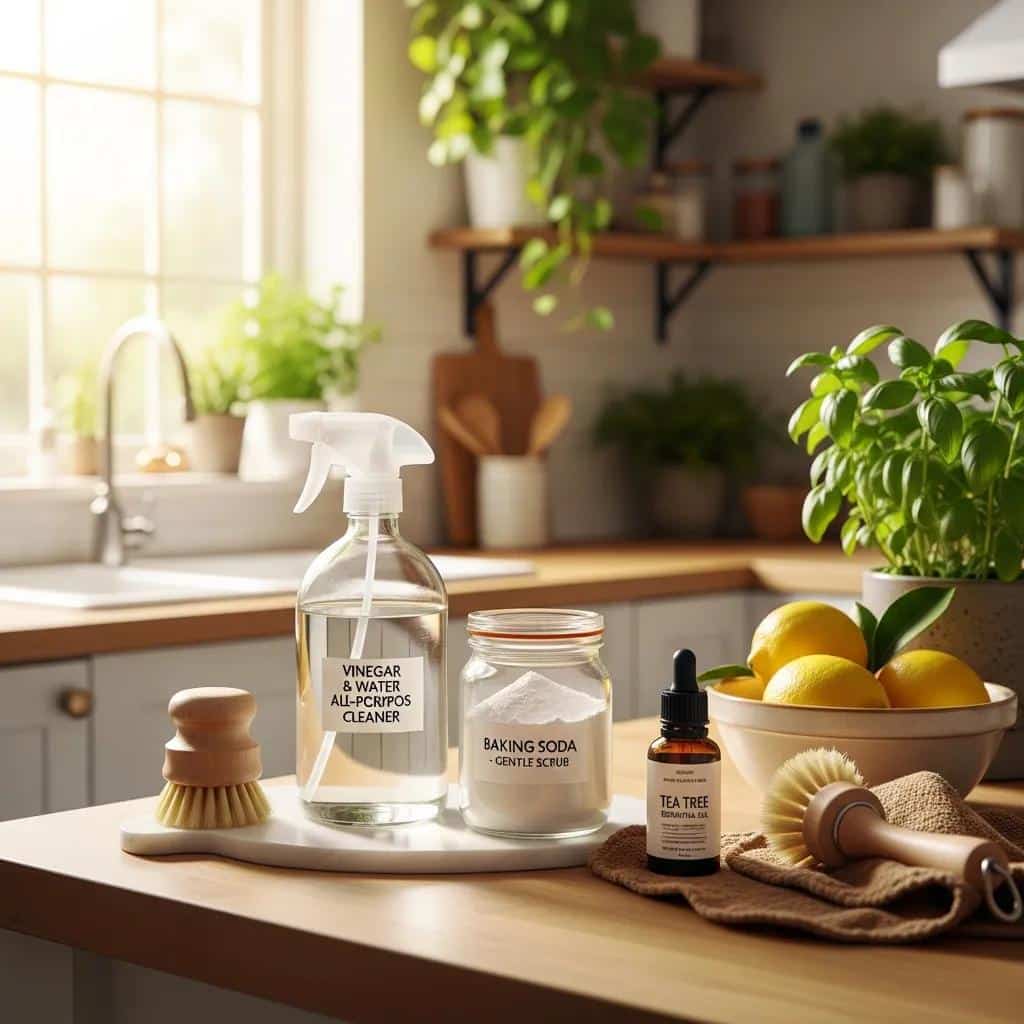
Chemical-Free Mold Removal: 5 Natural Home Remedies That Actually Work
Mold can be a persistent problem in many homes, posing health risks and damaging property. Chemical cleaners often promise quick solutions but can introduce harmful toxins into your living space. This article explores five effective natural home remedies for mold removal that are not only safe but also environmentally friendly. By understanding the health risks associated with mold and chemical cleaners, you can make informed choices about maintaining a healthy indoor environment. We will delve into the effectiveness of natural ingredients like vinegar, baking soda, and tea tree oil, and provide practical guidance on their application. Additionally, we will discuss safety precautions and preventive measures to help you keep mold at bay.
Why Conventional Mold Removers Are Harmful — To You and the Planet
Most commercial mold removal products contain harsh chemicals that pose risks beyond just eliminating mold. These products can negatively impact indoor air quality and occupant health while also causing environmental damage through chemical runoff and the release of volatile organic compounds (VOCs). Understanding these dual harms is essential for choosing safer, more sustainable mold remediation methods.
Health Risks of Chemical Mold Removers
- Respiratory irritation, including coughing and difficulty breathing
- Skin and eye burns from direct contact with harsh chemicals
- Inhalation of VOCs linked to headaches, dizziness, and long-term lung damage
- Increased risks to children and pets due to their smaller size and developing systems
- Exacerbation of asthma and allergy symptoms
- Presence of endocrine-disrupting compounds in some bleach-based products
These health risks are especially acute in poorly ventilated spaces—exactly where mold tends to grow.
Environmental Impact of Conventional Mold Products
- Chemical runoff contaminating waterways and harming aquatic life
- Non-biodegradable surfactants persisting in the environment
- Aerosol propellants contributing to air pollution and greenhouse gas emissions
- Plastic packaging waste adding to landfill and ocean pollution
- Aquatic toxicity from bleach and quaternary ammonium compounds affecting ecosystems
Natural alternatives eliminate these downstream harms entirely.
What Are the Health Risks and Environmental Impacts of Mold and Chemical Cleaners?
Mold exposure can lead to various health issues, including respiratory problems, allergies, and skin irritations. Individuals with asthma or weakened immune systems are particularly vulnerable. Chemical cleaners, while effective at killing mold, often contain harsh substances that can exacerbate these health issues. The toxicity of these cleaners can lead to indoor air pollution, contributing to long-term health risks. Furthermore, the environmental impact of chemical cleaners is significant, as they can contaminate water sources and harm wildlife. Understanding these risks is crucial for making safer choices in mold remediation.
The severe implications of such indoor air pollution on respiratory health are well-documented, with studies emphasizing its global impact.
Indoor Air Pollution & Respiratory Health Risks
Worldwide, over four million deaths annually are attributed to indoor air pollution. This largely preventable exposure represents a key target for reducing morbidity and mortality worldwide. Across settings, significant respiratory health effects are observed, ranging from attenuated lung growth and development in childhood to accelerated lung function decline and chronic obstructive pulmonary disease later in life. Numerous factors influence personal exposure to household air pollutants, including household characteristics, combustion of solid fuels, cooking practices, and allergens from household pests. This review outlines important sources of indoor air pollution, their respiratory health effects, and strategies to reduce household pollution and improve lung health across the globe.
Indoor air pollution and respiratory health, T Siddharthan, 2020
How Does Mold Affect Indoor Air Quality and Human Health?
Mold significantly affects indoor air quality, releasing spores and volatile organic compounds (VOCs) that can trigger allergic reactions and respiratory issues. Sensitive populations, such as children and the elderly, are at a higher risk of experiencing adverse health effects. Mold exposure is also linked to Sick Building Syndrome, where occupants experience health problems linked to time spent in a particular building. Addressing mold growth promptly is essential to maintaining a healthy indoor environment and preventing these health complications.
Indeed, the pervasive nature of mold in residential settings poses a substantial threat to both the well-being of occupants and the structural integrity of homes, as further highlighted by recent research.
Residential Mold: Health Risks & Probiotic Remediation
Mold in residential buildings presents a significant threat to both occupant health and structural integrity, especially in older homes. Previous studies primarily focused on the health effects of mold, the environmental conditions that support its growth, and the influence of building materials and age. While the remediation proposals followed a standardized format, they varied in content, with common strategies including general mold removal, probiotic treatments, and dehumidification.
Integrating Household Characteristics,
Mold Inspection and Remediation Data to Develop Localized Mold-Risk Profiles for Residential Buildings, P Salehi, 2025
Why Choose Chemical-Free Mold Removal to Protect Environmental Health?
Choosing chemical-free mold removal methods is beneficial for both personal health and the environment. These methods reduce toxic exposure, leading to lower indoor air pollution levels. Additionally, they align with sustainable practices that promote environmental health. By opting for natural remedies, you contribute to a healthier ecosystem and reduce the risk of chemical runoff that can harm local wildlife and water sources. Earth Action Network, Inc. emphasizes the importance of environmentally safe, non-toxic mold removal methods that support sustainability and environmental justice.
Which Natural Ingredients Effectively Remove Mold Without Toxic Chemicals?
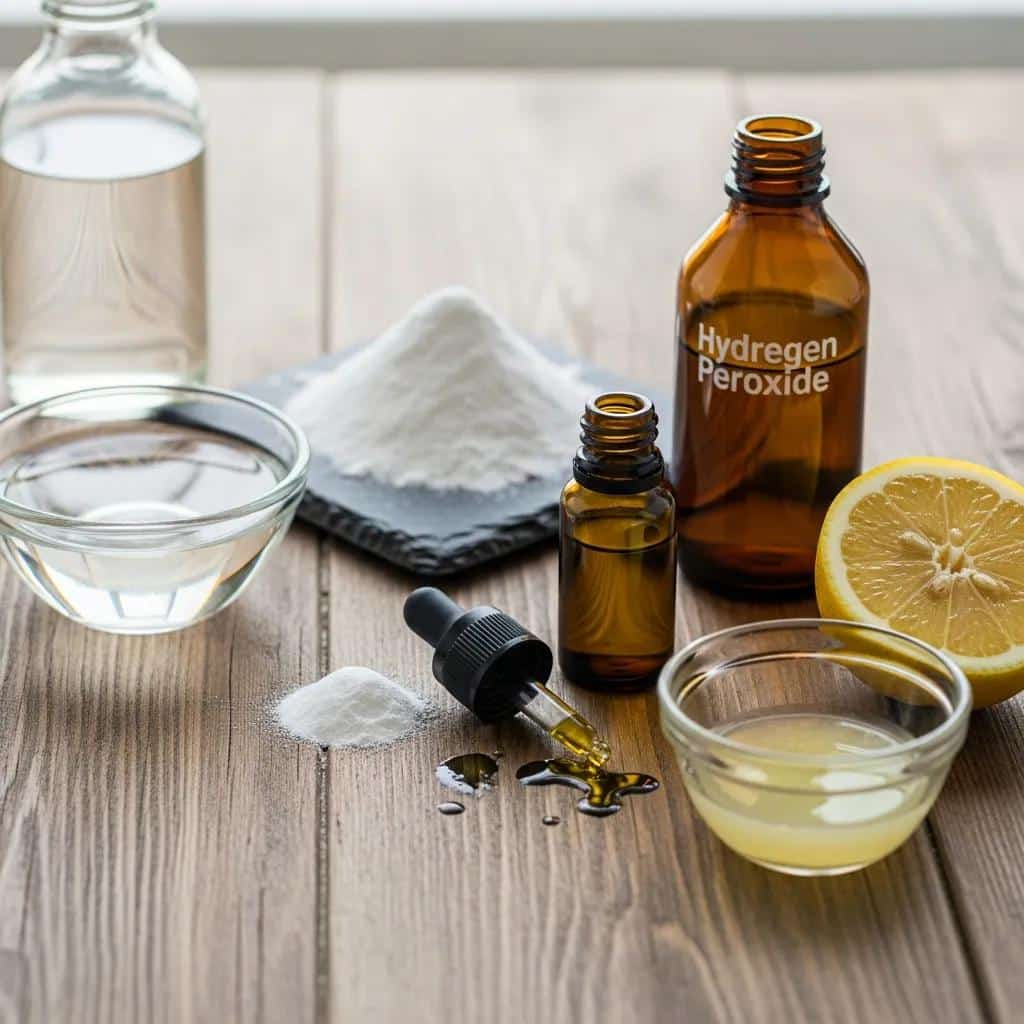
Several natural ingredients have proven effective in removing mold without the use of toxic chemicals. Here are five of the most effective options:
- Vinegar: White vinegar is known to kill about 82% of mold species. Its acidity helps break down mold and prevent future growth.
- Baking Soda: This common household item is effective for porous materials and helps absorb moisture, which is essential in mold prevention.
- Tea Tree Oil: With its antifungal and antibacterial properties, tea tree oil is a powerful natural mold killer.
- Hydrogen Peroxide: This compound acts as a mild bleach and can kill mold spores effectively on various surfaces.
- Lemon Juice: The natural acidity of lemon juice can help break down mold and leave a fresh scent.
These ingredients not only provide effective mold removal but also contribute to a healthier indoor environment.
How Does Vinegar Work as a Natural Mold Cleaner?
Vinegar works as a natural mold cleaner due to its antimicrobial properties. The acetic acid in vinegar disrupts the growth of mold and helps eliminate existing spores. To use vinegar effectively, spray it directly onto the moldy surface and let it sit for at least an hour before wiping it away. This method not only cleans the surface but also helps prevent future mold growth by creating an inhospitable environment for mold spores.
What Are the Mold-Fighting Properties of Baking Soda, Tea Tree Oil, and Hydrogen Peroxide?
Baking soda, tea tree oil, and hydrogen peroxide each possess unique mold-fighting properties:
- Baking Soda: It absorbs moisture and neutralizes odors, making it an excellent choice for mold-prone areas. Its gentle abrasive nature also helps scrub away mold without damaging surfaces.
- Tea Tree Oil: This essential oil has potent antifungal properties that can effectively kill mold spores. A few drops mixed with water can create a powerful cleaning solution.
- Hydrogen Peroxide: As a mild antiseptic, hydrogen peroxide can kill mold spores on contact. It is particularly effective on non-porous surfaces and can be used in a spray bottle for easy application.
These natural ingredients provide a safe and effective alternative to chemical cleaners, ensuring a healthier home environment.
How Can You Safely Apply These 5 Natural Home Remedies for Mold Removal?
When applying natural home remedies for mold removal, safety is paramount. Here are some steps to ensure safe application:
- Wear Protective Gear: Always wear gloves and a mask to protect yourself from mold spores and cleaning agents.
- Ventilate the Area: Ensure proper ventilation by opening windows and using fans to circulate air during the cleaning process.
- Test Surfaces: Before applying any solution, test a small, inconspicuous area to ensure it does not damage the surface.
- Follow Instructions: Use the recommended amounts and application methods for each natural remedy to maximize effectiveness.
- Monitor for Recurrence: After cleaning, keep an eye on the area for any signs of mold returning and address moisture issues promptly.
By following these safety precautions, you can effectively use natural remedies to combat mold while protecting your health.
What Safety Precautions Should Be Taken When Using Natural Mold Treatments?
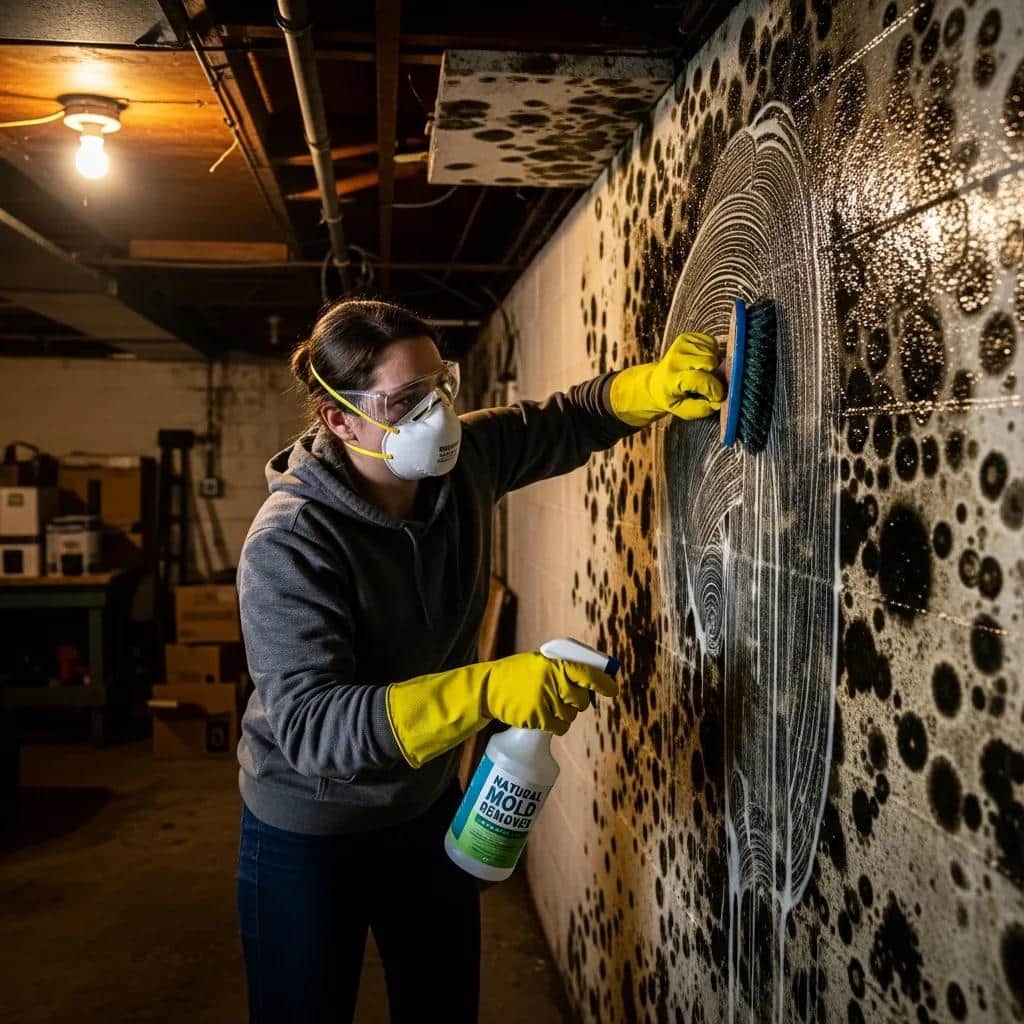
When using natural mold treatments, consider the following safety precautions:
- Protective Gear: Always wear gloves, masks, and goggles to prevent exposure to mold spores and cleaning solutions.
- Ventilation: Ensure the area is well-ventilated to avoid inhaling any fumes or spores released during cleaning.
- Surface Testing: Test a small area before applying any solution to avoid damaging surfaces.
- Moisture Control: Address any underlying moisture issues to prevent mold from returning.
These precautions will help ensure a safe and effective mold removal process.
Mold Prevention: Stop It Before It Starts
The most effective mold removal strategy is preventing mold from taking hold in the first place.
Control Moisture — The Root Cause
- Fix leaks promptly (roof, pipes, windows)
- Keep indoor humidity between 30 60% 6 use a hygrometer to monitor
- Run exhaust fans in bathrooms and kitchens during and after use
- Dry wet surfaces within 24 60 48 hours after spills or flooding
- Ensure proper ventilation in attics, crawl spaces, and basements
- Use a dehumidifier in chronically damp areas
Natural Preventive Treatments
- Weekly tea tree oil spray on shower grout and window sills
- White vinegar wipe-down on bathroom tiles after cleaning
- Clove oil diluted in water as a preventive surface spray (particularly effective in kitchens)
- Baking soda paste applied to grout lines to inhibit regrowth after removal
When to Call a Professional
Natural remedies are effective for surface mold on non-porous materials. If mold covers more than 10 square feet, is inside walls or HVAC systems, or returns repeatedly after treatment, professional remediation is necessary. The EPA recommends professional assessment for any mold linked to water damage from flooding or sewage.
What Preventive Measures Using Natural Methods Help Avoid Mold Growth at Home?
Preventing mold growth is essential for maintaining a healthy home environment. Here are some natural methods to help avoid mold:
- Regular Inspections: Conduct routine checks for leaks and water damage in areas prone to moisture, such as bathrooms and basements.
- Humidity Control: Use dehumidifiers to maintain indoor humidity levels below 50%, which discourages mold growth.
- Natural Absorbents: Place natural absorbents like baking soda or activated charcoal in damp areas to help control moisture levels.
Implementing these preventive measures can significantly reduce the likelihood of mold growth in your home.
How Can Environmental Factors Be Managed to Prevent Mold?
Managing environmental factors is crucial in preventing mold growth. Here are some strategies:
- Plumbing Maintenance: Regularly check and maintain plumbing systems to prevent leaks and water accumulation.
- Roofing Inspections: Ensure roofs are in good condition to prevent water leaks that can lead to mold growth.
- Quick Leak Response: Address any leaks immediately to minimize water exposure and prevent mold development.
By proactively managing these environmental factors, you can create a less hospitable environment for mold.
Which Eco-Friendly Practices Support Long-Term Mold Prevention?
Adopting eco-friendly practices can support long-term mold prevention. Consider the following:
- Dry Environment Maintenance: Keep areas dry and well-ventilated to discourage mold growth.
- Prompt Leak Repairs: Fix leaks and water damage quickly to prevent mold from taking hold.
- Natural Cleaning Solutions: Use natural cleaning products to maintain a clean environment without introducing harmful chemicals.
These practices not only help prevent mold but also contribute to a healthier home and environment.
What Are the Environmental and Health Benefits of Choosing Chemical-Free Mold Removal?
Choosing chemical-free mold removal methods offers numerous environmental and health benefits. These methods reduce the risk of toxic exposure, leading to improved indoor air quality. Additionally, they minimize the environmental impact associated with chemical cleaners, which can contaminate water sources and harm wildlife. By opting for natural remedies, you contribute to a healthier ecosystem and promote sustainability in your home.
How Does Chemical-Free Mold Removal Reduce Indoor Toxicity and Environmental Harm?
Chemical-free mold removal significantly reduces indoor toxicity by eliminating harmful substances commonly found in chemical cleaners. These natural methods not only clean effectively but also prevent the release of volatile organic compounds (VOCs) into the air. This reduction in indoor air pollution contributes to better respiratory health and overall well-being. Furthermore, by avoiding chemical cleaners, you help protect the environment from potential contamination and promote a more sustainable approach to home maintenance.
What Recent Research Supports the Effectiveness and Sustainability of Natural Remedies?
Recent studies have shown that natural remedies for mold removal are not only effective but also sustainable. Research indicates that ingredients like vinegar and tea tree oil can effectively kill mold spores and prevent regrowth. Additionally, the use of these natural solutions aligns with growing consumer preferences for eco-friendly products. Environmental agencies are increasingly recommending natural cleaning methods as safer alternatives to traditional chemical cleaners, highlighting their effectiveness and sustainability.
Different natural ingredients provide unique benefits for mold removal, making them effective alternatives to chemical cleaners.
This table illustrates the effectiveness and safety of various natural ingredients, reinforcing the benefits of choosing chemical-free mold removal methods.