



Ocean Biodiversity: Why Marine Ecosystems Are Under Threat
Ocean Biodiversity: Why Marine Ecosystems Are Under Threat
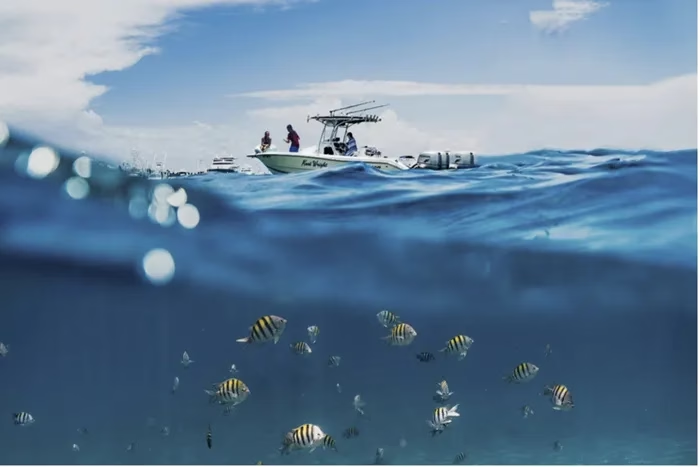
Ocean biodiversity is a critical component of the Earth’s ecological balance, encompassing a vast array of marine species and habitats that contribute to the health of our planet. However, marine ecosystems are facing unprecedented threats due to human activities and environmental changes. This article delves into the primary factors endangering ocean biodiversity, including climate change, plastic pollution, and overfishing. Readers will gain insights into how these threats impact marine life and what can be done to mitigate these effects. By understanding the mechanisms behind these challenges, we can better appreciate the importance of marine conservation efforts and the role of marine protected areas in safeguarding our oceans. The following sections will explore the main threats to ocean biodiversity, the effects of coral bleaching, and actionable steps individuals can take to protect marine life.
What are the main threats to ocean biodiversity?
Ocean biodiversity is under siege from several significant threats that disrupt the delicate balance of marine ecosystems. The primary factors include climate change, plastic pollution, and overfishing. Each of these threats not only affects individual species but also has cascading effects on entire marine habitats.
- Climate Change: Rising sea temperatures and ocean acidification are altering marine environments, leading to habitat loss and species migration. Coral reefs, which are particularly sensitive to temperature changes, are experiencing widespread bleaching events that threaten their survival.
- Plastic Pollution: Millions of tons of plastic waste enter the oceans each year, harming marine life through ingestion and entanglement. Microplastics have infiltrated even the most remote marine environments, posing risks to both marine species and human health.
- Overfishing: Unsustainable fishing practices deplete fish populations and disrupt food webs. The removal of key species can lead to imbalances that affect the entire ecosystem, making it crucial to implement sustainable fishing practices.
Understanding these threats is essential for developing effective conservation strategies and ensuring the resilience of marine ecosystems.
How does coral bleaching affect marine ecosystems?
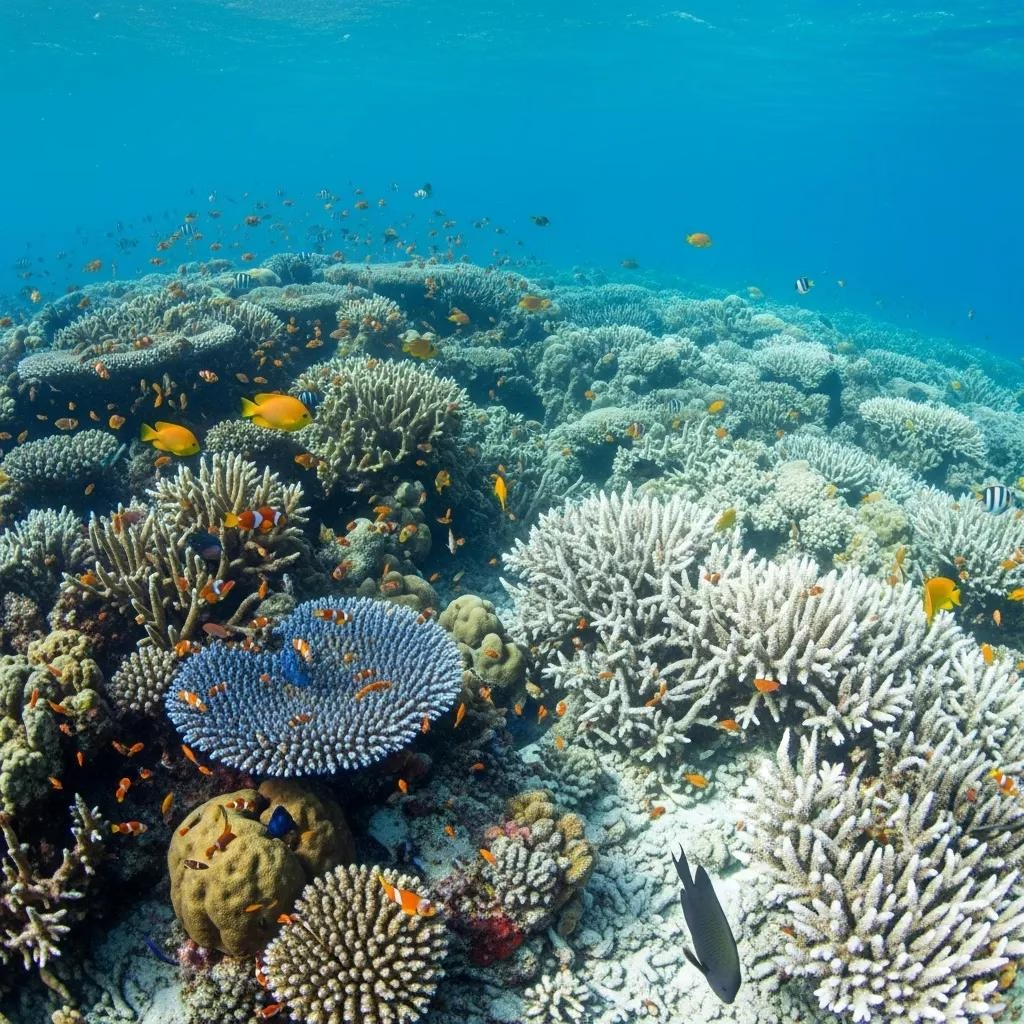
Coral bleaching is a phenomenon that occurs when corals expel the symbiotic algae living in their tissues, leading to a loss of color and vital nutrients. This process is primarily triggered by elevated water temperatures, often linked to climate change. The impact of coral bleaching on marine ecosystems is profound and multifaceted.
Further research underscores the direct link between human activities and the severe threats posed to coral reefs by climate change and ocean acidification.
Climate Change & Ocean Acidification Threats to Coral Reefs
Human activities such as the burning of fossil fuels, deforestation and changing land use have dramatically altered the atmospheric concentration of greenhouse gases such as carbon dioxide and methane. These changes have resulted in global warming and ocean acidification, both of which pose serious threats to coral reef ecosystems through increased thermal stress and ocean acidity as well as declining carbonate ion concentrations. Observed impacts on coral reefs include increased mass coral bleaching, declining calcification rates, and a range of other changes to subtle yet fundamentally important physiological and ecological processes.
The impact of climate change on coral reef ecosystems, O Hoegh-Guldberg, 2010
When corals bleach, they become more susceptible to disease and mortality, which can lead to the collapse of coral reef systems. Coral reefs are vital habitats for numerous marine species, providing shelter, food, and breeding grounds. The loss of these habitats can result in decreased biodiversity and the disruption of marine food webs.
Additionally, coral reefs play a crucial role in coastal protection, helping to buffer shorelines against storms and erosion. Their decline not only threatens marine life but also impacts human communities that rely on healthy reefs for tourism, fishing, and coastal protection.
What can individuals do to protect marine life?
Individuals can play a significant role in protecting marine life and promoting ocean biodiversity through various actions. Here are some effective strategies:
- Reduce Plastic Use: By minimizing single-use plastics and opting for reusable alternatives, individuals can help decrease plastic pollution in the oceans. Participating in local clean-up efforts can also make a tangible difference.
- Support Sustainable Seafood: Choosing sustainably sourced seafood helps combat overfishing and supports responsible fishing practices. Look for certifications like the Marine Stewardship Council (MSC) label when purchasing seafood.
While supporting sustainable seafood is crucial, studies indicate that consumer awareness of ecolabels and the meaning of sustainability in seafood can vary.
Sustainable Seafood & Consumer Behavior for Fisheries
Seafood ecolabels may be a valuable tool in translating general environmental concern about the marine environment into more sustainable fisheries practices. We conducted an on-site consumer survey in the Greater Toronto Area and a nearby city. Our findings showed that in contrast to high levels of awareness of the importance of the marine environment and the sustainability of seafood, consumers had a limited understanding about the meaning of sustainability in the case of seafood, and little knowledge about actual ecolabels found in the Canadian marketplace.
Ecolabeled seafood and sustainable consumption in the Canadian context: issues and insights from a survey of seafood consumers, A Winson, 2022
- Advocate for Marine Protected Areas: Supporting the establishment and maintenance of marine protected areas (MPAs) can help safeguard critical habitats and promote biodiversity. Engaging in advocacy efforts and raising awareness about the importance of MPAs can lead to positive changes in marine conservation policies.
- Educate Others: Sharing knowledge about the threats facing marine ecosystems and the importance of biodiversity can inspire others to take action. Education is a powerful tool for fostering a culture of conservation.
By taking these steps, individuals can contribute to the protection of marine life and help ensure the health of our oceans for future generations.
The role of marine protected areas in conservation
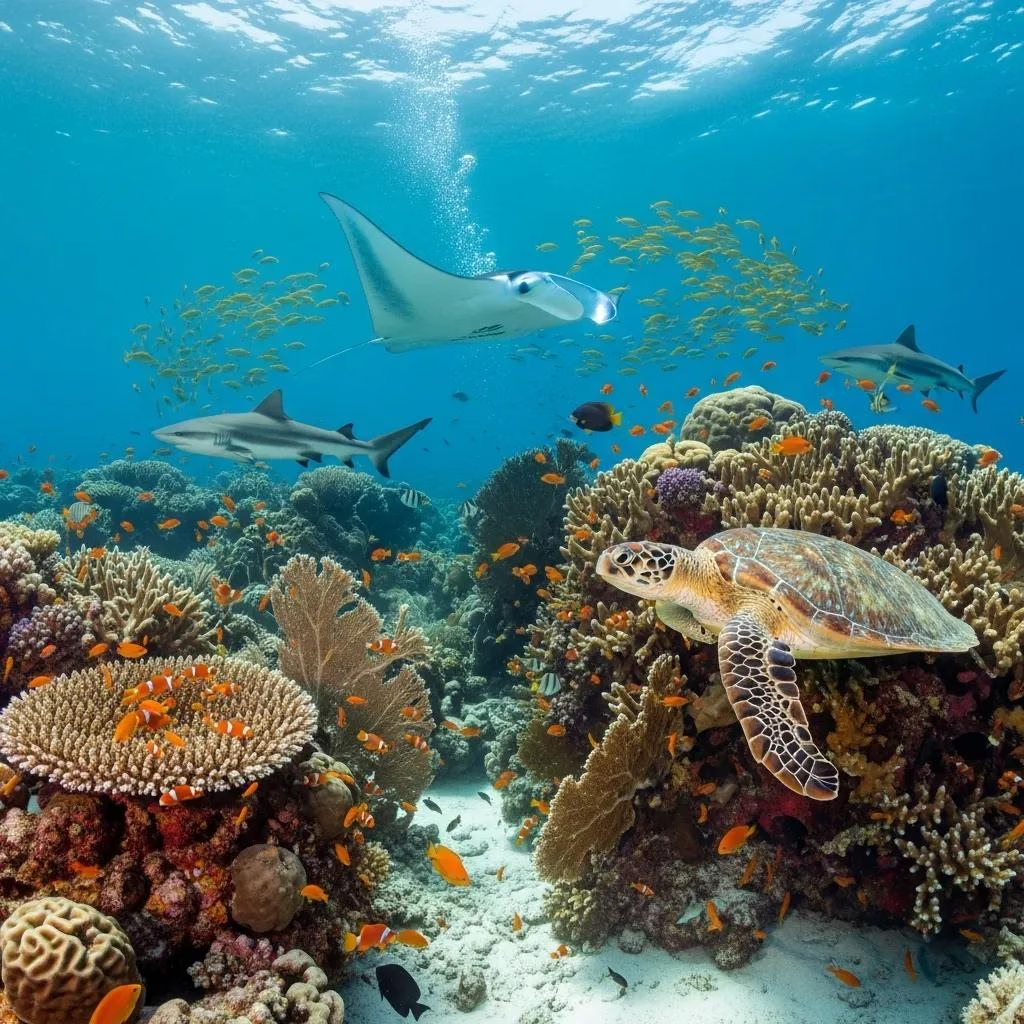
Marine protected areas (MPAs) are designated regions of the ocean where human activities are regulated to conserve marine ecosystems and biodiversity. These areas play a crucial role in the protection of marine life and the restoration of degraded habitats.
- Biodiversity Conservation: MPAs provide safe havens for marine species, allowing populations to recover and thrive. By protecting critical habitats such as coral reefs, mangroves, and seagrass beds, MPAs help maintain the ecological balance of marine ecosystems.
- Fisheries Management: MPAs can enhance fish stocks by providing areas where fish can reproduce and grow without the pressures of fishing. This can lead to increased catches in surrounding areas, benefiting local fishing communities.
- Climate Resilience: Healthy marine ecosystems are better equipped to withstand the impacts of climate change. MPAs can enhance the resilience of marine habitats, helping them adapt to changing environmental conditions.
- Research and Education: MPAs serve as valuable sites for scientific research and education, providing insights into marine ecosystems and the effects of human activities. This knowledge is essential for informing conservation strategies and policy decisions.
In summary, marine protected areas are vital tools for conserving ocean biodiversity and ensuring the sustainability of marine resources.
Conclusion
The threats to ocean biodiversity are significant and multifaceted, requiring urgent action from individuals, communities, and policymakers. By understanding the challenges facing marine ecosystems and taking proactive steps to mitigate these threats, we can work towards a healthier ocean. Supporting marine protected areas, reducing plastic consumption, and advocating for sustainable practices are all essential components of a comprehensive approach to marine conservation. Together, we can protect the rich biodiversity of our oceans and ensure their health for generations to come.