



Rewilding Projects Making a Difference Around the World

Rewilding Projects Making a Difference Around the World
Rewilding projects are transformative initiatives aimed at restoring ecosystems and reintroducing native species to their natural habitats. These projects play a crucial role in biodiversity conservation and climate change mitigation, addressing the pressing environmental challenges of our time. As ecosystems face unprecedented threats from human activity, rewilding offers a hopeful solution by promoting ecological resilience and restoring natural processes. This article will explore the key aspects of rewilding projects, highlight global examples, discuss the challenges they face, and emphasize their importance for the future of our planet.
Key Aspects of Rewilding Projects
Rewilding projects encompass several key components that work together to restore ecosystems and enhance biodiversity. These initiatives focus on wildlife restoration through species reintroduction, ecosystem regeneration, and the promotion of self-sustaining systems. By reintroducing native species, these projects help restore ecological balance and improve habitat connectivity, which is essential for the survival of many species. Furthermore, rewilding emphasizes the importance of biodiversity conservation, recognizing that diverse ecosystems are more resilient to environmental changes and threats.
Global Examples of Rewilding
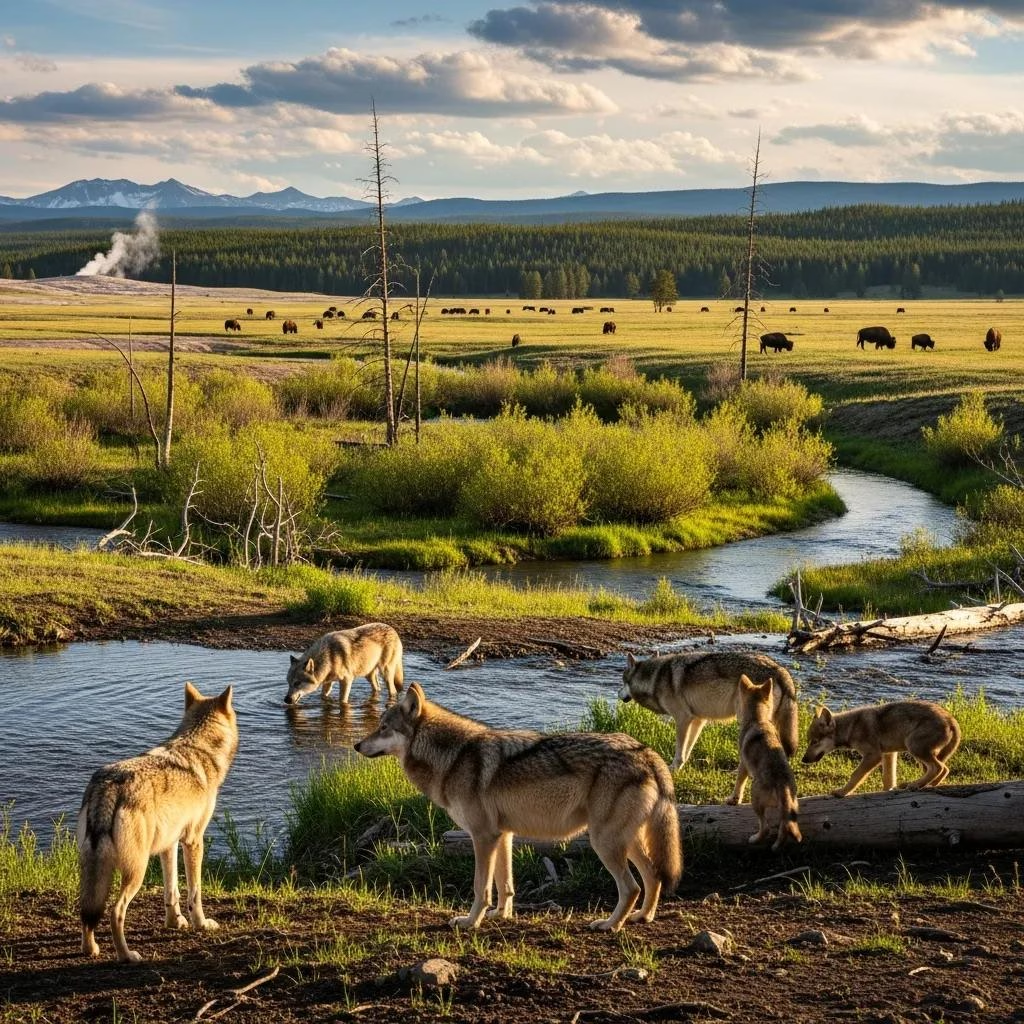
Around the world, numerous successful rewilding projects demonstrate the potential for ecological restoration. In North America, the reintroduction of wolves to Yellowstone National Park has led to significant ecological changes, including the recovery of vegetation and increased biodiversity. In Europe, the rewilding of Oostvaardersplassen in the Netherlands has created a thriving habitat for various species, including large herbivores like Konik horses and Heck cattle. Community involvement is often a critical factor in the success of these projects, as local stakeholders contribute to the planning and implementation of rewilding efforts.
Research on the Yellowstone wolf reintroduction further details the profound ecological shifts observed.
Yellowstone Wolf Reintroduction: Ecosystem Recovery & Trophic Cascades
Trophic cascades in Yellowstone: the first 15 years after wolf reintroduction indicated substantial initial effects on both plants and animals, but northern Yellowstone still appears to be in the early stages of ecosystem recovery.
Trophic cascades in Yellowstone: the first 15 years after wolf reintroduction, WJ Ripple, 2012
Challenges and Considerations
Despite their potential, rewilding projects face several challenges that can hinder their success. Conflicts with agricultural interests often arise, as land used for farming may overlap with areas designated for rewilding. Legal and financial barriers can also pose significant obstacles, making it difficult to secure the necessary resources for these initiatives. Additionally, the impact of climate change on restoration efforts must be considered, as shifting weather patterns can affect the viability of rewilding projects.
What Are Rewilding Projects and Why Are They Crucial for Global Ecosystem Restoration?
Rewilding projects are defined as efforts to restore ecosystems to their natural state by reintroducing native species and allowing natural processes to take place. These projects are crucial for global ecosystem restoration as they help reverse the damage caused by habitat destruction, pollution, and climate change. By focusing on the restoration of ecological balance, rewilding initiatives contribute to the overall health of the planet and the well-being of future generations.
Defining Rewilding: Concepts and Core Objectives
The core objectives of rewilding include the restoration of native species, the reduction of human interference in natural processes, and the promotion of habitat connectivity. By reintroducing key species, such as apex predators and herbivores, rewilding projects aim to restore natural food webs and ecological interactions. Additionally, reducing human interference allows ecosystems to recover and thrive, fostering resilience against environmental changes.
The Oostvaardersplassen project in the Netherlands offers a prime example of how rewilding aims to restore natural processes and enhance biodiversity through minimal human intervention.
Defining Rewilding: Natural Processes & Biodiversity in Oostvaardersplassen
Rewilding, a novel conservation strategy that aims at restoring natural processes with minimal human intervention, is increasing in popularity and could lead to increased carrion availability in the landscape. It is therefore important to understand the effects of carrion on biodiversity. We investigated the direct and delayed (five months) effects of red deer (Cervus elaphus) carcasses on plants and arthropods in the Oostvaardersplassen, the Netherlands, one of the oldest rewilding sites in Europe.
Rewilding with large herbivores: Positive direct and delayed effects of carrion on plant and arthropod communities, R van Klink, 2020
How Rewilding Supports Habitat Restoration and Native Species Reintroduction
Rewilding plays a vital role in habitat restoration by facilitating the reintroduction of native species and the restoration of natural processes. The reintroduction of key species, such as wolves or bison, can lead to significant ecological changes that benefit entire ecosystems. For example, the presence of wolves in Yellowstone has helped control elk populations, allowing vegetation to recover and promoting biodiversity. Community involvement in these restoration efforts is essential, as local stakeholders can provide valuable insights and support for successful implementation.
Further studies, such as those conducted in Oostvaardersplassen, highlight the long-term impact of large herbivores on vegetation dynamics within rewilded landscapes.
Trophic Rewilding: Vegetation Dynamics with Large Herbivores in Oostvaardersplassen
Here, we investigated vegetation dynamics in response to three decades of trophic rewilding with large herbivores in a recent anthropogenic, fertile 55-km 2 landscape on reclaimed land in the Netherlands.
Vegetation dynamics following three decades of trophic rewilding in the mesic grasslands of Oostvaardersplassen, ES Bakker, 2024
How Do Rewilding Projects Enhance Biodiversity Conservation and Wildlife Restoration?
Rewilding projects enhance biodiversity conservation by employing various methodologies that focus on restoring ecosystems and reintroducing native species. Successful projects often involve extensive research and planning to identify the most effective strategies for species reintroduction and habitat restoration. Measurable outcomes of these efforts include increased wildlife populations, improved habitat quality, and enhanced ecosystem services, all of which contribute to the overall health of the environment.
Impact of Species Reintroduction on Ecosystem Balance
The reintroduction of species plays a crucial role in restoring ecosystem balance. Case studies have shown that reintroducing apex predators, such as wolves, can lead to a cascade of ecological benefits, including the recovery of vegetation and increased biodiversity. Long-term benefits of rewilding include improved ecosystem resilience, enhanced carbon sequestration, and the restoration of natural processes that support diverse life forms.
Measuring Biodiversity Gains: Recent Statistics and Trends
Measuring biodiversity gains is essential for assessing the success of rewilding projects. Various metrics are used to evaluate biodiversity, including species richness, population density, and habitat quality. Recent statistics indicate that rewilding efforts have led to significant increases in wildlife populations and improved ecosystem health. For instance, studies have shown that areas undergoing rewilding can experience up to a 30% increase in species diversity within a few years.
In What Ways Do Rewilding Initiatives Contribute to Climate Change Mitigation and Carbon Sequestration?
Rewilding initiatives contribute to climate change mitigation by restoring ecosystems that capture and store carbon emissions. Healthy ecosystems, such as forests and wetlands, play a vital role in sequestering carbon, helping to offset greenhouse gas emissions. By promoting ecosystem regeneration, rewilding projects enhance the capacity of natural habitats to capture carbon, making them an essential tool in the fight against climate change.
Role of Ecosystem Regeneration in Capturing Carbon Emissions
Ecosystem regeneration is critical for capturing carbon emissions effectively. Natural processes, such as plant growth and soil formation, contribute to carbon sequestration by storing carbon in biomass and soil. Rewilding projects that focus on restoring native vegetation and improving soil health can significantly enhance carbon capture rates, providing a dual benefit of climate change mitigation and biodiversity conservation.
Quantifying Carbon Sequestration Rates in Rewilded Habitats
Quantifying carbon sequestration rates in rewilded habitats is essential for understanding the impact of these projects on climate change. Various methods are employed to measure carbon storage, including soil sampling and remote sensing technologies. Recent data indicates that rewilded areas can sequester substantial amounts of carbon, with some projects reporting increases of up to 5 tons of carbon per hectare annually.
What Are the Most Effective Ecosystem Restoration Techniques Used in Global Rewilding Projects?
Effective ecosystem restoration techniques used in global rewilding projects include habitat restoration, species reintroduction, and community engagement. These techniques are tailored to the specific needs of each ecosystem and often involve collaboration with local communities and conservation organizations. Case studies of successful techniques demonstrate the importance of adaptive management and ongoing monitoring to ensure the long-term success of rewilding efforts.
How Does Community Engagement Influence the Success of Rewilding Projects Worldwide?
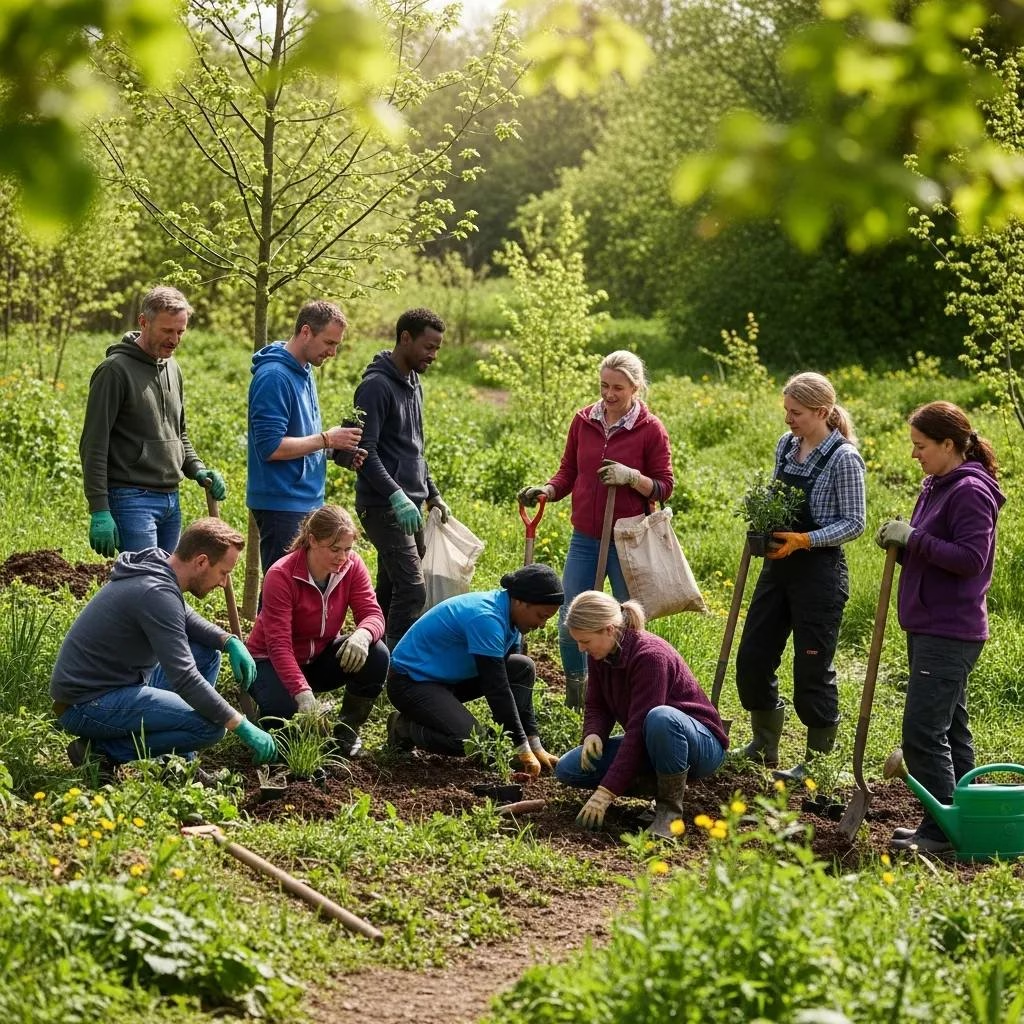
Community engagement is a critical factor influencing the success of rewilding projects. Local communities often possess valuable knowledge about the ecosystems in which they live, making their involvement essential for effective planning and implementation. Successful community-led projects have demonstrated that when local stakeholders are actively engaged, rewilding initiatives are more likely to achieve their goals and foster long-term sustainability.
Roles of Local Communities and Conservation Organizations
The collaboration between local communities and conservation organizations plays a vital role in the success of rewilding projects. By working together, these groups can leverage resources, share knowledge, and develop strategies that benefit both the environment and local livelihoods. Examples of successful collaborations highlight the importance of building trust and fostering partnerships to achieve common conservation goals.
Examples of Community-Led Rewilding Initiatives
Community-led rewilding initiatives have emerged as powerful examples of grassroots conservation efforts. These projects often focus on restoring local ecosystems while providing benefits to the community, such as improved access to natural resources and enhanced recreational opportunities. Case studies of community-led initiatives demonstrate the potential for local stewardship to drive successful rewilding efforts and promote biodiversity conservation.
What Are Recent Case Studies Demonstrating the Global Impact of Rewilding Projects?
Recent case studies illustrate the global impact of rewilding projects on biodiversity and ecosystem health. For instance, the rewilding of the Scottish Highlands has led to the recovery of native species and the restoration of natural habitats. These projects not only benefit wildlife but also enhance the cultural and economic value of the regions involved, showcasing the multifaceted benefits of rewilding.
Successful Wildlife Restoration Projects from 2025 to 2026
From 2025 to 2026, several successful wildlife restoration projects have emerged, highlighting the effectiveness of rewilding initiatives. These projects have focused on reintroducing key species, restoring habitats, and engaging local communities in conservation efforts. The positive outcomes of these projects underscore the importance of continued investment in rewilding as a strategy for biodiversity conservation.
Lessons Learned and Best Practices from Leading Environmental NGOs
Leading environmental NGOs have identified several lessons learned and best practices from successful rewilding projects. These include the importance of adaptive management, ongoing monitoring, and community engagement. By sharing knowledge and experiences, these organizations can help inform future rewilding efforts and improve the effectiveness of conservation strategies.
How Can Individuals Support and Participate in Rewilding Efforts to Promote Biodiversity?
Individuals can play a vital role in supporting and participating in rewilding efforts. By volunteering with local conservation organizations, advocating for policy changes, and engaging in community-led initiatives, individuals can contribute to the success of rewilding projects. Practical steps for supporting habitat restoration include planting native species, participating in clean-up events, and promoting awareness of the importance of biodiversity conservation.
Practical Tips for Supporting Habitat Restoration and Native Species
To effectively support habitat restoration and native species, individuals can take several practical steps:
- Volunteer with Local Conservation Groups: Engage in hands-on restoration projects and contribute to local biodiversity efforts.
- Plant Native Species: Enhance local ecosystems by planting native plants that support local wildlife and promote ecological balance.
- Advocate for Policy Changes: Support policies that protect natural habitats and promote sustainable land use practices.
These actions not only benefit local ecosystems but also foster a sense of community and shared responsibility for the environment.
Resources for Getting Involved with Local and Global Rewilding Projects
Numerous resources are available for individuals looking to get involved with local and global rewilding projects. Organizations dedicated to conservation often provide volunteer opportunities, educational resources, and information on upcoming events. By connecting with these organizations, individuals can find ways to contribute to rewilding efforts and promote biodiversity conservation in their communities.
What Are the Future Trends and Challenges Facing Rewilding Projects Around the World?
As rewilding projects continue to evolve, several future trends and challenges are emerging. The integration of technology, such as remote sensing and genetic analysis, is enhancing the effectiveness of rewilding efforts. However, challenges such as climate change, habitat fragmentation, and social resistance to rewilding must be addressed to ensure the long-term success of these initiatives.
Emerging Research and Technological Advances in Rewilding
Emerging research and technological advances are playing a crucial role in the future of rewilding. Innovations in genetic research, remote sensing, and ecological modeling are providing new insights into ecosystem dynamics and species interactions. These advancements can help inform rewilding strategies and improve the effectiveness of conservation efforts.
Addressing Barriers to Scaling Up Ecosystem Regeneration Efforts
Scaling up ecosystem regeneration efforts requires addressing several barriers, including financial constraints, legal challenges, and social resistance. Strategies for overcoming these barriers include fostering collaboration between stakeholders, securing funding for rewilding projects, and promoting public awareness of the benefits of rewilding. By addressing these challenges, rewilding initiatives can expand their impact and contribute to global biodiversity conservation.