



Sustainable Technology Innovations Shaping the Future
Sustainable Technology Innovations Shaping the Future
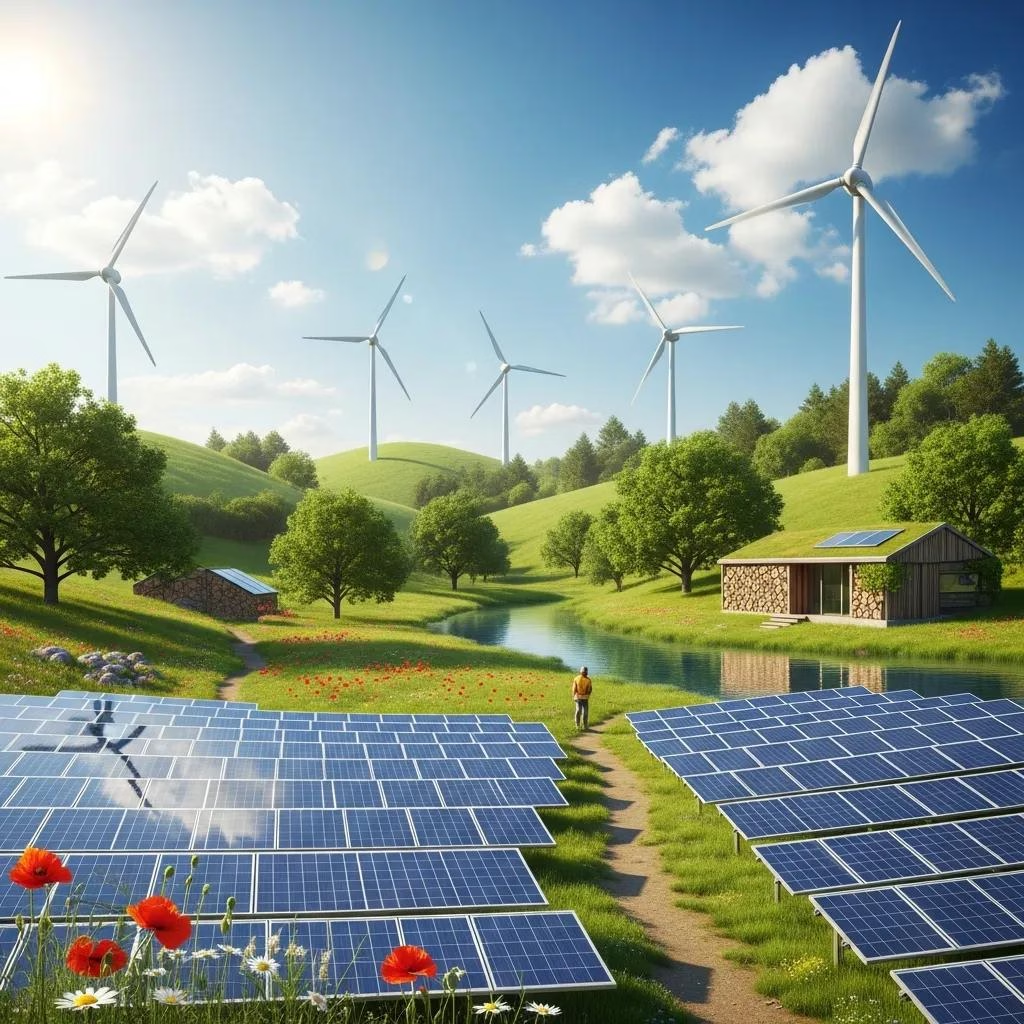
Sustainable technology innovations are transforming the way we interact with our environment, offering solutions that not only enhance efficiency but also mitigate the impacts of climate change. This article delves into the latest advancements in sustainable technologies, focusing on renewable energy, green building, sustainable transportation, circular economy technologies, carbon capture, and smart grid innovations. As the world grapples with the pressing challenges of climate change, these innovations provide a pathway to a greener, more sustainable existence. We will explore various technologies, their mechanisms, benefits, and real-world applications, while also discussing how they contribute to climate change mitigation and economic growth.
Renewable Energy Technologies

Renewable energy technologies harness natural resources to generate power, significantly reducing reliance on fossil fuels. These technologies include solar energy, wind energy, and hydro energy, each contributing uniquely to energy production and sustainability. According to the International Energy Agency (IEA), global renewable energy investment reached $500 billion in 2023, marking a 12% increase from the previous year, driven largely by solar and wind projects. By utilizing renewable sources, we can decrease greenhouse gas emissions and promote a cleaner environment. The integration of these technologies supports energy independence and fosters economic growth through job creation in the green sector.
Solar Energy
Solar energy is one of the most widely adopted renewable energy sources, utilizing photovoltaic cells to convert sunlight into electricity. This technology has seen significant advancements, leading to a 22% increase in panel efficiency over the past five years and a 30% reduction in costs, according to BloombergNEF. Solar panels can be installed on rooftops or in large solar farms, providing a versatile solution for energy generation. The benefits of solar energy include reduced electricity bills, lower carbon footprints, and the potential for energy storage through battery systems. For example, Tesla’s Solar Roof project has successfully integrated solar technology into residential buildings, demonstrating scalable adoption.
Wind Energy
Wind energy harnesses the power of wind through turbines to generate electricity. This technology has grown rapidly, with wind farms becoming a common sight in many regions. Offshore wind capacity alone is expected to grow by 15% annually through 2026, according to IEA forecasts. Wind energy is clean, renewable, and can be deployed onshore or offshore, maximizing its potential. The advantages of wind energy include its low operational costs, minimal environmental impact, and the ability to generate power even in remote areas. Companies like Ørsted have pioneered large-scale offshore wind farms, contributing significantly to Denmark’s renewable energy mix.
Hydro Energy
Hydro energy, generated from flowing water, is another crucial component of renewable energy technologies. Hydroelectric power plants convert the kinetic energy of water into electricity, providing a reliable and consistent energy source. This technology not only contributes to energy production but also supports water management and flood control. The benefits of hydro energy include its ability to provide baseload power, low emissions, and the potential for multi-purpose water resource management. The Three Gorges Dam in China exemplifies large-scale hydroelectric power generation, producing over 22,500 MW of capacity.
This comparison highlights how each renewable energy technology plays a vital role in reducing environmental impact while providing sustainable energy solutions.
Green Building Technologies
Green building technologies focus on designing and constructing buildings that are energy-efficient, resource-conserving, and environmentally responsible. The global green building materials market is projected to reach $364 billion by 2026, reflecting growing adoption worldwide. These technologies include advanced insulation, energy-efficient HVAC systems, and smart building management systems that optimize energy use.
For instance, the Bullitt Center in Seattle is a leading example of a net-zero energy building, utilizing solar panels, rainwater harvesting, and composting toilets to minimize environmental impact. Green buildings reduce operational costs, improve indoor air quality, and contribute to urban sustainability.
Sustainable Transportation
Sustainable transportation innovations, such as electric vehicles (EVs), hydrogen fuel cells, and enhanced public transit systems, are essential for reducing emissions from the transportation sector. EV adoption has surged globally, with over 10 million electric cars on the road in 2023, a 40% increase from 2022, according to BloombergNEF. EVs produce zero tailpipe emissions and can be powered by renewable energy sources, making them a key component of sustainable urban planning.
Hydrogen fuel cell technology is gaining traction for heavy-duty transport, with companies like Toyota and Hyundai leading commercial deployments. Public transit systems incorporating electric buses and light rail reduce urban congestion and pollution. The city of Oslo, Norway, has successfully transitioned to a predominantly electric public transport fleet, reducing urban emissions by 25%.
Circular Economy Technologies
Circular economy technologies aim to minimize waste and maximize resource efficiency by promoting reuse, recycling, and sustainable product design. The Ellen MacArthur Foundation estimates that adopting circular economy principles could generate $4.5 trillion in economic benefits by 2030.
Innovations include advanced recycling technologies, such as chemical recycling of plastics, and digital platforms that facilitate product life extension and sharing economies. Companies like Patagonia have pioneered circular business models by offering repair services and using recycled materials in their products, reducing environmental impact and fostering customer loyalty.
Carbon Capture and Storage (CCS)
Carbon capture and storage technologies capture CO2 emissions from industrial processes and power generation, preventing them from entering the atmosphere. The global CCS market is expected to grow at a CAGR of 15% through 2026, driven by climate policies and corporate commitments.
Notable projects include the Petra Nova facility in Texas, which captures over 1.6 million tons of CO2 annually, and Norway’s Sleipner project, operational since 1996, which stores CO2 beneath the North Sea. CCS is critical for decarbonizing hard-to-abate sectors and achieving net-zero targets.
Smart Grid Innovations
Smart grids represent a significant advancement in energy distribution, utilizing digital technology to optimize electricity flow. By integrating renewable energy sources and improving demand response, smart grids enhance the reliability and efficiency of energy systems. The benefits of smart grids include reduced energy losses, improved grid resilience, and the ability to accommodate a higher percentage of renewable energy.
Optimizing these complex systems, especially with emerging technologies like Vehicle-to-Grid (V2G), is a key area of ongoing research. According to a 2014 survey by JS Vardakas, demand response programs and pricing methods are critical for smart grid efficiency.
Smart Grid Optimization: V2G Systems
Moreover, we highlight the optimization methods for two new smart grid paradigms: Vehicle-to-Grid (V2G) systems [20]
A survey on demand response programs in smart grids: Pricing methods and optimization algorithms, JS Vardakas, 2014
Advanced algorithms are continuously being developed to further enhance the efficiency of consumption scheduling within smart grids.
Smart Grid Consumption Scheduling Optimization
based Optimization (TLBO) and Shuffled Frog Leaping (SFL) algorithms to propose an optimization model for consumption scheduling in smart grid
The optimization of demand response programs in smart grids, G Derakhshan, 2016
Energy-Efficient Devices
Energy-efficient devices, such as LED lighting, Energy Star appliances, and smart thermostats, are designed to use less energy while delivering the same performance. These technologies not only save money on energy bills but also reduce the overall demand for electricity. The adoption of energy-efficient devices is essential for achieving long-term sustainability goals and reducing greenhouse gas emissions.
Sustainable Transportation (Expanded)
Electric vehicles (EVs) and public transit systems are essential for reducing emissions from the transportation sector. EVs produce zero tailpipe emissions and can be powered by renewable energy sources, making them a key component of sustainable urban planning. The transition to sustainable transportation not only improves air quality but also reduces dependence on fossil fuels.
This table illustrates the significant energy savings and environmental benefits associated with adopting energy-efficient devices.
Eco-Friendly Materials

The use of eco-friendly materials is a critical aspect of sustainable technology innovations. These materials are designed to minimize environmental impact throughout their lifecycle, from production to disposal. By incorporating sustainable materials into products and construction, we can reduce waste and promote a circular economy.
Biodegradable Materials
Biodegradable materials, such as bioplastics and organic textiles, break down naturally in the environment, reducing landfill waste. These materials are often derived from renewable resources, making them a sustainable alternative to traditional plastics. The benefits of biodegradable materials include reduced pollution, lower carbon emissions, and the promotion of sustainable agricultural practices.
Further research emphasizes the importance of understanding the full lifecycle and environmental impact of these innovative materials.
Bioplastics: Sustainable Alternatives & Environmental Impact
The escalating crisis of plastic waste pollution has accelerated the shift toward bioplastics as sustainable alternatives to conventional plastics. Although their market share is expanding particularly in the packaging sector the environmental fate and long-term impact of bioplastics remain poorly understood. This review aims to provide a comprehensive understanding of emerging bioplastic polymers and biodegradable plastics, with a specific focus on their end-of-life pathways and biodegradability.
Towards a greener future: Exploring bioplastics environmental impact and biodegradability, K Verma, 2025
Recycled Materials
Recycled materials, including paper, glass, and metals, play a vital role in reducing resource consumption and waste. By reusing materials, we can conserve energy and reduce the need for new raw materials. The advantages of using recycled materials include lower production costs, reduced environmental impact, and the promotion of a circular economy.
Sustainable Construction
Sustainable construction practices focus on using eco-friendly materials and energy-efficient designs to minimize environmental impact. This approach includes the use of recycled materials, energy-efficient systems, and sustainable building practices. The benefits of sustainable construction include reduced energy consumption, lower operating costs, and improved indoor air quality.
This table highlights the environmental benefits of using eco-friendly materials in various applications.
Technologies to Watch in 2026
Looking ahead to 2026, several emerging sustainable technologies are poised to make significant impacts:
- Green Hydrogen Production: Advances in electrolysis technology are expected to reduce costs by 40%, enabling green hydrogen to become a viable fuel for industry and transport.
- Next-Generation Battery Storage: Solid-state batteries promise higher energy density and faster charging, critical for EV adoption and grid storage.
- Direct Air Capture (DAC): Scaling of DAC technologies aims to capture millions of tons of CO2 annually, with projects like Climeworks’ Orca plant leading the way.
- AI-Driven Energy Management: Artificial intelligence will optimize energy consumption in buildings and grids, improving efficiency by up to 20%.
- Advanced Circular Economy Platforms: Blockchain and IoT integration will enhance traceability and resource efficiency in supply chains.
Real-World Case Studies
Siemens Gamesa Renewable Energy: This company has installed over 100 GW of wind turbines worldwide, contributing significantly to global renewable capacity and reducing CO2 emissions by millions of tons annually.
Interface Inc.: A global carpet manufacturer, Interface has implemented circular economy principles by using recycled materials and designing products for recyclability, achieving a 96% reduction in carbon footprint since 1996.
Google’s Data Centers: Google has integrated AI-driven energy management and renewable energy procurement to operate its data centers at 24/7 carbon-free energy, setting a benchmark for sustainable IT infrastructure.
Frequently Asked Questions (FAQ)
Conclusion
Sustainable technology innovations are essential for addressing the challenges posed by climate change and resource depletion. By embracing renewable energy technologies, green building practices, sustainable transportation, circular economy principles, carbon capture, and smart grid innovations, we can create a more sustainable future. These innovations not only provide environmental benefits but also contribute to economic growth and improved quality of life. As we continue to explore and implement these technologies, supported by investments exceeding half a trillion dollars annually and backed by authoritative organizations like the IEA and BloombergNEF, we pave the way for a greener, more sustainable world.