

The Complete Guide to a Zero Waste Lifestyle

Your Complete Guide to a Zero-Waste Lifestyle
Zero-waste living isn’t a trend — it’s a practical way to shrink your environmental footprint and make everyday choices that last. This guide walks you through the core ideas, easy first steps, and down-to-earth tips to help you reduce waste at home and in your community. If the scale of modern waste feels overwhelming, start small: gradual changes add up. Along the way we’ll cover sustainable swaps, community involvement, and common hurdles so you can build realistic, long-term habits.
Small actions can compound quickly. For example, choosing a reusable bottle and a set of cloth napkins replaces many single-use items over months and years. Setting easy, measurable goals — like reducing your trash bag count by one per month or trying one new zero-waste swap each week — helps you see progress and stay motivated. The mindset is iterative: experiment, learn what works locally, and adjust so low-waste choices become simple parts of daily life.
Key Takeaways
- A zero-waste approach focuses on cutting waste and lowering your environmental impact.
- The core ideas are simple: refuse what you don’t need, reduce consumption, and reuse items where possible.
- Begin your journey with a trash audit and a few straightforward swaps.
- At home, composting and smarter shopping make a big difference.
- Sustainable choices — like greener transport and backing local businesses — extend the impact beyond the household.
- Community action helps scale zero-waste efforts and share resources.
- Ethical buying supports brands that prioritize sustainability.
- Composting cuts organic waste and improves soil health for gardens and ecosystems.
- Shopping in bulk and adopting minimalism reduce packaging and encourage intentional living.
Core Principles of Zero Waste Living
Zero-waste living centers on making deliberate choices that prevent waste from being created in the first place. That means refusing unnecessary items, buying less, and opting to reuse, repair, or repurpose what you already have. These habits shrink the amount of trash sent to landfills and help protect natural resources — a simple framework anyone can follow to make a positive environmental impact.
A practical way to apply these principles is to review one category at a time: start with food, then toiletries, then household products. When you focus on a single category, you can identify the easiest swaps, find local suppliers, and test solutions without feeling overwhelmed. Over weeks and months, those incremental wins add up to a meaningful reduction in waste.
Steps to Start Your Zero Waste Journey
Getting started can feel big, but breaking it into small actions makes it manageable. Try these practical first steps:
- Conduct a Trash Audit : Spend a week tracking what you throw away to spot where changes will matter most.
- Make Simple Swaps : Swap single-use items for reusable alternatives, like cloth bags instead of disposable plastic ones.
- Create a Zero-Waste Pantry : Keep bulk staples and reusable containers to cut down on packaging.
Follow these steps to slowly shift habits toward a more sustainable routine.
To make progress measurable, set short timelines: try a two-week trial for a swap, review results, and then decide whether to keep it. Record what was easy, what required an extra step, and any cost savings. This simple feedback loop helps you refine choices and build a practical, long-term low-waste routine that fits your household.
Practical Tips for Reducing Waste at Home
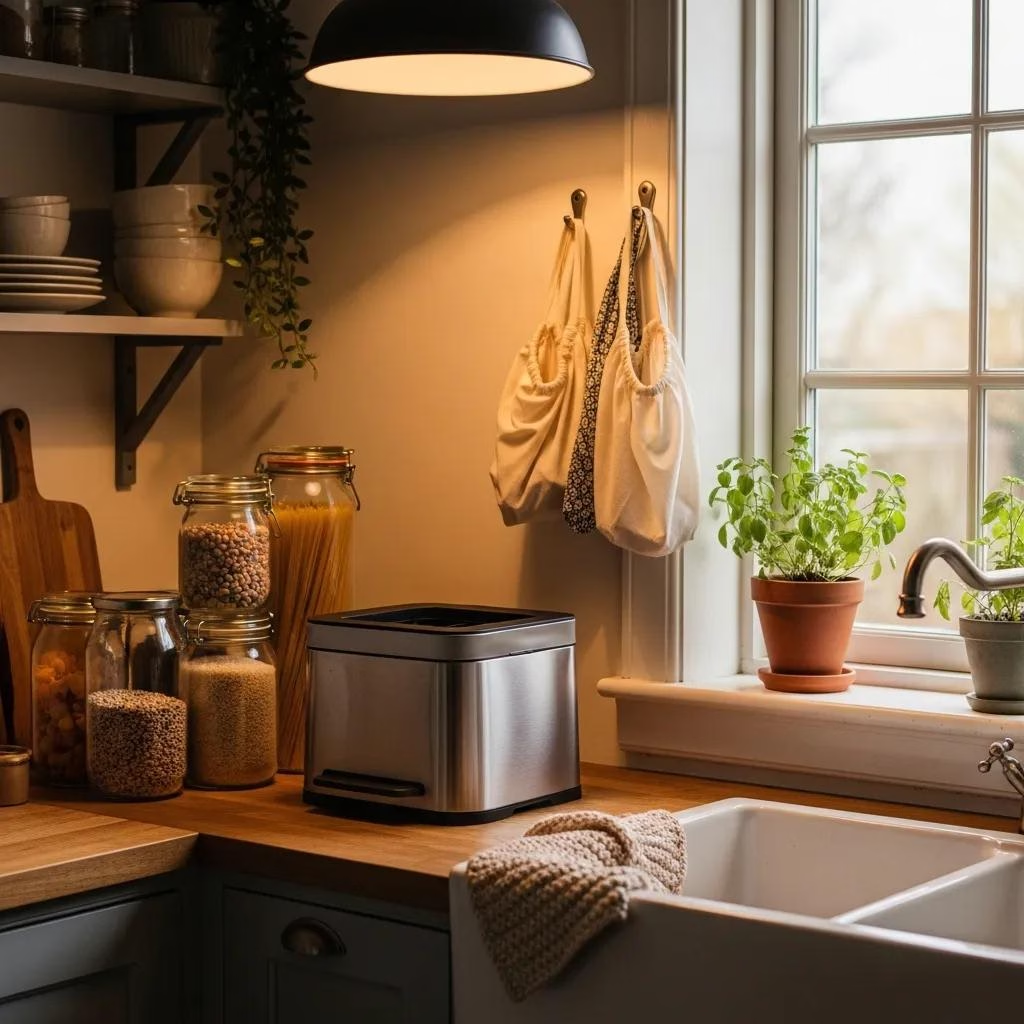
Small, consistent changes at home add up quickly. These practical tips help you cut waste without overhauling your life:
- Shop Smarter : Pick items with minimal packaging and buy in bulk when you can.
- Start Composting : Turn food scraps and yard waste into compost to keep organics out of the landfill and nourish your soil.
- Reduce What You Generate : Be intentional about purchases — buy what you need and choose reusable options.
Applying these strategies will noticeably lower your household waste and help you live more sustainably.
Practical swaps often include keeping a small set of reusable containers for leftovers and bulk shopping, using bar soap and refillable dispensers in the bathroom, and choosing concentrated products (like dish soap refills) that reduce packaging. Organizing your pantry and labeling containers also reduces food waste because you can see and use what you have before it spoils.
Sustainable Living Ideas
Sustainable living can look different for everyone. Try these ideas to broaden your impact:
- Use Efficient Transportation : Walk, bike, or take public transit when possible to reduce emissions.
- Support Local Businesses : Buy from nearby farmers and makers to cut transport emissions and strengthen your community.
- Practice Mindful Purchasing : Choose products that last and align with your environmental values.
Adding a few of these habits to your routine helps protect the planet and supports local economies.
Planning matters: combine errands into one trip, set up a regular carpool, or schedule deliveries to reduce vehicle miles. Even modest adjustments in travel patterns can lower emissions and simplify life. Consider which transportation choices are realistic for your neighborhood and start with one change you can maintain.
Overcoming Challenges
Shifting to a zero-waste lifestyle isn’t always easy. Barriers include limited access to low-waste products, convenience of single-use items, and the feeling of being overwhelmed. Recognize these obstacles and look for local resources, online communities, and gradual changes that fit your life — small wins build momentum.
Practical ways to manage challenges include prioritizing swaps that save money or time, seeking community tools such as library-of-things programs, and reaching out to local groups for shared buys or pooled resources. If a product seems expensive, test lower-cost alternatives first or consider secondhand options — progress is about steady improvement, not perfection.
Community Involvement
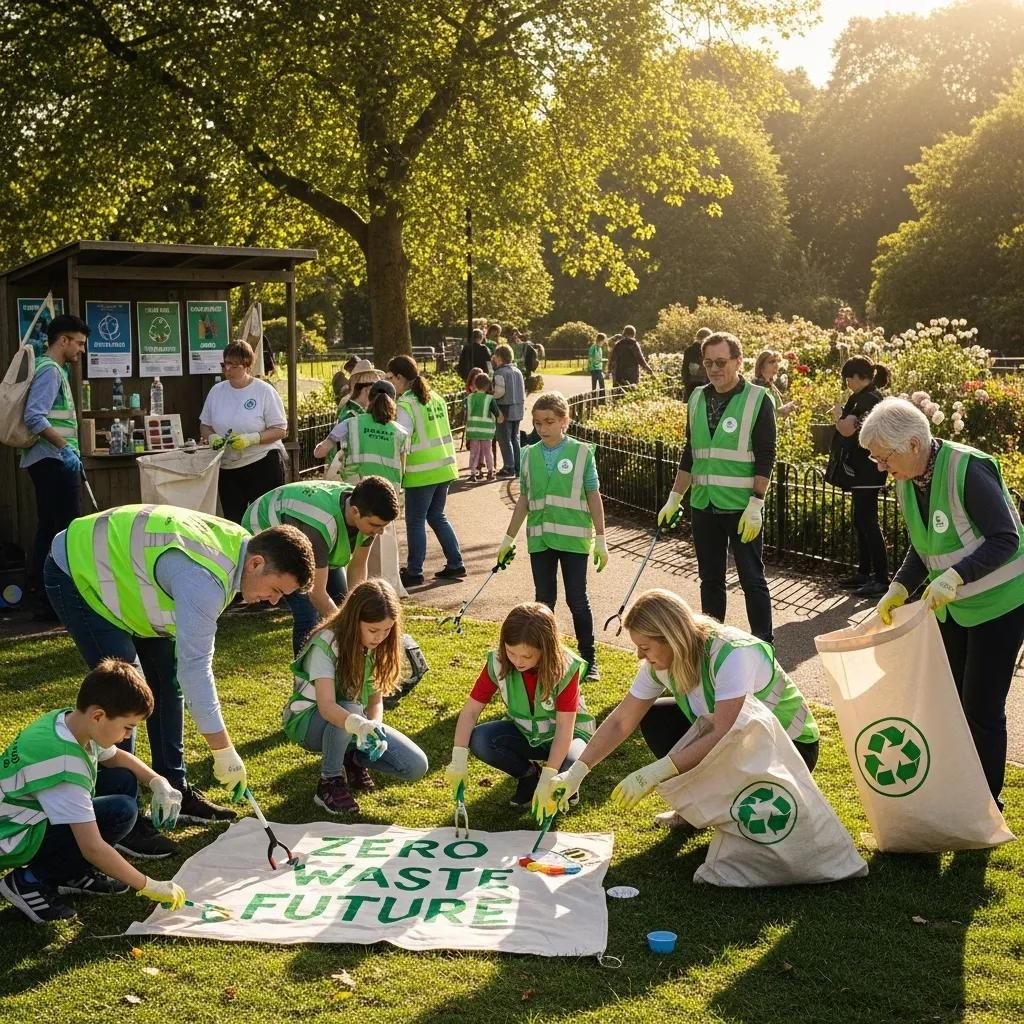
Working with neighbors and local groups multiplies the benefits of zero-waste efforts. Here are ways to plug in:
- Join Local Initiatives : Take part in clean-ups and community projects to learn and contribute.
- Attend Workshops : Learn practical skills like composting or mending at hands-on events.
- Collaborate Locally : Partner with organizations to promote shared resources and sustainability programs.
Community involvement not only supports your own progress but also inspires others to act.
If you want to start something local, begin with a low-effort event: a swap meet, a repair cafe, or a single clean-up day. Promote the event through social media or community boards, set clear goals, and provide simple instructions for participants. Small, well-organized activities are effective ways to build momentum and attract volunteers and partners.
What Is a Zero Waste Lifestyle and Why Does It Matter?
A zero-waste lifestyle means actively minimizing the waste you produce. It matters because reducing waste helps ease pressure on landfills, lowers pollution, and conserves resources for future generations. Even modest changes, when multiplied across communities, create measurable environmental benefits.
How Does Zero Waste Reduce Plastic Pollution and Carbon Footprint?
Zero-waste choices — like refusing single-use plastics and choosing durable alternatives — cut the volume of plastic entering the environment. Reducing consumption and favoring sustainable products also lowers emissions tied to manufacturing and transport. Taken together, these practices help curb plastic pollution and reduce your carbon footprint.
What Are the Principles of Sustainable Living and Waste Reduction?
The guiding framework is often summarized as the “5 Rs”: Refuse, Reduce, Reuse, Recycle, and Rot (compost). These principles steer everyday decisions that prevent waste and encourage efficient use of resources. Embracing them helps you make more sustainable choices, from shopping to disposal.
Research supports that coordinated waste management strategies and these core principles are key to long-term sustainability.
5R Principles for Zero Waste & Sustainable Living
Using the 3R approach (Reduce, Reuse, Recycle) and the broader 5R framework (Reduce, Reuse, Repair, Recycle, Reject) offers clear, practical strategies to lower waste and get more value from resources. These methods help reduce daily environmental impacts and support sustainability over time.
5R PRINCIPLES FOR SUSTAINABLE HOUSEHOLD WASTE MANAGEMENT, 2025
How Can Beginners Start a Zero Waste Lifestyle at Home?
For newcomers, focus on a few simple, repeatable steps that build good habits over time:
- Conduct a Trash Audit : Track your household waste to discover easy reduction opportunities.
- Adopt the 5 Rs : Prioritize refusing and reducing, then reuse, recycle responsibly, and compost organic waste.
- Make Simple Swaps : Move to reusable containers and cloth options instead of disposable items.
These basics give you a strong start toward steadier, low-waste living.
Beginners often make the most progress by choosing one area to focus on for a month. For example, dedicate four weeks to reducing kitchen packaging: plan meals, buy bulk staples, and introduce reusable storage. After a month, review how much packaging you avoided and decide the next area to address. This steady, iterative approach builds durable habits.
What Are Easy Zero Waste Swaps for Everyday Household Items?
Simple swaps can quickly cut household waste. Try these everyday alternatives:
- Kitchen Swaps : Use beeswax wraps and glass containers instead of cling film and single-use plastics.
- Bathroom Swaps : Choose bamboo toothbrushes and refillable soap or shampoo dispensers.
- On-the-Go Swaps : Carry a reusable bottle, cutlery, and a tote to avoid disposables.
These changes are often cheaper over time and better for the planet.
To make swaps last, keep a small kit ready for trips: a lightweight tote, a collapsible bottle, and a compact cutlery set. Store backups at work or in your car so you always have them when needed. Over time these routines reduce the impulse to buy disposable alternatives.
How to Implement Eco Friendly Lifestyle Habits Step-by-Step?
Building eco-friendly habits works best with a clear plan. Follow these steps:
- Conduct a Trash Audit : Spot what you discard most and target those items first.
- Adopt the 5 Rs : Refuse, Reduce, Reuse, Recycle, and Rot to guide choices.
- Engage with the Community : Share tips and swap resources through local groups to stay motivated.
Gradually incorporating these steps makes sustainable living manageable and sustainable.
Use simple tracking tools — a short weekly journal or a photo log — to note successes and friction points. Celebrate small wins and share them with friends or social groups; that social reinforcement helps turn an occasional habit into an integrated part of life.
Which Plastic Free Alternatives Support a Sustainable Lifestyle?
Choosing plastic-free options helps reduce pollution and often improves product longevity. Consider these choices:
- Reusable Products : Invest in stainless steel or glass for food storage and drinkware.
- Sustainable Materials : Favor items made from bamboo, glass, metal, or other durable, low-impact materials.
- Ethical Consumerism : Back companies that use responsible materials and transparent practices.
These alternatives reduce plastic use and support a healthier environment.
When evaluating options, consider durability, repairability, and how often you will use an item. Buying a higher-quality reusable that you will use daily usually pays off quicker — both economically and environmentally — than repeatedly replacing cheaper alternatives.
What Reusable Products Replace Single-Use Plastics?
Many reusable items can replace disposables in everyday life:
- Reusable Water Bottles : Choose stainless steel or glass to cut single-use bottle waste.
- Cloth Shopping Bags : Bring your own bags to avoid plastic grocery sacks.
- Beeswax Wraps : Swap plastic cling film for beeswax or silicone food covers.
Regularly using these items significantly lowers reliance on single-use plastics.
When switching to reusables, it’s worth considering full life-cycle impacts to choose the most effective options.
Reusable Alternatives to Single-Use Plastics
Many shoppers are moving from single-use plastics to reusable items, but some alternatives can have higher environmental costs during production or use. Evaluating the full life-cycle and how often an item will be reused helps determine the best choice.
Environmental payback periods of reusable alternatives to single-use plastic kitchenware products, SA Miller, 2021
How Do Sustainable Materials Innovate Plastic-Free Living?
New sustainable materials — including plant-based bioplastics and improved natural fibers — are expanding options beyond conventional plastics. These innovations can reduce environmental harm and support a circular economy where materials are reused, repaired, or composted. Staying informed about material advances helps you pick better products.
The rise of bioplastics and other nature-based solutions is opening promising paths to tackle plastic waste on a larger scale.
Bioplastics & Nature-Based Solutions for Sustainability
Growing plastic demand, mostly from synthetic materials, has led to rising pollution and health concerns. This chapter reviews bioplastics and nature-based alternatives, highlighting case studies and research that show how biodegradable options can support sustainability goals.
From Plastics to Bioplastics: Technological Innovations and Nature Based Solutions to achieve Global Sustainability, SK Das, 2025
What Are Effective Composting Basics for Waste Reduction?
Composting is one of the simplest, most effective ways to cut organic waste. Key points to get started include:
- Composting Methods : Choose between traditional hot composting, vermicomposting with worms, or bokashi fermentation depending on your space.
- Suitable Materials : Add kitchen scraps, garden clippings, and paper products that break down easily.
- Maintain Your System : Turn your pile or monitor moisture and air flow so decomposition stays on track.
Proper composting keeps organics out of landfills and returns nutrients to the soil.
Common composting issues are usually straightforward to fix: if your pile smells, add more dry brown materials and turn it to aerate; if it’s too dry, add water and some green scraps; if pests appear, use a covered bin or bury food scraps. Starting with a small, manageable system and learning by doing will help you avoid frustration.
How Does Composting Improve Soil Health and Reduce Waste?
Composting transforms food and yard waste into nutrient-rich material that improves soil structure, boosts microbial life, and helps soil hold water. This not only reduces landfill methane emissions but also supports healthier gardens and ecosystems. The benefits are both local and long-term.
What Are Simple Steps to Start Composting at Home?
Beginning a compost system can be straightforward. Try these steps:
- Choose a Composting Method : Pick a bin, pile, or worm compost setup that suits your space and routine.
- Gather Compost Materials : Collect vegetable scraps, yard waste, and paper to feed your compost.
- Set Up Your System : Designate a spot, layer materials, and maintain moisture and airflow.
With a little regular attention, composting becomes an easy part of daily life.
How Does Ethical Consumerism Enhance a Zero Waste Lifestyle?
Ethical consumerism complements zero-waste living by steering demand toward companies that use sustainable materials and fair practices. When more people choose responsibly made products, businesses respond with better options, which reduces waste across the supply chain.
You can practice ethical consumerism by researching brands, asking sellers about refill options, and favoring repairable or long-lasting products. Small shifts in purchasing patterns send market signals that encourage better product design and waste reduction.
How Can Bulk Shopping and Minimalism Reduce Household Waste?
Buying in bulk cuts packaging waste and often saves money, while minimalism shifts focus to quality over quantity. Together these approaches reduce clutter, extend product life, and encourage thoughtful consumption — all of which lower household waste.
To get started, choose a few staple items you use frequently and look for bulk options or refill stations. Combine this with a simple decluttering exercise: keep only items you use regularly and mend or donate the rest. Both practices reduce waste and make daily living simpler.
Where Can You Find Local Zero Waste Community Initiatives and Resources?
Local groups and businesses are great sources of support. Try these avenues:
- Community Events : Look for workshops, swaps, and clean-ups in your area.
- Local Businesses : Visit zero-waste shops, co-ops, and farmers’ markets for bulk and low-packaging options.
- Online Platforms : Use social media groups and directories to find local resources and recommendations.
Connecting locally can accelerate your progress and create lasting change.
How Do Community Programs Support Sustainable Living Goals?
Community programs help by sharing knowledge, pooling resources, and organizing collective actions like community-supported agriculture or neighborhood recycling efforts. These initiatives make sustainable choices easier and more accessible for everyone.
What Are Examples of Successful Local Zero Waste Projects?
Local projects show how collective action works. Examples include:
- Community Clean-Up Events : Organize or join group efforts to remove litter from parks and shorelines.
- Educational Workshops : Host or attend sessions on composting, repair skills, and sustainable living.
- Local Farmers’ Markets : Support vendors who minimize packaging and promote local food systems.
These projects reduce waste while building community and awareness.
Frequently Asked Questions
What are some common misconceptions about a zero waste lifestyle?
Many people assume zero waste means perfection or high cost. In truth, it’s about reducing and improving choices, not being flawless. Another myth is that it’s just recycling — the priority is refusing and reducing first. And anyone can start, regardless of budget or background, by making small, consistent changes.
Remember that small steps matter: a simple swap or a commitment to repair one item instead of replacing it can be a meaningful beginning. Over time these choices become habits and the effort required typically decreases.
How can I encourage my family and friends to adopt zero waste practices?
Encourage others by sharing resources, inviting them to small, hands-on activities (like a local clean-up), and modeling your habits. Practical demonstrations and low-pressure suggestions — such as offering reusable alternatives — are often more effective than preaching.
Try starting a no-pressure challenge, such as a week without single-use plastics, and share tips and results. Making it social and fun increases participation and helps habits stick.
What are the environmental benefits of composting?
Composting diverts organic waste from landfills, cutting methane emissions and returning nutrients to the soil. It improves soil structure, increases water retention, and supports beneficial soil life — all of which benefit plants and local ecosystems.
Even simple backyard composting or a small worm bin on a balcony can provide useful soil amendments for container plants or community gardens, multiplying the local benefits of diverted organics.
How can I find zero waste products in my area?
Search for local co-ops, health food stores, bulk suppliers, and farmers’ markets. Social media groups and directories often list zero-waste shops and refill stations. You can also ask local businesses whether they offer bulk or low-packaging options.
What role does ethical consumerism play in a zero waste lifestyle?
Ethical consumerism steers spending toward producers who use sustainable materials and fair labor. Supporting those brands helps scale up better manufacturing practices and reduces the demand for wasteful products.
How can I maintain a zero waste lifestyle while traveling?
Travel mindfully by packing a reusable water bottle, utensils, and a tote. Research refill stations or zero-waste shops at your destination, and choose accommodations that prioritize sustainability when possible. Planning ahead keeps your habits consistent on the road.
Keep a small travel kit with compact reusables and a list of local refill or bulk options so you can make low-waste choices even on short trips.
What are some creative ways to repurpose items at home?
Repurposing can be a fun way to reduce waste: glass jars make great storage or planters, old t-shirts can become reusable bags or rags, and cardboard can be turned into organizers or craft projects. DIY projects spark creativity and extend the life of items.
Host a weekend repair or repurpose session with friends to swap skills and ideas — it’s a social way to reduce waste and learn practical techniques.
Conclusion
Adopting a zero-waste mindset brings real benefits: less waste, healthier soil, and stronger local communities. Start with a few practical changes — composting, smarter shopping, and community involvement — and build from there. Explore local resources, connect with others, and remember that steady progress matters more than perfection. Take one step today toward a cleaner, greener future.
The most important takeaway is that small, consistent actions lead to measurable change. Keep experimenting, share what you learn, and look for practical opportunities to reduce waste in the routines you already have. Over time these choices become the new normal.