

Zero Waste Lifestyle 2026: How to Start, Shop & SkipThe Complete Zero Waste Lifestyle Guide for 2026: How to Start, What to Buy, and What to Skip
The Complete Zero Waste Lifestyle Guide for 2026: How to Start, What to Buy, and What to Skip
Adopting a zero waste lifestyle is not just a trend; it’s a necessary shift towards sustainable living that benefits both the planet and our communities. In 2026, more individuals are recognizing the importance of reducing waste and embracing eco-friendly practices. This comprehensive guide will provide you with actionable steps to start your zero waste journey, essential products to consider, and common pitfalls to avoid. By understanding the principles of zero waste, you can make informed choices that contribute to environmental conservation and promote a healthier lifestyle. Throughout this article, we will explore how to effectively implement zero waste practices, the benefits of sustainable shopping, and the role of community engagement in enhancing your efforts.
How Do You Start a Zero Waste Lifestyle in 2026?
Starting a zero waste lifestyle involves a series of intentional steps aimed at minimizing waste production. The first step is to conduct a trash audit, which helps you understand what waste you generate and identify areas for improvement. Following this, adopting the 5 Rs—Refuse, Reduce, Reuse, Recycle, and Rot—provides a framework for making sustainable choices. Finally, making simple swaps in your daily routine can significantly reduce your waste footprint.
Further research emphasizes the foundational role of the 5R framework in achieving sustainable living and resource efficiency.
5R Framework for Zero-Waste Living & Sustainability
This paper highlights the importance of critical raw materials (CRMs) and proposes the integration of the 5R framework (Rethink, Refuse, Reduce, Reuse, Recycle) and green organic practices as foundational strategies for achieving zero-waste living and enhancing resource sustainability.
The circular economy, 5R framework, and green organic practices: pillars of sustainable development and zero-waste living, 2024
For those looking for guidance, Earth Action Network offers valuable resources on sustainable living practices, helping you navigate your zero waste journey effectively.
What Are the Essential First Steps to Reduce Waste Effectively?
To effectively reduce waste, consider these essential first steps:
- Conduct a Trash Audit: Analyze your waste to identify what you can eliminate or reduce.
- Adopt the 5 Rs: Refuse unnecessary items, Reduce what you consume, Reuse whenever possible, Recycle responsibly, and Rot organic waste through composting.
- Make Simple Swaps: Replace single-use items with reusable alternatives, such as cloth bags instead of plastic ones.
These foundational steps will set you on the right path towards a sustainable lifestyle.
The importance of these principles for effective waste management is further underscored by recent studies.
5R Principles for Sustainable Household Waste Management
Efficient waste management through the 3R principles (Reduce, Reuse, Recycle) and the 5R framework (Reduce, Reuse, Repair, Recycle, Reject) offers essential strategies for minimizing waste volume and maximizing resource utilization. These principles not only contribute to long-term sustainability but also mitigate the environmental impacts of daily waste production.
5R PRINCIPLES FOR SUSTAINABLE HOUSEHOLD WASTE MANAGEMENT, 2025
How Can You Incorporate Zero Waste Practices into Daily Life?
Incorporating zero waste practices into your daily life can be both rewarding and straightforward. Here are some practical ways to do so:
- Engage with Your Community: Join local groups focused on sustainability to share tips and resources.
- Use Reusable Products: Invest in high-quality reusable items like water bottles, shopping bags, and food containers.
- Reduce Food Waste: Plan meals and store food properly to minimize waste.
By integrating these practices, you can make a significant impact on your waste production.
Which Zero Waste Products Should You Buy for Sustainable Living?
When transitioning to a zero waste lifestyle, consider investing in the following products:
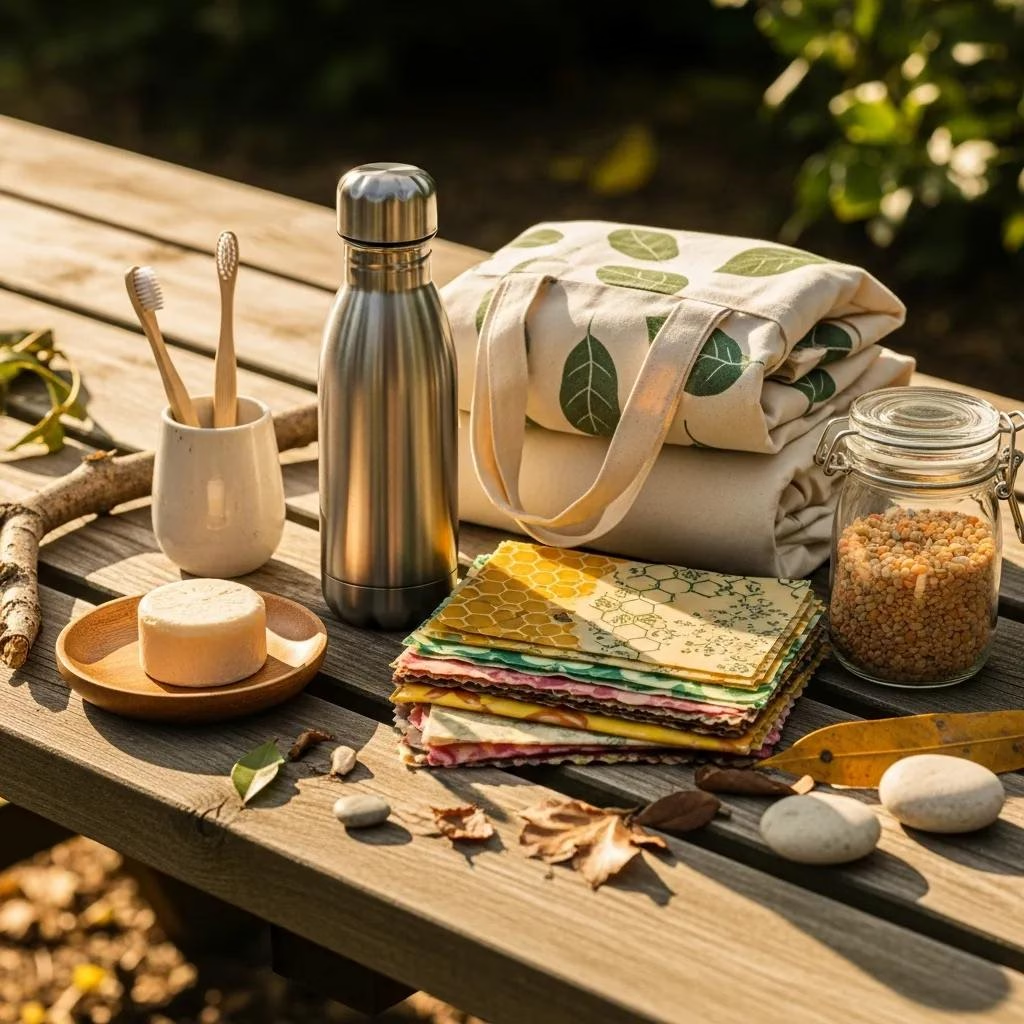
- Reusable Water Bottles: A sustainable alternative to single-use plastic bottles.
- Beeswax Wraps: An eco-friendly substitute for plastic wrap, perfect for food storage.
- Cloth Shopping Bags: Durable and reusable bags that reduce plastic waste.
These products not only help you minimize waste but also promote a more sustainable lifestyle.
What Are the Benefits of Using Reusable and Sustainable Products?
Using reusable and sustainable products offers numerous benefits:
- Reduction of Waste: By choosing reusable items, you significantly decrease the amount of waste sent to landfills.
- Lower Resource Consumption: Sustainable products often require fewer resources to produce, leading to less environmental impact.
- Encouragement of Intentional Consumption: Opting for quality over quantity fosters a mindset of mindful purchasing.
These advantages highlight the importance of making conscious choices in our daily lives.
How to Choose Zero Waste Products That Align with Your Needs?
Selecting the right zero waste products involves a few key considerations:
- Audit Your Trash: Understand what items you frequently dispose of to identify suitable replacements.
- Make Simple Swaps: Look for alternatives that fit seamlessly into your lifestyle.
- Support Sustainable Brands: Choose products from companies committed to eco-friendly practices.
By following these guidelines, you can ensure that your purchases align with your zero waste goals.
What Common Zero Waste Mistakes Should Beginners Avoid?
As you embark on your zero waste journey, be mindful of these common mistakes:
- Not Auditing Trash: Failing to understand your waste can lead to ineffective changes.
- Making Too Many Changes at Once: Gradual adjustments are more sustainable than overwhelming yourself with drastic shifts.
- Neglecting to Shop Smart: Always consider the packaging and sustainability of products before purchasing.
Avoiding these pitfalls will help you maintain momentum in your zero waste efforts.
Which Practices Can Undermine Your Zero Waste Efforts?
Certain practices can hinder your zero waste journey:
- Using Single-Use Products: Relying on disposable items contradicts zero waste principles.
- Ignoring Packaging: Purchasing products with excessive packaging contributes to waste.
- Lack of Community Engagement: Not involving others can limit your support network and resources.
Recognizing these undermining practices is crucial for long-term success.
How to Correctly Implement Zero Waste Strategies for Long-Term Success?
To achieve long-term success in your zero waste lifestyle, consider these strategies:
- Adopt the 5 Rs: Consistently apply the principles of Refuse, Reduce, Reuse, Recycle, and Rot.
- Conduct a Trash Audit: Regularly assess your waste to identify new areas for improvement.
- Engage the Community: Collaborate with others to share knowledge and resources.
Implementing these strategies will help solidify your commitment to a zero waste lifestyle.
How Can Sustainable Shopping and Bulk Buying Support Zero Waste Goals?
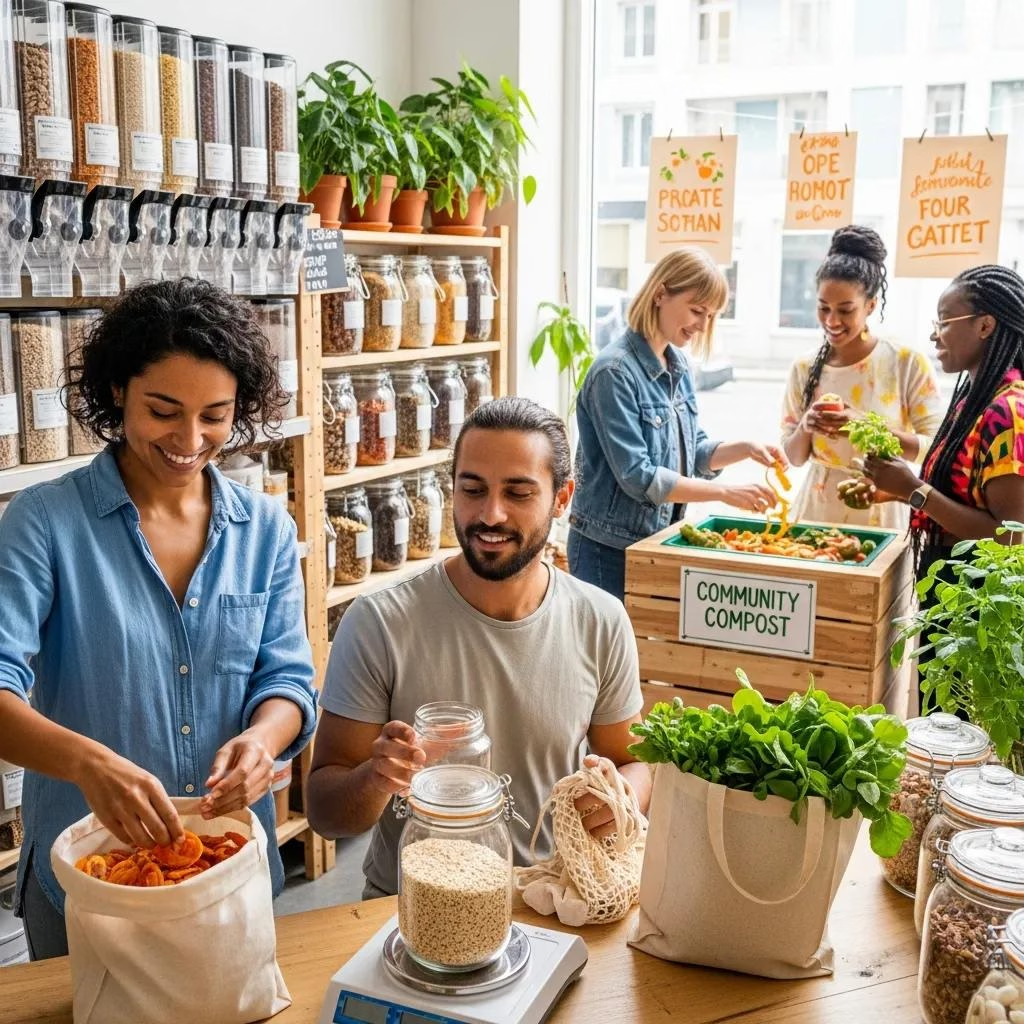
Sustainable shopping and bulk buying are effective strategies for supporting zero waste goals. By purchasing in bulk, you can minimize packaging waste and reduce the frequency of shopping trips. This approach not only saves money but also encourages the use of reusable containers.
Research into consumer behavior further supports the efficacy of bulk buying, highlighting a growing interest in products with reusable packaging.
Consumer Interest in Bulk Products & Reusable Packaging
This study investigates consumer interest and willingness to pay for in-bulk products with reusable packaging options, aiming to understand how source reduction of plastic packaging can be promoted. Bulk purchases without packaging have been the subject of several studies, but few have focused on the willingness to pay for different types of packaging presented as more sustainable.
Consumer interest and willingness to pay for in-bulk products with reusable packaging options, V Patreau, 2023
What Are the Advantages of Bulk Buying for Waste Reduction?
Bulk buying offers several advantages for waste reduction:
- Elimination of Excessive Packaging: Purchasing in bulk reduces the need for individual packaging.
- Reduced Food Waste: Buying only what you need helps prevent spoilage and waste.
- Support for Sustainable Practices: Many bulk suppliers prioritize eco-friendly practices.
These benefits make bulk buying a practical choice for those committed to reducing waste.
How to Identify and Support Sustainable Retailers and Products?
Identifying and supporting sustainable retailers involves:
- Researching Brands and Certifications: Look for companies with eco-friendly certifications and transparent practices.
- Evaluating Lifecycle Impacts: Consider the environmental impact of products from production to disposal.
- Supporting Sustainable Brands: Choose to purchase from businesses that prioritize sustainability.
By making informed choices, you can contribute to a more sustainable economy.
What Are Effective Composting and Organic Waste Management Techniques?
Composting is a vital component of a zero waste lifestyle. Effective techniques include:
- Choosing the Right Bin: Select a compost bin that suits your space and needs.
- Layering Materials: Alternate between green (nitrogen-rich) and brown (carbon-rich) materials for optimal composting.
- Regular Aeration: Turn your compost regularly to promote decomposition.
These techniques will help you manage organic waste effectively.
How Does Composting Reduce Organic Waste and Environmental Impact?
Composting significantly reduces organic waste and its environmental impact by:
- Reduction of Methane Emissions: Composting organic materials prevents methane production in landfills.
- Improvement of Soil Health: Compost enriches soil, promoting healthy plant growth and reducing the need for chemical fertilizers.
- Cost-Effective Fertilizer: Homemade compost serves as a nutrient-rich alternative to store-bought fertilizers.
Understanding these benefits underscores the importance of composting in waste management.
What Are Practical Steps to Start Composting at Home?
To start composting at home, follow these practical steps:
- Choose a Composting Method: Decide between traditional composting, vermicomposting, or bokashi.
- Gather Materials: Collect kitchen scraps, yard waste, and other compostable materials.
- Monitor Moisture: Ensure your compost remains moist but not soggy for optimal decomposition.
These steps will help you establish a successful composting system.
How Can Community Engagement and Advocacy Enhance Your Zero Waste Journey?

Community engagement plays a crucial role in enhancing your zero waste journey. By collaborating with others, you can share resources, knowledge, and support. Participating in local initiatives fosters a sense of belonging and collective responsibility towards sustainability.
Why Is Community Support Important for Sustainable Living?
Community support is vital for sustainable living because it:
- Empowers Individuals: Collective efforts amplify individual actions, leading to greater impact.
- Fosters a Culture of Sustainability: Engaging with others promotes shared values and practices.
- Enhances Community Resilience: Strong community ties can better withstand environmental challenges.
Building a supportive community is essential for long-term sustainability.
How to Participate in or Organize Zero Waste Initiatives Locally?
To engage in local zero waste initiatives, consider these steps:
- Engage with the Community: Connect with local groups focused on sustainability.
- Identify Waste Sources: Assess local waste issues and potential solutions.
- Promote Sustainable Practices: Advocate for zero waste principles within your community.
By taking these actions, you can contribute to a more sustainable future for all.