



Vertical Farming: The Only Way Is Up?
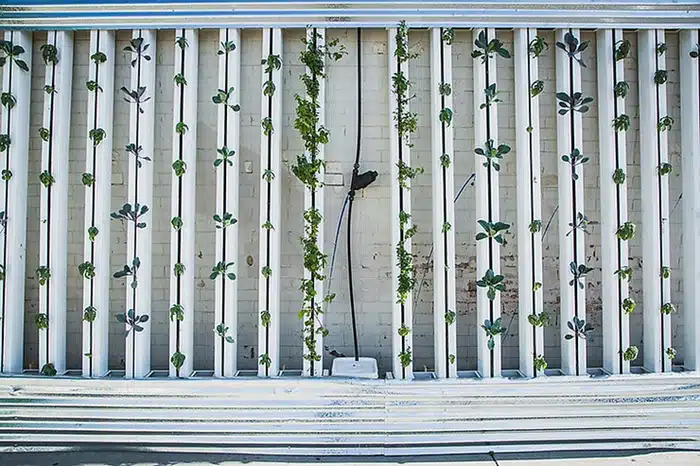
Hunger is greater than ever. Perhaps not in a literal sense, however hunger for a richer life echoes throughout the world. And the chosen home for a more prosperous life is the city. Across the globe, millions of people have rushed to sprawling metropolises, and by 2030 our urban population may reach 5 billion. A global increase in wealth is fuelling both urbanisation and a future food crisis, with demand expected to increase from 59% to 98% by 2050. This, coupled with a projected world population of 9.7 billion by 2050, could result in deforestation intensifying instead of subsiding, and studies suggest regeneration schemes are lagging. Striking a balance between a greater quality of life and sustainable living is the great challenge of the 21st Century, and these two issues could intersect with the rise of vertical farming.

How Much Will The Future Cost?
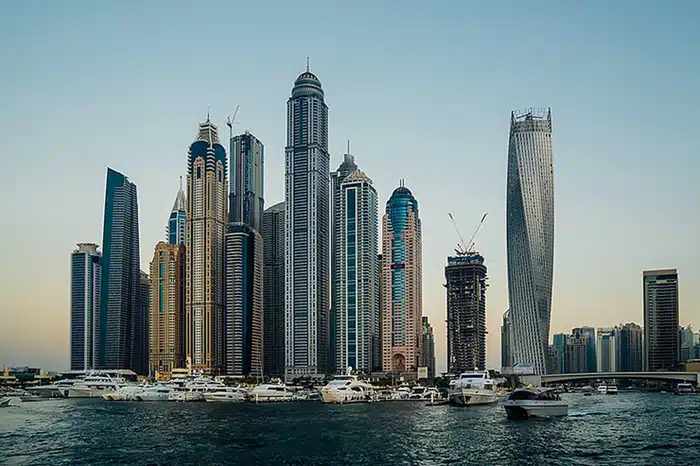
However like other eco-technologies, vertical farming is plagued by cost issues. Success is interlinked with energy prices, and the current climate in Europe renders affordable crops almost impossible. Products with premium price points have been strangled by the cost of living crisis, and Dutch-based market leader Infarm has recently announced a 50% reduction cut in its workforce amid a realigned focus on profitability. Refuge may be found in desert climates where certain crops are a scarcity, however its effectiveness as an eco-technology also relies on infrastructure. Fewer CO2 emissions are produced by conventional agriculture than a vertical farm running on traditional energy sources, so it will only truly thrive if renewables thrive. The United Arab Emirates has recently announced backing for four vertical farming initiatives worth $100m, however the country’s reliance on fossil fuels means potential greater food security for the region and not much more. Acute difficulties with start-up costs could also hinder development in other emerging economies, with traditional farming’s estimated construction costs being 10 times less.
The emergence of developing nations poses questions not only to the existing geopolitical order, but also to environmentalism. World leaders have been quick to accuse the West of hypocrisy over climate change, and Vladimir Putin unfortunately summarized the critique in a 2019 dismissal of Greta Thurnburgh. “People in Africa and in many Asian countries want to be as wealthy as people in Sweden… and people there want to live like in Sweden and nothing can stop them.” Vertical farming could remedy both concerns by creating poverty relief and eco-friendly food networks, however institutional awareness and support are key. Despite recent setbacks, investment is still promising however areas such as India and the Middle East need further help to truly establish the technology. When interviewed by Freethink, co-founder of start-up Plenty Dr Nate Storey quipped “Like everything in the world, we can only save our species if it makes economic sense.” And right now, vertical farming might not make enough sense to make a difference.