

What Is Fast Fashion? The Full Story — From Factory to Landfill to Your Wardrobe
What Is Fast Fashion? The Full Story — From Factory to Landfill to Your Wardrobe
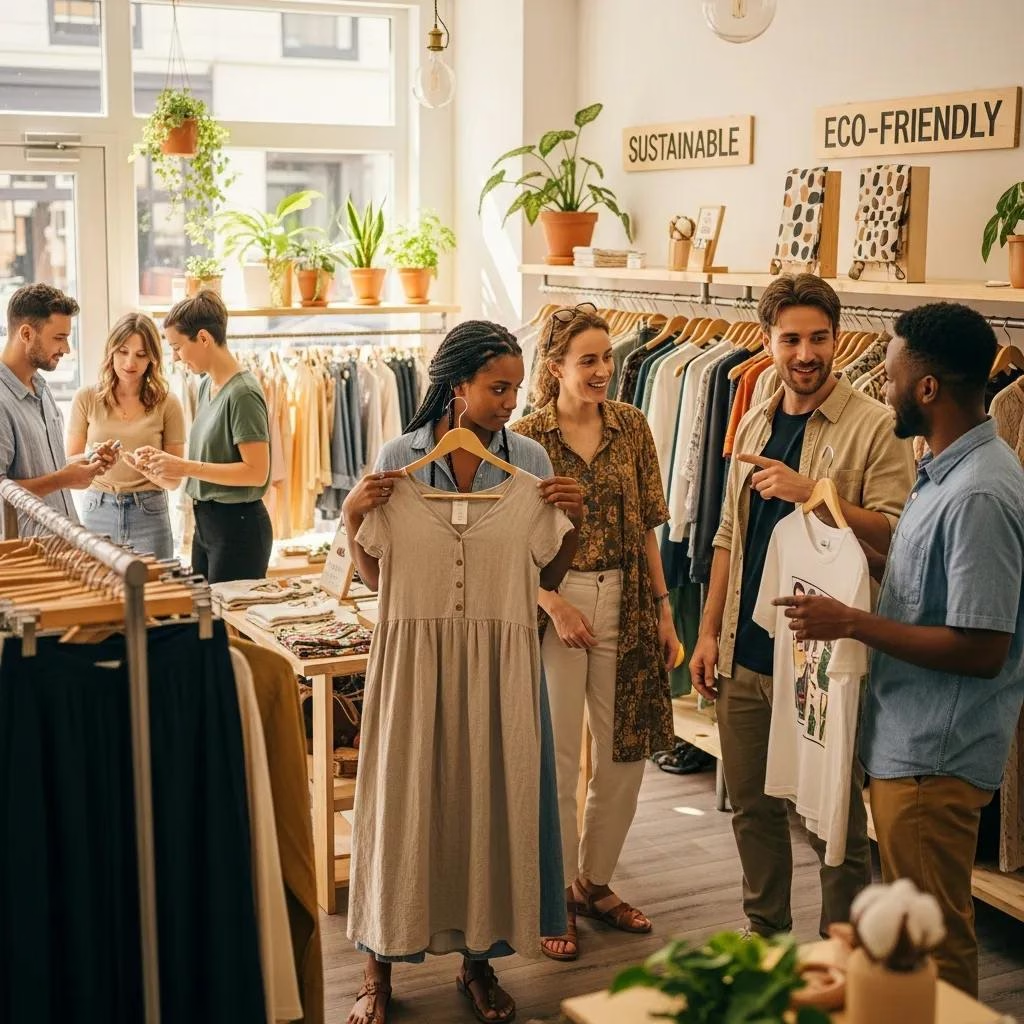
Fast fashion is a term that describes the rapid production of inexpensive clothing by retailers in response to the latest trends. This model allows consumers to purchase trendy garments at low prices, but it comes with significant environmental and social costs. In this article, we will explore the full story of fast fashion, from its production processes to its impact on the environment and society. Readers will gain insights into the characteristics of fast fashion, the pollution it generates, and the labor issues it creates. We will also discuss sustainable alternatives and how consumers can make more ethical choices in their fashion purchases.
Indeed, the multifaceted nature of fast fashion’s consequences is a subject of ongoing debate and research, as highlighted by various studies.
Environmental, Social & Economic Impacts of Fast Fashion
Fast fashion is a controversial topic in both academia and among the general population due to its perceived benefits for consumers in developed countries and consequences for the workers in developing countries. This paper explores the effects of fast fashion from environmental, social, and economic perspectives to determine whether fast fashion and its processes generate a net positive or net negative impact on society.
Appalling or advantageous? Exploring the impacts of fast fashion from environmental, social, and economic perspectives, 2022
Environmental Impacts
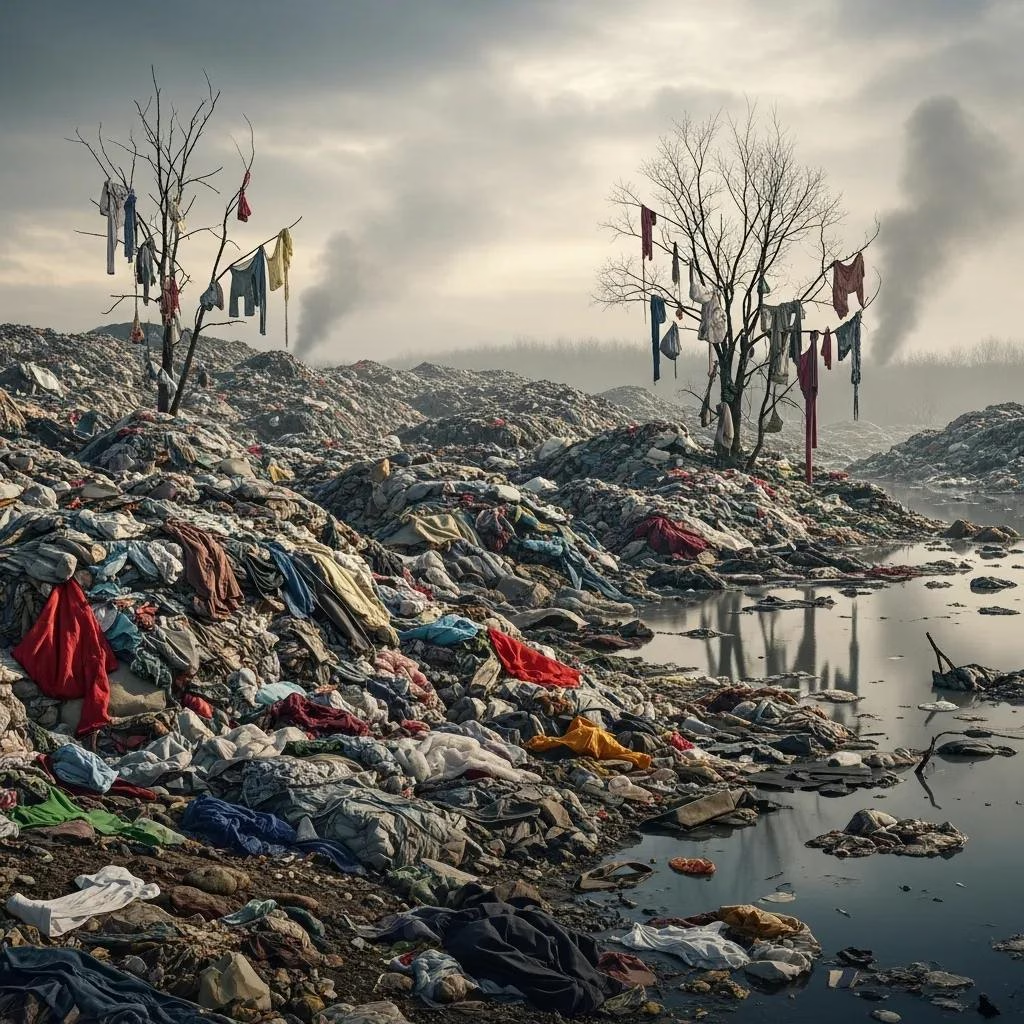
Fast fashion has profound environmental consequences that are often overlooked. The production processes involved in creating cheap clothing lead to significant pollution, resource depletion, and waste generation. The fashion industry is one of the largest polluters globally, contributing to water pollution, greenhouse gas emissions, and excessive waste in landfills. Understanding these impacts is crucial for consumers who wish to make informed choices about their clothing purchases.
What Types of Pollution Are Caused by Fast Fashion?
The fast fashion industry contributes to various types of pollution, including:
- Air Pollution: Emissions from factories and transportation contribute to poor air quality.
- Water Pollution: Chemicals used in dyeing and finishing processes often end up in water bodies, harming aquatic life.
- Soil Pollution: The use of pesticides and fertilizers in cotton farming contaminates soil and affects biodiversity.
These pollution types highlight the urgent need for more sustainable practices within the fashion industry.
How Does Fast Fashion Contribute to Environmental Pollution and Waste?
Fast fashion contributes to environmental pollution and waste through its production and disposal practices. The industry generates massive amounts of textile waste, with millions of tons ending up in landfills each year. Additionally, the chemicals used in production can leach into the environment, causing long-term damage. The rapid turnover of clothing styles encourages consumers to discard garments quickly, exacerbating the waste problem.
This alarming rate of waste generation is a critical concern, with textile production contributing significantly to global solid waste challenges.
Fast Fashion’s Textile Waste & Environmental Pollution
World textile production has been consistently increasing in recent years. Global population growth and rising living standards have caused an increase in textile demands as a natural consequence of basic needs and have also resulted in overconsumption as a consequence of fast fashion trends. A World Bank study has predicted a 70% global increase in municipal solid waste by 2025, which means that the expected waste volume will rise from today’s 1.3 billion tonnes to 2.2 billion tonnes per year. Solid waste dumping is a crucial risk, especially for developing countries. Insufficient collection and thoughtless disposal of solid waste causes land and air pollution and creates risks to human health and the environment.
Risks and management of textile waste, I Yalcin-Enis, 2019
Social Impacts
The social implications of fast fashion are equally concerning. The industry often relies on low-cost labor in developing countries, where workers face exploitation and unsafe working conditions. Understanding these social impacts is essential for consumers who want to support ethical practices in fashion.
What Are the Common Labor Conditions in Fast Fashion Factories?
Labor conditions in fast fashion factories are often dire, characterized by:
- Long Working Hours: Workers frequently endure shifts that exceed 12 hours a day.
- Low Wages: Many workers earn less than the minimum wage, struggling to meet basic needs.
- Unsafe Working Environments: Factories may lack proper safety measures, putting workers at risk of injury.
These conditions raise serious ethical concerns about the true cost of cheap clothing.
The exploitation of garment workers, particularly in developing countries, is a well-documented consequence of the fast fashion business model.
Fast Fashion Business Model & Worker Exploitation
We are aware that fast fashion is a business model that imitates the most recent catwalk trends, has evolved into high fashion, is produced in large quantities, and is priced affordably. Fast fashion has come under fire from a wide range of people due to the fact that no worker receives the minimum wage, yet products must be mass-produced. In addition to examining the legal and regulatory framework for protecting Bangladesh garment industry workers to fulfill their rights as laborers and how these rights are applied, this article looks at the shadowy side of fast fashion in Bangladesh.
The dark side of fast fashion: Examining the exploitation of garment workers in Bangladesh, Y Gunawan, 2023
How Do Worker Rights Violations Affect Communities Globally?
Worker rights violations in the fast fashion industry have far-reaching effects on communities. Economic instability arises when workers are underpaid and overworked, leading to cycles of poverty. Additionally, the exploitation of labor can contribute to environmental degradation, as communities suffer from the consequences of industrial pollution. Addressing these issues requires a collective effort to advocate for better labor practices and support ethical brands.
What Defines Fast Fashion and Its Global Production Processes?
Fast fashion is defined by its ability to quickly produce trendy clothing at low costs. This model relies on global supply chains that prioritize speed and efficiency over ethical considerations. Understanding the production processes involved in fast fashion helps consumers recognize the implications of their purchasing decisions.
How Does Fast Fashion Accelerate Clothing Production and Consumption?
Fast fashion accelerates clothing production and consumption through several mechanisms:
- Rapid Design Cycles: Brands quickly replicate runway trends, bringing new styles to market in weeks.
- Mass Production: Factories produce large quantities of garments to meet consumer demand.
- Aggressive Marketing: Retailers promote frequent sales and new arrivals, encouraging consumers to buy more.
This cycle of rapid production and consumption leads to increased waste and environmental harm.
What Are the Key Characteristics of Fast Fashion Brands?
Fast fashion brands share several defining characteristics:
- Mass Production: They produce clothing in large quantities to keep costs low.
- Low Prices: Fast fashion items are often sold at significantly reduced prices compared to traditional retailers.
- Short Lifespan of Garments: The quality of fast fashion clothing is typically lower, leading to a shorter lifespan.
These characteristics contribute to the overall impact of fast fashion on the environment and society.
Which Sustainable Fashion Brands and Ethical Alternatives Offer Solutions?
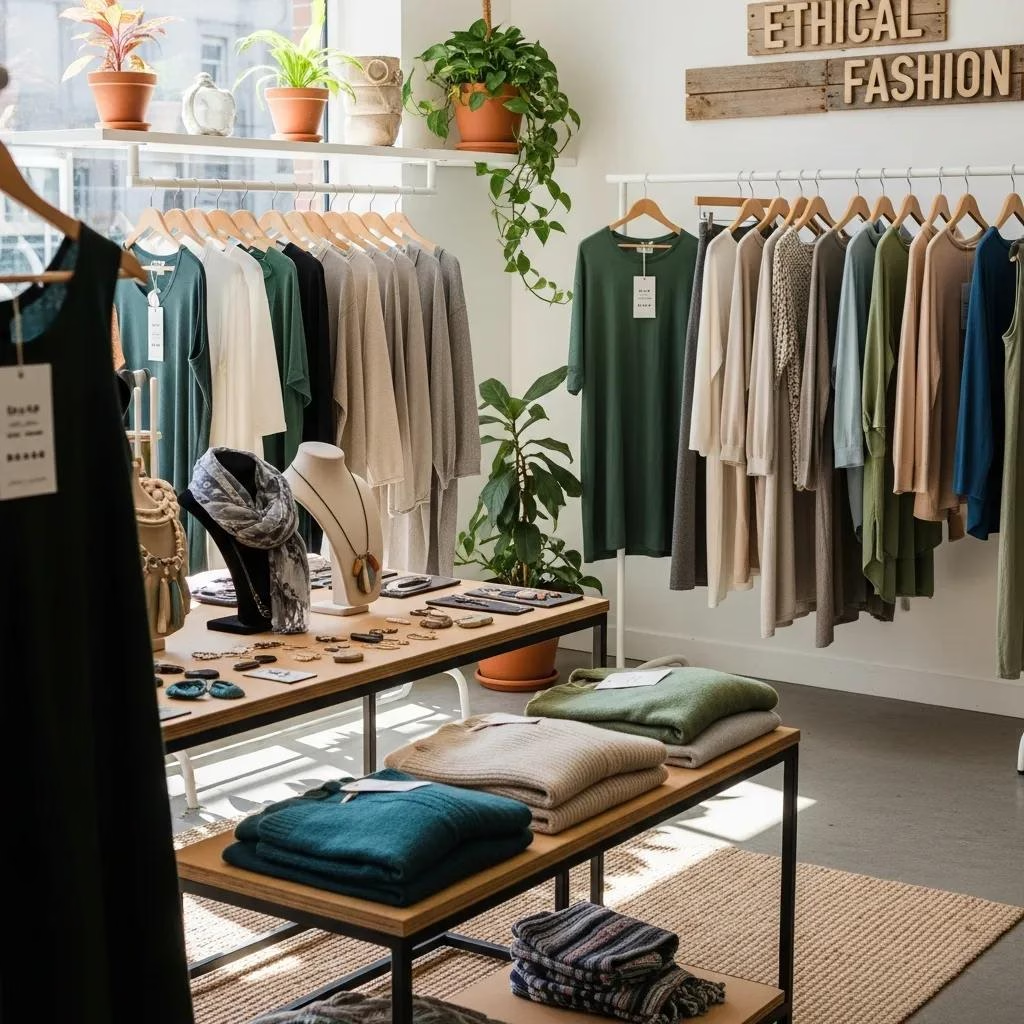
As awareness of the negative impacts of fast fashion grows, many consumers are seeking sustainable fashion brands and ethical alternatives. These brands prioritize environmentally friendly practices and fair labor conditions, offering consumers a more responsible choice.
- Patagonia: Known for its commitment to sustainability, Patagonia uses recycled materials and promotes fair labor practices.
- Everlane: This brand focuses on transparency in pricing and production, ensuring ethical practices throughout its supply chain.
- Reformation: Reformation emphasizes eco-friendly materials and sustainable production methods, appealing to environmentally conscious consumers.
These brands demonstrate that it is possible to create fashionable clothing while minimizing environmental and social harm.
What Certifications and Eco-Friendly Materials Define Sustainable Brands?
Sustainable fashion brands often seek certifications and use eco-friendly materials to validate their practices. Key certifications include:
- Global Organic Textile Standard (GOTS): Ensures organic status of textiles and adherence to environmental and social criteria.
- OEKO-TEX®: Certifies that textiles are free from harmful substances.
- Fair Trade: Guarantees fair wages and safe working conditions for workers.
Using materials such as organic cotton, Tencel, and recycled polyester further enhances the sustainability of these brands.
How Can Consumers Identify and Choose Ethical Fashion Alternatives?
Consumers can take several steps to identify and choose ethical fashion alternatives:
- Research Brands: Investigate a brand’s practices and values before making a purchase.
- Prioritize Quality: Invest in higher-quality garments that last longer, reducing the need for frequent replacements.
- Support Local Designers: Buying from local designers often supports fair labor practices and reduces carbon footprints.
By making informed choices, consumers can contribute to a more sustainable fashion industry.
How Can Circular Economy and Textile Recycling Reduce Fast Fashion Waste?
The circular economy model promotes sustainability by encouraging the reuse and recycling of clothing. This approach can significantly reduce the waste generated by fast fashion.
What Are Effective Methods for Clothing Recycling and Waste Management?
Effective methods for clothing recycling and waste management include:
- Donation of Clothing: Donating gently used clothing extends the life of garments and supports those in need.
- Textile Recycling Programs: Many organizations offer recycling programs that repurpose old textiles into new products.
- Upcycling: Transforming old clothing into new items can reduce waste and promote creativity.
These methods help mitigate the environmental impact of fast fashion by keeping textiles out of landfills.
How Does Circular Economy Model Promote Sustainability in Fashion?
The circular economy model promotes sustainability in fashion by emphasizing the importance of reusing and recycling materials. This approach reduces the demand for new resources and minimizes waste. By adopting circular practices, the fashion industry can transition towards a more sustainable future.
What Consumer Actions and Policy Solutions Can Mitigate Fast Fashion’s Impact?
Consumers play a crucial role in mitigating the impact of fast fashion through their purchasing decisions and advocacy efforts. By supporting sustainable brands and advocating for policy changes, individuals can drive the industry towards more ethical practices.
How Can Consumers Contribute to Reducing Fast Fashion Pollution?
Consumers can contribute to reducing fast fashion pollution by:
- Buying Less Clothing: Adopting a minimalist approach to fashion can significantly decrease demand for fast fashion.
- Donating Unused Clothes: Giving away clothes that are no longer worn helps extend their life cycle.
- Practicing Mindful Consumption: Being intentional about purchases encourages consumers to choose quality over quantity.
These actions can collectively reduce the environmental footprint of the fashion industry.
What Policy Measures Are Effective in Addressing Fast Fashion Challenges?
Effective policy measures to address fast fashion challenges include:
- Consumer Education Initiatives: Raising awareness about the impacts of fast fashion can empower consumers to make informed choices.
- Support for Sustainable Brands: Policies that incentivize sustainable practices can encourage more brands to adopt ethical approaches.
- Regulation of Production Practices: Implementing stricter regulations on labor and environmental standards can help protect workers and the planet.
By advocating for these measures, consumers can help create a more sustainable fashion industry.