



Wind Energy vs Solar Energy: Which Is Better for Your Needs?
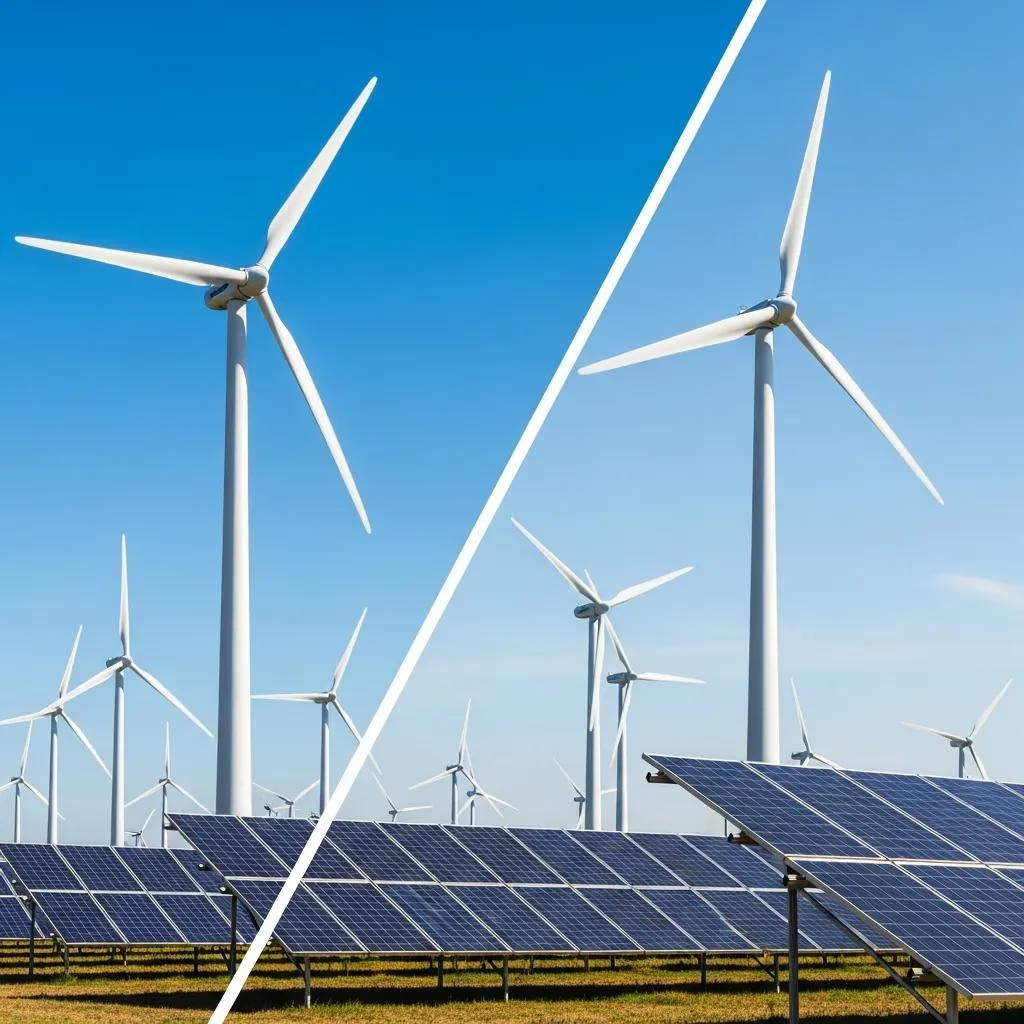
Wind Energy vs Solar Energy: Which Is Better for Your Needs?
As the world increasingly turns to renewable energy sources, the debate between wind energy and solar energy has gained significant traction. Both options offer unique advantages and challenges, making it essential for consumers to understand their differences. This article will explore the technologies behind wind and solar energy, analyze their costs, assess their environmental impacts, and evaluate their efficiency and performance. By the end, readers will have a clearer understanding of which energy source may be better suited for their specific needs.
Technology Overview
Wind energy and solar energy are two of the most prominent renewable energy sources available today. Wind energy harnesses the power of moving air through wind turbines, which convert kinetic energy into electricity. These turbines consist of blades that rotate when wind passes over them, driving a generator that produces electrical power. On the other hand, solar energy captures sunlight using solar panels, which contain photovoltaic cells that convert sunlight directly into electricity.
Both technologies have seen significant advancements in efficiency and design over the years. Wind turbines have become larger and more efficient, capable of generating more power at lower wind speeds. Similarly, solar panels have improved in their ability to convert sunlight into electricity, with some modern panels achieving efficiencies of over 22%. Understanding these technologies is crucial for making informed decisions about energy sources.
Cost Analysis
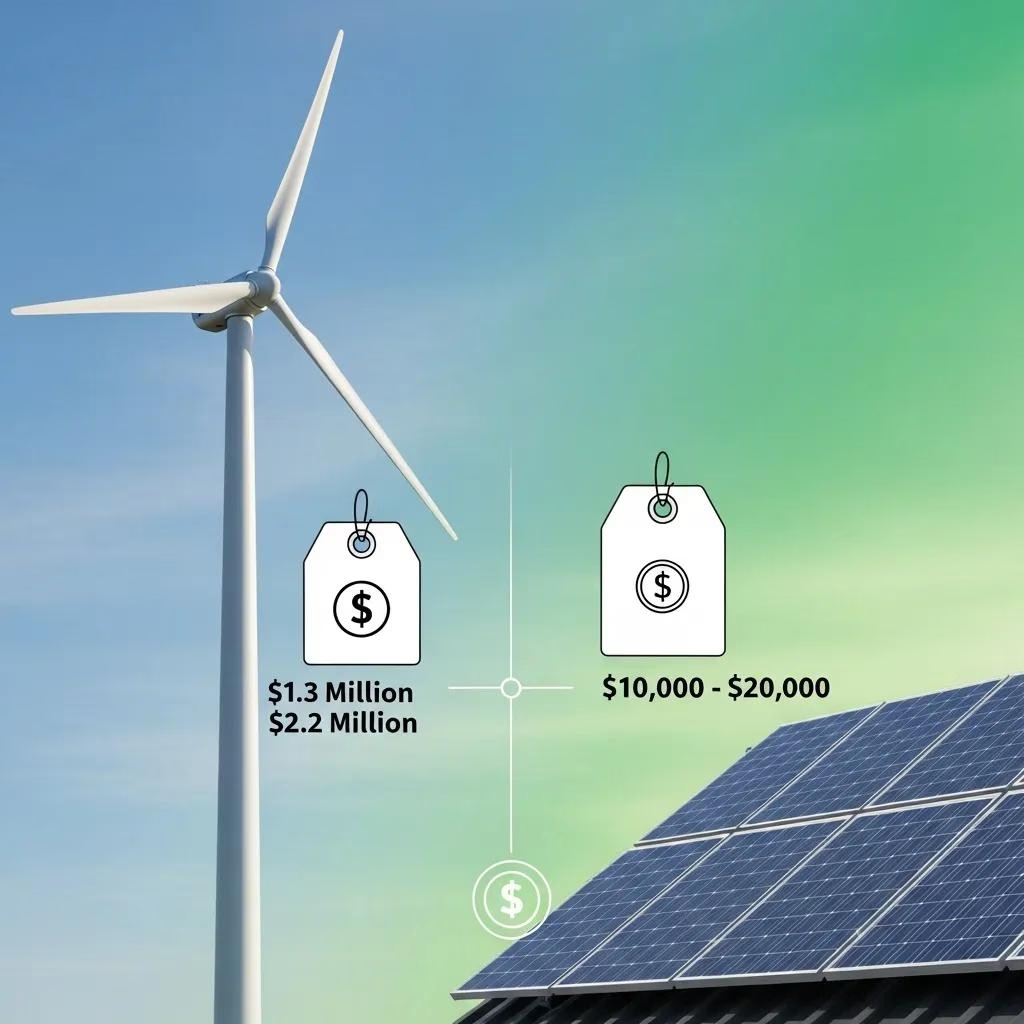
When considering wind energy versus solar energy, cost is a significant factor. The initial installation costs for both technologies can vary widely based on location, scale, and available incentives.
Wind energy typically has a lower initial installation cost compared to solar energy for larger projects. However, solar energy systems can benefit from various government incentives, such as tax credits and rebates, which can significantly reduce the overall cost.
In the long run, both energy sources offer competitive maintenance costs, but solar energy tends to have slightly lower ongoing expenses. Understanding these financial aspects can help consumers make informed decisions based on their budget and energy needs.
Environmental Impact
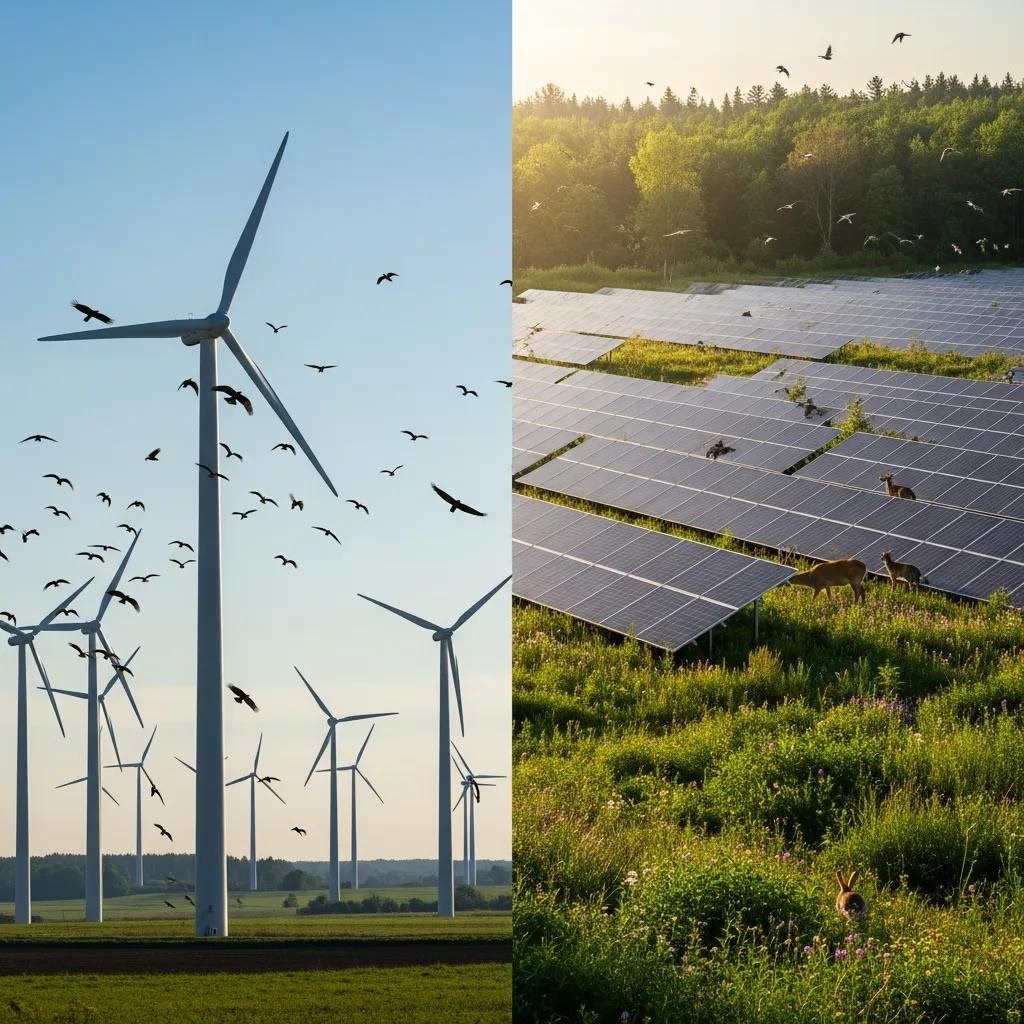
The environmental impact of wind and solar energy is a critical consideration for many consumers. Wind energy is often praised for its low carbon footprint, as it generates electricity without emitting greenhouse gases. However, the construction and operation of wind farms can have localized environmental effects, such as land use changes and impacts on wildlife, particularly birds and bats.
Further research highlights the specific challenges wind energy poses to local ecosystems and wildlife.
Wind Energy’s Wildlife Impact: Bird & Bat Mortality
Wind energy offers substantial environmental benefits, but wind facilities can negatively impact wildlife, including birds and bats. Researchers and managers have made major efforts to chronicle bird and bat mortality associated with wind facilities, but few studies have examined the patterns and underlying mechanisms of spatial patterns of fatalities at wind facilities.
An evaluation of bird and bat mortality at wind turbines in the Northeastern United States, DY Choi, 2020
Solar energy also offers significant environmental benefits, including reduced reliance on fossil fuels and lower greenhouse gas emissions. However, the production of solar panels involves the use of hazardous materials and energy-intensive processes, which can have environmental consequences.
The environmental footprint of solar panel manufacturing, particularly concerning waste management, is an area of ongoing study.
Solar Panel Waste: Hazardous Materials & Recycling Challenges
of solar cell wastes for which the recycling processes are confronted with various issues due to the presence of hazardous materials
A review of solar photovoltaic power utilizations in India and impacts of segregation and safe disposal of toxic components from retired solar panels, P Jayapradha, 2023
Both energy sources contribute positively to sustainability efforts, but it is essential to weigh their respective environmental impacts when making energy choices.
Efficiency and Performance
Evaluating the efficiency and performance of wind and solar energy is crucial for understanding their viability as energy sources.
- Capacity Factors: Wind energy typically has a capacity factor of around 35-45%, meaning that turbines generate electricity at this percentage of their maximum output over time. In contrast, solar energy has a capacity factor of approximately 15-25%, influenced by factors such as geographic location and weather conditions.
- Intermittency Issues: Both wind and solar energy face intermittency challenges, as they rely on natural conditions. Wind energy generation can fluctuate based on wind patterns, while solar energy production is limited to daylight hours.
- Performance in Different Climates: Wind energy can be more effective in areas with consistent wind patterns, while solar energy is best suited for regions with abundant sunlight.
Understanding these performance metrics can help consumers choose the most suitable energy source based on their location and energy needs.
Practical Considerations
When deciding between wind and solar energy, several practical considerations come into play.
- Location Suitability: Wind energy is most effective in open areas with consistent wind, such as coastal regions or plains. Solar energy, however, can be installed in a variety of locations, including rooftops and open fields, making it more versatile for urban settings.
- Installation Requirements: Wind turbines require more space and specific site conditions for optimal performance, while solar panels can be installed on existing structures, reducing the need for additional land.
- Long-term Benefits: Both energy sources offer long-term benefits, including reduced energy bills and increased energy independence. However, the choice may ultimately depend on individual circumstances, such as available space and local climate conditions.
For those considering a switch to renewable energy, evaluating these practical aspects can provide valuable insights into which option may be more feasible.