



Zero Waste Beauty: Sustainable Packaging and Clean Beauty Products
Zero Waste Beauty: Sustainable Packaging and Clean Beauty Products
The zero waste beauty movement is gaining momentum as consumers become increasingly aware of the environmental impact of their beauty routines. This article delves into the principles of zero waste beauty, emphasizing sustainable packaging and clean beauty products. Readers will learn about the significance of adopting eco-friendly practices, the types of sustainable materials available, and how to build a zero waste skincare routine. As pollution and waste continue to rise, transitioning to zero waste beauty not only benefits the planet but also promotes healthier choices for individuals. This guide will explore the core principles of zero waste beauty, the environmental benefits of sustainable practices, and practical steps for consumers to make the switch.
What Is Zero Waste Beauty and Why Does It Matter?
Zero waste beauty refers to a movement aimed at minimizing waste in the beauty industry by promoting sustainable practices and products. This approach emphasizes the importance of reducing, reusing, and recycling materials to create a more sustainable beauty routine. The significance of zero waste beauty lies in its potential to reduce the environmental impact of beauty products, which often contribute to pollution and waste. By adopting zero waste principles, consumers can make informed choices that benefit both their health and the planet.
Defining Zero Waste Beauty and Its Core Principles
The core principles of zero waste beauty revolve around the mantra of “Refuse, Reduce, Reuse, Recycle, and Rot.” These principles guide consumers in making conscious decisions about their beauty products and routines. Refusing unnecessary packaging and single-use items is the first step, followed by reducing consumption and opting for products with minimal packaging. Reusing containers and choosing refillable options further support sustainability, while recycling and composting help manage waste effectively. By understanding and implementing these principles, consumers can significantly impact their environmental footprint.
Environmental Benefits of Adopting Zero Waste Beauty Practices
Adopting zero waste beauty practices offers numerous environmental benefits. Firstly, it leads to waste reduction, as consumers become more mindful of their purchases and packaging. This shift can significantly lower the amount of plastic and other non-biodegradable materials that end up in landfills and oceans. Secondly, a zero waste approach contributes to a lower carbon footprint, as sustainable practices often involve less energy consumption and resource extraction. Lastly, reducing pollution from beauty products helps protect ecosystems and wildlife, promoting a healthier planet for future generations.
The concept of circular beauty further amplifies these benefits by focusing on comprehensive waste management and resource recovery within the cosmetics industry.
Circular Beauty for Waste Management and Sustainability
This study explores the idea of circular beauty, focusing on environmentally friendly methods for waste management and resource recovery in the cosmetics sector. The study investigates types of waste in the cosmetic and beauty sector, novel technologies for waste management, and regulatory frameworks to convert waste cosmetics into useful materials. The cosmetics sector can address growing customer demand for ethical and responsible beauty practices while also reducing its ecological footprint and promoting environmental sustainability by implementing circular economy tactics.
Circular Beauty: Sustainable Resource Recovery and Waste Management in the Cosmetic Industry, GD Chadha, 2030
Which Sustainable Packaging Materials Are Best for Beauty Products?
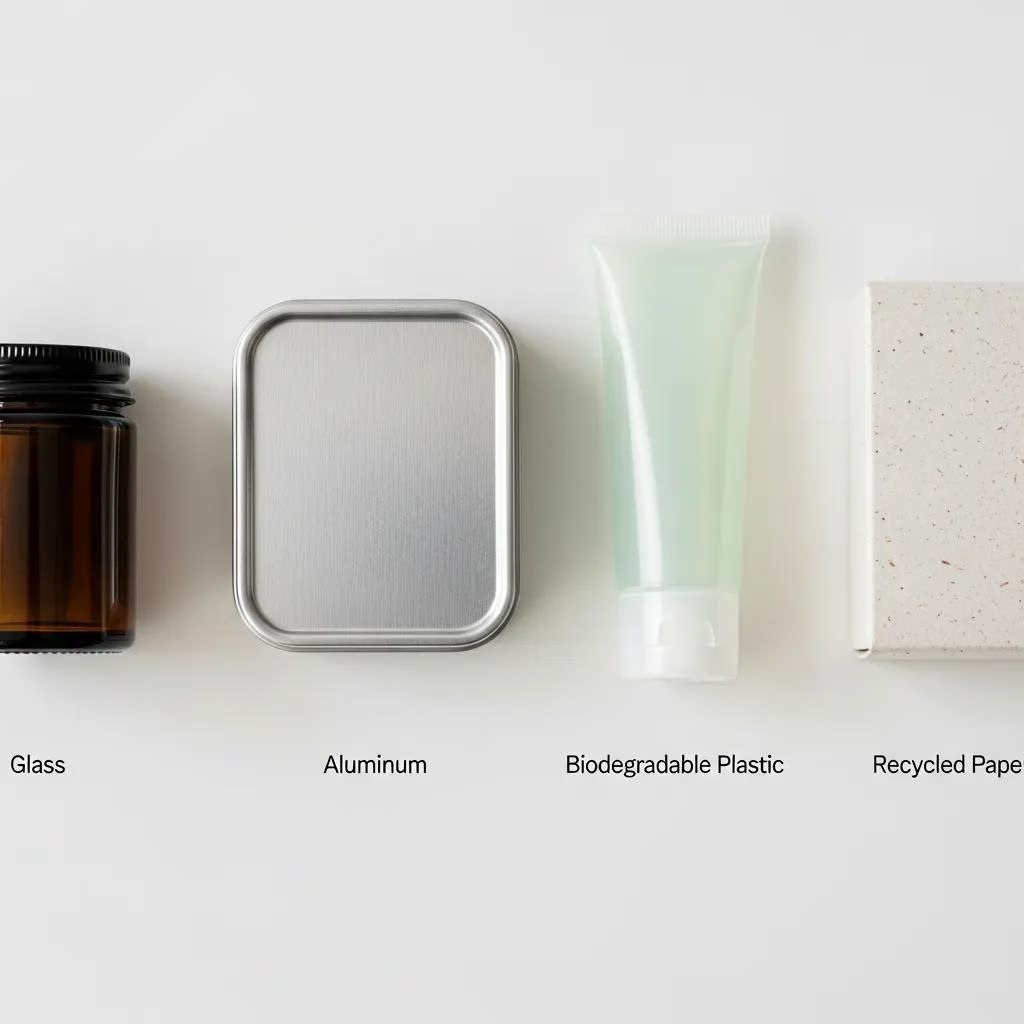
When it comes to sustainable packaging, several materials stand out as environmentally friendly options for beauty products. These include:
- Glass: Reusable and recyclable, glass is an excellent choice for packaging beauty products, as it does not leach harmful chemicals.
- Aluminum: Lightweight and infinitely recyclable, aluminum is a durable option for containers and tubes.
- Biodegradable Plastics: Made from renewable resources, biodegradable plastics break down more easily than traditional plastics, reducing environmental impact.
- Recycled Paper: Used for boxes and labels, recycled paper minimizes waste and supports a circular economy.
By choosing products packaged in these materials, consumers can significantly reduce their environmental impact.
Biodegradable, Compostable, and Refillable Packaging Options
Biodegradable and compostable packaging options are essential components of zero waste beauty. Biodegradable materials break down naturally over time, reducing landfill waste. Compostable packaging, on the other hand, can be added to compost piles, enriching the soil while minimizing waste. Refillable packaging options, such as containers that can be returned to the manufacturer for refills, further support sustainability by reducing the need for new materials. Brands that prioritize these packaging solutions demonstrate a commitment to environmental responsibility.
How Do Clean Beauty Brands Ensure Eco-Friendly Skincare?
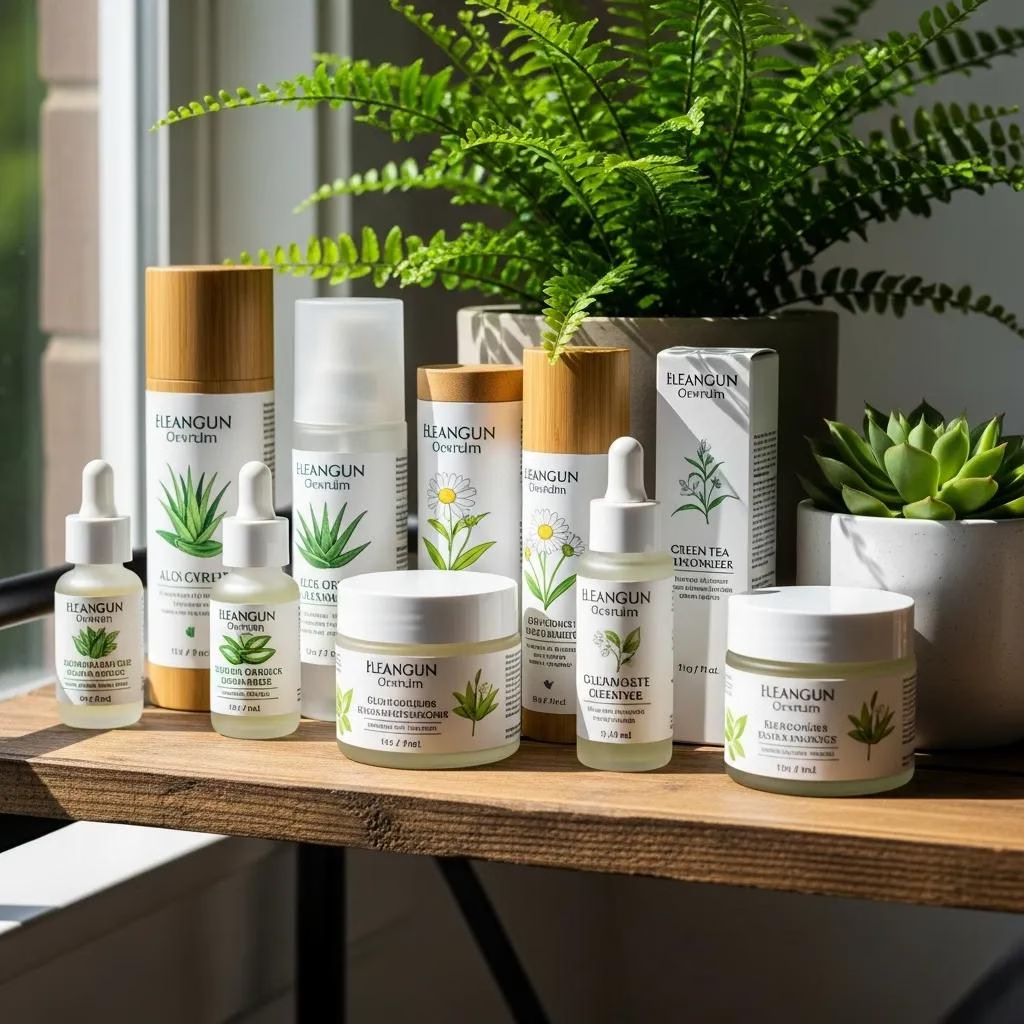
Clean beauty brands focus on creating products that are not only effective but also environmentally friendly. These brands often prioritize sustainable sourcing practices, ensuring that ingredients are ethically harvested and produced. Transparency in ingredient labeling is another hallmark of clean beauty, allowing consumers to make informed choices about what they apply to their skin. Additionally, many clean beauty brands invest in innovative packaging solutions that minimize waste and environmental impact, further aligning with the principles of zero waste beauty.
Natural Beauty Product Ingredients and Their Certifications
Natural beauty products typically contain ingredients derived from plants, minerals, and other natural sources. Common natural ingredients include essential oils, botanical extracts, and plant-based oils. Certifications play a crucial role in identifying truly natural products, as they provide assurance of ingredient integrity and ethical sourcing. Certifications such as USDA Organic, Non-GMO Project Verified, and Fair Trade help consumers navigate the complex landscape of beauty products, ensuring they choose options that align with their values.
Popular Clean Beauty Certifications: Cruelty-Free, Organic, and Vegan
Several certifications are essential for consumers seeking clean beauty products. These include:
- Cruelty-Free: Indicates that products were not tested on animals, promoting ethical treatment of animals in the beauty industry.
- Organic: Ensures that products are made from ingredients grown without synthetic pesticides or fertilizers, supporting environmental health.
- Vegan: Confirms that products do not contain any animal-derived ingredients, appealing to consumers who prioritize plant-based options.
By looking for these certifications, consumers can make more informed choices about the products they use.
How Can Consumers Build a Zero Waste Skincare Routine?
Building a zero waste skincare routine involves several key steps. First, consumers should audit their current products, identifying items that can be replaced with more sustainable options. Next, they can choose products with minimal or compostable packaging, focusing on brands that prioritize sustainability. Incorporating refillable containers and solid products, such as shampoo bars and lotion bars, can further reduce waste. Lastly, consumers should engage with their communities to share tips and resources for maintaining a zero waste lifestyle.
Understanding the psychological factors that drive consumer choices is crucial for promoting wider adoption of these sustainable practices.
Factors Affecting Zero-Waste Cosmetic Consumer Behavior
The results showed that both attitudes and perceived behavioural control had a positive impact on zero-waste behavioural intentions regarding cosmetics and personal care products in Poland. On the other hand, the intentions were not affected by subjective norms or awareness of consequences. Regarding zero-waste behaviour, it is significantly determined by intentions and perceived behavioural control. Moreover, the study identifies factors that affect zero-waste intentions and behaviour in the cosmetics industry in Poland.
A study of zero-waste behaviour in Polish consumers of cosmetic and personal care products, I Zdonek, 2024
Step-by-Step Guide to Transitioning to Sustainable Beauty Products
Transitioning to sustainable beauty products can be a gradual process. Here’s a step-by-step guide to help consumers make the switch:
- Assess Current Products: Review existing beauty products and identify those that can be replaced with sustainable alternatives.
- Research Brands: Look for brands that prioritize eco-friendly practices, such as sustainable sourcing and minimal packaging.
- Make Gradual Swaps: Replace one product at a time with a sustainable option, allowing for a smoother transition.
- Engage with Community: Join online forums or local groups focused on zero waste living to share experiences and recommendations.
By following these steps, consumers can effectively transition to a more sustainable beauty routine.
Tips for Choosing Plastic-Free Cosmetics and Refillable Containers
Choosing plastic-free cosmetics and refillable containers is essential for a zero waste beauty routine. Here are some tips to help consumers make informed choices:
- Opt for Solid Products: Solid shampoos, conditioners, and lotions often come without plastic packaging and are more concentrated.
- Invest in Refillable Containers: Look for brands that offer refillable options, allowing consumers to reuse containers and reduce waste.
- Support Sustainable Brands: Choose brands that prioritize eco-friendly practices and transparent ingredient sourcing.
By implementing these tips, consumers can significantly reduce their plastic consumption in their beauty routines.
Which Brands Lead the Way in Sustainable Beauty Packaging?
Several brands are leading the charge in sustainable beauty packaging. These brands prioritize eco-friendly materials and innovative designs that minimize waste. Some notable examples include:
- Lush: Known for its commitment to fresh, handmade products, Lush offers a range of packaging-free options and encourages customers to bring back containers for refills.
- Ethique: This brand specializes in solid beauty bars, eliminating plastic packaging entirely and focusing on sustainable ingredients.
- Herbivore Botanicals: With a commitment to natural ingredients and recyclable packaging, Herbivore Botanicals exemplifies the principles of clean beauty.
These brands demonstrate that sustainability and beauty can go hand in hand.
Case Studies: Lush, Ethique, and Herbivore Botanicals
Examining the practices of leading brands in the zero waste beauty space provides valuable insights into effective sustainability strategies. Lush, for instance, has pioneered the use of packaging-free products, encouraging customers to embrace a more sustainable approach to beauty. Ethique focuses on solid beauty bars, which not only reduce plastic waste but also offer concentrated formulations that last longer. Herbivore Botanicals emphasizes transparency in ingredient sourcing and packaging, ensuring that consumers can trust the products they use. These case studies highlight the innovative approaches brands can take to promote sustainability in the beauty industry.
Marketplace Platforms for Clean and Sustainable Beauty Brands
Marketplace platforms dedicated to clean and sustainable beauty brands are becoming increasingly popular. These platforms curate a selection of eco-friendly products, making it easier for consumers to find and purchase sustainable options. Some notable platforms include:
- Credo Beauty: A leading retailer of clean beauty products, Credo Beauty offers a wide range of brands that meet strict ingredient standards.
- The Detox Market: This platform focuses on natural and organic beauty products, providing consumers with a curated selection of sustainable options.
- Thrive Market: An online membership-based marketplace that offers a variety of clean beauty products at discounted prices.
These platforms play a crucial role in promoting sustainable beauty by connecting consumers with brands that prioritize eco-friendly practices.
What Is the Environmental Impact of Beauty Packaging?
The environmental impact of traditional beauty packaging is significant, contributing to pollution and waste. Many beauty products are packaged in single-use plastics that take hundreds of years to decompose. This not only leads to increased landfill waste but also contributes to ocean pollution, harming marine life and ecosystems. By understanding the environmental consequences of beauty packaging, consumers can make more informed choices and advocate for sustainable alternatives.
Despite growing awareness, the beauty industry faces considerable challenges in transitioning away from its heavy reliance on plastic packaging.
Challenges of Sustainable Packaging in the Beauty Industry
Packaging for the beauty industry is dependable on the looks more than any other with massive changes in the recent years since extensive grooming became a part both genders lifestyle today and spreading those standards across the globe. The first stepping stone is that more than half of the materials used for the massive cosmetic industry packaging are plastics. Finding alternatives and making a shift to a greener and circular way will be a challenge in the years to come.
Green face of packaging–sustainability issues of the cosmetic industry packaging, J Drobac, 2020
How Sustainable Packaging Supports Climate Action and Reduces Carbon Footprint
Sustainable packaging plays a vital role in climate action by reducing the carbon footprint associated with beauty products. By opting for materials that are recyclable, biodegradable, or made from renewable resources, brands can significantly lower their environmental impact. Additionally, sustainable packaging often requires less energy to produce and transport, further contributing to reduced greenhouse gas emissions. As consumers increasingly demand eco-friendly options, the beauty industry is responding by prioritizing sustainable practices that support climate action.
What Are Common Consumer Questions About Zero Waste Beauty?
As the zero waste beauty movement gains traction, consumers often have questions about its principles and practices. Common inquiries include:
- What products can I use to start my zero waste beauty routine?
- How do I know if a product is truly sustainable?
- What are the best ways to dispose of beauty products responsibly?
Addressing these questions helps consumers navigate the complexities of zero waste beauty and empowers them to make informed choices.
How to Switch to Sustainable Packaging Effectively?
Switching to sustainable packaging requires a thoughtful approach. Here are some guidelines to help consumers make the transition effectively:
- Educate Yourself: Research sustainable packaging options and understand the benefits of different materials.
- Choose Brands Wisely: Support brands that prioritize eco-friendly practices and transparent ingredient sourcing.
- Engage with Others: Share experiences and tips with friends and family to promote a collective shift towards sustainability.
By following these guidelines, consumers can effectively transition to sustainable packaging in their beauty routines.
Are Clean Beauty Products Better for the Environment?
Clean beauty products are often considered better for the environment due to their focus on natural ingredients and sustainable practices. Many clean beauty brands prioritize eco-friendly sourcing, minimizing the use of harmful chemicals and synthetic additives. Additionally, clean beauty products frequently come in sustainable packaging, further reducing their environmental impact. By choosing clean beauty options, consumers can support a healthier planet while enjoying effective and safe beauty products.